Another Seemingly Ordinary Year
August 21, 2026
We are now more than halfway through the year, and as I paused to look through our numbers and reflect, I couldn’t believe just how deep we are into 2026 already. What began as another seemingly ordinary year has taken hold of Good Sam and brought so much Good into our space. From new team members joining us, to others moving into new chapters, to dirt moving and a new building rising, to more than 20,000 patient encounters, we’ve done so much Good work.
None of this happens on its own. Every accomplishment, every milestone, every moment of impact requires people who show up, lead, and welcome in whatever comes next. Every patient encounter and every meeting had a face or two behind it, ready to serve. Below, two of our team members share how they’ve been reflecting on the year so far.
Now that we are halfway through 2026, what's one lesson, moment, or story that captures what this year has given us so far?
“Looking back at the first half of 2026, I am just in awe of how much we’ve been able to accomplish, and none of it would have been possible without the consistent support we’ve had. Whether it be through volunteers, donors, sponsorships, partnerships, I am always so blown away at everyone who jumps at any opportunity to support our mission. And I really saw this lot this year through all of the volunteers who have come through. Theres been a ton of individuals and groups that have come to visit and learn more about Good Sam and what we do. But what's even more exciting is that they continue to want to be involved. I’m excited to see what the rest of 2026 has for us, I know we’re on track again to finish the year hitting some major milestones."
Bianca Long
Development Manager
“I’m amazed at how many patients we’ve seen only halfway through the year. 6,000 patients is insane to think about, because it really doesn’t feel like we’ve seen that many. I'm wondering how many patients we will see by the end of the year. I'm wondering if maybe we'll see double or maybe even triple the number of patients.
It’s always great to see so many people coming here to get the healthcare that they deserve. Time goes by fast.”
Cynthia Torrez
Medical Assistant
As we continue into the second half of 2026, we can keep praying, serving, and showing up in the same faithful ways we already have. Every number represents a life touched, and every milestone reflects the hands behind the hard work done each day. We’re excited for what’s ahead, and we’ll use this moment of reflection to push us onward and upward. These next few months surely hold more milestones to reach and more moments to celebrate together.
Tiffany Loredo
Marketing and Communications Manager
Good Samaritan Health Center
For Good: The Partnerships behind our Back to School Bash
July 24, 2026
I’ve said it before, and I’ll say it a million times more: our Annual Back to School Bash at Good Sam is my favorite event of the year. It brings me so much joy to see all of our hard work come together, knowing we’ve had a small part in helping kids in our community have a successful start to their school year. Planning and executing this special Saturday would in no way be possible if it weren’t for our wonderful staff, volunteers, parents and partnerships.
Throughout my tenure here, I have learned the value of good partnerships -- partnerships with organizations, people, companies and fellow nonprofits that would jump at any opportunity to get involved with our work. Whether through volunteering, funding, or supplies, it is all crucial to make this day successful.
We are especially grateful for our partnership with Echo Stret West and Lincoln Property Company whose commitment throughout the years to support various events and initiatives here at Good Sam has been unwavering. For our Back to School Bash, Lincoln Properties across the city help provide backpacks and other school supplies so we can hand them out to students who come for their screenings. Their staff members also sign up to work at the various carnival stations, and I always look forward to their enthusiasm and willingness to lend a helping hand wherever needed to make the day run smoothly.
CVS Health/ Aetna has also been a wonderful partner and friend to us throughout the years, and we are grateful for their ongoing support of our mission. Through initiatives like CVS Health Zones, they’ve helped us address chronic illnesses within our community and have collaborated with Open Hand and Uber Health to bridge gaps in healthcare access. From volunteering here at the Center to assembling hygiene kits or helping us prepare for our Market season, their team consistently shows up for Good Sam. Their contributions to our Back to School Bash, both resources and volunteers, help us create a fun, meaningful experience for every child and family who walks through our doors.
Whether through volunteering, gift-in-kind donations, or financial support, these partnerships are essential to making our work possible and we at Good Sam are forever grateful for them.
Bianca Long
Development Manager
Good Samaritan Health Center


A Stronger, Steadier Good Sam
June 12, 2026
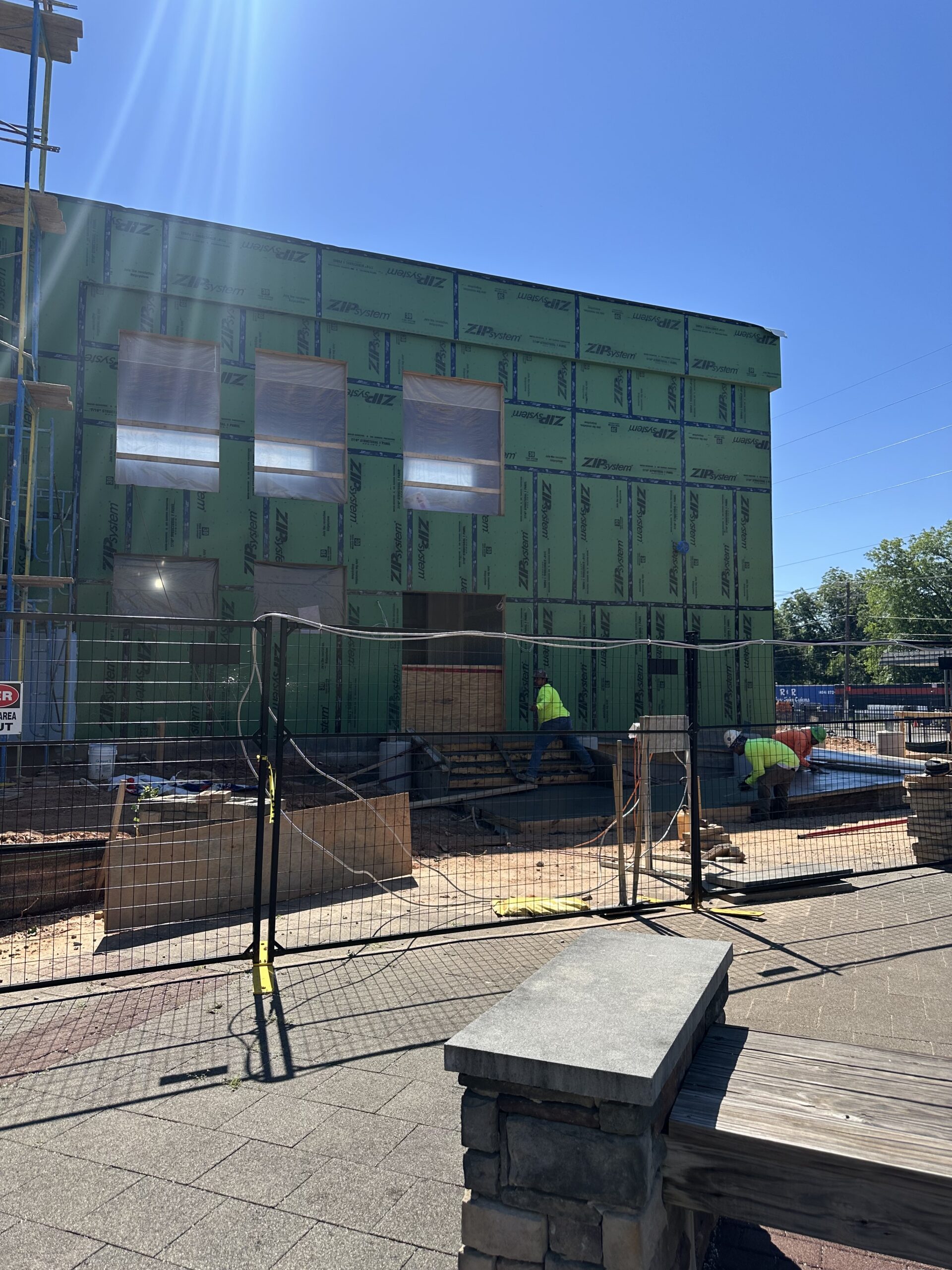
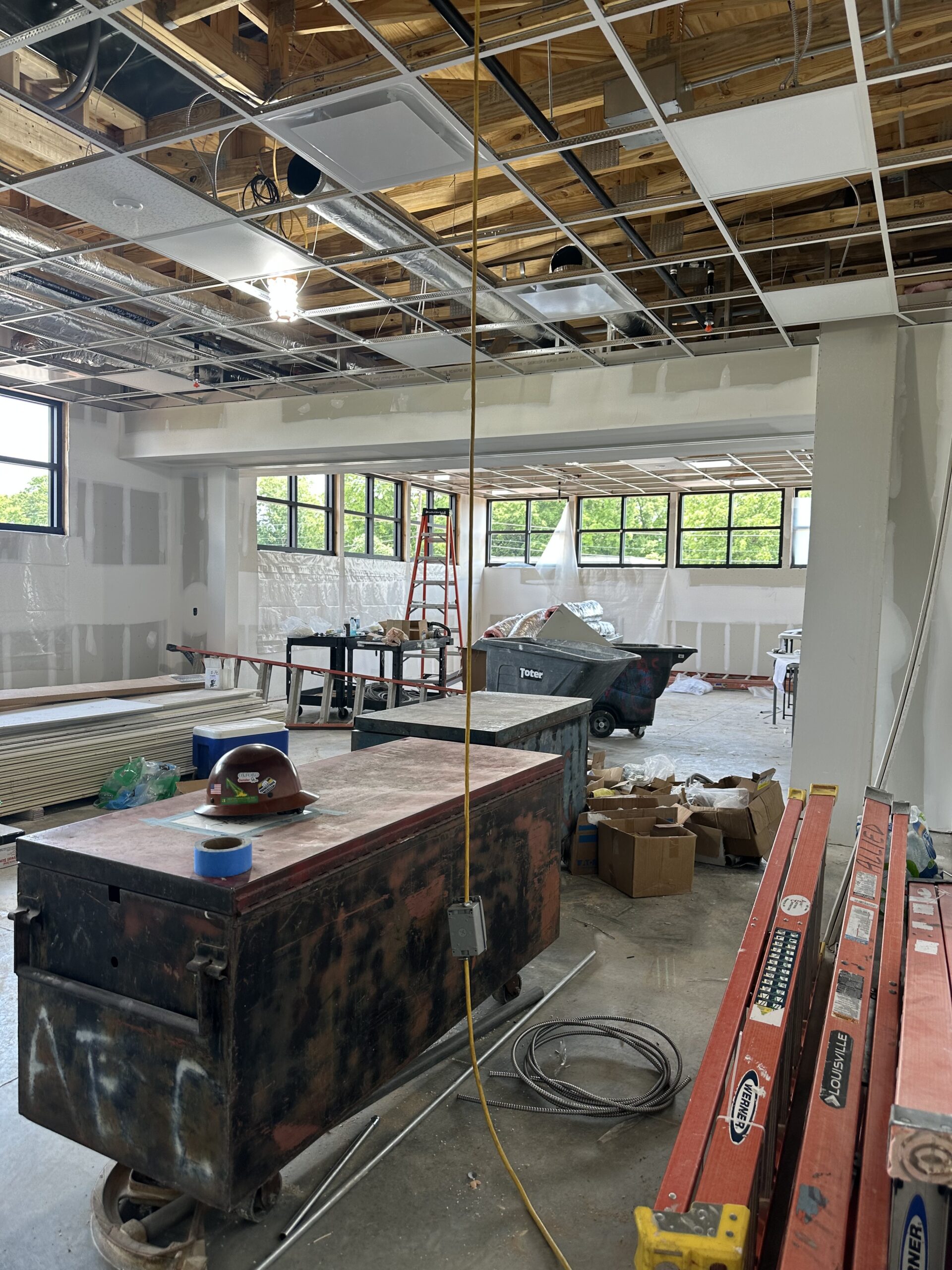
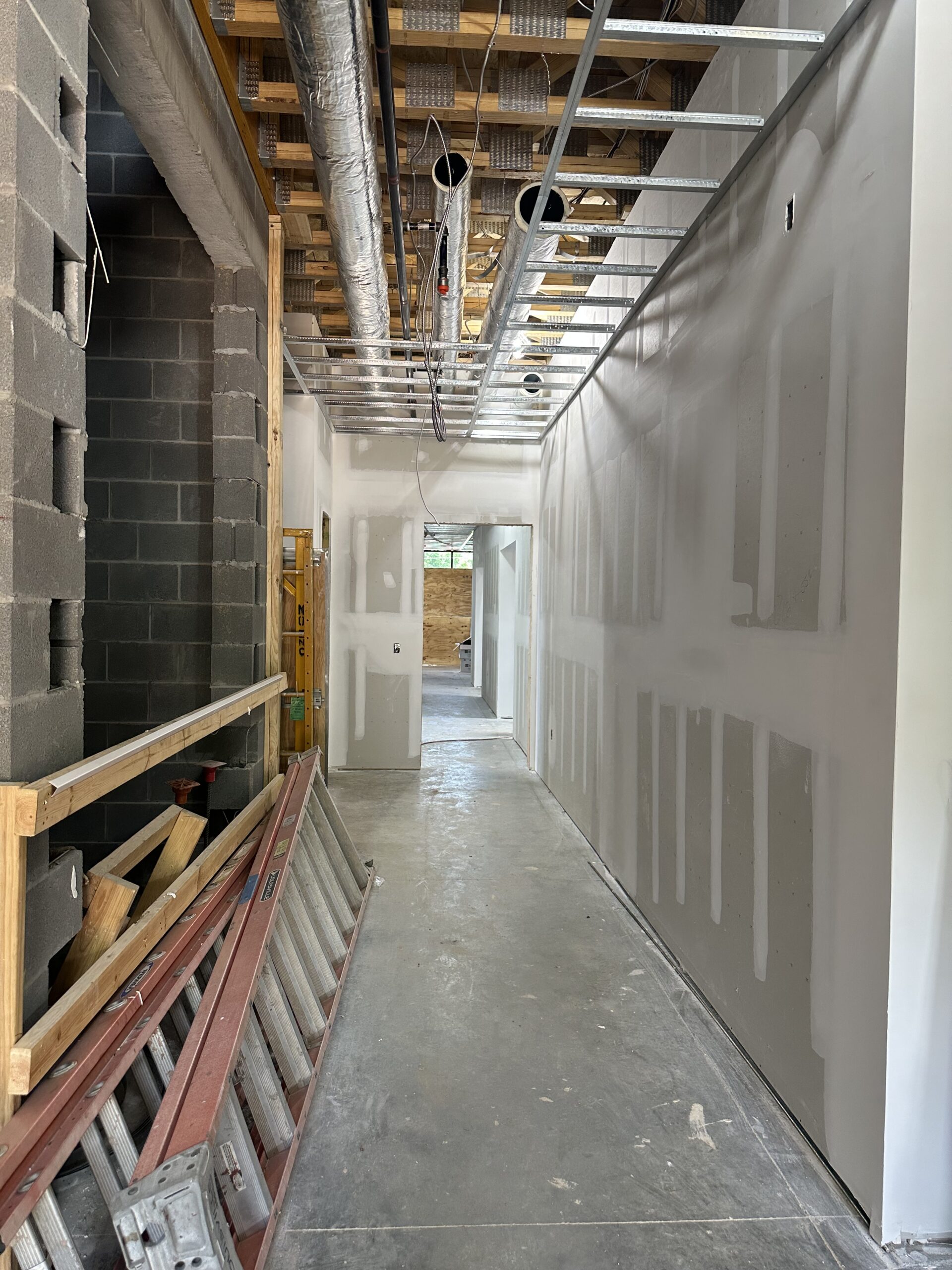
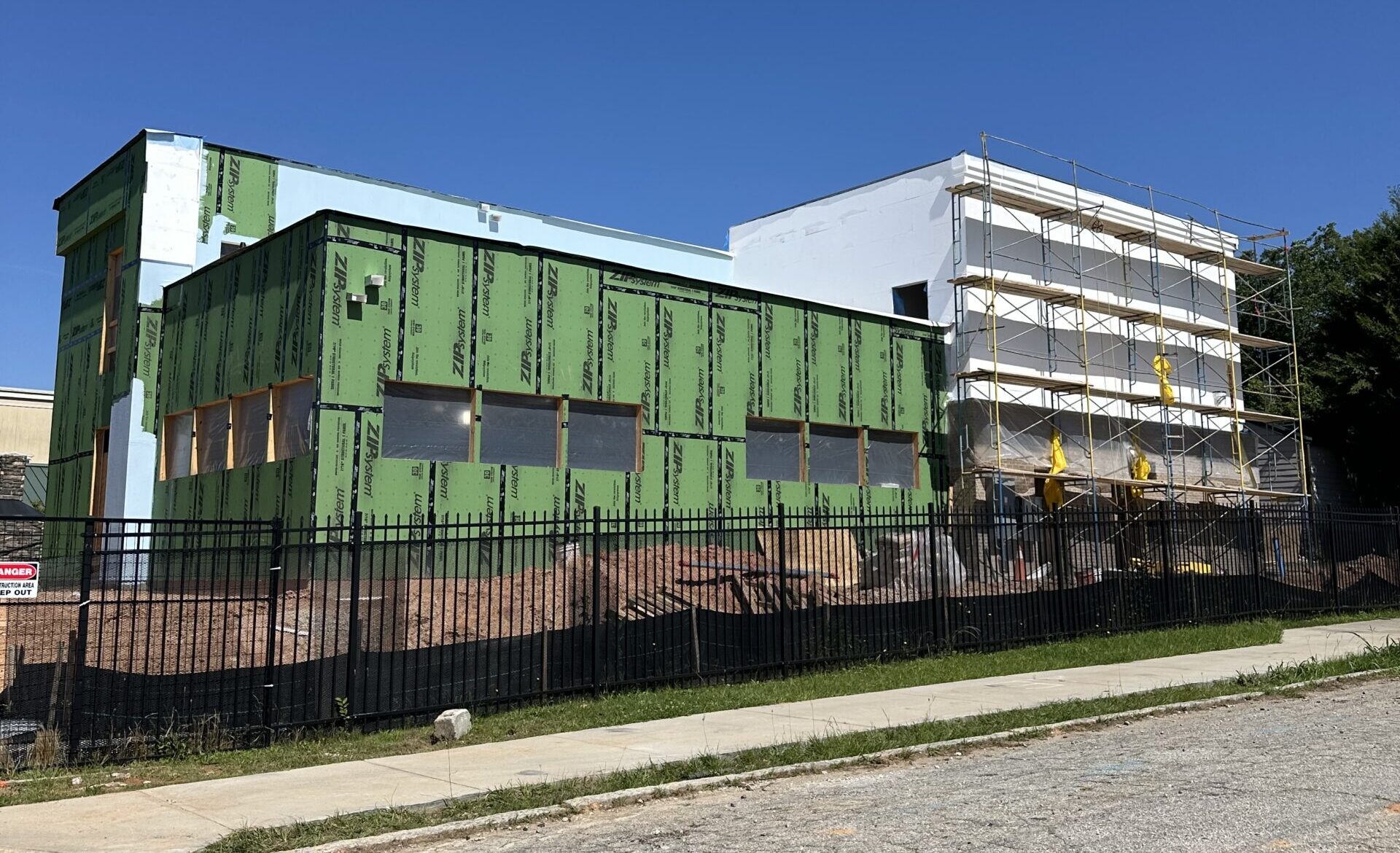
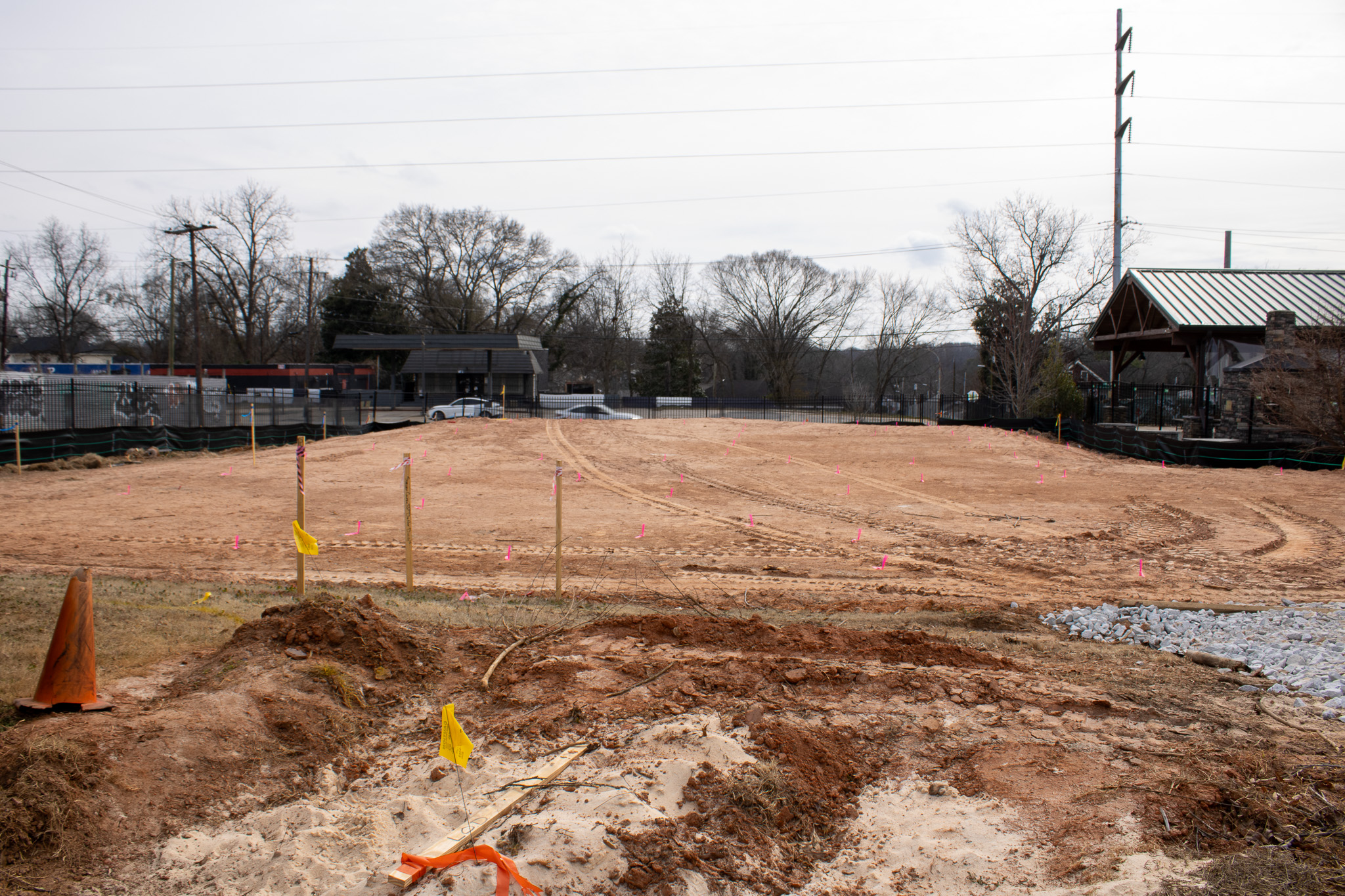
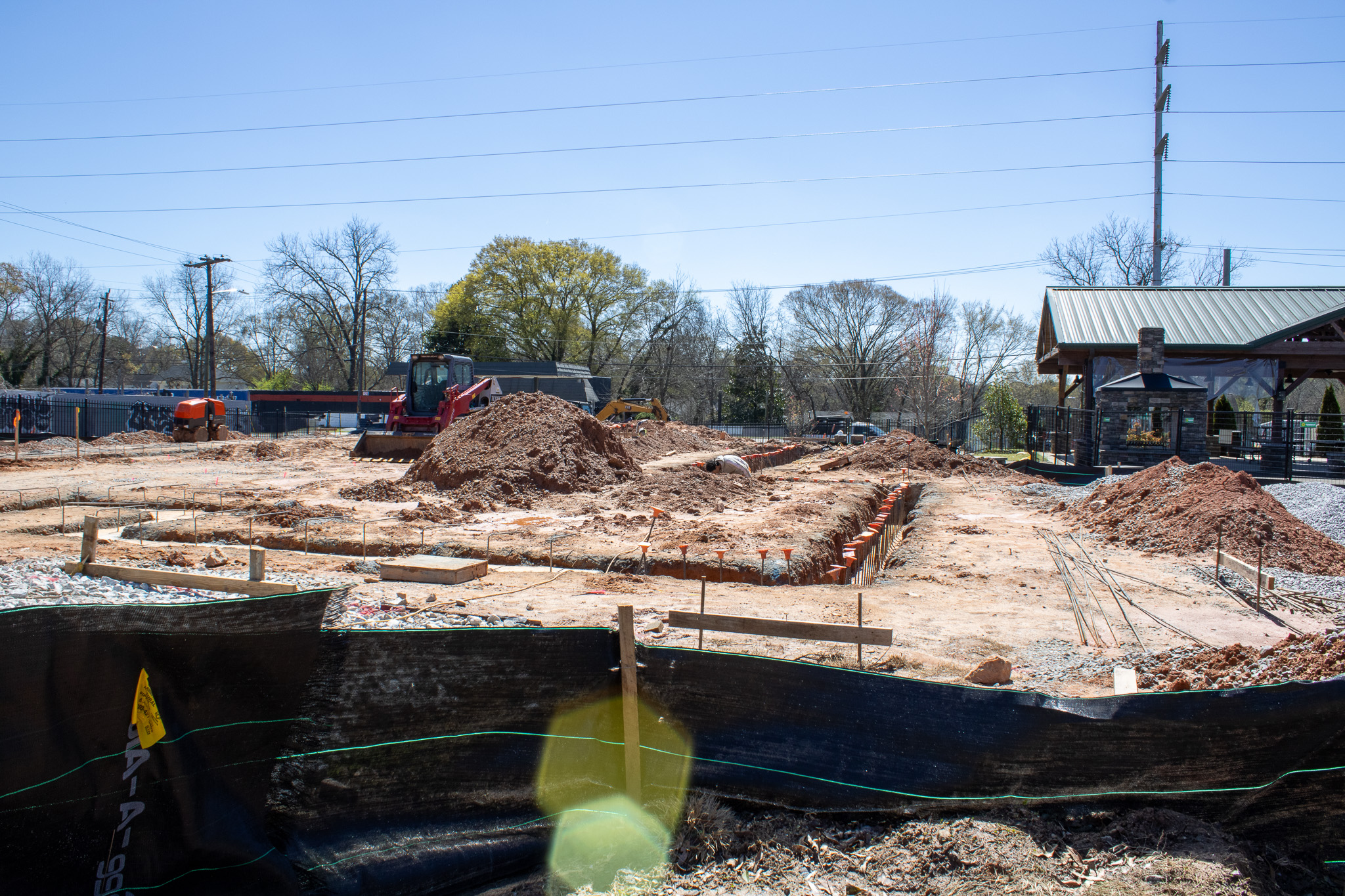
It’s begun. We are counting down the days until we can finally step into a fully constructed Community Wellness and Outreach Center. Even though it feels like our last update was both one year ago and just yesterday, your last look at this project was in early April when the grass had been cleared away and that corner lot was nothing but dirt. Slowly, machinery arrived, materials were delivered, and the fence went back up, signaling the start of something big that we had been waiting to see for months. Then the crew began lifting the earth and preparing to pour the concrete that would become our new foundation, and piece by piece the idea of a new building started becoming real. Now we are halfway through June and that once grassy corner filled with hope for an expanded Good Sam looks completely different in the best way. The walls are up, pathways are in place, and the inside is truly beginning to take shape. Each day you step outside or glance through the windows facing that corner lot and you notice something new. Steps appear, window frames go in, bricks stack higher, and every time you look over it feels a little like a magic trick because the building always looks just a bit different, sometimes even very different, like a real-life game of Where’s Waldo.
Throughout this process, whenever visitors stopped by and we shared that the building would be done by the end of June, they always reacted the same way: “No way. Maybe June of next year, but how will this be finished so soon.” We asked ourselves the same questions, but we trusted the process and everything has continued moving forward beautifully. So well, in fact, that we are already looking forward to welcoming everyone into this new space in late August or early September. Good Sam always has something exciting happening, but this project feels especially meaningful. We cannot wait to walk through this new building and welcome in all those who made it possible and hopefully share this success with new individuals who want to support the work of being Here for Good. At the end of the day, that is what this entire project represents. It represents a stronger and steadier Good Sam, one that will continue serving our community for years to come and ensuring that everyone has access to the care they need.
Tiffany Loredo
Marketing and Communications Manager
Good Samaritan Health Center
A Year in 24 Pages
May 15, 2026
Do you hear that? The soft thump of annual reports landing in mailboxes. Very soon, our 2025 Annual Report will be in the hands of our incredible supporters, ready to be read, shared, and reflected on. I’m not sure if you’ve ever thought about this, I certainly hadn’t before I started making them, but have you ever wondered what actually goes into creating an Annual Report? It’s one of those things that seems simple from the outside, but once you’re in the middle of it, you realize just how much heart, coordination, and storytelling it takes to capture an entire year of impact.
Creating this year’s report was something I genuinely looked forward to. Each year brings new stories to highlight and new organizational milestones to share, but when I sat down to plan this one, I had to pause. The year felt like it flew by in the blink of an eye, and on the surface, it almost seemed like nothing had changed. But that was just time playing a trick on us. In reality, a lot changed at Good Sam, some changes were joyful, some were challenging, and all of them shaped a year filled with resilience, growth, and hope. What looked like a blur from a distance was actually a year of deep movement beneath the surface, and by the end of it, we found ourselves standing in a place of gratitude for what we accomplished together and anticipation for what’s ahead.
The process of producing an Annual Report is its own journey. It starts with brainstorming themes and directions, then gathering stories, reaching out for content, collecting photos and data, refining the narrative, and weaving everything together into a cohesive story. It’s not quick or simple. It’s 24 pages of diligent, thoughtful work, made possible by the entire Good Sam team, especially those who generously share their words, experiences, and perspectives. This project is never easy, but it is always rewarding. There’s something special about capturing a year exactly as it unfolded, through photos, graphics, and the voices of the people who live the mission every day.
This year’s report centers on Galatians 6: “Do not grow weary.” I drew inspiration from our CEO’s letter, which beautifully captured how 2025 felt: a year of patience, resilience, and hope. From new leadership to renovations and grand openings, from community fears shaped by political shifts to rising costs affecting everyone, 2025 showed us what it truly means to not grow weary. Through it all, deep community trust carried us. Togetherness carried us. And that togetherness led to strength, steady support from our community, and, most of all, a record‑breaking year of patient encounters. It was a year that asked a lot of us, but it also revealed just how much is possible when a community refuses to give up on one another.
This Annual Report is, at its heart, a letter to you, a reminder of what you make possible. Without you, there would be no us. Without you, we wouldn’t have been able to provide more than 43,000 patient encounters, complete much‑needed renovations, or keep our doors open through uncertainty. Some sections of the report lean into the challenges we faced, not to dwell on struggle, but to acknowledge that every year has peaks and valleys. For us, for our donors, and for our community. And yet, through every valley, your support helped us rise. This report is a celebration of that shared resilience, and a promise that we will continue showing up, serving, and growing together.
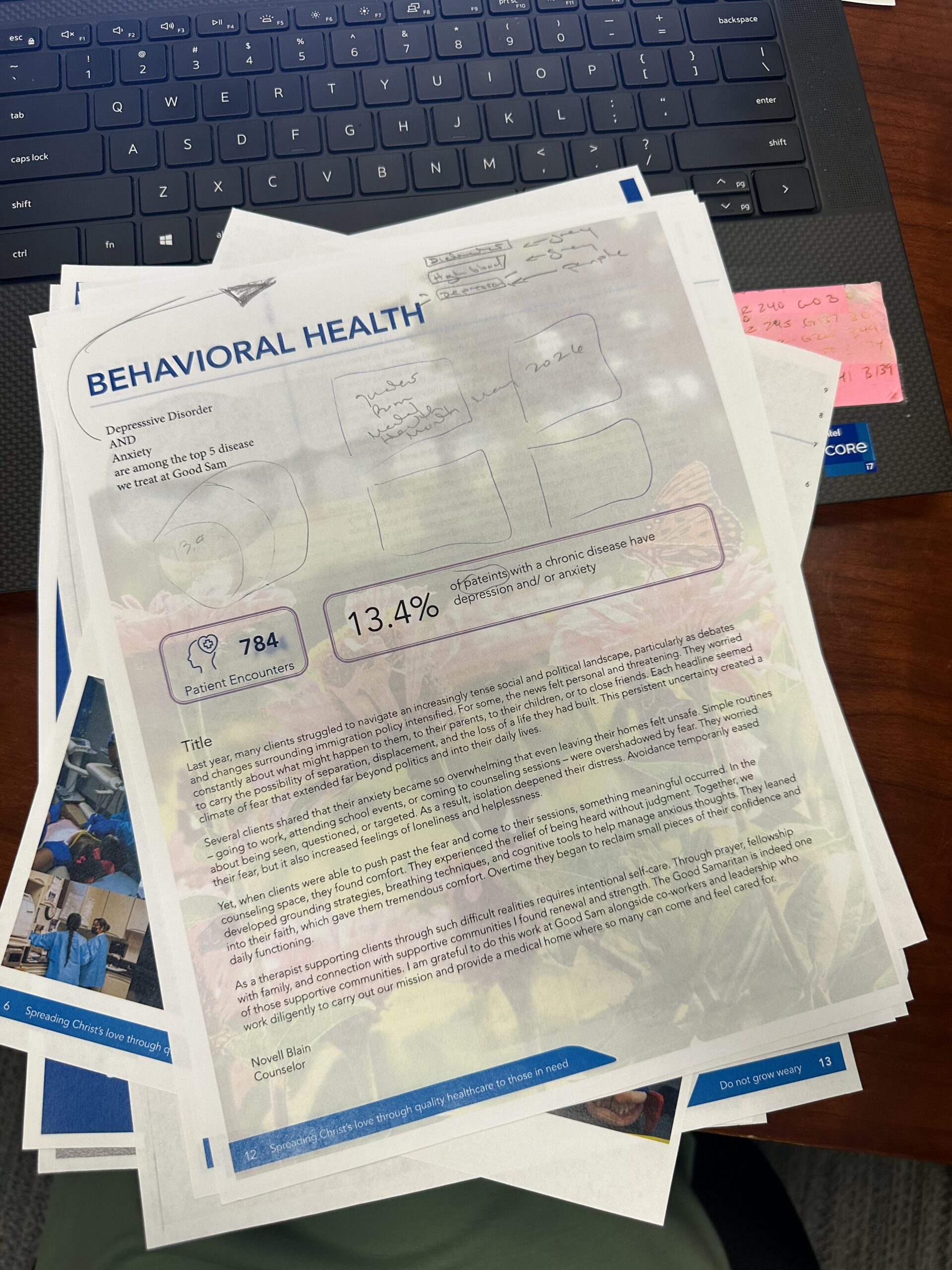
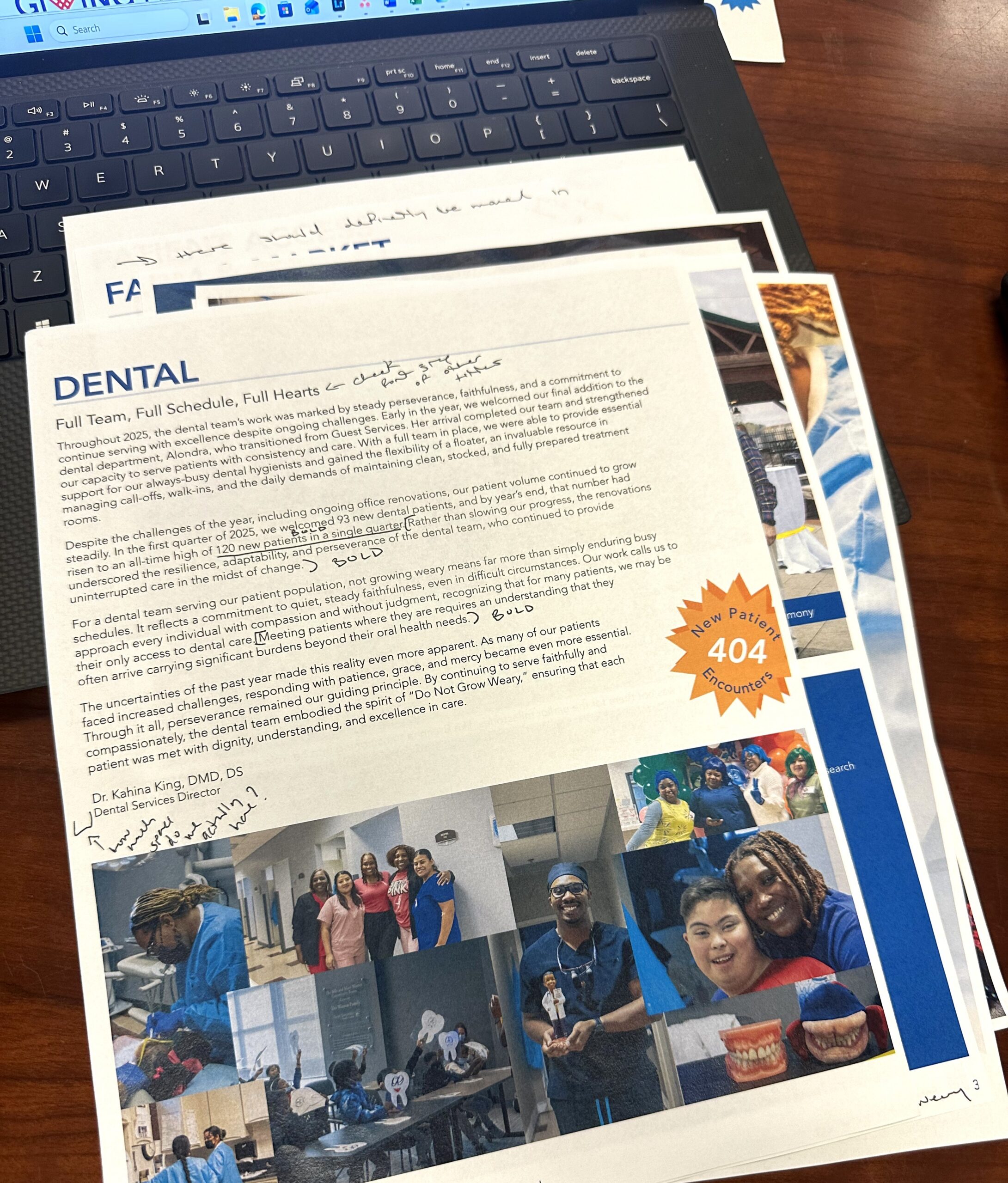
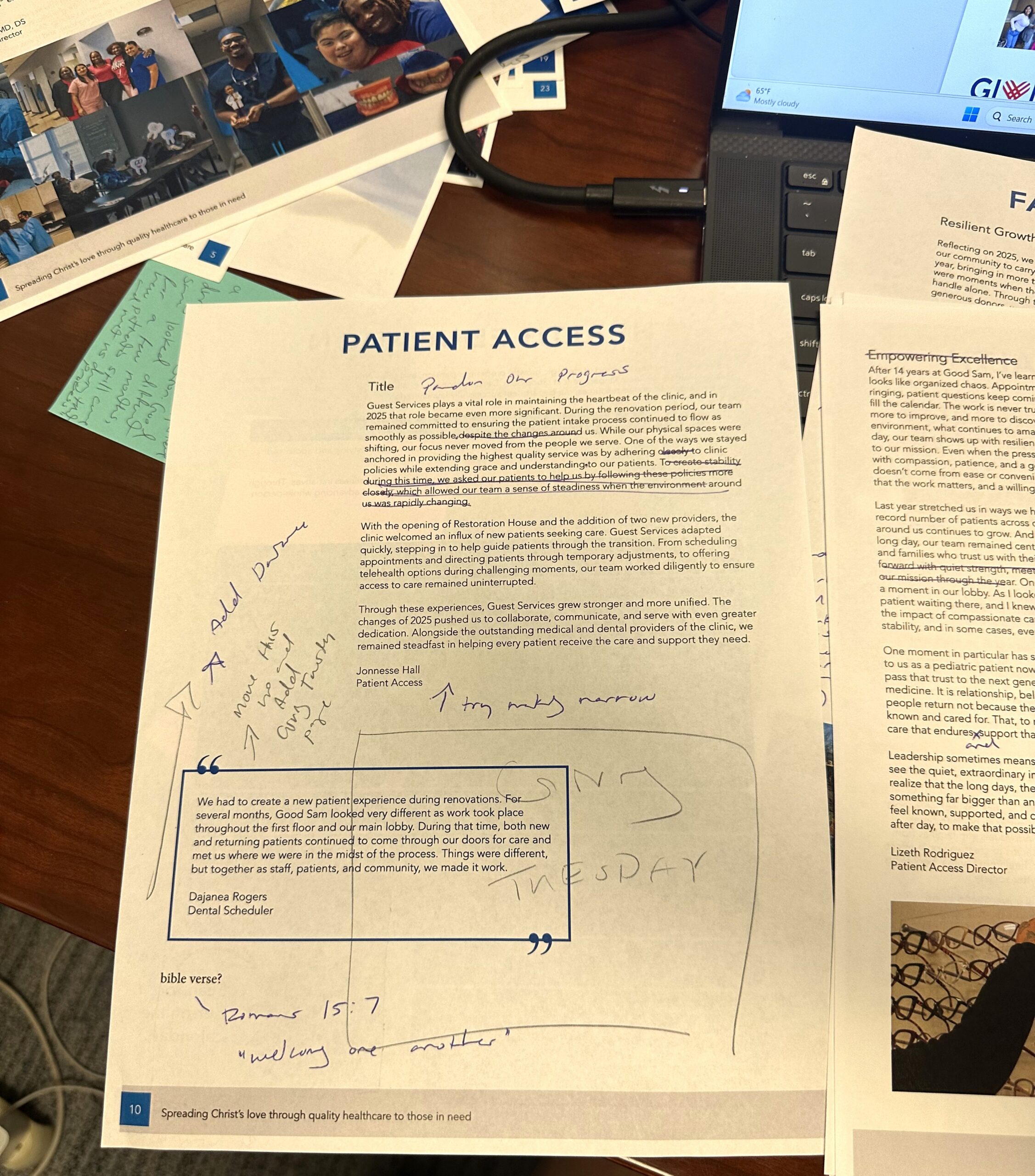
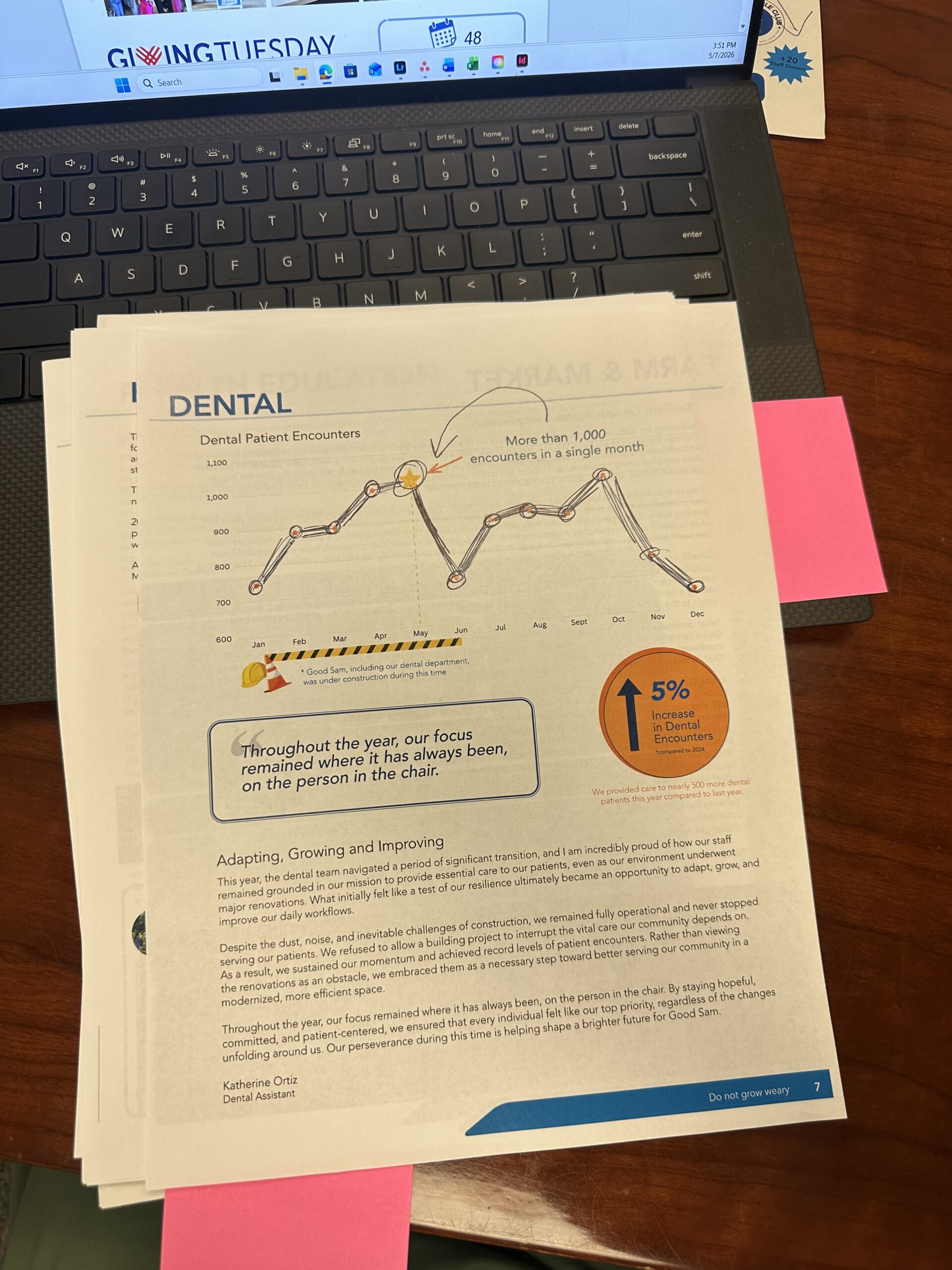
These images showcase some of the edits and rough drafts we had before finalizing our Annual Report.
Tiffany Loredo
Marketing and Communications Manager
Good Samaritan Health Center
Progress Blossoms at Good Sam
April 3, 2026
Happy April!
With the first quarter of 2026 officially behind us, we’re excited to share a construction progress update that many of you have undoubtedly been waiting for. After much planning, prayer, patience, and perseverance, it’s deeply meaningful to finally be able to report tangible movement on our Community Outreach & Wellness Building.
Since January, progress has unfolded steadily and visibly. In mid‑January, the first signs of change appeared as the site was officially marked and fencing was installed. By early February, the familiar green grass along the corner lot of campus was lifted, giving way to excavation and ground preparation. As February turned into March, large equipment moved in, and the building’s footprint became increasingly clear as foundation work began.
By the end of March, we reached a major milestone: the foundation was poured. With this achievement, the transition from groundwork to vertical construction is now underway, and walls will soon begin to rise. What once existed only as words on paper, architectural drawings, timelines, and many faithful prayers is now taking physical shape before our eyes.
This progress would not be possible without the commitment of our team and trusted construction partners, all while Good Sam continues to remain fully operational. Balancing patient care with active construction has required flexibility, communication, and grace and we are grateful for the dedication shown at every level. Thanks be to God, the project continues to move forward according to plan.
At this time, construction remains on track with a projected completion date in late June. While a grand opening date has not yet been set, we are hopeful to share a Save the Date in the coming months. Once complete, the Community Outreach & Wellness Building will be fully operational and open to both patients and the broader community before year’s end.
As the building continues to rise, it stands as a visible reminder of Good Sam’s enduring commitment of, “Spreading Christ’s love through quality healthcare to those in need”. Each step forward reflects not just construction progress, but a realized dream rooted in faith, sustained by community support, and guided by a longstanding vision to be Here for Good.
Thank you for continuing to walk alongside us, pray with us, and celebrate these milestones as they unfold. We look forward to sharing more updates in the months ahead.
Tiffany Loredo
Marketing and Communications Manager
Good Samaritan Health Center

Good Work, Good People, Good Sam
 This past Saturday, we had the joy of hosting another incredible volunteer group but this event felt uniquely meaningful. Not because it looked different from others, but because Bianca and I were able to jump in and volunteer side‑by‑side with everyone. We welcomed new friends from the Atlanta Kiwanis’ newly formed young professionals group for members under 40, Kiwanis U40.
Kiwanis U40 was created toward the end of 2025, and it’s already bringing together young professionals who want to serve Atlanta in purposeful, community‑centered ways. Bianca and I are proud to be founding members, helping shape this chapter from its earliest days and watching it grow with every meeting.
What made this volunteer day special for me was getting to serve in a way I rarely can. I’m usually the one leading tours, guiding groups to their stations, and making sure everything behind the scenes runs smoothly. This time, I got to roll up my sleeves and pack hygiene kits right alongside everyone else. Offering my time in a hands‑on way, rather than through my usual role, was refreshing and deeply meaningful. And since I wasn’t leading, I even ended up in front of the camera instead of behind it, which was a fun change of pace. 
The group showed up with generous donations for our hygiene kits, asked thoughtful questions about the Westside and Good Sam, and brought incredible energy to the work. In just 14 minutes, this small but mighty team assembled 120 hygiene kits filled with essentials like body wash, lotion, and toothpaste for our Friday patients. Their commitment to offering comfort and dignity to our neighbors was genuinely inspiring.
We’re grateful that Kiwanis U40 chose Good Sam for one of their earliest volunteer projects. Watching a brand‑new group show up with so much enthusiasm and intention made the day especially meaningful, and it’s exciting to see how quickly they’re building momentum in their first year.
A special shoutout goes to Emma Smith of Raymond James for sparking the idea for this young professionals group, and to Mike Skyrnecki, who continues to show up consistently and help it grow week after week. Helping build this new chapter of Kiwanis alongside Bianca has been an honor, and we can’t wait to see how it continues to evolve throughout 2026.
Tiffany Loredo
Marketing and Communications Manager
Good Samaritan Health Center
Little Smiles, Big Impact
February 6, 2026
 Happy February! This month brings many celebrations, from the joy of Valentine’s Day to the importance of Black History Month and it also gives us the chance to highlight a topic that deserves just as much attention: Children’s Dental Health. You might wonder why an entire month is dedicated to this. What began as a small, one day observance eventually grew into a nationwide, month long event because developing good oral health habits early in life truly sets children up for healthier futures. Strong teeth and gums don’t just happen; they’re built through consistent habits, education, and access to care. A full month of awareness allows communities and healthcare providers to focus on teaching families how to protect their children’s smiles.
At Good Samaritan Health Center, Children’s Dental Health Month is both educational and fun. Throughout February, and often throughout the year, our wonderful dental hygienists host events for school aged children to learn about “sugar bugs,” how snacks affect their teeth, and why brushing and flossing matter. Earlier this week, Latrica, one of our Registered Dental Hygienists, welcomed students from Create Your Dreams for an interactive presentation. While listening in and taking photos during the session, I couldn’t help but notice Latrica’s light, bubbly personality,something she undoubtedly brings to every patient she cares for. That same bright energy filled the room and had our young visitors practically springing out of their seats, eager to raise their hands and answer her questions. It was a perfect reminder of how a joyful educator can turn learning into something kids genuinely want to be part of.
In 2025, Good Sam provided 436 pediatric dental encounters. While this number is smaller compared to our overall patient visits, it reflects a service we are committed to growing. We want families to know that their children can receive both medical and dental care here. When families check in for dental appointments, they’re greeted with a flyer outlining the insurance plans we currently accept for pediatric dental patients. At this time, we accept Georgia Medicaid, CareSource, DentaQuest, and Peach State Health Plan. Our goal is to make dental care accessible, welcoming, and easy for every child who walks through our doors.
Tiffany Loredo
Marketing and Communications Manager
Good Samaritan Health Center
Looking Back with Gratitude, Moving Forward with Momentum
Happy New Year! It’s hard to believe we’re already a month into 2026. Even in these first few weeks, there’s been so much to celebrate and so much movement happening across Good Sam.
Our construction crew has been busy tending to the small but meaningful details in our downstairs spaces, smoothing out the lobby, refreshing the pharmacy area, and preparing the ground outside for what comes next. And what does come next? Something big.
We’re officially stepping into the next phase of our Community Outreach & Wellness Building! This space isn’t just a new structure; it’s a promise. A promise of expanded resources, deeper community connection, and more opportunities for health education and healthy living. It will give our farm and market team the room and workflow they need to bring fresh, nourishing food from farm to market to families with greater ease. It’s an investment in the future of Good Sam and in the people we serve every single day. 
Last year brought its share of behind-the-scenes delays, but this year feels different. This year, we’re watching the ground break, the dirt lift, and the vision we’ve held onto finally rise into reality. There’s an energy at Good Sam that’s hard to miss, a sense that something meaningful is taking shape.
And speaking of meaningful: 2025 was a milestone year for patient encounters. With new providers joining our team and expanded services through the opening of Good Sam at Restoration House, we reached 43,388 encounters up from 36,827 in 2024. These numbers aren’t just statistics; they’re stories, families, and moments of care that we’re honored to be part of.
We’re grateful, deeply grateful, to continue serving our community, especially in a time when political and economic uncertainty makes access to care more important than ever.
More details will be shared in our upcoming 2025 Annual Report, so keep an eye out. For now, we’re stepping boldly into this new year with hope, momentum, and a whole lot of gratitude.
Tiffany Loredo
Marketing and Communications Manager
Good Samaritan Health Center
“He’s psychotic. We can’t turn him away.”
There are many days where this work feels completely normal to me. Nothing particularly noteworthy happens as I go about my day in the Center. Patients make appointments, get seen by providers. Teeth get cleaned, cavities filled. Diseases get diagnosed, prescriptions get filled. Seeds get planted, produce grows. Fruits and vegetables go to the Market, shopping bags filled. People face challenges, we help them through. I actually consider this a tremendous blessing because it shows what’s possible when healthcare services are affordable and accessible to all. It doesn’t have to be dramatic or divisive, it can just be… normal.
However, this year I feel like I experienced a lot of more noteworthy days than in the past. The complex state of our nation and the seemingly daily changes and orders that trickled down into the lives of our staff, patients, and this organization required a level of quick responsiveness we haven’t needed in a while. And believe me, there’s nothing that happens at the federal level that doesn’t eventually land on the shoulders of the poor and marginalized. And if it affects our neighbors, it affects Good Sam.
I usually use these year-end blogs as a look back at all we have accomplished as an organization in 365 days. And I could certainly go on about the incredible success of opening up our fully operational satellite clinic at Restoration House and the 1000 unique patients we’ve seen there; or the beauty of our newly renovated front entrance and lobby and how we managed to stay open and serving patients throughout the entire construction process. I could exclaim the wonders of how we have managed to increase our total number of patient encounters by more than 12% over last year, providing quality care to more people in need! I could tell you of our responses to losing federal protections in case of ICE raids or when the government shut down and SNAP/EBT benefits paused for millions. But honestly, maybe in this year more than ever before, I think what we all need is a gospel reminder. The reminder that Jesus is near.
One challenging incident from this year, and the inspiration for this post, occurred when a man visited Good Sam, desperately seeking care and also outright refusing to adhere to our guidelines in order to receive it. He was angry, loud, and even violent. He threatened staff and other patients. Our guest services staff and security guard handled it graciously, but firmly. The man was told to leave and not return. A week later, he did return. His manner had calmed enough though that most staff didn’t recognize him. It wasn’t until he was headed toward the exam room that someone realized who it was and immediately came to find me. Emotions were running high, not just for the individual, but for the staff. Fear and fatigue had plagued our team much of the year to this point. Their reserves and seemingly endless grace frequently reached the dregs of what they could muster. I certainly did not blame them for their strong response to a man who had already threatened them being allowed to walk these sacred halls. I found Breanna and explained what was going on and that we needed to respond both with the individual and with the staff. That’s when she said “ultimately, he’s psychotic. We can’t turn him away.” I agreed and turned to go and talk with the staff members, while she went to speak with the patient. And in that instant, it hit me: where else in the world would those two sentences be uttered consecutively?
Maybe, “he’s psychotic, call the cops!”
Or, “he’s psychotic, hide!”
Probably, “he’s psychotic, don’t engage.”
Our strange or backward response in this moment struck me as a picture of the upside-down Kingdom Jesus came to proclaim. What the world values, God does not. The least are first. We are here to serve. What we have been given, we give away. At Good Sam we give health and healing, understanding and forgiveness, compassion. And on this emotionally charged day, we offered this man the treatment he needed for his mind and the grace he didn’t necessarily deserve. Our staff members took a deep breath, reminded themselves of their individual reasons for working here, and provided him care. As he was able to de-escalate and receive our care, he offered more of his traumatic story and the desperation that pushed him past acceptable behavior, then he sincerely apologized.
This story could have had any number of other endings. Walking alongside Jesus in His redemptive work doesn’t guarantee a positive outcome in the moment, but it does promise victory in the end. That’s a promise we hold onto every day, but especially on the hard ones. I’m extremely grateful that this is my “normal” and that it’s a normal we get to offer thousands of people every year. It’s only possible because of the financial gifts of so many generous people who believe in caring for the sick and those on the margins. Thank you for your support and for the good it makes possible!
To God be the glory forever and ever,
Heather Kersey
Chief Development Officer
Good Samaritan Health Center
*This post has its own page now! Click here to share it.
Five years ago, I walked through the doors of Good Sam ready to work part-time in triage. I was wide-eyed, curious, and eager to learn. What I didn’t expect was how deeply I’d be shaped by the people I met, the stories I heard, and the quiet power of showing up week after week. From 2020 to 2023, nearly every Friday became part of my rhythm. School during the week, Good Sam on the weekends. Fridays weren’t just clinic days. They were my escape. A place where I could step out of textbooks and into real life. I got to know our patients not just by their symptoms but by their stories. I saw how a conversation with a provider could spark hope. How a warm greeting, a listening ear, or a moment of patience could make someone feel seen.
I watched people get healthier. Physically, emotionally, spiritually. I saw them return stronger, more confident, more whole. And yes, there were hard days too. Days when someone walked in carrying the weight of the world. Days when they came in one version of themselves and left just a little lighter. Days when the kindest thing I could do was slow down, listen, and remind someone that they mattered. That’s what our Friday Clinic is about. It’s not just a place for healthcare. It’s a place for dignity, connection, and healing. We offer medical, dental, mental health counseling, prescriptions, hygiene kits, and more, all completely free of charge for people experiencing homelessness. It costs more than $500,000 a year to run, and every dollar is worth it.
This year, as we prepare for Giving Tuesday, we’re aiming to raise $50,000 to keep this program going strong through 2026. Giving Tuesday is one of the biggest fundraising days of the year for Good Sam. It’s a chance for our community to rally around something that truly matters. And if this year has taught us anything, it’s that resilience lives here.
During the recent government shutdown, we saw how quickly systems like SNAP and food access could be disrupted. But we also saw how quickly our community responded. Donors reached out. Teams brainstormed. A food access resource list appeared almost overnight, though we know it took time and care to pull together. It was created by student interns who chose to use their time, even during finals season, to help our community. We redirected food donations that would have gone to other nonprofits and placed them in our own downstairs pantry, making sure our families had what they needed.
What you saw on social media was just the tip of the iceberg. Behind the scenes, every team at Good Sam was asking the same question: how do we make sure our patients feel seen, supported, and heard? And they did. We did. That’s why we keep the lights on. That’s why we show up on Fridays, during shutdowns, during COVID, during construction, and on Giving Tuesday. Care should never be conditional. Dignity should never be delayed. And hope should never have to wait.
This Giving Tuesday, we invite you to be part of that hope. Help us reach our $50,000 goal. Help us keep the clinic open. Help us keep showing up. Because when the world feels uncertain, Good Sam remains a place of certainty. A place where people are treated like people. A place where healing begins.
Early giving has already started, and we’d love for you to help us #GiveGoodFridays in 2026. Give today at www.gagives.org/organization/Good-Samaritan-Health-Center
Tiffany Loredo
Marketing and Communications Coordinator
Good Samaritan Health Center
Help Us Keep Friday Clinic Thriving!
Your donation ensures people experiencing homelessness continue receiving free, compassionate healthcare.
 Earlier this month, I had the honor of serving as a panelist for the first annual Ring the Alarm Youth Prevention Summit at Covenant Community Inc. Being back at CCI was such a full-circle moment for me because this place was my first job out of college. In 2019, CCI had been around for about 25 years, yet had very little online presence. I was hired as one of the Social Media Coordinators through the AmeriCorps program and had a part in building their platforms to help share the great work being done at this nonprofit organization. I absolutely loved working at CCI; it’s where I first fell in love with purpose-driven and mission-led work.
Fast forward to a few months ago, a former CCI coworker reached out and asked if I’d be interested in being a panelist for the Ring the Alarm Youth Prevention Summit. Although I was initially hesitant, I agreed, not fully knowing what I was committing to. I’m so glad I was part of this special day. The summit addressed some of the urgent challenges that many young adults face in Atlanta, including trauma, mental health disparities, substance abuse, and limited access to care. As a panelist, I had the opportunity to share my mental health journey and answer questions from audience members about how I navigate the challenges it brings. Although I’ve written quite a few articles and blog posts on the topic of mental health, this was my first time actually speaking about it on a public platform. Leading up to the event, I was extremely nervous--mostly about how I’d be perceived once I shared some of the things I’ve struggled with. But once the event started, I quickly realized that the purpose of the summit was much bigger than me.
This was a chance not only to share my experiences, but also to be reminded of the importance of community. The other panelists and audience members really opened my eyes and reminded me that no one is ever alone in their journey with something they may struggle with. There are many challenges, diseases, and diagnoses that plague so many of Atlanta’s youth. I learned that mental health disorders and substance use disorders often occur together—most young adults with mental health disorders are at a significantly higher risk for developing substance use disorders, and vice versa. While exact local statistics on the overlap are limited, these co-occurring challenges are a significant issue in Atlanta. I’ll admit, it wasn’t until this event that I learned how often mental illness and substance abuse go hand in hand. The good news is, there are a number of resources available to those who may be struggling, whether it’s substance abuse, mental illness, or something else.
I understand that diseases, diagnoses, and lack of access to care go far beyond our everyday circumstances. There’s so much to be done at the local, state, and national levels through policy, programming, and even funding, but I truly believe that everyone deserves access and assistance for whatever they may be facing. I’m forever grateful for this opportunity and pray that my small role on this day helps push the conversation forward around mental health and more.
Bianca Long
Development Coordinator
Good Samaritan Health Center
According to the National Institute of Mental Health, nearly 1 in 5 adults in the United States lives with a mental illness. If you do the quick math, that’s 59 million people, an absolute staggering number. There was a time when mental illness was considered rare, but after learning of these numbers, it’s obvious that mental illness isn’t rare at all. So why do we treat it like it is? 
I have a few thoughts…
To start, I believe that many people who are struggling are often afraid to talk about their mental health out of fear of judgment from others. For me, I know when I first received my diagnosis, it was so difficult for me to open up about it because I was afraid of being labeled “crazy” or “unstable”. It was also difficult for me because, unlike physical illnesses, mental illness isn’t something you can see…which can make it very difficult for you to describe what’s going on in your head.
Another reason I believe we treat mental illness as something that is so rare is because of its stigma, particularly in communities of people of color. In these spaces, mental illness is often seen as a sign of weakness or lack of a relationship with God. I’ll be the first to admit, I grew up having these exact same sentiments etched into my brain. However, I have come to learn that asking for help is actually a sign of strength, and God can work through medicine, therapy, and resources.
I also believe that mental illnesses are often perceived as rare because of how they are portrayed in the media. Frequently, when we turn on the television or scroll through social media, we are exposed to mental illness only in its most extreme or sensationalized forms, which reinforces the misconception that these conditions are unusual or dramatic. In reality, diagnoses such as anxiety and depression are incredibly common, yet they receive far less attention in mainstream media coverage, contributing to a fictional understanding of how widespread mental health challenges truly are.
Even though millions of adults experience mental illness each year, many never receive formal diagnoses or treatment, which also creates the illusion that these conditions are rare. This disconnect is largely driven by systemic barriers that limit access to care. Shortage of mental health providers, lack of widespread education about symptoms and treatment options, as well as making sure those resources are rooted in experiences that are unique to people of color.
During my time at Good Sam and as a current MPH student, I’ve come to recognize the great need for expanded access to mental health services, greater public awareness, and courageous individuals willing to have open and honest conversations, ensuring that this critical dialogue continues.
I have been able to attend therapy regularly, take medication, and have a great support system that includes my family, friends, and doctors, all of which help me manage my mental health diagnosis. However, I realize that I am extremely fortunate to have these resources, as that is not the reality for so many in America.
Exercising, listening to music, and hanging out with my friends are all a part of managing my mental health diagnosis, but overall, what has helped me the most has been sharing my story with others. It helps me realize that I am not alone in my journey. My prayer is that open conversations about mental health become so common that mental illness is no longer seen as rare or unusual.
Bianca Long
Development Coordinator
Good Samaritan Health Center
What happens when cultural pride meets mental health stigma? For many in the Hispanic community, it’s a delicate dance between tradition and healing.
This blog post came to mind as we celebrate Hispanic Heritage Month and prepare for Mental Illness Awareness Week next week. It’s a unique moment to reflect on how these two themes intersect and why that matters.
Not too long ago, I saw a snippet from a comedy skit that touched on family values and personal health. In the scene, a son visits his mom and aunt, bringing his girlfriend along. At one point, the girlfriend mentions that she’s helping her boyfriend manage his depression. The mom quickly responds, “My son does not have depression. He just likes the dark.”
It was funny and painfully real. That line stung a little because it reflects a belief still held in many Hispanic households.
So, what does mental health look like for people from this background? What unique barriers do they face?
A 2020 study estimated that 7.7 million Hispanic people over the age of 12 in the U.S. experienced symptoms of mental illness, yet only 35.1% received any treatment. Compare that to the national average of 46.2%, and you start to see the gaps. These barriers range from language and poverty to limited health insurance coverage and stigma.
Speaking with a mental health provider can be difficult for anyone. These are heavy topics. But that difficulty is only amplified when there’s a language barrier between patient and provider. Cost is another factor: 17% of Hispanic/Latinx people in the U.S. live in poverty, and poverty itself increases the risk of mental illness.
Then there’s stigma. The very words our loved ones say, like in that skit, can stop someone from seeking care or even acknowledging that care is needed. Stigma can lead to a lack of information about symptoms, treatment options, or where to go for help. And without that knowledge, many never seek care at all.
While we can’t erase these barriers overnight, we can choose to meet patients and families where they are. Being culturally and linguistically competent improves patient interactions and outcomes. Having interpreters present during care isn’t just a kindness; it’s essential. Understanding culturally specific phrases can prevent misdiagnosis and unnecessary treatment. Because sometimes, there just isn’t a direct translation from Spanish to English or vice versa.
So don’t be like the mom in that skit. Let’s stop making mental health care a taboo subject. Let’s talk about it, normalize it, and make space for healing.
If you or someone you know is experiencing a mental health crisis, help is available. Call 988 or text HOME to 741741 for immediate support. For assistance in Spanish, text AYUDA to either number to connect with a Spanish-speaking counselor.
Tiffany Loredo
Marketing and Communications Coordinator
Good Samaritan Health Center
“Why do you work here?” A student once asked me that during a tour of Good Sam. I smiled, knowing the answer was simple, and deeply personal.
This Hispanic Heritage Month, I want to share a piece of my story. Most of you know me as the person behind these blog posts or the one managing our social media. But there’s more to me than that. I’m a proud First-Gen Mexican American professional. To be where I am today is no small feat. It hasn’t been an easy journey, but it’s always been the one I was meant to walk.
It’s a journey I share with so many others who’ve been the first in their families to take meaningful, sometimes nerve-wracking steps toward an unknown future, driven by hope, grit, and the promise of something brighter. That’s exactly what Hispanic Heritage Month celebrates: the vibrant cultures, resilient communities, and powerful contributions that have shaped not just our neighborhoods, but America itself.
 Growing up in Atlanta, I witnessed the shifting tides of our communities. I saw diversity in all its forms, racial, cultural, socioeconomic, and I learned early on that education was our way forward. My parents believed in it deeply and instilled that belief in us. Today, they beam with pride knowing they have two college graduates and one more on the way. And I beam with pride knowing our degrees are not just ours, they’re the result of their sacrifices, their resilience, and their unwavering love.
Now, five years into working at Good Sam, I sometimes forget how nervous and unprepared I felt for my interview. I forget the weight of being the first in my family to step into a professional space like this. I forget just how much sacrifice it took to get me here. But every time I see a student walk through our doors, I remember.
We occasionally host high school students from Westminster for Spanish-language tours. One of my favorite questions I get asked is: “Why do you work here?” The answer is simple, and profound. I work here because I believe in our mission. But more than that, I work here because this community built me.
I am Mexican-American. I am a native of Atlanta. The community we serve is the community I was born into. The struggles our patients face, language barriers, access to care, economic hardship, are struggles my family has faced.
I still remember being 12 years old, standing in line at the cable company to help my uncle resolve an issue, because he needed someone to translate. I still go to doctor’s appointments with my mom to help her understand everything her provider says. Thankfully, at Good Sam, language isn’t as much of a barrier. But in other places, it still is.
Just two years ago, my mom experienced severe shoulder pain and needed steroid injections. Imagine the fear of seeing a new doctor, undergoing a scary procedure, and on top of that, having to navigate it all in a language that isn’t your own. It was frightening for her. Being able to bridge that language gap, even in a small way, gave her peace of mind. That kind of worry, of not being understood, is something no one should have to carry.
All of this is to say: the stories of our patients are not so different from mine. Their lives mirror the life I’ve lived, and the lives of my family. We share community. And that’s what makes me feel called to be part of the work we do here at Good Sam.
Every day I walk through these doors, I’m reminded that representation matters. That our stories matter. That being first-gen doesn’t mean being alone, it means being the first of many.
Tiffany Loredo
Marketing and Communications Coordinator
Good Samaritan Health Center
Last week, our staff gathered at Café Momentum to celebrate 10 years of our Friday Clinic. Each Friday, we hold a walk-in, fully integrated clinic to serve people experiencing homelessness. Fridays are my favorite day of the week and it was an honor to celebrate with the people who make that clinic possible each week.
Nearly 11 years ago, a group of staff, volunteers, and community partners started having conversations about health care for people experiencing homelessness. We kept asking the question, “are people getting the care they need?” While we learned of other health care organizations serving this community well, barriers to access persistent. Community advocates spoke about the challenge for keeping appointments in advance and arriving on time. They spoke of how difficult it was to have to keep track of multiple visits on different days to receive mental health and primary care. We learned that people didn’t see the value of even free care if there was no option to afford the treatment or medication recommended. It made perfect sense and yet the solutions felt far beyond the bounds are healthcare as we knew it.
 In response to our learning, we piloted a walk-in clinic one Friday in August. Staff donated to provide the first shipment of medication so that patients could leave with any medicine they needed. I saw patients that day alongside a volunteer primary care provider and Dr. Boswell, our amazing volunteer psychiatrist. I still remember the three patients I saw that day. One left yelling at us and I wondered if she would ever come back (she did); another told me a story of spending years on death row following a murder conviction and I wondered if that story was at all true (it was); and one was a diabetic in desperate need of insulin but had nowhere to store it and I asked myself if it’s possible to use insulin when you are sleeping outside (it is). Of these three original patients, one remains an active patient a decade later, one was a regular patient until his death last year at the age of 86, and one spent 6 months with us until he transitioned into permanent housing.
By then end of 2016, Friday clinic incorporated primary care, dental, and mental health and had grown to every Friday. We continue to add services from case management and housing partnerships to care packages and lunch. Since that first clinic, we have cared for 2807 unique patients referred from shelters, ministries, churches, and agencies throughout the metro region. Most incredibly, nearly two thirds of patients seen on Fridays return for ongoing care. In 2019, with the help of some academic partners, we interviewed 20 patients to understand why they returned to Good Samaritan. Several themes emerged from this study. People said they returned because their lack of housing impacted their health and they experienced improvements in their health. They spoke of the comprehensive services and the ability to see multiple providers in the same way. They spoke of being treated with respect and dignity. However, the last two themes were those that took me most by surprise. Patients talked about how staff members had become like family and friends to them and how they experience the presence of God at Good Samaritan.
While it would be easy to tell only a story of success, I want to acknowledge that this decade of work has also been very hard. We have been on a constant journey of learning as we understand the housing landscape in Atlanta and our role in helping people access the help they need. We navigated the closure of Peachtree Pine shelter where many of our patients were staying and remained open throughout the COVID-19 pandemic. The Good Sam staff have managed constant change and taken on roles outside of their traditional job descriptions. Most importantly, they have held the trauma of our patients’ stories and lived experience and found hope and compassion over and over again.
While challenging, working each Friday is also an incredible gift. Each week, I see the best of humanity from our staff and volunteers to the organizations who partner with us to the grace, compassion, and resiliency shown by our patients. We are reminded that issues like poverty, homelessness and illness are our burden to share and that none of us are ever far from experiencing these traumas. Our certified peer specialist, Marcia, once told me that she would remove her shoes at the clinic because she was on holy ground. I think of that every single Friday. Psalm 34:18 says “The Lord is close to the brokenhearted; he saves those whose spirits are crushed.” It is holy ground.
I am deeply thankful for the many who make Friday clinic possible. To our donors whose gifts allow us to provide free services; to our partners for trusting us with your friends, neighbors, and clients; to our patients who share their lives with us in ways that model grace and resiliency. But most of all, I am thankful for our team of staff and volunteers who have served, given, and loved. May you continue to love even when it is hard. In the words of one of our patients:
“I was able to sit down with my doctor, who has become a friend. Who has looked at me not as a broken man, not as a homeless man, but as a human being.”
We cannot fix everything. Alone, we will never be enough for the trauma and hardship facing our patients. But we can always love them, we can always choose to see them not as the world has labeled them, but as God sees them: whole and worthy.
Breanna Lathrop
Chief Executive Officer
Good Samaritan Health Center
August is National Wellness Awareness Month, and at Good Samaritan Health Center, we’re not just recognizing it. We’re living it. Wellness isn’t a one-size-fits-all concept here. It’s a deeply personal journey, and thanks to the vision and leadership of our Market and Outreach Manager, Audrey Clark, we’ve created programs that meet people exactly where they are physically, mentally, and spiritually.
This month alone, we’ve launched programs like Lean and Green, our food prescription initiative that combines fitness classes, nutrition and wellness education, and market vouchers to help participants access fresh, affordable produce. The Lean and Green Wellness Card offers discounts at our Farm and Market, making healthy eating more attainable during a time when grocery prices are hitting hard. “Organic is expensive,” she shared. “We want to give people a little relief. Our produce is naturally grown, affordable, and healing. This program brings awareness to our market and farm while helping people stretch their dollars and nourish their bodies.”
Another program, Good Purpose, Good Pace, is a walking club designed to bring a community aspect to fitness. “I wanted to take our group fitness classes outside and invite people already on their walking journey to join us,” she said. “We have access to the BeltLine, which is safe and laid out for us. It’s a way to connect people to Good Sam and to each other in a healthier, stronger way.” She walks 15,000 steps a day herself and speaks passionately about how walking has helped her slow down, reset, and reconnect with nature. “Just taking 20 or 30 minutes to walk can restore your nervous system. Breathing fresh air, seeing trees. It’s a different form of wellness people don’t always tap into.”
When asked if these programs share a common goal or serve unique purposes, she said, “A little bit of both. The underlying goal is to help people become the best version of themselves. But each program is tailored. We have children’s nutrition programs that are very different from our senior wellness offerings. We teach people how to eat for their diagnosis, whether it’s hypertension, diabetes, or prevention. Each program has its own approach, but they all aim to help people feel well within themselves. And we provide the tools to get there.”
Her passion for this work is deeply rooted in personal experience. “I call myself the goddess in action,” she said. “That means I operate under the power and authority of God. I believe in the gift He’s given me to encourage people, and I funnel that through health and wellness. My message is simple: you can do it. I’ve overcome my own health struggles. I understand food addiction. I understand what it’s like to not have access to a gym or cooking classes. That’s why I create these programs, to make sure someone is thinking of you and providing opportunities that can change your life.”
She doesn’t just design programs for the community. She designs them for her family. “I think about my mother and father, who are older and need restorative yoga. My dad is a truck driver with hip problems and no one nearby to help him with mobility. So I created a class for that. I think about my siblings, who aren’t as mindful about eating. I want to help them navigate what it means to eat healthy without fear or confusion. I even think about my grandfather, who’s 84 and still picks lemons from his tree. If he can do it, I know the seniors in our community can too. They just need access to classes that help them move and thrive.”
Her programs are built from love, lived experience, and a calling to serve. “I was born to help people in the health and wellness space,” she said. “What I’ve applied in my personal life has extended into these programs. My fitness journey, my family’s needs, even my friends’ children. They’ve all inspired what we offer at Good Sam.”
This August, and every month, we’re proud to walk alongside our community in the pursuit of wellness. Because here, wellness isn’t just about surviving, it’s about thriving. And thanks to leaders like our Market and Outreach Manager, that journey is filled with compassion, purpose, and hope.
Tiffany Loredo
Marketing and Communications Coordinator
Good Samaritan Health Center
In case you haven’t heard, tomorrow, Saturday, July 26th, is going to be one for the books. That’s right, it’s time for our Annual Back to School Bash! We'll be here bright and early, possibly before the sun rises, getting ready to welcome more than a hundred kids and families preparing for the new school year.
Thanks to our amazing partners at Echo Street West Partnership and CVS Health Aetna, we’re sailing into this event with confidence. Their generosity goes beyond gifts and resources; they’re bringing joy, laughter, and community spirit. From face painting and preparing popcorn and cotton candy to serving breakfast sandwiches with warm smiles, their helping hands make all the difference.
We also owe a huge thank-you to Bianca, our incredible Development Coordinator. This is her fourth year leading the Bash, and her coordination has made the lead-up almost stress-free. She’s got this down to a science!
Now let’s check in with our clinical team—here’s what some of our staff shared as we count down to the big day:
Arely - Medical Assistant
How are you feeling as we count down to Saturday?
“I'm feeling excited! Every year is different, and I’m eager to see how many kids we’re able to serve this time."
Is this your first time helping out, or are you a seasoned Bash veteran?
"This will be my third time! I’ve helped out in both Guest Services and Medical, so I’m curious to see where I’ll be placed within our medical team and what surprises this year will bring."
Ana - Dental Scheduling Coordinator
How are you feeling?
“Very enthusiastic and full of energy! I can’t wait for the new babies that will come through dental. That’s my joy!”
Any memorable B2SB moments?
"Oh, so many! But one that stands out is when we first announced that dental was accepting insurance. Parents were thrilled, knowing their kids could now be part of dental services—it felt amazing to be part of that milestone."
Lizeth - Patient Access Director
Are you a seasoned B2SB veteran?
"I’ve been doing this for 13 years, and it’s incredible to see how much we've grown! Every year we streamline the process, reduce wait times, and serve more families. I get especially excited when we break last year's record."
What are you looking forward to?
"Making sure every child gets what they need—from vaccines and 3300 forms to backpacks and supplies. I want them to leave feeling prepared and happy."
How does it feel to now receive so many donated supplies?
"I used to order backpacks and school supplies with a tiny budget, sometimes $3 per bag, 50¢ crayons, so it was tough. Seeing the quality and variety we can now offer thanks to generous donors is truly heartwarming. Watching a child smile as they open a fully stocked, vibrant backpack? Priceless."
Lorena - Guest Services Associate
It’s your first Bash—how do you feel?
"I’m nervous but excited. I don’t really know what to expect, but I’ve heard we have a good system in place. The idea of controlled chaos is a little intimidating, but I’m ready to see how it all unfolds!"
Treanda - Medical Services Coordinator
What are you most excited about?
“What excites me most is helping the community and seeing the kids' smiling faces. Back to School Bash is always such a fun and festive atmosphere, it’s like a party!"
How do you prepare for Back to School Bash with the medical team? What’s your behind-the-scenes perspective?
"Honestly, my biggest concern is making sure every child gets seen. The worst feeling is knowing a patient came in and couldn’t be helped, or had to come back the following week. That’s the only part that really weighs on me.
For parents trying to tackle everything in one day, whether it’s vaccines, hearing, or vision, it’s a major inconvenience when something can’t be completed. Some even travel from out of state just to get it done. But without shot records in our system, we sometimes can't confirm what vaccines are needed. That means they have to come back later.
So my behind-the-scenes focus is always looking ahead. What can we improve for next year? How can we make sure no child is turned away and every family leaves feeling accomplished?"
How are you feeling as we count down to Saturday?
“Boy, are we enthusiastic as a H A P P Y. Yeah! Yeah!”
Patricia - Medical Assistant
"Back to School Bash feels like a celebration. The whole clinic lights up—with volunteers bringing incredible energy and everyone pitching in to help."
Do kids talk about what’s happening outside while they’re inside getting vaccines and forms?
"Oh yes! They’re already buzzing about the bounce house and backpacks before we’re even done. They just want to wrap up their appointments and get out there to play!"
As you can see, we are all incredibly excited for the big day. It truly is one of the most joyful moments of the year, and for the best reason. On this day, we get to reconnect with the magic of childhood and reflect on those first-day-of-school feelings. The ones where summer gently faded, and we stepped into new classrooms, moving up a grade, feeling like a “big kid,” and getting to reunite with friends.
Now, as adults, we feel that same excitement in a new way. Our hearts are full as we watch so many children leave Good Sam equipped and ready for the school year ahead. It’s an honor to celebrate this milestone with them and to be part of a day that reminds us why we do what we do.
Tiffany Loredo
Marketing and Communications Coordinator
Good Samaritan Health Center
Today’s post is a sneak peek into the Good Sam Family. Rather than a typical update or reflection, we're inviting you into a sacred moment from our team’s daily morning devotion time—a message not just for staff, but for every heart that is moved by compassion.
In this world, when life can feel uncertain and new laws and regulations seem to roll in daily, fear and anxiety are natural responses. But the devotion that follows challenges us to move beyond fear- to live as Christians not just in name, but in spirit.
I encourage you to take a moment to read what our own Jimmy Padilla, Central Scheduling Specialist at Good Sam, shared recently when it was his turn to lead our devotion time. Jimmy is often the first interaction a patient has with Good Sam. He hears their reasons for needing appointments, their reasons for canceling appointments, and everything in between. I pray his vulnerable words move each of us to reflect: what does it truly mean to live like Jesus?
Heather Kersey
Chief Development Officer
“I was a stranger and you welcomed me.” - Matthew 25:35
During the Easter Vigil at my church in Downtown Atlanta, I participated in a ceremony called Confirmation. Confirmation is a moment when you don’t just say you believe, but you choose to live like Jesus. You’re sent forth to live with purpose.
“Do not neglect the gift that is in you, which was given to you by prophecy with the laying on of hands.” - 1 Timothy 4:14
For me, it was a turning point in strengthening my faith. I chose Saint John of God as my Confirmation saint, a man who came from poverty, experienced trauma, and used his suffering to serve the sick and the poor. He chose to live like Jesus after undergoing a dramatic conversion, publicly repenting for his past sins and embracing a life of penance and service to God.
In John’s own words he served: “cripples, defectives, lepers, dumb, mad, paralytics, people with skin troubles as well as aged folk and many children.”
His work extended to caring for the poor, the abandoned, widows, orphans, and even prostitutes. John wasn't always met with support; he faced criticism, persecution, and distrust. He built hospitals for those whom no one cared for, when no one else would. His story speaks to me because I feel we are being called to do the same, now.
I saw that same radical love in Pope Francis, who now leaves a legacy of humility and mercy. From his first days, he chose to live simply, refusing the Apostolic Palace and washing the feet of prisoners and refugees, reminding the world that the Church belongs to the poor, the immigrant, the brokenhearted.
He often said: “The things we own, the walls we build, and the judgments we make mean nothing, unless we care for the least among us.”
Right now, across Georgia and the U.S., families are gripped by fear from ICE activity, and raids in Buckhead and the West End are not just headlines. They’re lived experiences. In my work and social circles I have heard firsthand accounts of:
- Families torn apart by ICE raids
- Children sleeping without their parents
- People afraid to go to school, work, or even the doctor
- Some too afraid to seek care
These are the stories of our neighbors, our classmates, our coworkers. They build businesses, care for families, teach children, and shape communities. Each and every one is created in the image and likeness of God.
“So God created mankind in His own image.” - Genesis 1:27
Some will say, “But the law is the law.” But God’s justice always goes deeper.
“Woe to those who make unjust laws, to those who issue oppressive decrees.” -Isaiah 10:1
“We must obey God rather than human beings.” - Acts 5:29
Jesus Himself broke religious law to heal on the Sabbath, because mercy came first.
“It is lawful to do good on the Sabbath.” - Matthew 12:12
And when His family was in danger, they fled to another country as refugees.
“Take the child and his mother and escape to Egypt.” - Matthew 2:13
So we must ask: Is this a just law? A merciful law? A Christ-like law?
Those of us in medical care, mental health, counseling, and guest services—we see trauma survivors every day. Psychology and public health show us the effects of trauma on the body:
- Long-term developmental harm for children
- Increased anxiety, chronic illness, and insomnia
- Isolation that disrupts recovery and healing
We see the effects in the body and in the soul.
“If one part suffers, every part suffers with it.” — 1 Corinthians 12:26
So I challenge all of us today—not politically, but spiritually:
- If you follow Jesus, are you welcoming the stranger? (Matthew 25:35)
- If you care for patients, do you see their fear and respond with mercy?
- If you believe in justice, are you lifting your voice, or staying silent?
“Faith without works is dead.” - James 2:17
“Love your neighbor as yourself.” – Mark 12:31
Let’s not miss this moment to live out the Gospel. Let’s show our immigrant neighbors that they are safe, seen, and loved.
Let us remember what Pope Francis said: “To ignore the suffering of the poor is to ignore Christ Himself.”
Let’s be a people that love like Jesus, no borders, no exceptions.
Prayer
Loving God, You made us caregivers helpers, healers, protectors.
You placed compassion in our hearts not just for our patients, but for our neighbors in fear.
We lift up those in our community today. The mother afraid to leave her home, the child living in uncertainty, the family holding on through separation.
Jesus, You were a refugee. You broke rules to show mercy. You healed, welcomed, and loved without exception. Help us to do the same. Give us courage to care boldly, to speak gently but truthfully, to treat every person, documented or not, with dignity. Let our work here not just be healthcare, but heart care.
May every hand we hold, every voice we calm, be touched by Your love through us.
In Your holy name we pray,
Amen
Jimmy Padilla
Central Scheduling Specialist Lead
Good Samaritan Health Center
 Yesterday marked a meaningful milestone: the launch of our monthly donor program, The Full Circle Club! We kicked it off with our very first Coffee, Conversations, and Impact event, featuring a heartfelt discussion with CEO Breanna Lathrop and CDO Heather Kersey.
If you couldn’t join us, I encourage you to take a few quiet moments today to listen to some of the insights shared. The conversation reflected on Good Sam’s past, present, and future, and especially on the vital role our monthly donors play in sustaining life-changing care.
Events like this help bridge the distance between roles, stories, and the impact that often goes unseen. As someone on the admin team, I don’t often get to hear directly from patients or witness the kind words they share with staff. I imagine some of our donors may feel the same way, especially if they don’t get to stop by or connect with our team in person.
That’s why Coffee, Conversations, and Impact was created: to bring you closer to the heart of our mission, to share the voices that energize our work, and to remind all of us that your generosity isn’t just helpful. It’s transformational.
One moment during the conversation that stayed with me was when I asked Breanna, “If you could wave a magic wand and have everyone understand one thing about your work, what would it be?”
Breanna took a breath, then gave an answer that felt deeply true to who she is: clear, thoughtful, and full of compassion. She said:
“I wish people understood that poverty is a trauma. The same way that suffering a loss or going through a hardship has an effect on your physical body, and has sometimes implications for years to come. When people grow up and live in poverty—and carry the stress that comes with it—it changes them, sometimes in permanent ways. And that poverty is not an individual's failure or someone's one-time decision or choice, but a societal problem. And that when we agree that there is injustice, we agree that healthcare access needs to be available for everyone. That we can create that in beautiful, powerful ways. And that is saying that we own this problem together, whether we are experiencing it or not, we can be part of the solution, and that we are showing up in ways we best know how to walk alongside those that are living out the consequences of where society is broken."
Her words have stayed with me, and I hope they stay with you too.
To everyone who has already joined The Full Circle Club — thank you. You aren’t just giving monthly. You’re showing up every single month to build a healthier, more hopeful future.
We’ve also launched a dedicated webpage just for our monthly donors. If you’re looking for a quick summary of our services and the impact your gift makes, it’s a great place to explore and share with others who may want to join The Full Circle Club. (https://goodsamatlanta.org/monthlydonor)
Tiffany Loredo
Marketing and Communications Coordinator
Good Samaritan Health Center
A 2023 study revealed a startling fact: U.S. men, on average, die nearly six years earlier than women. While this gap is concerning, men and boys can take proactive steps to improve their health and extend their life expectancy.
June is Men’s Health Month, an opportunity to raise awareness about preventive care, wellness, and the habits that contribute to a longer, healthier life.
Two Key Steps to Better Health
Getting your health back on track doesn’t have to be overwhelming—it starts with two essential steps:
- Establishing a Relationship with a Primary Care Provider
Many men between the ages of 15 and 65 are significantly less likely than women to have a primary care doctor, yet regular visits help identify potential health concerns before they become serious.- If you have insurance, check your provider’s network for covered doctors.
- If you're uninsured, community health clinics, such as Good Sam, offer affordable care at lower costs.
- Understanding the Screenings You Need
Preventive health checks are crucial at every stage of life. While it may seem unnecessary to visit a doctor when you feel perfectly fine, establishing a health baseline helps detect issues early.
Some key screenings to consider include:
-
- Physical exams to assess overall health
- Metabolic screenings to monitor blood sugar and cholesterol levels
- STI testing for sexual health and well-being
- Cardiovascular screenings to prevent heart disease
- Family planning consultations for reproductive health
June also brings celebration. This weekend, we honor Father’s Day, a time to recognize the incredible dads and father figures who shape our lives with love and guidance. To all the fathers out there, we hope you feel truly special on your day!
This Men’s Health Month, let’s commit to prioritizing wellness, not just for ourselves, but for the future generations who look up to us. Taking charge of your health today can lead to a longer, healthier life tomorrow.
Tiffany Loredo
Marketing and Communications Coordinator
Good Samaritan Health Center
When I first began practicing medicine, I always felt conflicted by the standard screening question: “Do you hear voices or see people who aren’t real?” Wouldn’t the very person you feel the need to ask this question be the one struggling to distinguish what’s real from what isn’t? It felt to me like a trick question. It’s similar to when I ask my toddler, after they’ve said “NO” when I tell them to buckle up or come here, “Do you tell your mother ‘NO’?” How exactly are they supposed to answer this? Is the right answer “no” or “yes”? Confusing, I know. I certainly haven’t set them up for success, have I?
During my time at a children’s hospital, we spent a lot of time discussing how to ask the right questions. Instead of asking a child, “Do you want to take your medicine?”—which the majority will emphatically answer with a “NO!”—you might say something like, “It’s time to take your medicine. Would you like help, or would you like to try it on your own?”
We’ve all heard, “There’s no such thing as a dumb question,” but I think there are unhelpful ones—questions that lack thought, clarity, or empathy. As adults, we’ve grown through struggles, missteps, and painful experiences. Each one teaches us something—especially about how to better connect and communicate.
This evolution is reflected in mental health care, too. We’ve learned, and we continue to learn. Instead of asking someone if they “see people who aren’t real,” we now ask, “Do you see or hear things that others around you don’t? What is that experience like for you?” It may not be perfect, but it’s certainly more helpful.
If you study the parables of Jesus, you’ll notice his remarkable ability to ask questions. Often, these questions made sense only to him and the person they were meant to transform. He used questions to answer questions, and to cut right to the heart of the matter. What if we could ask questions that do the same? Questions that get to the heart of the matter—our own and others’? What if our questions could touch another person’s soul and spirit, reminding them that they are human, worthy of love and respect, no matter what part of themselves they bring forth?
As a clinician, I am honored to sometimes share space with someone who is ready—and willing—to engage with the matters of the heart. Sometimes this readiness arises out of necessity, when they’ve reached a breaking point and are in desperate need of help. Other times, it’s prompted by something as routine as a screening for depression or anxiety.
Knowing that patients often enter these conversations with trepidation and uncertainty, I feel a deep responsibility to listen attentively and hold the information and emotions they share with great care. It feels much like holding a newborn for the first time—looking on with awe and wonder, yet staying alert and curious, reinforcing all the right places without quite knowing which part might fall if left unsupported.
When a patient feels safe and supported, we have the opportunity—often through gentle, curious questions—to invite them to notice how their mental health is affecting their life. We can explore what options for healing might be available, should they choose to pursue them. This might involve simply bringing awareness to the physical symptoms they're experiencing as a result of anxiety. It might take the more traditional route of beginning medication for depression or anxiety, along with counseling or targeted therapies. In more complex cases, we may need to begin stabilizing medications while referring them to psychology or psychiatry for a more in-depth evaluation.
Whatever the pathway—whatever the diagnosis or treatment—the goal is always the same: health and healing, one step at a time.
I struggle with asking the right questions—in my work, parenting, marriage—often more than I’d like to admit. I know it will continue to be a challenge if I don’t try to learn and grow, especially when I ask a ridiculous question or see the person I just asked shut down or shy away. In a time when we’re working to treat mental health as equally important as physical health, I propose that we start with the power we all possess, no matter our profession—the power of asking a meaningful question. What is the inviting, helpful question that the person in front of you needs in that moment? Perhaps, it’s a question that opens their soul and spirit, inviting them to share who they truly are.
The power of a question can transform not only how we understand others but how we come to understand ourselves. At Good Sam, we’re committed to providing not just care, but a space where meaningful questions can be asked and answered, fostering true understanding and connection. We invite you to explore our behavioral health services or share them with someone who might benefit. Together, let’s harness the power of a question to make a difference in someone’s life—today and every day.
Lori Levine, NP
Family Nurse Practitioner
Good Samaritan Health Center
In just six weeks, we’ll kick off this exciting new journey with an event celebrating and growing our incredible community of monthly supporters.
If you’re already a monthly donor, you might be wondering—“But wait, I’m already a monthly donor! Do I count?" Absolutely! Your generosity has been a pillar of Good Sam’s sustainability for the past 28 years, and we’re deeply grateful for your continued support.
A special shout out to Peyton McWhirter, who has been a faithful monthly donor since August 2011! So far in 2025, we have 36 steady monthly donors, plus additional staff who give biweekly—bringing us to 54 dedicated supporters who help fuel our mission each month. Thanks to all of you, we've had 10,240 patient encounters through March!
Despite the unwavering generosity of our community, giving across the nonprofit sector has declined. Yet, the need for accessible, affordable health care remains just as urgent. This is where you come in.
By joining The Full Circle Club, you help ensure that our patients receive compassionate, high-quality care—regardless of their ability to pay. Believe it or not, monthly donors do more than sustain nonprofits like Good Sam—they strengthen annual budgeting, long-term stability, and the ability to serve even more people over time.
A monthly donation stretches further than a one-time gift. It enables us to help more patients, open our doors to even more individuals in need, and make lasting impacts in our community.
Right now, our monthly donors contribute just under $10,000 each month—which covers over 60 new patient visits, 185 dental hygiene appointments, or the cost of an entire Friday Clinic day. When we say monthly donors make a big impact, we truly mean it!
Join Us for Coffee, Conversations, & Impact!
Want to learn more or explore joining The Full Circle Club? Come to our Coffee, Conversations, & Impact at Good Sam event on June 26th from 9 AM - 10:30 AM with our Senior Leadership team.
And as a special thank-you, new monthly donors who register will receive a custom Good Sam mug!
No donation is too small. Every dollar makes a difference. Help us create a lasting impact—because health care should never be out of reach.
📩 RSVP today! Email Tiffany.Loredo@goodsamatlanta.org to secure your spot. Stay updated by following @goodsamatlanta on all social platforms!
Tiffany Loredo
Marketing and Communications Coordinator
Good Samaritan Health Center
May is National Mental Health Awareness Month, a time to acknowledge the importance of mental wellness and encourage meaningful conversations. At Good Sam, we are committed to supporting holistic health, which includes ensuring that mental well-being is prioritized alongside physical health.
This year, we invited our staff to reflect on key questions surrounding mental health—sharing their perspectives, lived experiences, and hopes for a world where mental wellness is both understood and supported. These conversations reinforce our commitment to fostering awareness, breaking down stigma, and ensuring everyone has access to the care they deserve.
Thanks to generous grant funding from the Truist Foundation, all of our full-time staff members have now received Mental Health First Aid training—equipping them with the tools needed to recognize, support, and advocate for mental wellness within our community.
This May, we remain dedicated to opening doors for honest discussions about mental health—conversations that are necessary, overdue, and capable of creating lasting change. Join us as we reflect on these essential questions.
What does mental health awareness mean to you personally?
“I prioritize my mental health by alleviating anxiety and worries through self-care practices, especially running. During my runs, I also take time to pray, which not only motivates me but also eases my mind, calms my spirit, and brings me closer to God. This quiet time allows me to organize my thoughts and find peace.”
“Mental health is the most important part of health. It is very important to physical health. Personally, for me, it means having the ability to cope with life’s challenges, maintaining a positive self-image, and fostering healthy relationships. You can’t look after your body if your mind is not right.”
“I support mental health awareness in the same way I support any type of literacy: it is critical and it should be accessible. I think the more people understand that mental health challenges exist on a spectrum and can ebb and flow in a variety of seasons of life, the more willing they will be to seek support when they are struggling. But the community will only come to understand these intricacies of mental health if it is talked about, if people are sharing their stories, and if experts are sharing symptoms, facts, and treatment options.”
“Mental Health Wellness means being mindful of both your own well-being and that of others. It involves recognizing when you or someone else is struggling with mental health challenges and taking steps to address them. It also means promoting awareness and education about the profound impact mental health has on overall well-being. Most importantly, it’s about being an advocate—spreading positivity, breaking down stigma, and fostering open conversations that empower people to seek support without fear or shame.”
If you could use one word to describe the importance of mental health awareness, what would it be and why?
Brave. “It takes immense bravery to not only recognize and accept your own mental health struggles but also to seek help and support. Beyond that, helping others navigate their own challenges is an extraordinary act of courage. Taking care of one’s mental health is a bold and transformative step. It requires acknowledging that you might be struggling and finding the strength to speak out. Encouraging others to do the same is sincere and deeply courageous—a true act of bravery.”
Vital. “Mental health affects every part of our lives, from how we think to how we connect with others.”
Mental health is an essential part of overall well-being, and these conversations remind us just how unique each person’s experience can be. Today, we encourage you to be intentional in fostering open and compassionate discussions about mental health and wellness. While we’ve shared just a few voices here, we know there are countless stories waiting to be heard. This May, and every day beyond, we remain committed to shining a light on mental health, breaking down stigma, and ensuring access to the care and support everyone deserves.
Upcoming Event:
Mental Health First Aid Training at Good Sam
June 17th from 8:30 am – 4:30 pm
Join us for Mental Health First Aid training and gain the knowledge and skills to identify, understand, and respond to signs of mental health issues and substance use disorders. This comprehensive course equips you with the tools to provide initial help and support to someone experiencing a mental health crisis or challenge. https://goodsamatlanta.org/mental-health-first-aid-training-registration/
Tiffany Loredo
Marketing and Communications Coordinator
Good Samaritan Health Center
My friends and I always make the joke that the start of the 21st century will be one heck of a chapter for future students to learn about in their history classes. I truly feel that as millennials, we have witnessed more historical events in our lifetime than any other generation. In just my short time on this earth, it seems that I have lived through more unprecedented times than I can count. I have witnessed the 9/11 terrorist attacks, a recession, a global pandemic, nationwide protests due to the innocent killings of African-Americans such as George Floyd and Breonna Taylor, and the significant rise of mental health challenges that seem to plague so many of us— just to name a few. Mind you, I’ve witnessed all of this before the age of thirty. I genuinely cannot remember a time in my life when, for once, things didn’t feel scary or so uncertain, and that includes today.
 Feeling a bit discouraged and in need of a change of environment for a few days, I jumped at the chance to attend this year’s Christian Community Health Fellowship, or CCHF, when Senior Leadership announced the opportunity at our March staff meeting. At the time, I hadn’t heard of CCHF at all, but our CEO, Breanna Lathrop, who serves on the board of CCHF, raved about how it is a great opportunity to meet similar mission-lead organizations, who all have a heart for serving “the least of these” as a reflection of God’s love and grace.
With this being my first CCHF event, I didn’t have many expectations; my only goal was to take in as much as I could and hopefully be able to share what I learned with my team.
Attending CCHF was truly an incredible experience. It was such a great opportunity for me to learn about other organizations around the country that have a similar mission to Good Sam. I met so many passionate and intelligent non-profit advocates and employees. We discussed our roles at our respective jobs and even discussed some of our fears about what lies ahead in yet another time of uncertainty.
The breakout sessions were so meaningful to me. I could go on for pages about what I learned. One of my favorite presenters, Avonte Jackson of Grace Clinic Kennewick, taught us the value of delegation within our team and how it is not only necessary to strengthen our skillset, but it is also biblical. Myron Glick of Jericho Road Community Health Center was also a personal favorite presenter of mine. He recited Mark 12:31 that states “Love your neighbor as yourself,” but also remember that as Christians, we don’t get to choose who our neighbors are or who we should show up for—we should care for all of our neighbors even if they vote, think, look or act differently than we do.
 In addition to the breakout sessions, there was also time to network and meet other attendees. Honestly, I was shocked to learn how many other people were feeling like no matter how much work they do, it never seems to be enough in a time where each day seems to get heavier for marginalized groups and those that care for them.
I didn’t know how much I needed this conference (especially the praise and worship) until it was almost over. Attending gave me such a rejuvenated feeling and served as a reminder that no matter the state of our political climate, the price of eggs, or even the things that may keep us up at night, one thing remains true: God was, is, and will always be in control.
Thank you again CCHF for having me and reminding us all that the good work being done is not in vain.
Bianca Long
Development Coordinator
Good Samaritan Health Center
 Here at Good Sam, we have always said that our volunteers are our heartbeat, and without them we would cease to exist. Since the beginning, we have been blessed to have some of the most incredible volunteers here at the Center. Whether they serve in our clinic, lend a helping hand on The Farm, or step up during our biggest event days, we are deeply grateful for their unwavering commitment.
Volunteers are more than just an extra set of hands; they are crucial to our success. Because of them, we are able to expand our services and care for even more people around our community. Throughout the course of the year, there are numerous volunteer groups that visit and are immediately wanting to jump in and make a difference.
As we continue to grow and expand, there is a never-ending to-do list here that sometimes feels overwhelming. However, with every volunteer that walks through our doors, a positive attitude and kind spirit accompanies them. Few things warm my heart more than seeing individuals who are wholeheartedly focused on helping in any way they can.
To each and every volunteer who has devoted their time to our mission of spreading Christ’s love through quality healthcare—thank you. Your efforts have not gone unnoticed and on behalf of everyone here at Good Sam, we appreciate you more than words can express. You truly make a world of a difference.
Bianca Long
Development Coordinator
Good Samaritan Health Center
Spring is a season of growth, and Good Sam is no exception! With exciting changes underway, we want to keep you in the loop. From construction updates to a sneak peek at this year’s Market, here’s what you need to know:
New Lobby and Entrance: Construction Update
If you saw our Instagram post on Wednesday, you caught a glimpse of the incredible transformation taking place in our Main Lobby and Check-in Area. We’re now three weeks into construction, and WOW—it’s moving fast!
Our amazing crew is not only efficient but also highly mindful of our operations. They’re giving Good Sam a much-needed facelift, making it more beautiful and functional for our patients.
Here are the highlights:
- A new, private Triage station for our Patient Access team—no more makeshift areas!
- A completely rebuilt Vision Area, improving access to optical care.
- A highly anticipated breakroom area, where the team can heat up lunch, grab coffee, or take a breather.
While the work is still in progress and some pieces are missing, the vision is becoming clearer, and we couldn’t be more excited. This transformation is a testament to the care and dedication of our team. Stay tuned for more updates as the project unfolds!
The Market at Good Sam: Spring Edition
The Market is nearly back—and we can’t wait to share it with you! Starting April 23rd, the Market will feature fresh produce like herbs, carrots, radishes, kale, strawberries, and more. Plus, on April 24th, we’ll host a special plant sale!
Due to construction on our new Community Outreach and Wellness Building, the Market will relocate from its usual spot under the green pavilion. The location may change throughout the season, so:
- Follow us on Instagram, Facebook, and X for updates @goodsamatlanta
- Watch for signage on our property for directions.
Mark your calendars and get ready to enjoy the bounty of spring!
A Season of Blooming at Good Sam
From sprouting seeds to blooming flowers, growth is happening everywhere at Good Sam—both literally and figuratively. None of this would be possible without the incredible support of everyone who crosses our path.
Thank you for being part of this exciting journey. Together, we’re creating something beautiful.
Tiffany Loredo
Marketing and Communications Coordinator
Good Samaritan Health Center
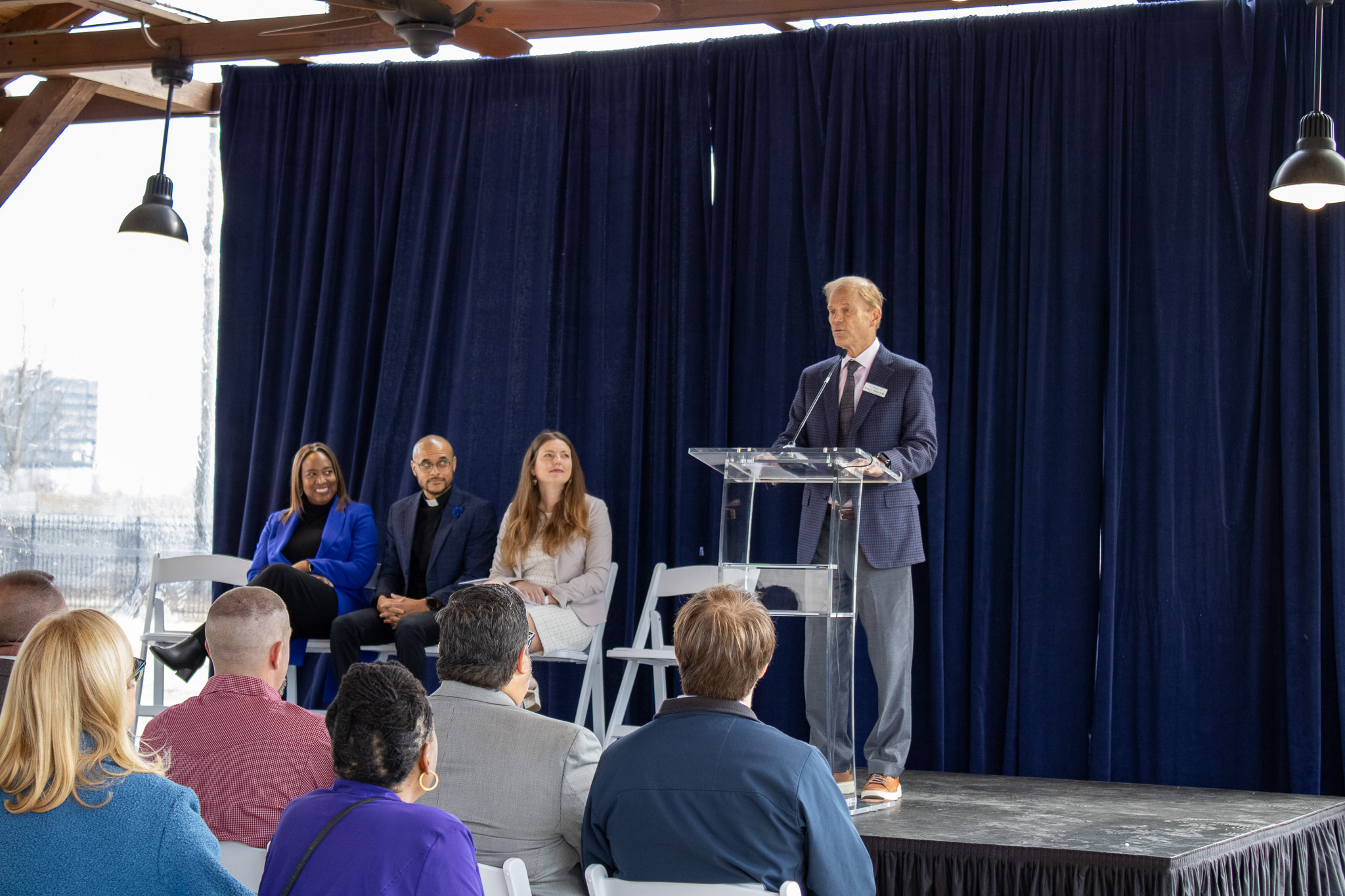 Can you say “one for the books”? This past Tuesday was truly unforgettable as we held our Groundbreaking and Ribbon Cutting Ceremony, celebrating the commencement of construction on our new Community Outreach and Wellness Center and the opening of our first satellite clinic at Atlanta Mission’s Restoration House. It was beyond amazing to host so many remarkable individuals who have been instrumental in turning these dreams into reality.
Expanding Good Sam was once just a distant dream, a conversation shared among visionaries. But those dedicated leaders, fueled by a passion for bettering our community, have brought us to this very moment. This historic day was a rollercoaster of emotions, underscoring how heartfelt conversations can spark tangible actions, ultimately leading to a brighter future for us all.
The ceremony began with Dr. Warren leading us in a heartfelt prayer, reminding everyone of our longstanding mission to spread Christ’s love through quality health care to those in need—a mission that reaches far beyond the four walls of Good Sam. We also witnessed a bittersweet milestone as Dr. Warren introduced Breanna Lathrop as our new Chief Executive Officer for the very first time. Breanna and Kimberly Livsey of Atlanta Mission shared heartfelt remarks on the profound impact this new collaboration will have on so many lives. Since opening our doors on January 2nd, we have already had more than 250 patient encounters, underscoring the urgent need for these critical services. These visionary leaders identified this need and crafted a partnership that promises to elevate health outcomes in our community.
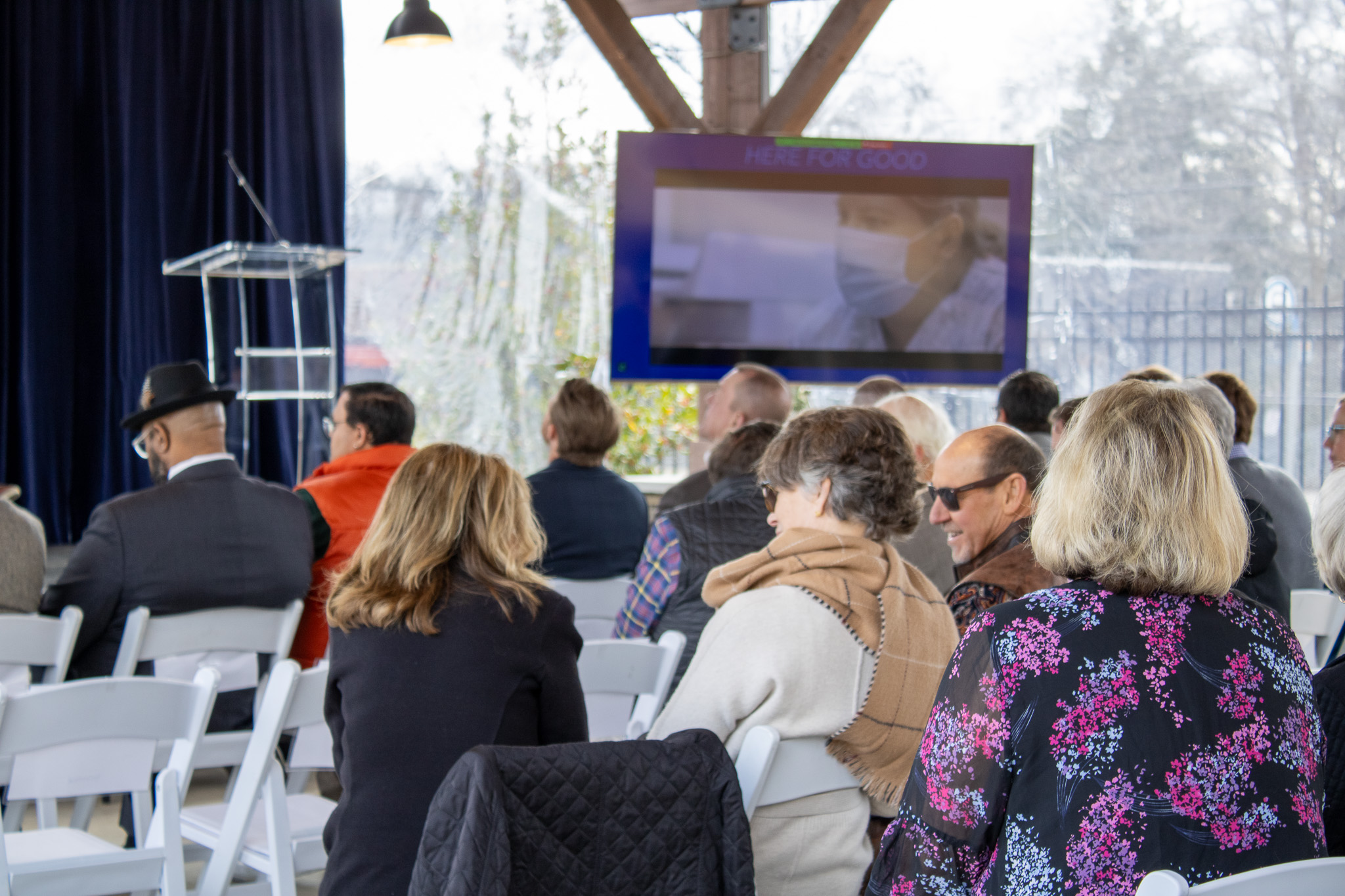 We were deeply honored to hear from City Councilman Byron Amos, a steadfast advocate for positive change in our neighborhood. He shared our excitement for this next step not just for Good Sam, but for the entire community. This expansion is about more than constructing a new building; it’s about strengthening the community that has warmly embraced us for over two decades.
Listening to the many leaders of this wonderful community we call home was truly awe-inspiring. Our Board Chair, Benjamin Wills, beautifully noted that every step we take brings us closer to where God wants us to be. Through collaboration and collective effort, we are healing our community. We are getting warmer and warmer to the Lord’s plans to bring hope and healing to His people.
And this healing isn't limited to the new Outreach Center and satellite clinic—change is happening right here at Good Sam's main building too. At the end of last week, construction officially began to transform our main lobby and reception area into a more beautiful and efficient space. Excitement is buzzing around Good Sam as we watch the positive changes unfold, both inside and out. We can't wait to welcome you to our revamped home, where these updates will enable us to serve our community even better.
It’s a beautiful blessing to not only be a part of this journey but to live it out every day. Prayers are being actively answered, and with each passing day, we are building a better, healthier tomorrow.
If you’d like to join us on this journey and be a part of this incredible mission, please consider leaving a gift here (GiveSmart: Here for Good).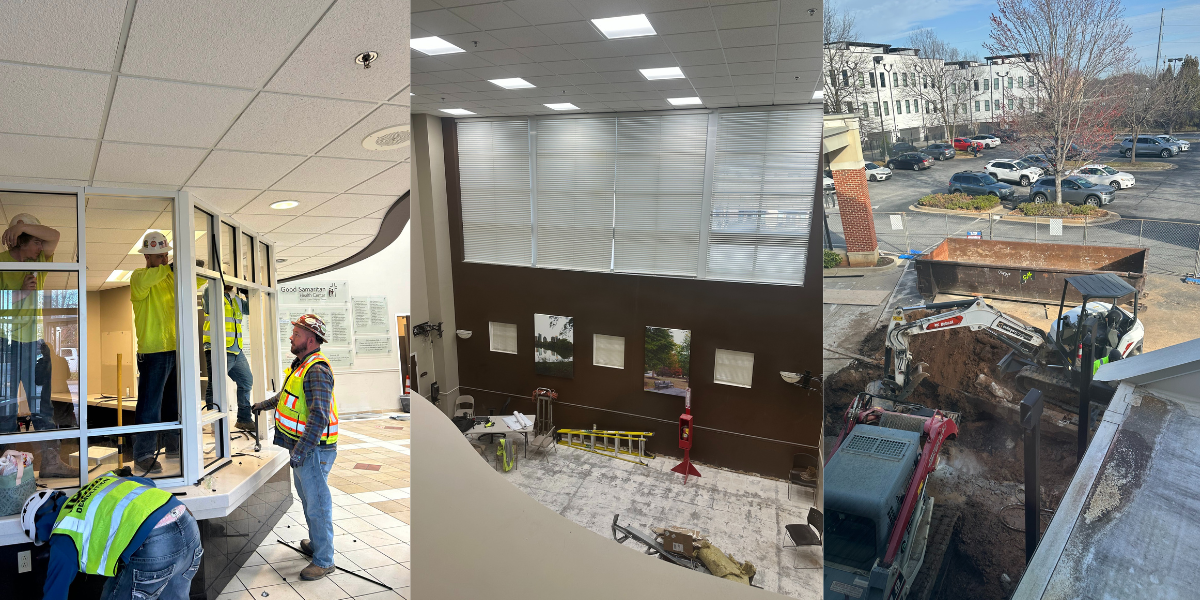
Tiffany Loredo
Marketing and Communications Coordinator
Good Samaritan Health Center
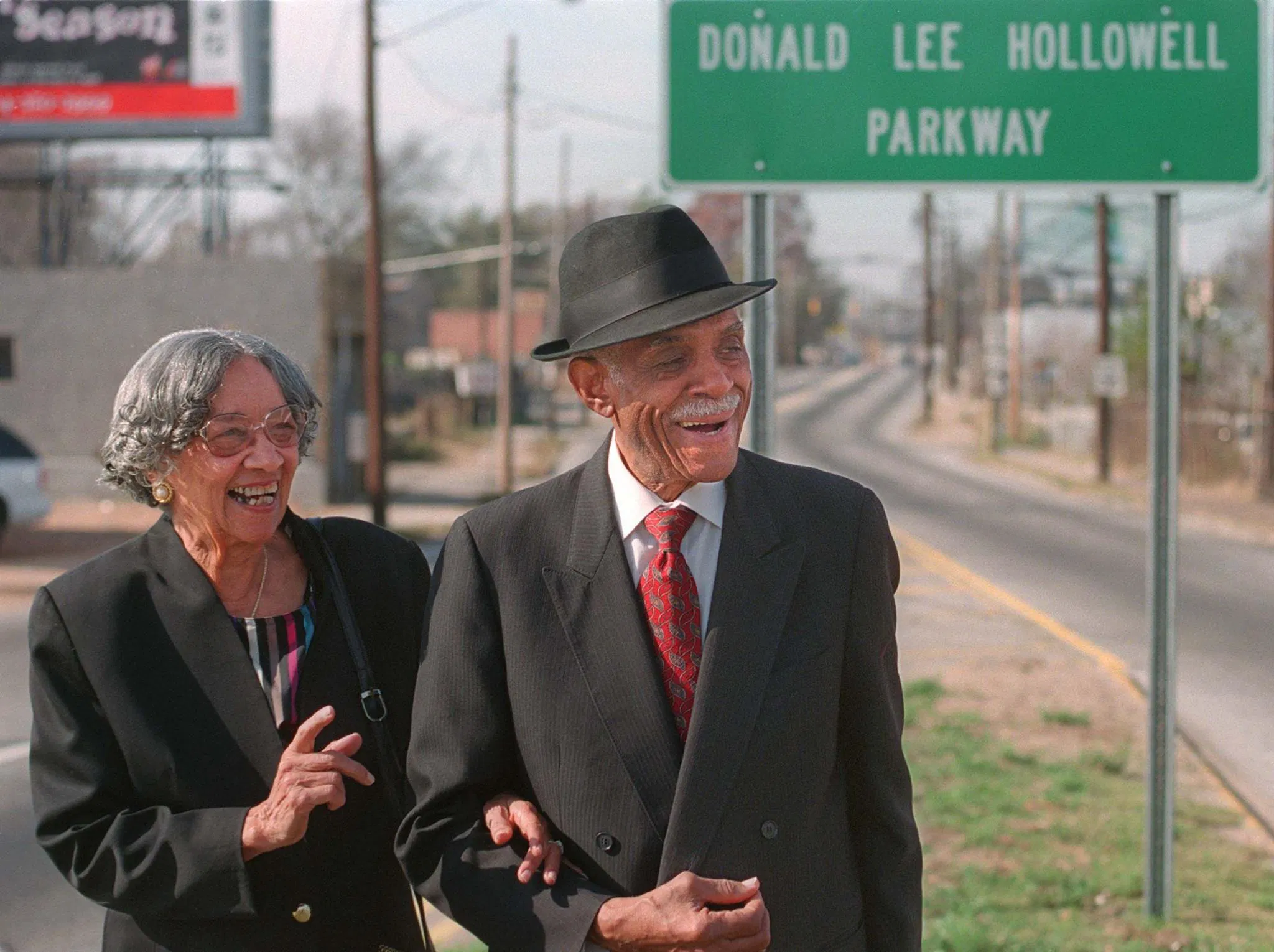
A quick fact to help us jump-start: Good Sam is located right off Donald Lee Hollowell Parkway. Do you happen to know who Donald Lee Hollowell was?
Donald L. Hollowell was a prominent civil rights attorney during the Civil Rights Movement in Georgia. Born on December 19, 1917, in Wichita, Kansas, Hollowell faced racial discrimination early in life, even while serving in the U.S. Army during World War II. He earned his high school diploma while enlisted and later graduated magna cum laude from Lane College in 1947 1. Hollowell pursued his law degree at Loyola University Chicago, graduating in 1951. He moved to Atlanta and established a law practice, becoming known as "Mr. Civil Rights" for his courageous courtroom battles against segregation 1. He played a key role in the desegregation of the University of Georgia and Georgia State University and represented Martin Luther King Jr. during the Albany Movement 1. From the early 1970s to the late 1980s, Hollowell served as chairman of the Equal Employment Opportunity Commission (EEOC), where he helped increase the number of registered African American voters by 2.5 million 1.
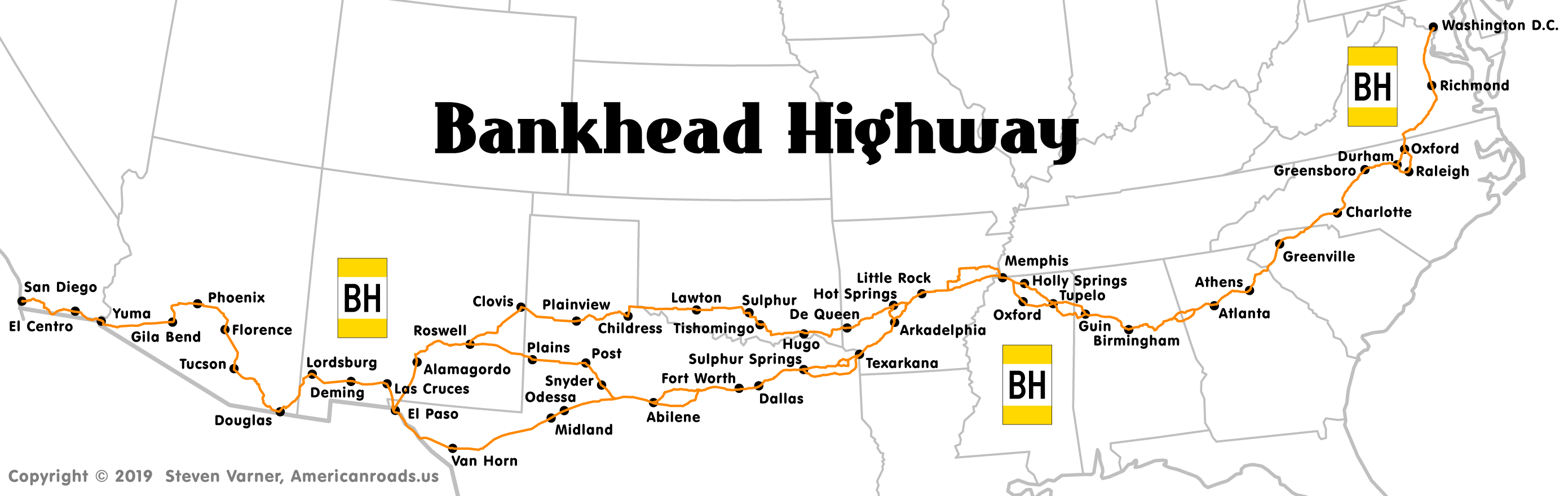
Before it was called Donald Lee Hollowell Parkway, this area was known as Bankhead Highway. This expansive highway stretched from Washington D.C. to San Diego, playing a significant role in connecting various communities 2. It was originally named after John Hollis Bankhead, a congressman and a key figure in securing the first federal funding to establish highway infrastructure throughout America 2. The name was changed in 1998 in hopes of changing the narrative behind the community that resides off DL Hollowell.
While researching the history of the Bankhead neighborhood, I came across an insightful article titled "From Bankhead to Buckhead." The article delves into the often overlooked history and misunderstood narratives that arise when one focuses solely on a neighborhood's name and crime rates and neglects the stories of its people and culture. You can read the article here https://canopyatlanta.org/2022/03/14/from-bankhead-to-buckhead/
In the brief film that accompanies this article, community member Angy Moss states, "I have grown up and seen Black people that own businesses… and that gave me a strong sense of identity and community." Bankhead is a neighborhood brimming with small businesses, where residents are committed to keeping money within their community 3. Timothy Freeman, another community member, describes a “wraparound” feeling in Bankhead—a sense of unity and mutual support where everyone is ready to uplift one another and help out regardless of the circumstances 3.
Coming from the south side of Atlanta, I never knew much about this historic Atlanta neighborhood, even though it is just a stone's throw away. I had heard of it and passed through it, but I never really got to know its history. Now, working in the heart of this community, I see it as any other neighborhood, contrary to its often negative portrayal as a horrible or scary place. The sense of pride among community members is palpable, with small mom-and-pop shops adding to the local charm. Like many other neighborhoods, it has its challenges, but these stem from years of inequality and marginalization, not from the community members or the neighborhood itself. I am proud to see how our community is coming together to build a better, brighter future for the Westside. Sometimes, all it takes to see a change is to be the change and have a little bit of faith. That’s exactly the sentiment that is shared and felt throughout the interview with some of the long-time residents of the Bankhead community.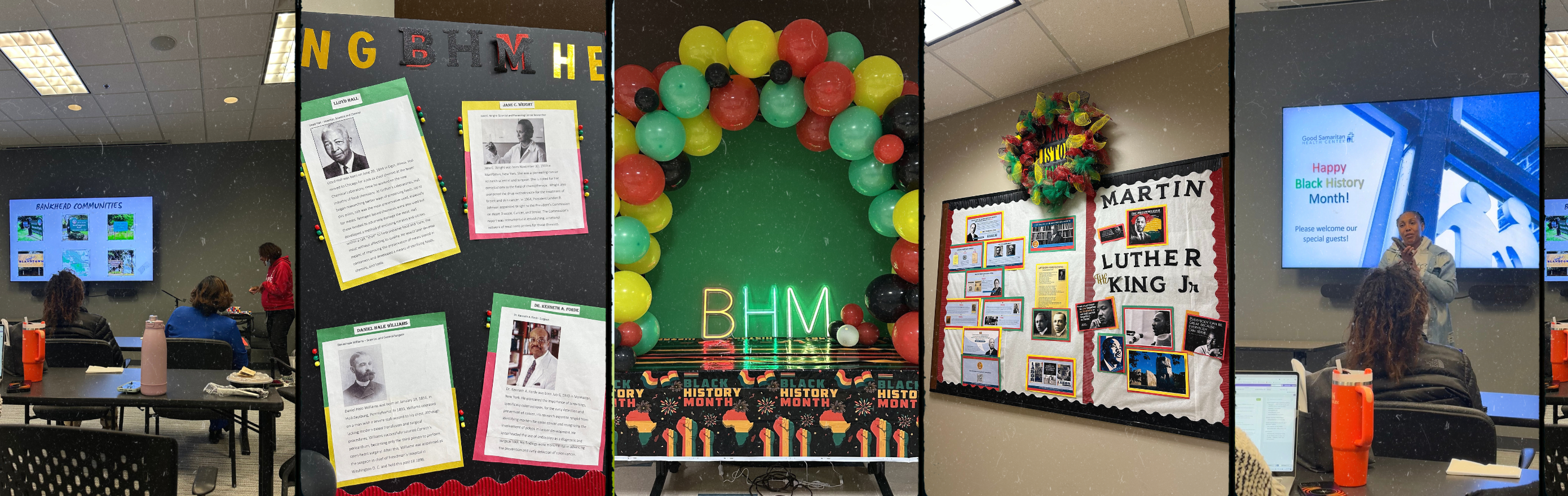 Interestingly enough, if you could have sat in our all-staff meeting this past Wednesday, you would have gotten this history lesson a bit earlier. Thanks to the Black History Month Committee at Good Sam, we were also able to try popular southern desserts such as pecan pie and sweet potato pie, and of course, one of Martin Luther King Jr.’s favorites as well, Quilly. During this meeting, Julia Blackwell shared with our team the history of Bankhead, from the naming of the highway to hip-hop culture. Atlanta is widely known for its massive hip-hop and rap music scene, and it is exactly that, that put this community on the map across the entire United States for something other than violent crimes and poverty. Bankhead was the star of the show in its own way in these songs. To round it all out, this incredible team also decorated Good Sam in celebration of Black History Month and gave us many opportunities to learn more about Black History and influential Black scientists, doctors, and inventors.
Learning about the legacy of Bankhead and the remarkable individuals like Donald L. Hollowell who have shaped its history has been a profound experience. It’s a testament to the resilience and unity of this community that we are a part of. As we celebrate Black History Month, let's continue to honor and uplift the stories and contributions of those who have paved the way for a brighter future.
Tiffany Loredo
Marketing and Communications Coordinator
Good Samaritan Health Center
1 https://www.georgiaencyclopedia.org/articles/history-archaeology/donald-hollowell-1917-2004/
2 https://www.americanroads.us/autotrails/bankheadhighway.html
3 https://canopyatlanta.org/2022/03/14/from-bankhead-to-buckhead/
https://www.atlantamagazine.com/news-culture-articles/how-bankhead-became-a-hip-hop-landmark/
 In full transparency, I have always struggled with my mental health. From as early as I can remember, I have always felt that something wasn’t quite “normal” about me. I couldn’t put my finger on it, but I seemed to always have this sense of helplessness and immense sadness that never seemed to go away. For me, that was normal. Even though feeling empty, emotional, and depressed were the only things I knew for so long, never once did I say anything to anyone about what I was experiencing.
It wasn’t until I reached a breaking point in my junior year of college, that I decided to seek the help I desperately needed. Finally deciding to go to the counselor’s office was such a huge step that I was proud of, but little did I know, it was only the beginning of my mental health journey.
That day at the counselor’s office was the catalyst that led to an official diagnosis that properly explained what I had been going through for what seemed like my entire life. From there, I started regularly attending therapy, taking medication, educating myself on my diagnosis, and being intentional about self-care.
I feel incredibly blessed to have amazing health care professionals, friends, and family in my village who help carry the heavy load that sometimes comes with living with a mental illness. It can be incredibly exhausting and defeating, but I find comfort in knowing that I have so many caring people in my corner.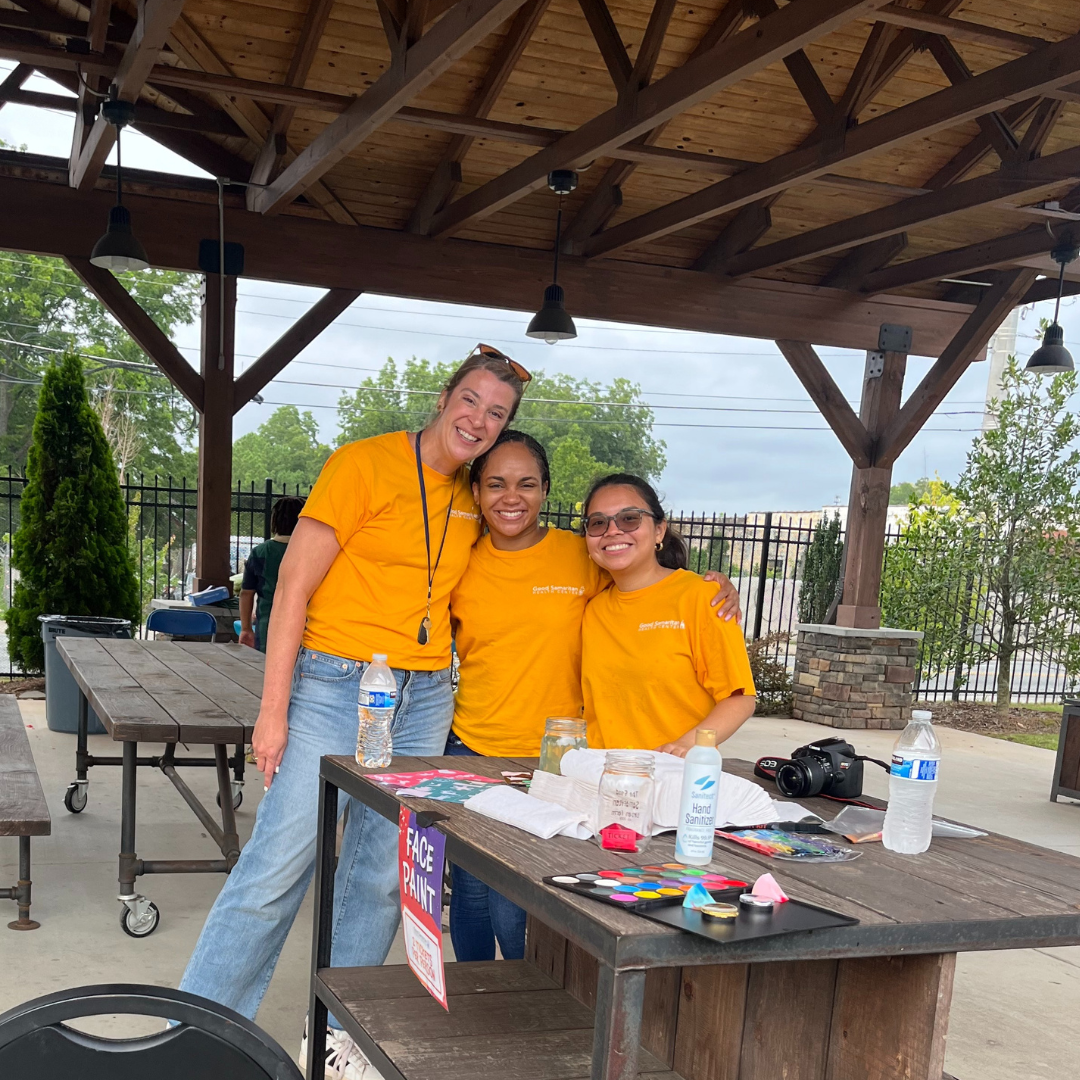
Thanks to generous grant funding from the Truist Foundation, every Good Sam staff person and select members of the community have been given the opportunity to receive certifications in Mental Health First Aid. This training from the National Council for Mental Wellbeing is an evidence-based program that equips participants to better understand mental health challenges and create a supportive action plan to address those challenges with any person in need. Imagine if someone close to me had this training as I was growing up, how much sooner might I have found answers and help!
Heading into the Mental Health First Aid Training I was slightly nervous, but was excited to learn more on how I can be of help to someone else. Navigating mental health can be tricky, but as a Mental Health First Aider, our job is to recognize and respond to signs and symptoms of mental health challenges and provide someone with initial support until they can be connected for professional help. The day consisted of us learning how to assess certain situations, define disorders, de-escalation techniques, and so much more.
There were times throughout the training where I felt triggered, remembering my own struggles with some of the words that appeared before us. But on the other hand, I also felt a sense of empowerment, as I was learning so many new things that I might one day be able to share with someone in need.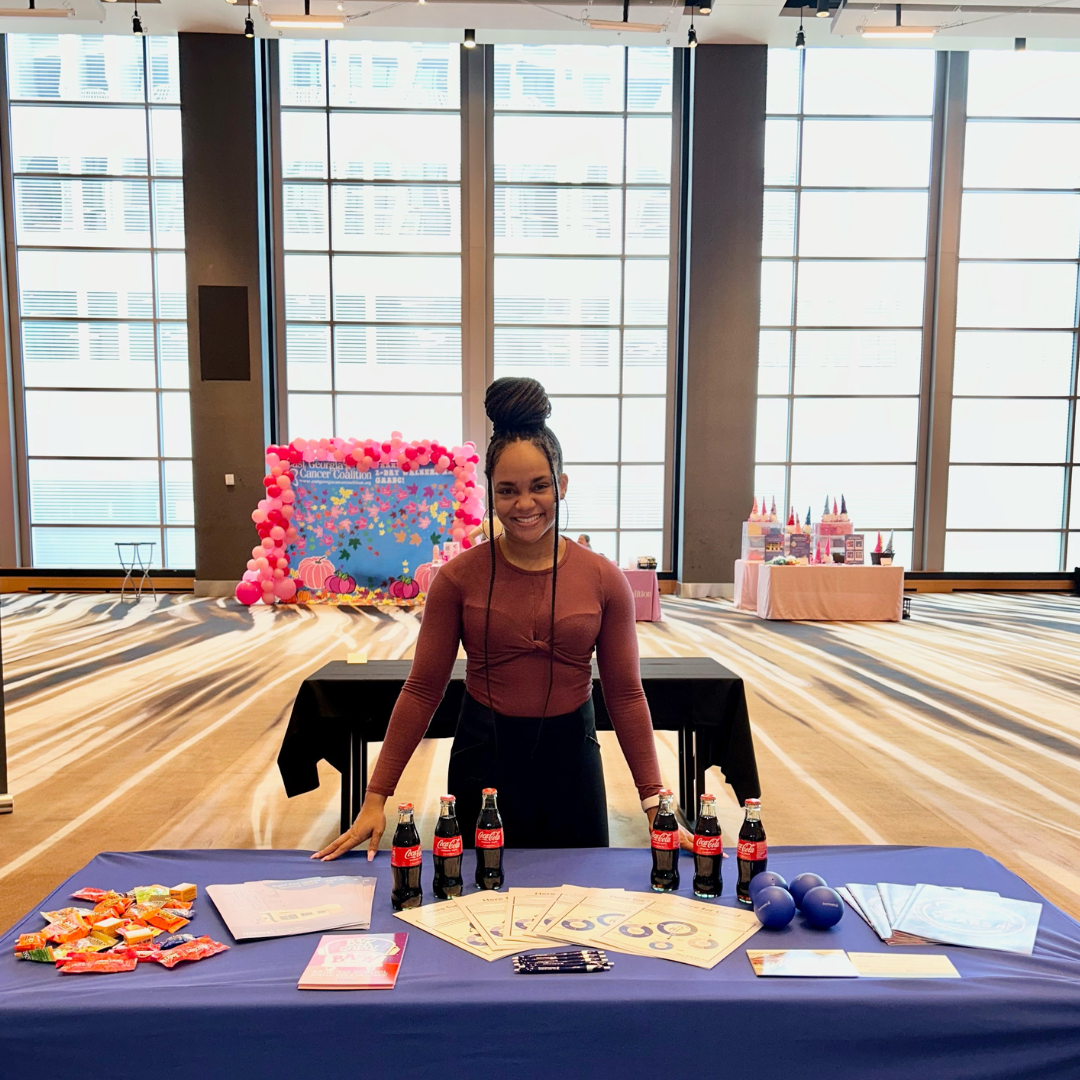
There are times where my mental health struggles are absolutely debilitating, however, I have never once questioned why it was given to me. That answer is simple: to help someone else; and with today’s training I now feel more confident to do just that.
I am incredibly grateful for Good Sam as they continue to equip us with tools to be better caregivers, employees, and, most of all people. My prayer is that the right support reaches those who need it.
Bianca Long
Development Coordinator
Good Samaritan Health Center
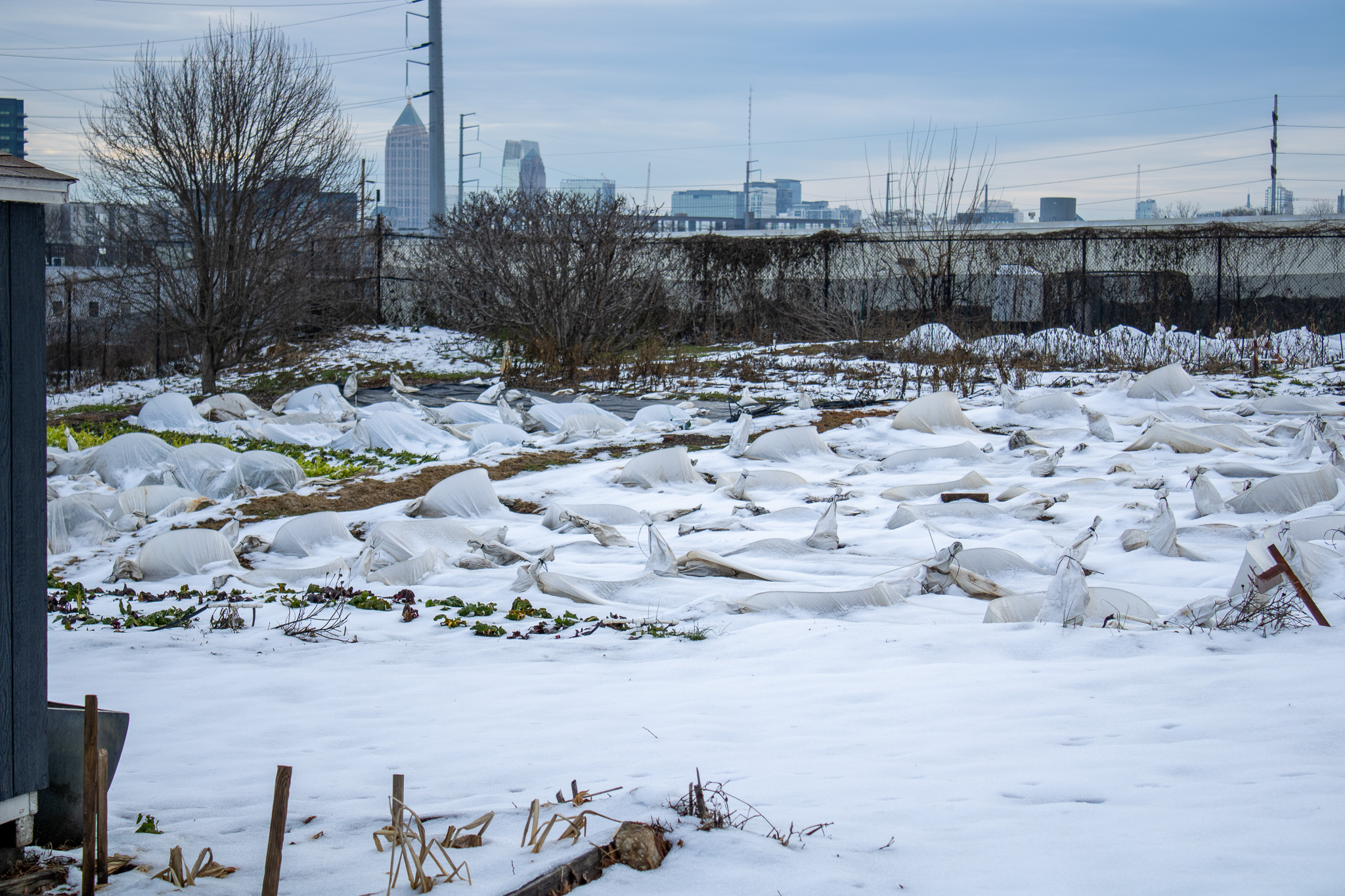 Can you believe the crazy weather we’ve had in Georgia lately? The year has just started, and we’ve already had unexpected snow! Some of us were lucky enough to enjoy this rare moment at home. Good Sam faired pretty well despite having to close our doors for a couple of days. But our farm, being outdoors, couldn't escape the snow and freezing temperatures, leaving all the crops exposed. To see how our farm is doing, I decided to grab some pictures and, of course, ask our farmers how all the crops are faring under the inches of snow.
How does the cold weather impact the growth and health of the crops?
It depends on the cold weather. Collards and Kale will slow down and the cold weather will sweeten them. The cycle of freezing and thawing makes produce taste different and generally, it's sweeter. Some crops can withstand temperatures below 20 degrees, but it's a question of how often they can handle such cold.
Were any crops really negatively affected by the cold weather? Did you lose anything?
All of our seedlings are still inside, and we've delayed some crops to prevent them from being outside in the very cold weather. We lost some things that we planned on terminating. We did lose some things we planned on terminating, like chard and other crops we left uncovered for our pop-up market on Thursday.
But everything that we tried to protect is alive. It’s hard to say how much they were affected as of right now. We’ll have to check on them more closely because some spots did get uncovered. Sometimes when spots get uncovered they get burnt or die.
Basically, our spring crops are what we prioritized to protect. If we lost any fall crops, that’s okay because we were going to get rid of them this coming week.
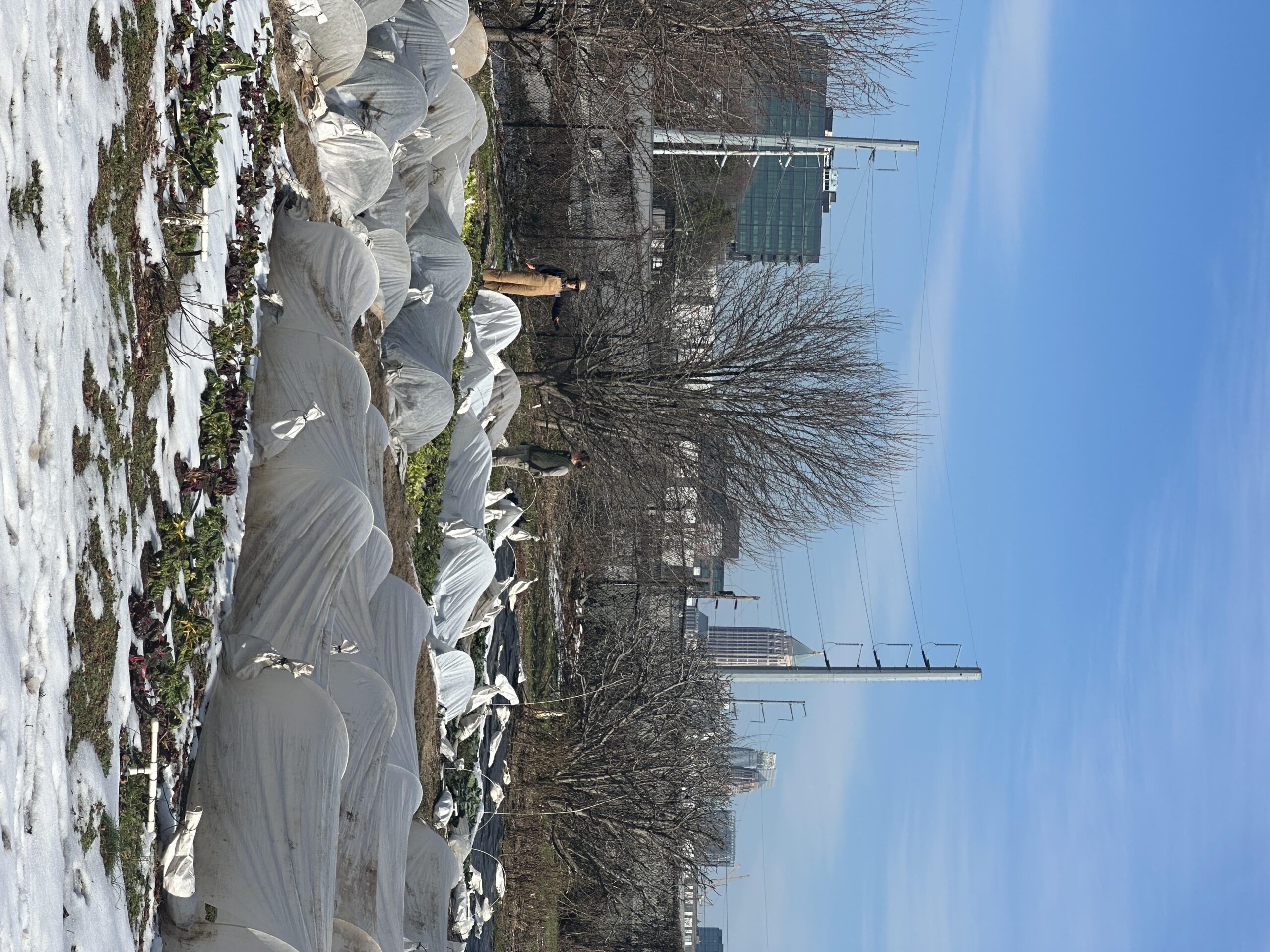 What practices do you use to protect the crops?
We have frost covers and they come in different grades of thickness. We used the thickest of these covers and also fiberglass in hoops to support them. We also have to tuck these covers in very tightly in order to prevent wind from going in. They worked well but the snow did make them collapse. In some spots, the fiberglass loops broke and ripped through the row covers. This means that some of our crops were left out in the open and those crops had some minor damage. But the rest of the crops seemed to come out okay, even though they were sitting under a sheet of ice for a few days.
Having that cover helps lock in and retain any heat that is available. Another thing that we do is, make sure that the soil is wet in order to create a sort of igloo environment and trap the heat. We also make sure to add mulch. So we add mulch, water the crops, and cover the crops to protect them. We also have to prepare for the cold weather by draining our pipes.
Another helpful tool was just connecting with other farmers to get some clarity on the unusual weather that was coming in. We had to prepare for snow that would then turn into ice. Snow can sometimes be beneficial to certain crops but then the freezing rain and ice are what caused some concern. This is why we reached out to an extension agency and two farmers for some guidance.
Do you have any crazy farm stories?
The last time a winter storm came through, we lost all our rosemary, which was hard to replace since many other farms also lost theirs.
We lost produce that is rare to lose in the winter in this region. Usually, we weren’t thinking twice about rosemary, lavender, and trees but that winter we lost these herbs and huge limbs from our fruit trees. I’m pretty sure this winter storm impacted our fig trees because we had a very small yield of fruit in the spring. After the storm, a lot of the leaves had fallen and died. I think the cold weather snap caused this loss in our fig trees and impacted the amount of fruit that the trees were able to grow. We also lost our Jasmine. The jasmine is typically frost-tolerant. We definitely lost more than in other winters.
We did learn from that winter. Like with this storm, it did seem as bad but we did see the forecast of four consecutive days where its in the 20s at night and it didn’t get above freezing during the day. Seeing that we noticed how similar it was to the year we lost a lot of crops and so we went ahead and covered our lavender and rosemary. Something that we don’t usually need to do in the winter but we just went ahead and prepared in case it was the same condition as previously.
What apps do you use to check on the weather?
We use Weather Underground and Apple Weather. It's helpful to consult both and prepare for the worst. We once used an outdoor thermometer to see how cold it was on the farm, considering the lay of the land. It turned out that at the bottom of the slope, it was five degrees colder than what the weather apps said. Now we consult both apps and consider that the farm might be five degrees colder to prepare for really cold weather.
So what’s the final takeaway? Although the winter storms were a bit unusual, Nobie and Alexis were well-prepared thanks to their experience with previous harsh winters and guidance from fellow farmers. Despite some row covers being lifted and ripped due to snapped fiberglass hoops, most of the crops seemed to fare well. On a lighter note, Sage the farm cat enjoyed the snow a few weeks back, leaving his shed to explore. And more recently, Nobie and Alexis also spotted two foxes prancing around in our winter wonderland at Good Sam.
Tiffany Loredo
Marketing and Communications Coordinator
Good Samaritan Health Center
Recently, my morning quiet time led me to read through the book of Philippians. The companion devotional guide I use (https://throughtheword.org/) mentioned that in this letter, Paul is writing an update to his mission support team from prison. His letter contains updates on the mission, gratitude for support, and offers the reader fellowship in the mission itself.
I’ve spent nearly thirteen years working in development for nonprofits and my primary motivation has been the calling I feel to encourage others to give from their abundance to those who lack. This has been affirmed for me countless times in the scriptures and throughout my faith journey, but I think this is the first time it occurred to me that my updates and outreaches to our faithful supporters mirrors the work of Paul and Timothy in the early church. While I’ve certainly never been attacked, beaten, and thrown in jail for my efforts, there are times I have felt overwhelmed by the burden of this calling and bound by circumstances I can’t control. I am comforted by the stories and letters of biblical heroes like Paul; I am honored to write to you in that same vein today.
I’ll start how Paul always did, with gratitude and thanksgiving for each of you. I thank God for you and your support every day. Good Sam would not exist without it, the mission would cease. Your partnership is a blessing to every person who walks onto this campus and I really hope it’s a blessing to you in return. I hope your spirit is renewed by the stories of impact and growth and healing that we share with you throughout the year. I pray that your faith abounds because of what God is doing in this place and the part He has allowed you to play in it.
2024 has been a year of growth and change, not without its challenges but so beautiful throughout. This year has seen additional providers join our medical team, expanding our service capacity and preparing us for the next phase of our strategic plan: the opening of a fully operational satellite clinic in 2025. Our robust mental health programming grew to include a clinical psychologist who is providing crucial behavioral health assessments and integrated care to our most vulnerable patients. The dental department has seen a staggering number of pediatric patients, on top of continuing to see more adult patients year over year. The Farm saw its largest honey harvest and a record-breaking Market season. We hosted more health education and food access classes on our campus than we have since pre-pandemic and we’ve built a brand new outcomes database to help us better report on the details of our impact. The renovations to our main building began with a beautiful update to our second floor and we received the building permit to finally start the remodel on the first floor. The design of our new Community Outreach & Wellness building has been finalized and is well into the application process for that building permit. We’ve continued to raise the support necessary to sustain our annual operations, while still chipping away at the $10M goal of Here for Good. Phew! I need a nap just thinking about it all.
2025 will surely hold more of the same and I hope it does. This mission matters. And I hope you will continue to fellowship in it alongside us; and, in doing so, that the prayer of Paul over the Philippians will cover you as well.
“And it is my prayer that your love may abound more and more, with knowledge and all discernment, so that you may approve what is excellent, and so be pure and blameless for the day of Christ, filled with the fruit of righteousness that comes through Jesus Christ, to the glory and praise of God.” Philippians 1:9-11

Heather Kersey
Chief Development Officer
Good Samaritan Health Center
In just 17 days, we'll celebrate Giving Tuesday, highlighting our favorite day of the week: Friday! This year, through September, we’ve had 3,209 patient encounters, averaging 85 every Friday. Each patient receives a comprehensive medical, dental, and mental health assessment, followed by a personalized treatment plan. Typically, a patient will have up to four encounters with healthcare professionals in one day. With this program now in its 9th year, and over 80% of our patients being regulars, we've all built fond memories of Friday Clinic. Here are some of our favorite moments:
“A particular patient found Good Sam and became a regular at Friday Clinic. Initially, his physical and mental health were unstable. As he continued to return, his condition improved. At one point, he would sleep outside Good Sam every Thursday night, eager to be the first in line on Friday morning. Eventually, he became stable both mentally and physically, received the medications and care he needed, found housing, and now only visits for refills and follow-ups. Witnessing his transformation from instability and homelessness to achieving major life goals has been incredible.”
“A memorable moment was when a new patient arrived at Friday Clinic without shoes. Staff members quickly rallied to find her a pair, and fortunately, one had a brand new pair in her size. This act of kindness made a significant difference in her moment of need.”
“Patients come in with specific issues and leave with resolutions. Watching them return and take the necessary steps to improve their situations, seeing their continuous progress, is truly rewarding.”
“One of my favorite memories is preparing food and hygiene kits for Friday Clinic. Each week, patients look forward to a meal after their appointments. Ensuring they have essentials like soap, deodorant, and toothbrushes, and providing a meal, makes me proud of our work. Partnering with different organizations to make this possible is a fond memory. I'm thankful and grateful that we can provide this every Friday.”
“I love seeing the beautiful smiles of our dental patients at the end of their treatments. It's heartwarming!”
“A special memory was when Guest Services cooked a hot meal for our patients during November, close to Thanksgiving. It was a successful event, and we fed everyone. Bringing our kids along to help made it even more special.”
“My first patient is probably my favorite memory. I still see her, and she's now a transitional patient. Watching her grow, especially with her kids, and developing a fun relationship with her has been wonderful.”
These are just a few of the many cherished memories we've created with our Friday Clinic patients. When I asked the Good Sam staff to share a memory, many said, “I can't share just one because I have so many.” This day has had a lasting impact not only on the men and women we serve but also on us, those who show up ready to support our patients. Feeling inspired to #GiveGoodFridays? Join us on Giving Tuesday and show your support for such a critical program.
Give Good Fridays and show your support at the link here.
Tiffany Loredo
Marketing and Communications Coordinator
Good Samaritan Health Center
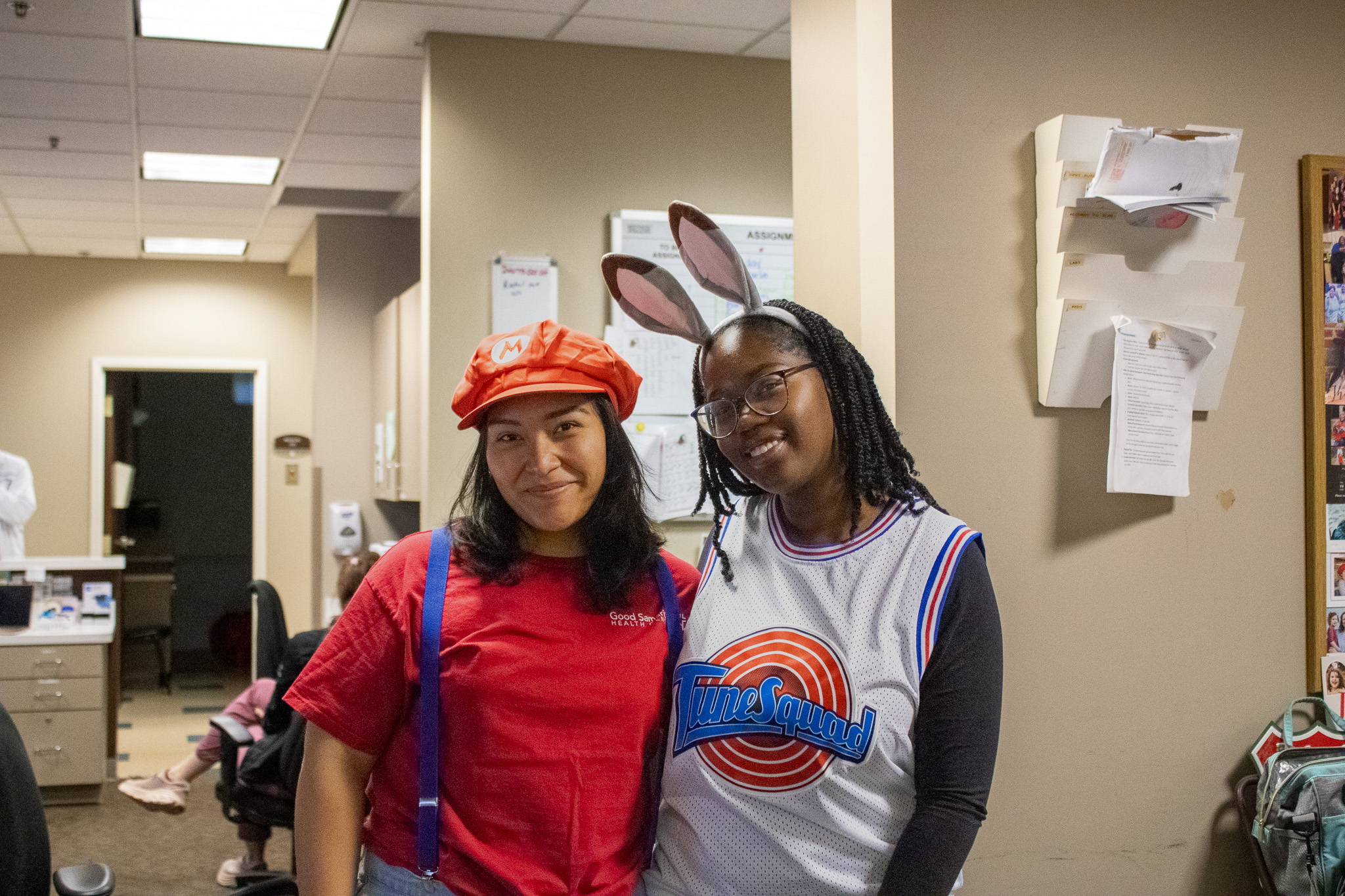 This Halloween, we couldn’t resist asking everyone a simple question: What’s your favorite Halloween memory?
From our quick survey, we discovered that many of us cherished trick-or-treating in the best neighborhoods for full-size chocolate bars—pure gold! Others reminisced about the joy of Halloween decorations, and some didn’t celebrate at all. Here’s a peek into what some of our team members at Good Sam remember as their favorite Halloween moments:
“My favorite Halloween memory is from when my family and I first moved to Georgia and it was our closing date on our new house. My parents were getting everything finalized and moved to the new house and me and my brother went trick-or-treating with our neighbors. We went trick-or-treating in a really fancy neighborhood with big houses that had the best candy.”
-Bianca Long, Favorite Halloween candy is Peanut M&Ms
“When I was younger we used to go trick-or-treating a lot in big house neighborhoods. We’d trick-or-treat and go around and look at the different house decorations. At school they would let us dress up as our favorite book characters and we’d watch a Halloween movie and eat a bunch of popcorn and snacks. My favorite movies were Halloween Town and Twitches. I love Twitches. And a scary scary scary movie would have to be Beetlejuice. “
- Julia, favorite Halloween movie Twitches
“Growing up I had a lot of friends in my neighborhood and I remember it was always and anticipation to get home and dress up. We’d then all get together and trick-or-treat and then end the night watching a movie. We would have like a marathon of Halloween Town and we’d be up all night trying to watch the movies. Or we would try to watch Twitches 1 and 2.”
- Erika, favorite Halloween candy is Twix
“I have a Halloween tradition of watching my favorite movie, “Hocus Pocus”. Its my favorite movie because I watched it as a child. The first time I watched it, it was super scary and super entertaining. I remember really loving the costumes and the overall story. Now every year it’s a tradition to sit down after trick-or-treating and watch the movie as a family. Now, it’s even better because I get to watch part 2!”
-Lizeth, Excited to have part 2 of Hocus Pocus
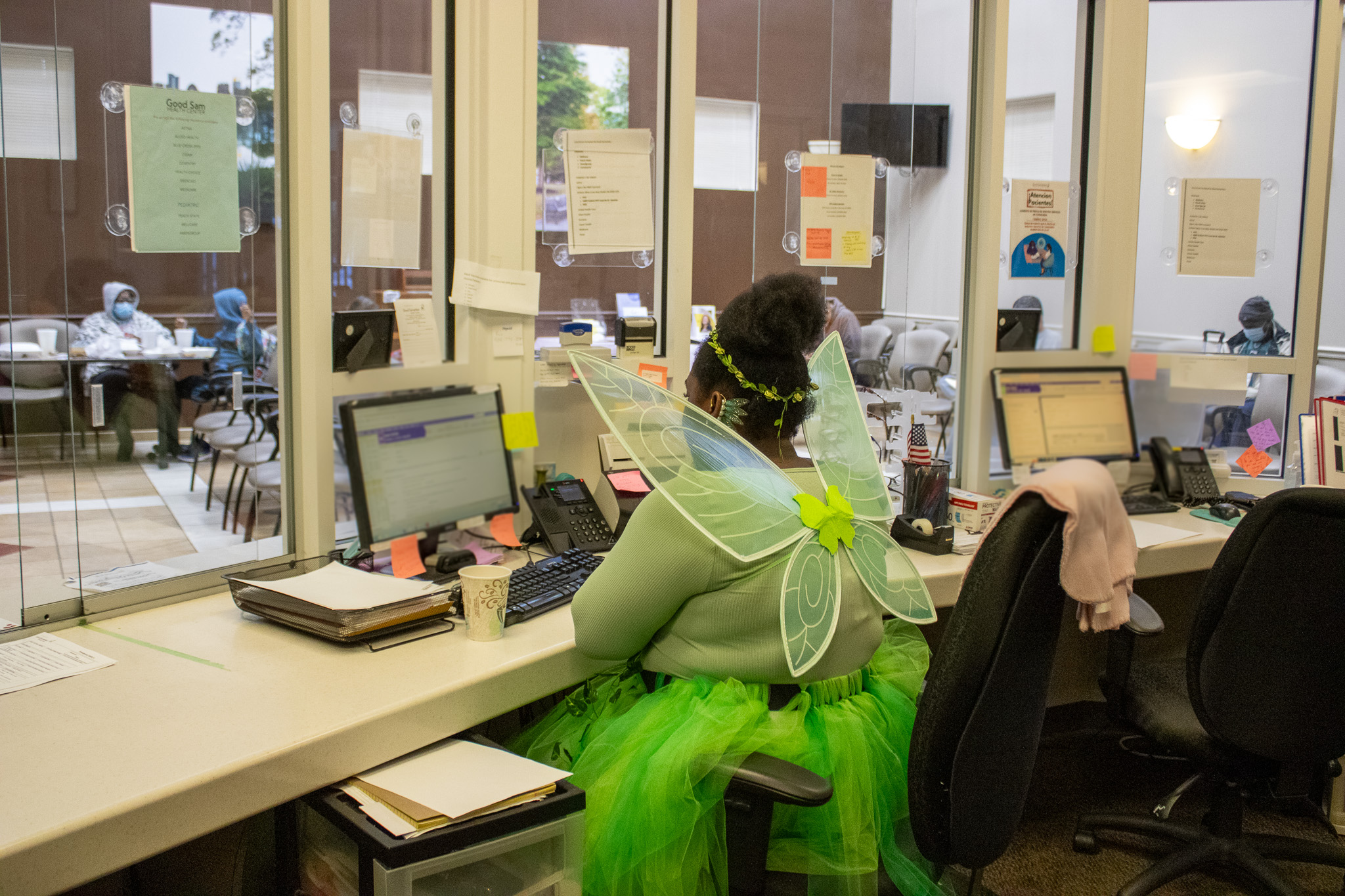 “My favorite memory is when Guest Services dressed up as Rugrats. This was my favorite memory because it was the first time I got to dress up at work. I dressed up as one of the twins, along side Yasmin. “
-Emily, loves dressing up for Halloween at work
“My favorite Halloween memory is going with my cousins and knocking at doors and seeing different faces and nationalities. They all had different candies. I enjoyed being with my cousins and trading our candy. And then we finished off the night by celebrating my uncle’s birthday. “
-Jimmy, favorite candy is Hershey’s Nuggets.
“My favorite Halloween memory is actually from last year. My kids were 7 and 5 and it was the first time that they actually got to enjoy Halloween and plan the whole family costume. We were all parts of the Pokémon squad and we just walked through neighborhoods. At this point our kids were big enough to run up to doors and say “Trick or Treat”. It just felt like what Halloween Dreams are made of and what you think about when you want to have a family. It was a super sweet time! “
-Heather, favorite candy is Caramel Apple lollipops or a Kit Kat
So, what’s your favorite Halloween memory? We hope you all had a Happy Halloween filled with lots of laughs, love, and of course, candy!
Tiffany Loredo
Marketing and Communications Coordinator
Good Samaritan Health Center
Can you believe it's already mid-October? While we are still waiting on the final approval for the new building, the second floor of Good Sam has gotten a bit of a makeover. If you’ve visited the center recently, you may have noticed the change in wall color, new carpet, and an overall refreshed look. If you were to take a stroll through the first floor, you’d notice new signage to better lead our patients through the center. This new look has been inspiring and refreshing as we remember that Good Sam is now in its 26th year of service. This building at 1015 Donald Lee Hollowell has now been serving our community for over a decade here on the Westside. While these changes may seem small, they are ushering in a new era for Good Sam. An era that solidifies our promise to our community, that we will be Here for Good and continue to serve them day in and day out. These small but impactful changes remind us of our mission to "spread Christ’s love through quality healthcare to those in need."
If you can recall, this project started in June when a group from Love Atlanta came in and painted our community room. Now just three months later, more changes have been made and we hear buzzing about the groundbreaking for the new building. We are also getting closer and closer to our $10 Million Capital Campaign goal, we are now at $8.58 million.
If you haven’t been at Good Sam in a while reach out and schedule a visit, we’d love to give you a tour! We are all excited to see how Good Sam will grow in the coming months and welcome you to join us on this journey. We'll be sure to keep you posted on any new changes!
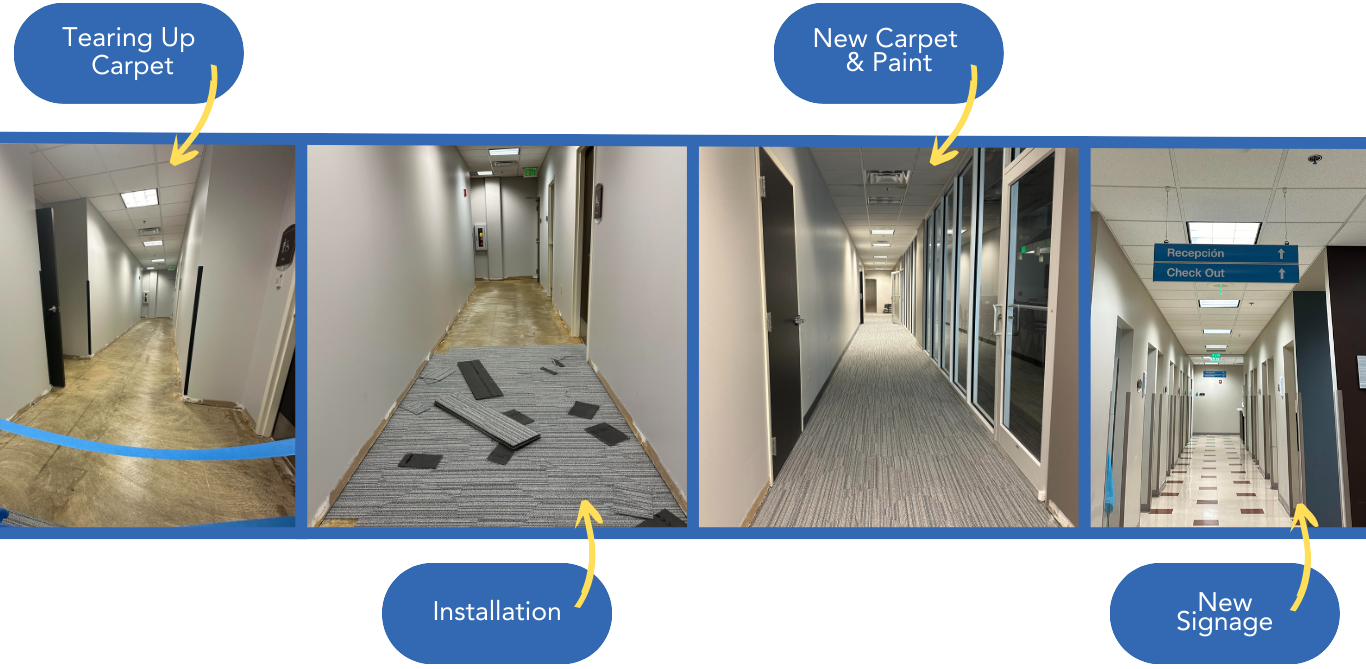
Tiffany Loredo
Marketing and Communications Coordinator
Good Samaritan Health Center
A couple of weekends ago, Bianca and I had the wonderful opportunity to share the wonderful work of Good Sam with the crowd from the Georgia Alliance for Breast Cancer 2-day walk. As we geared up to host our table and cheer on the crowd for their 30-mile journey ahead of them, we couldn’t help but notice all of the amazing organizations who are supporters of the walk or grantees. Two organizations especially stood out to me throughout the day, one for the unconventional service being offered and the other for the large amount of services they had on display.
The first organization is called Casting for Recovery (CfR) (link: https://castingforrecovery.org/ ). CfR was founded in 1996 by a reconstruction surgeon and a professional fly fisher in an effort to improve the quality of life for women with breast cancer. These unconventional retreats not only empower women but the gentle motion of fly casting serves as physical therapy for those who have undergone radiation or surgery. When I first noticed these big signs with fish on them inside this expo full of pink and glitter, I couldn’t help but wonder how fishing could help someone who is battling breast cancer. After hearing more about this wonderful organization, I had to share it with others! Most of the time we think about physical therapy being done in a provider's office and then doing gentle exercise at home, but this organization offers a different approach. It melds together nature and a hobby and creates a space for healing both mentally and physically.
Another organization that quickly captured my attention was the East Georgia Cancer Coalition (link: https://www.eastgeorgiacancercoalition.org/ ). From just a quick 5-minute introduction, I learned a lot about the resources that are being offered at their organization. The East Georgia Cancer Coalition has a mission, “to raise awareness, provide health education, prevent and detect cancer, support patients and families, enhance survivors’ lives, and prepare future leaders for the workforce within our region.” This organization serves 53 counties across East Georgia in the hopes of providing life-saving education about cancer prevention and early detection. In just seconds, I was able to pick up a healthy breakfast recipe, an exercise guidebook, and an informative pamphlet on skin cancer. I can only imagine the care and resources I’d receive if I visited their center or even their website.
As much as I enjoyed hearing everyone's stories from the walk, I was equally excited to hear about these organizations that have benefitted from the Georgia Alliance for Breast Cancer and those who work in partnership with them. Getting to talk to the folks from Casting for Recovery and East Georgia Cancer Coalition was refreshing as it gave me hope that resources are out there for those who need them. Our mission at Good Sam is to “spread Christ’s love through quality healthcare to those in need” and I feel like seeing these organizations reassured me that we are not alone and slowly but surely people are receiving the care that they need. If you haven’t heard of these two organizations before, make sure you head to their websites and get to know them a bit better. If you feel inspired to help women and men in Georgia affected by breast cancer, make sure to support Team Good and the Georgia Alliance for Breast Cancer 2-day walk at the following link .
Tiffany Loredo
Marketing and Communications Coordinator
Good Samaritan Health Center
 My relationship with my Hispanic heritage is complicated. I am the youngest daughter of two Puerto Rican immigrants who met in New York City and decided to build a life together. My father was a Pentecostal preacher who spent several years ministering to a Spanish speaking congregation in the Bronx, but he had already transferred his ministry to Freeport, New York by the time I was born. We were very Nuyorican in my early years, eating arroz y habichuelas and being surrounded by English speaking kids whose parents were mostly immigrants.
Then, in the summer before I started kindergarten, we moved to Lawrenceville, Georgia. NONE of my classmates came from Spanish speaking homes. My father started pastoring a church in Brookhaven, where the congregation population changed as the Spanish speaking population of Atlanta did, first with people from Mexico and Guatemala, and later from all over Latin America and the Caribbean. My family learned to eat tamales, baleadas, pupusas, causa, arepas, hallacas…the list goes on. I met my husband at church, a man from Rioverde, Mexico. Being around and helping Hispanic families became part of the fabric of my life long before my decision to go into medicine ever came into being.
 Now that I am a doctor, I see many Spanish speaking patients from the same countries as my church family. Being raised in a multinational church community has helped me understand the barriers Latinos may face in accessing healthcare or other resources. Many patients express relief to have a doctor who knows their language, and still more are surprised that their gringa-appearing doc knows a thing or two about what goes into making their traditional foods. My life experience has helped me convey how to make healthy choices with familiar foods, empathize with the struggles of the immigration experience and being far from loved ones, and know certain cultural and linguistic nuances that vary from country to country. My Hispanic heritage, more than my Puerto Rican bloodline, encompasses the many peoples who I consider to have become my extended family over the years, and I hope that my patients, whether Hispanic or not, feel a sense of connection as we work together to improve their health.
Dr. Melissa Sanchez
Family Physician and Medical Director
Good Samaritan Health Center
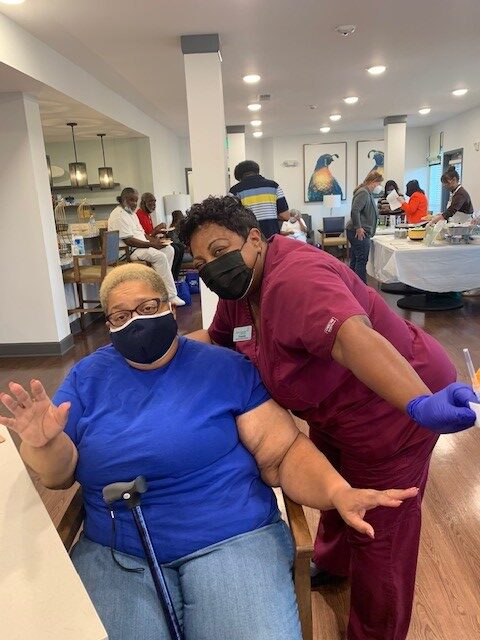 Good Sam is extremely blessed to have a multitude of partnerships that help make our services possible. Beyond the patients, staff, and generous donors working together to fulfill the mission, there are organizations that seek to advocate for our entire sector and also seemingly unrelated partners who are brave enough to walk alongside us and ask “what if?” One of my favorite such partnerships from the last several years is with CVS Health.
You are probably already familiar with how deeply we worked with CVS during the pandemic. Good Sam served as a community testing site for COVID testing for more than three years. During that time, staff from CVS worked right alongside our staff to serve the community and we led the nation in tests performed. But our relationship with CVS Health actually began back in the fall of 2019, when they donated funds to support diabetes education. From there and throughout the pandemic, our relationship grew in understanding of one another’s business models, and common ground started to emerge. Then in 2021, they approached us with this idea of “Health Zones”. By identifying specific zip codes where life expectancy and other health outcomes are negatively impacted by the neighborhoods in which people live and work, they hoped to invest resources into those areas and make a measurable difference. And once those results were available, the hope was this model could be used to help more and more zip codes in need. They had the resources to invest, they just needed the right partners to meet the needs. After a rigorous application process and many meaningful conversations about outcomes, reporting, and what the community needs, we were selected as part of the 30314 cohort and began a truly incredible journey with this corporate partner. For the last three years and for the foreseeable future, we are working together to remove barriers to care, help better manage chronic disease, and improve mental health for those on the margins in our community. The program is evolving, identifying new critical health zones, and expanding their partnership base to have a greater impact. And at the core of that expansion is another one of our favorite partners, The NAFC!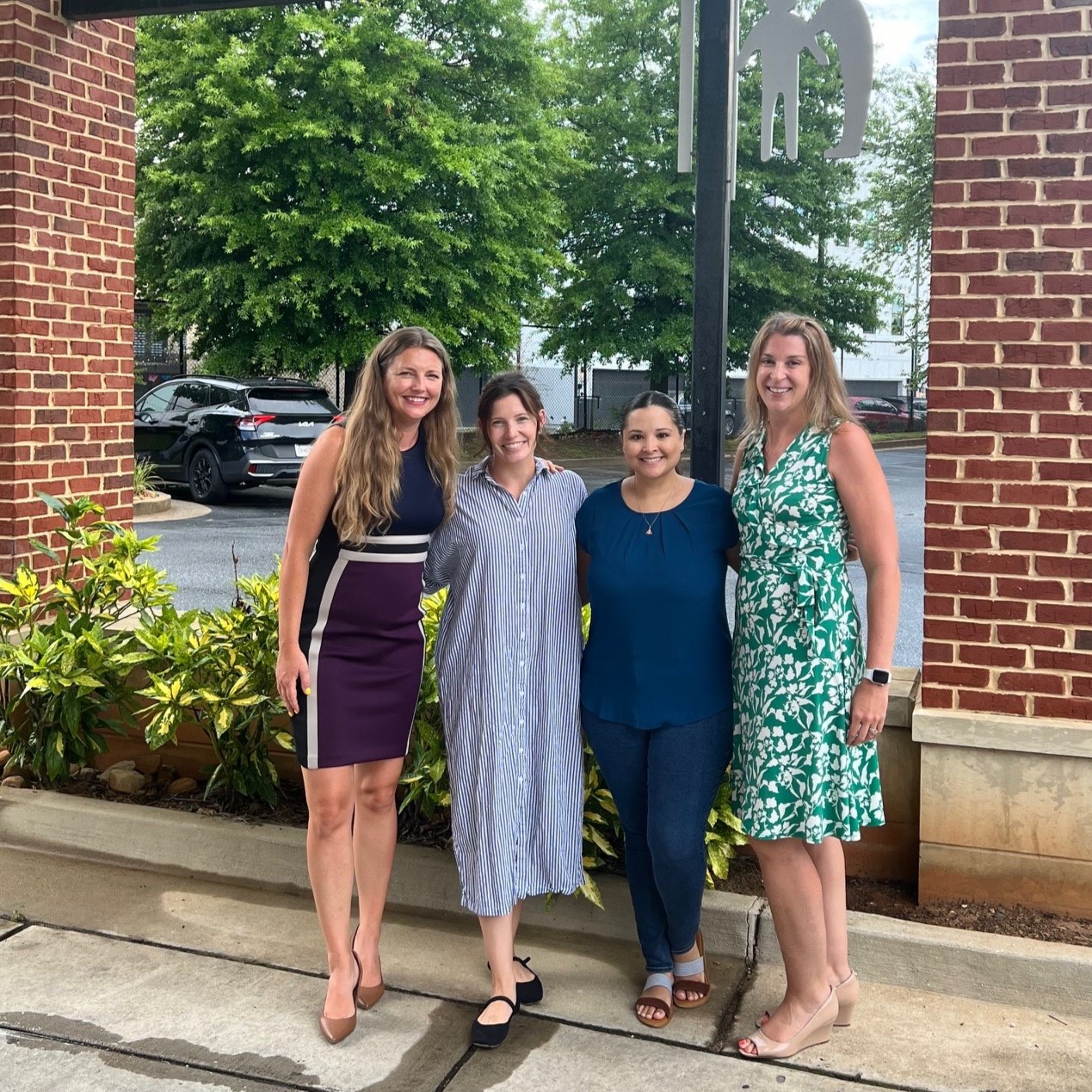
The National Association of Free and Charitable Clinics (NAFC) (link to: https://nafcclinics.org/ ) is a membership organization for free and charitable clinics and pharmacies across the United States. They provide funding, education, training, advocacy, and more to the partner organizations they serve. Maybe most significantly, they represent a collective voice for health centers like Good Sam on a national stage and in rooms where we otherwise might never be invited to enter and participate. We were lucky enough to join the organization in 2020 and have since built a really special relationship with the leaders, staff, and fellow clinic members. As Health Zones continues to expand, they have been right beside us providing critical support and feedback to help us and CVS accomplish our goals.
Each year, NAFC hosts a symposium for clinic and pharmacy members, as well as national sponsors, to come together to learn, network, and share resources that will make a tangible difference to the healthcare access work in more than 1,400 communities across the country. Attending is one of the highlights of our year and this year, NAFC has invited Breanna and me to present on building relationships and programs with corporate partners, just like CVS and Health Zones. Our hopes is that the lessons we have learned and the impact it has made on our work could help another health center in another community do the same.
This collaborative approach is such a beautiful picture of the Body and its many members, as outlined in 1 Corinthians 12. Our organizations have different structures, missions, and outcomes, but when we come together to serve the community, the result is a mutual strengthening and a healthier community.
Heather Kersey
Chief Development Officer
Good Samaritan Health Center
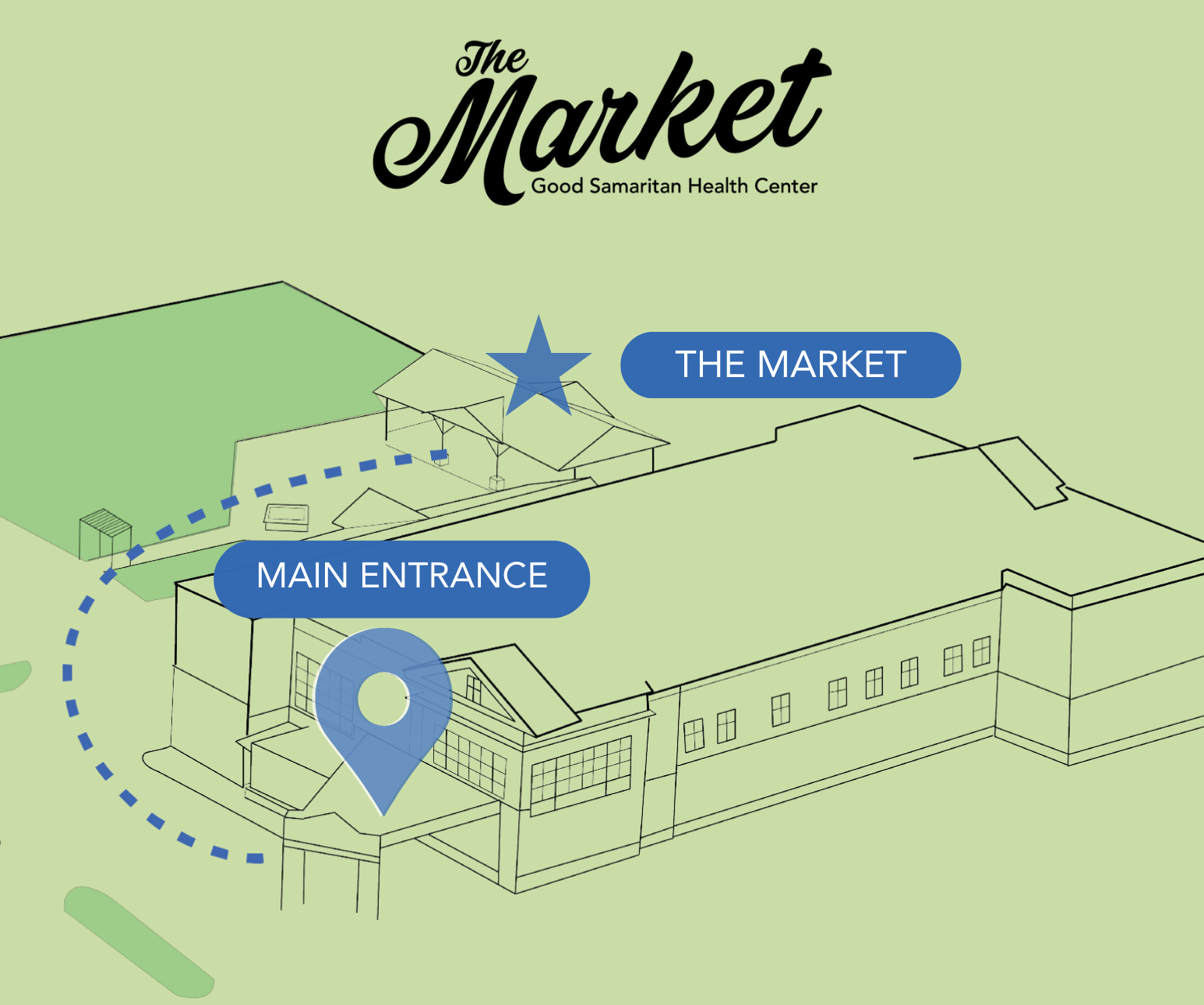
As August comes to a close, we are reminded that we are just over halfway through our Market season. If you read this blog regularly, chances are that you know about the farm and you’ve most likely read some tips on at-home gardening. This however is not the case for some of our patients and neighbors who have yet to find out that we do have a farm on site and that our farm produces hundreds of pounds of produce each and every year. So, let's take a look at how the farm and market are doing now!
Being halfway through our market season means that we’ve seen seasons change and different crops come in and out. We’ve seen lots of greens, strawberries, garlic, and onions in the earlier half of the year. Most recently at the Market, we’ve had loads of cantaloupe (which is sadly leaving the market), watermelon, honey, figs, okra, tomatoes, and more. Currently, the farm is going through some change as summer crops have had their time to shine and grow and now it is time to start planting fall crops (the return of the greens is coming!). Although it was a hard decision for the Farm team to get rid of the cantaloupe (it was just so eager to grow) that space will now be used for turnips and radishes. One thing that Nobie is looking forward to is the cooler weather, which will be better for both the Farm and Market teams and it will also help produce hold up better. 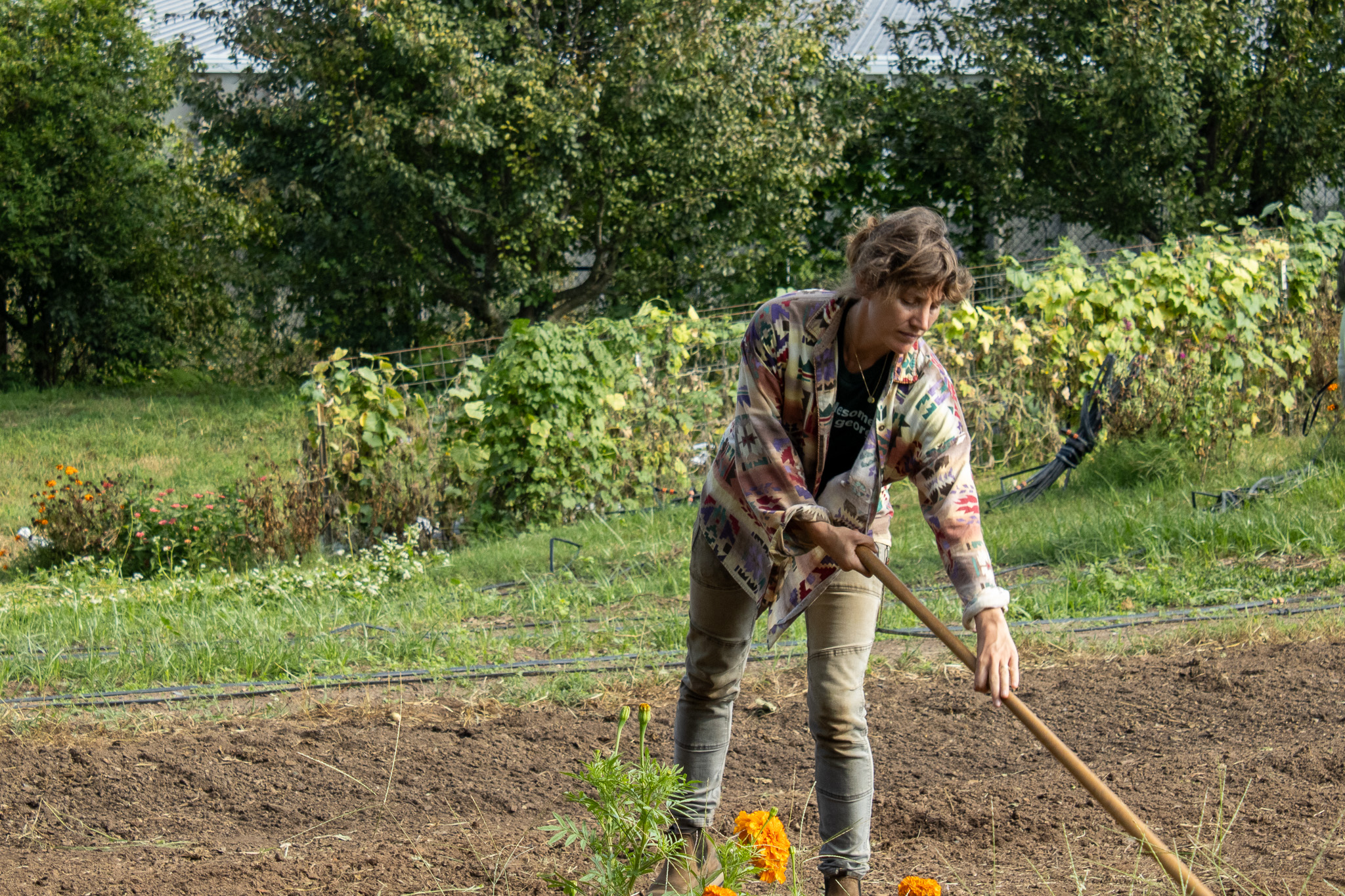
As previously mentioned, our patients and neighbors continue to learn about The Market’s existence every day. This Market season we got a new banner to go right outside of our pavilion facing Donald Lee Hollowell to increase our visibility in the neighborhood. We also updated our flyers in patient exam rooms to include a map that helps patients find The Market more easily. Through these efforts and more, we have successfully attracted new clients and have had over 200 more encounters at our Market compared to this same time last year. Thus far, our Market team has had 744 encounters. Loren, our Market manager notes that she sees lots of happy new and old customers and that our bestseller has got to be the honey, but people also really enjoy the pears, melons, and okra.
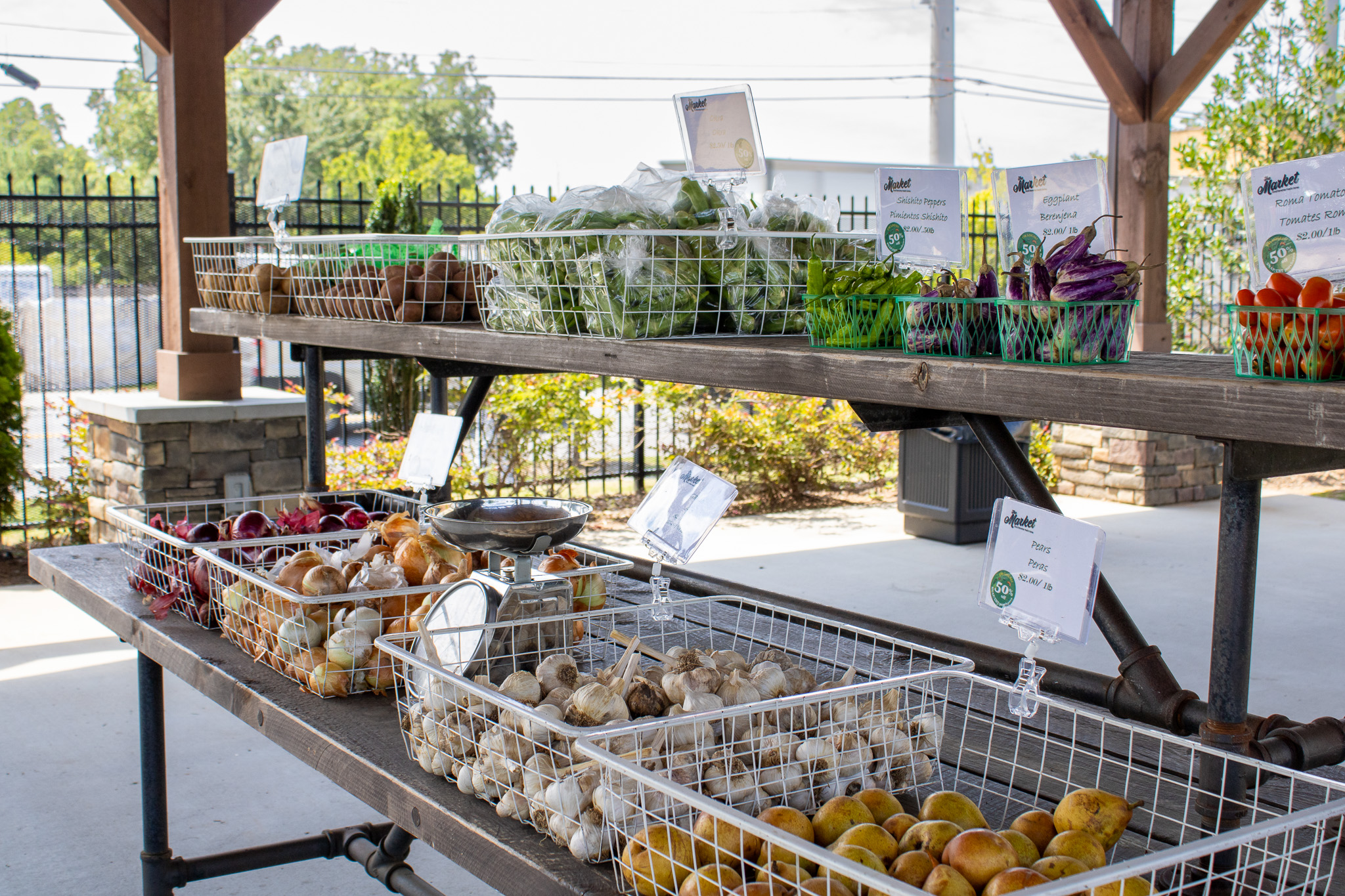 If you ever have the time or the curiosity, I would encourage you to come out and appreciate all of the hard work these two teams do. This is definitely a biased opinion but the best spot to eat your lunch and get some fresh air is at the top of the farm just under a little pavilion that used to be the home of our Market. It is truly incredible that such a small team can produce hundreds of pounds of produce annually, to give our patients a better chance at achieving Full Circle Healthcare. Food can be medicine and it can help us heal. Our Farm and Market teams work hard to provide healthier options for our patients and neighbors who may not have otherwise had access to such foods. As a reminder, our neighborhood is a designated food desert, meaning that it is difficult to buy affordable good quality fresh foods in our neighborhood. Although the Farm and Market can sometimes be overlooked by our patients, it can be just as important when looking at a well rounded circle of health. Join us at the Market and support our naturally grown produce. Loren is eagerly waiting to see new faces and welcome them in!
Tiffany Loredo
Marketing and Communications Coordinator
Good Samaritan Health Center
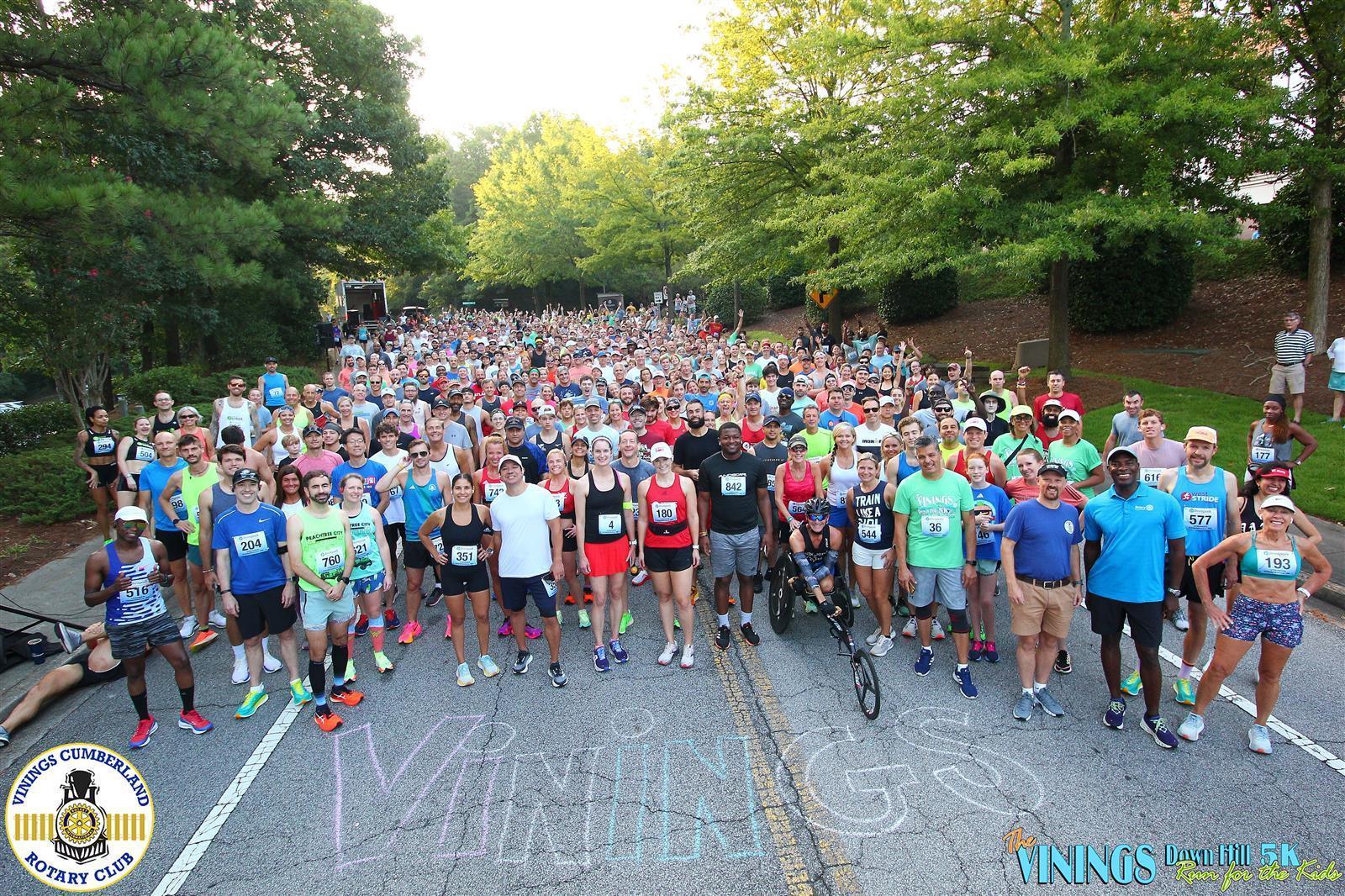 Have you heard of the Rotary Club of Vinings Cumberland? If that doesn't ring any bells, then how about the Vinings Downhill 5K?
The Rotary Club of Vinings Cumberland is a community-focused networking organization for business leaders in Vinings and Cobb County. Beyond networking with likeminded individuals, the focus of the club is also to meet needs in the community, particularly for children. You can read more about this organization at Vinings Rotary. To that end, each year the Rotary Club hosts the Vinings Downhill 5K to raise money for community charities with missions that are working to meet those needs as well. This Saturday, August 10, 2024, will be the 29th Vinings Downhill 5K Run for the Kids! Each year this race attracts about 1,500 runners and it has successfully raised over $1,500,000 for children's charities in Georgia. This includes charities such as Good Sam (whoop, whoop!), Calvary Children's Home, Atlanta Mission, Bankhead Boys Association, LA Amistad, and many more. Make sure to take a look at their website here to see all of the great work that they do.
At Good Sam we talk about this race every year, and for good reason too! Vinings Rotary and the Downhill 5K have been long-time partners in ensuring our pediatric program runs smoothly, year after year. We have been blessed with their support for nearly two decades now and have received over $300,000 in gifts. In 2023 we had 2,427 pediatric visits, so it’s no exaggeration when we say that the Vinings Rotary Club had a part in making each one possible. Their support has touched thousands of lives and ensured that our pediatric patients are being set on a path toward a healthier life.
Here are a couple of words from our Founder and Pediatrician (and dedicated Rotarian), Dr. Warren:
“My dear friend and fellow running enthusiast, Charles Heinz, introduced me to Vinings Rotary and its important efforts to raise funds supporting children’s charities.
Due to the generosity and hard work of Vinings Rotarians, The Good Samaritan Health Center has been the beneficiary of significant funding for 18 years.
As a fellow Rotarian who understands the Rotary ideal of “service before self,” I can say that the members of Vinings Rotary truly live this out!”
We are so grateful to have been blessed with this relationship with Charles Heinz and the entire Vinings Downhill 5K community, as it has been an immense gift to all of us here at Good Sam. We encourage you to join the race this Saturday (there is still time to register and save $5 on registration with promo code GOODSAM) or donate to the Charles Heinz Memorial Sponsorship. To register for the race click here!
Tiffany Loredo
Marketing and Communications Coordinator
Good Samaritan Health Center
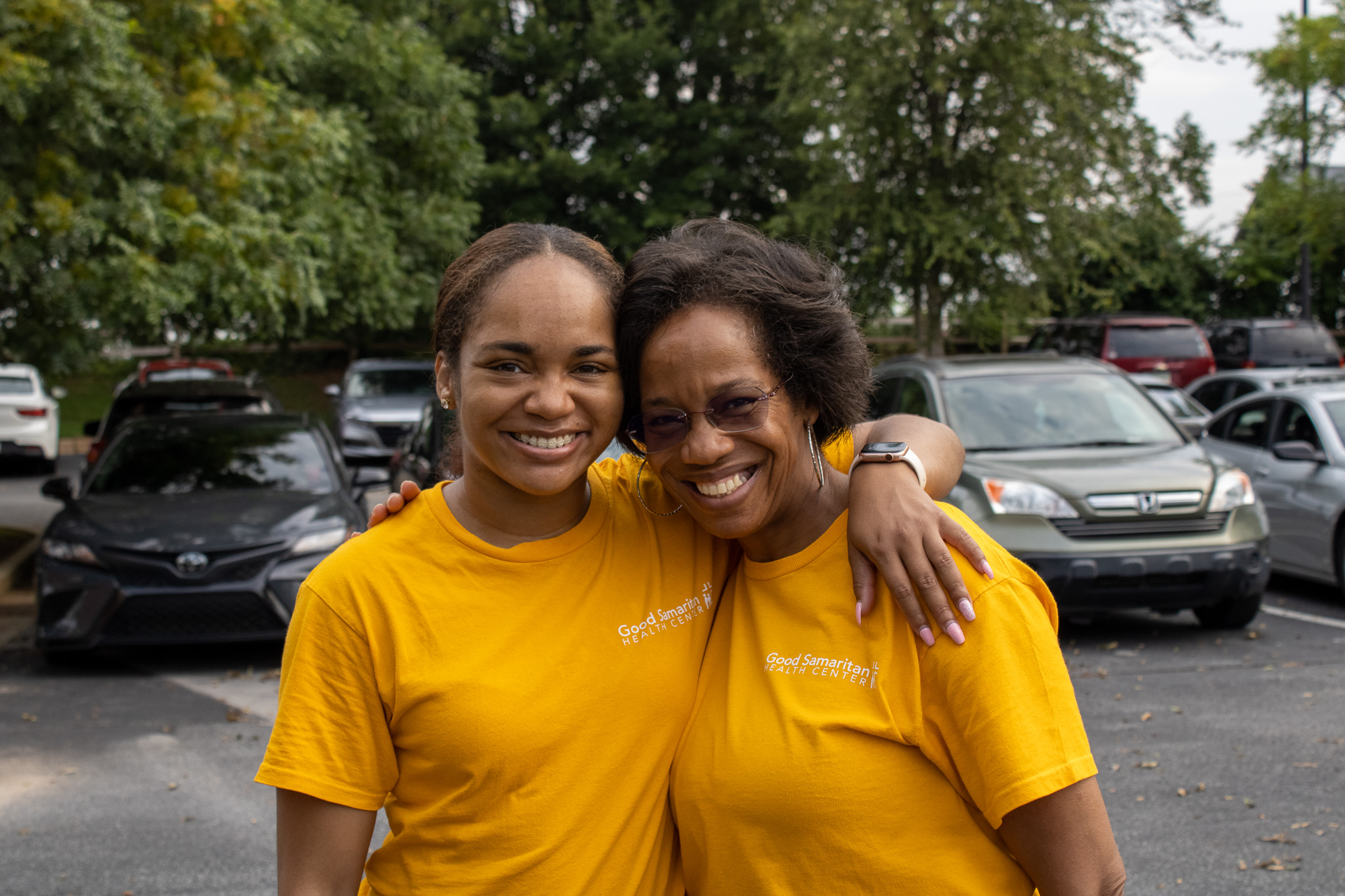 As I am writing this, I honestly cannot believe it is that time of year again to have our annual Back to School Bash. This year has been a whirlwind, yet another incredible year for Good Sam and I feel so blessed to be a part of something that has impacted and helped so many. Each year, we hold an event open to all students ages 5 and up to receive any health screenings or required immunizations they may need for the upcoming school year. There are so many moving pieces to make this busy Saturday a success and I am extremely grateful for all of the support we have received over the years.
While students are here to receive necessary health screenings, we have also added a fun element to the day. Once they are finished receiving their services inside the Center, they are instructed to head outside to the Market Pavilion to enjoy what we turn into a mini carnival. There’s cotton candy, snow cones, games, you name it! It truly makes my heart warm seeing so many kids enjoying their time here at Good Sam and receiving backpacks courtesy of our partnership with Echo Street West. Over the years, our partnership with Echo Street West has continued to grow as they have supported various projects, initiatives, and events that we have at Good Sam. They make it their mission to invest resources into nearby West Atlanta neighborhoods and I am so glad that we have been on the receiving end of that. For our Back to School Bash, Lincoln Properties across the city help provide backpacks and school supplies to our guests. In addition, their staff members sign up to work at the various stations. It is truly incredible that we have their support in more ways than one.
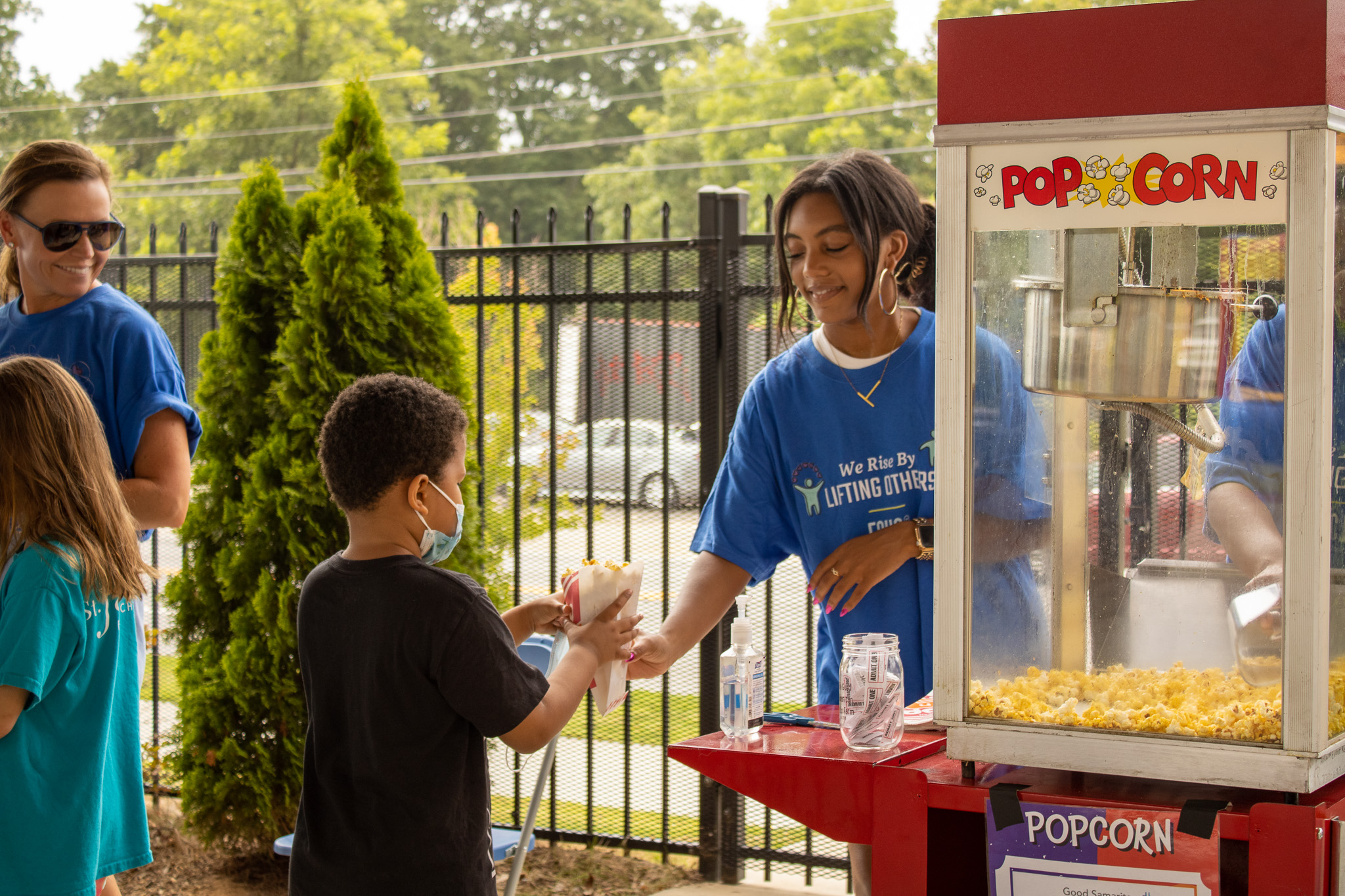 I have been working at Good Sam a little over two and a half years now, with this year being my third Back to School Bash. As a part of the Development Team, it is my job to plan and execute any events we may have at the Center. Of course, I am not working alone and the saying “It takes a village” couldn’t be truer when it comes to this special day.
My first year back in 2022, served more as a learning opportunity for me in the event-planning realm. I always tell anyone who will listen that I have an incredible boss who is very intentional about teaching her team and exposing us to the many different facets of the Development world. I have continued to learn what goes into planning a successful event. There are so many elements that go into it: from booking vendors to assigning roles, making a layout of the event spaces, working with volunteers and sponsors, and so on.
Now, with this being my third year, I feel confident that we can take on the day and provide each student with the best possible experience. There are always day-of hiccups, as there are with any event, and we never truly know how many students we will see but we know that we have the support to pull it off. Yes, some moments can be quite hectic but the beauty of it all is that every single staff member, volunteer, and sponsor is completely committed to serving children in and around our community and giving them the best possible start to their school year.
This day continues to outgrow the last with us seeing more and more students each year. I consider this to be a good problem to have and one that I look forward to working through. Thank you to everyone who continues to support our mission. We look forward to seeing you all bright and early this Saturday morning at Good Sam.
Bianca Long
Development Coordinator
Good Samaritan Health Center
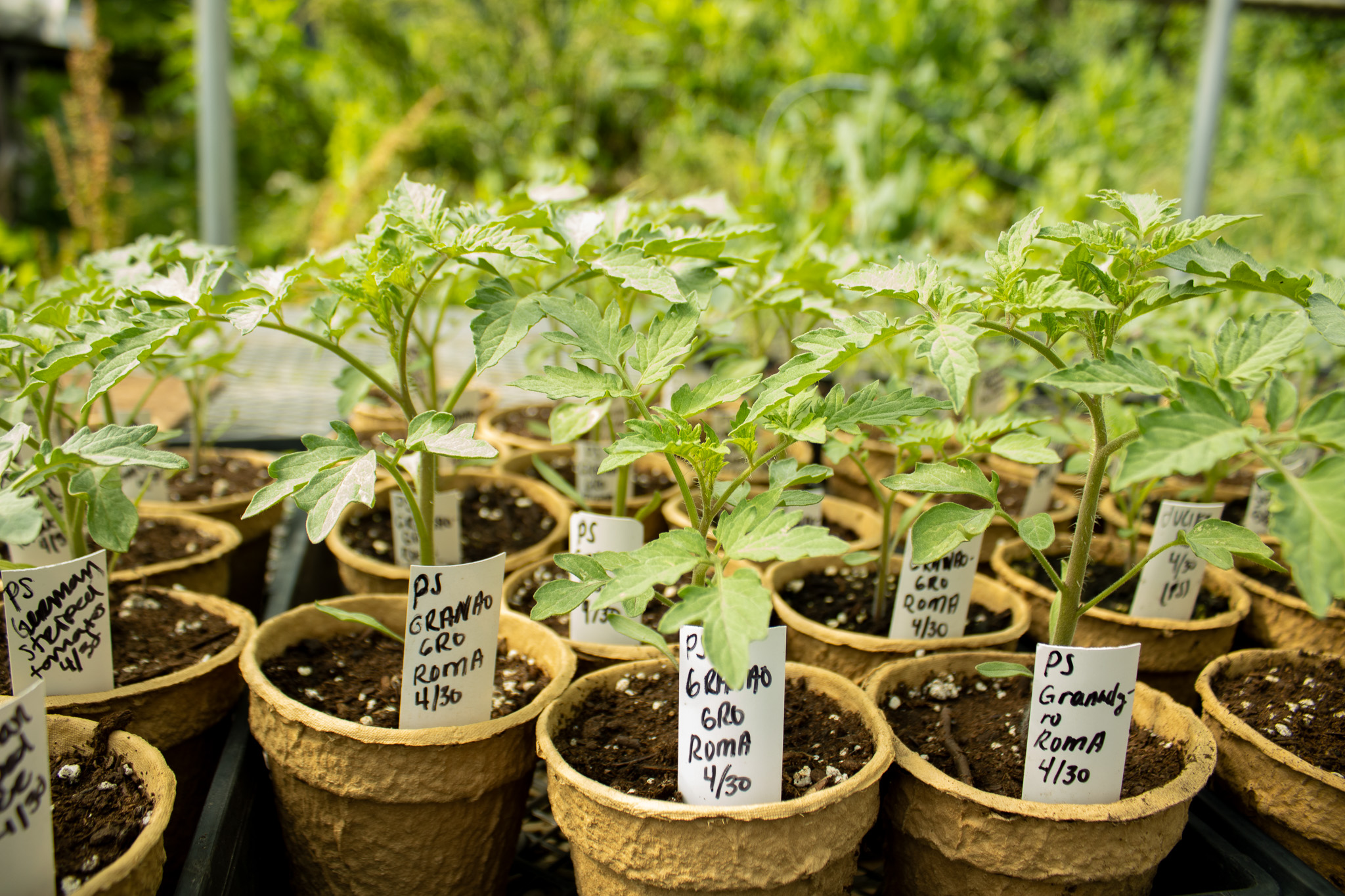 Growing tomatoes is a rewarding experience for any farmer or gardener. As one of the most popular crops, tomatoes are valued for their versatility, flavor, and nutritional benefits. In this blog, we’ll guide you through the essential steps of planning, caring for, and harvesting tomatoes. Whether you’re a seasoned grower or a beginner, these tips will help you achieve a bountiful tomato harvest.
When selecting a tomato variety, consider your region, growing space, and intended use. Local farm plant sales can ensure you get the right types for your area and help you choose the best fit for your needs. You’ll also want to consider the support system you'll be able to provide and the frequency of your harvest. Determinate varieties, which grow more bush-like, need minimal pruning and simple cage support, with all fruit ripening simultaneously. Indeterminate varieties, like those we grow on the farm, require robust trellising, more pruning, and yield fruit throughout the season, which is perfect for us to keep the market stocked with tomatoes all summer. We grow a mixture of cherries, slicers, and romas so that there’s something for everyone.
We have two types of trellising systems for our indeterminate varieties: a two-leader system for our cherries that run up strings hung from 10 ft. poles, and the Florida weave system for the other varieties with 6 ft stakes every 4-5 plants. We prune weekly, cutting away the greens from under the lowest-hanging fruit. We spray an organic fungicidal spray every 5-7 days. This season, our main pest is the leaf-footed bug, which we manage by hand-picking and tossing into a bucket of soapy water.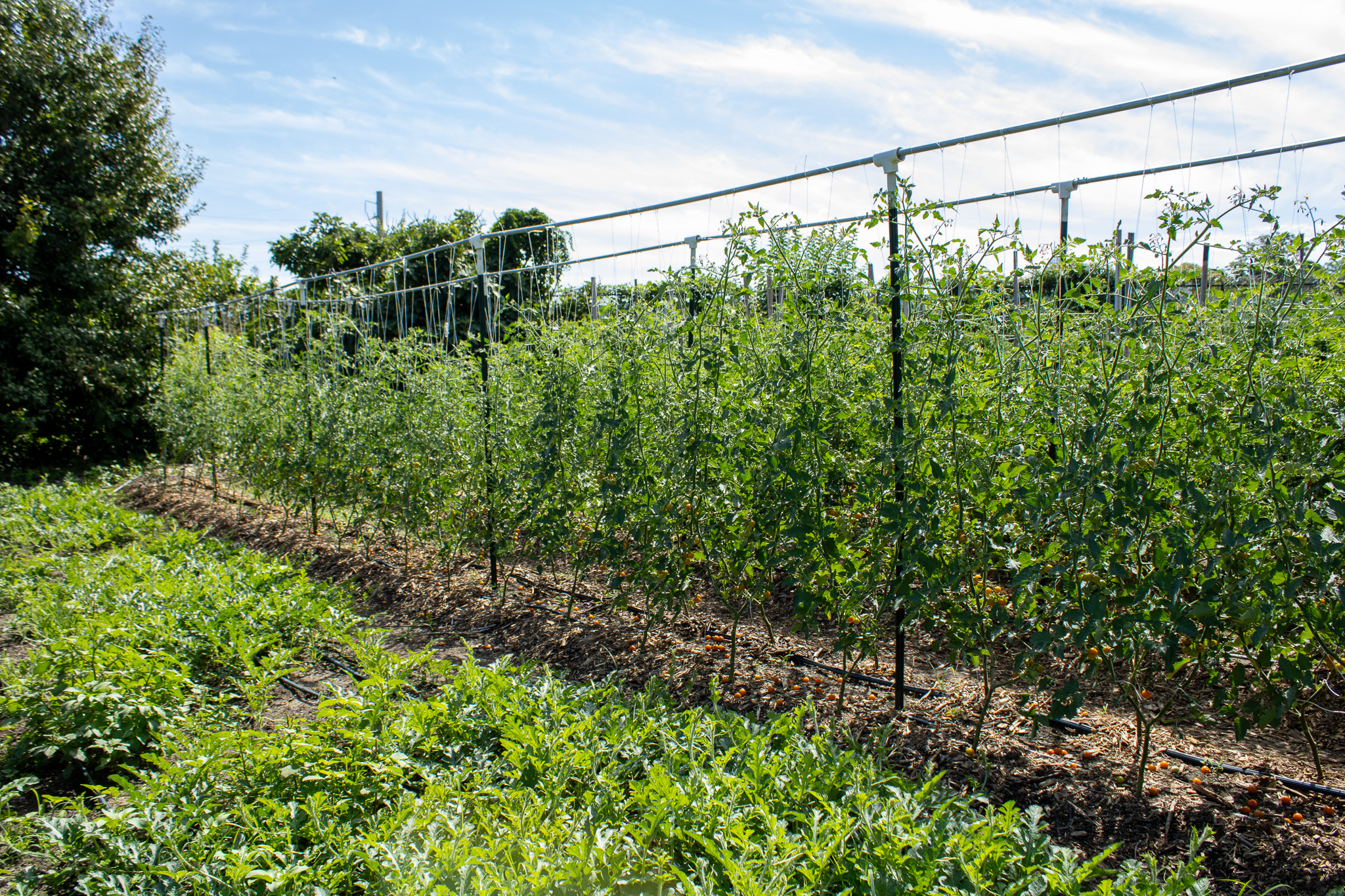
Plant your chosen variety in an area with 6-8 hours of sun per day, well-drained soil, and rich organic matter. Dig deep and wide holes for your tomatoes to allow for their robust root system to thrive. While tomatoes prefer to be in the ground, they can also grow in large pots—at least 5 gallons. Avoid plastic pots since they don't retain moisture well. A terracotta pot is a better, cost-friendly option.
Though tomatoes are fun to grow and eat, they can be tricky to care for. But don’t be discouraged! There’s always something new to try to help them thrive. Water them deeply but infrequently, allowing the soil to get just dry enough before the next watering to help prevent root rot. If you have multiple tomato plants that require pruning, sanitize your shears when moving from one plant to another. Identifying common pests and diseases and understanding their management techniques is crucial for a healthy and productive harvest. We experienced a few weeks without rain and temperatures in the upper 90s, so we had to irrigate aggressively and unfortunately lost a few plants. However, those that survived are thriving well.
Finally, we store our harvested tomatoes at 54 degrees, but you can also store them at room temperature if you plan to eat them soon. Try different varieties and have fun!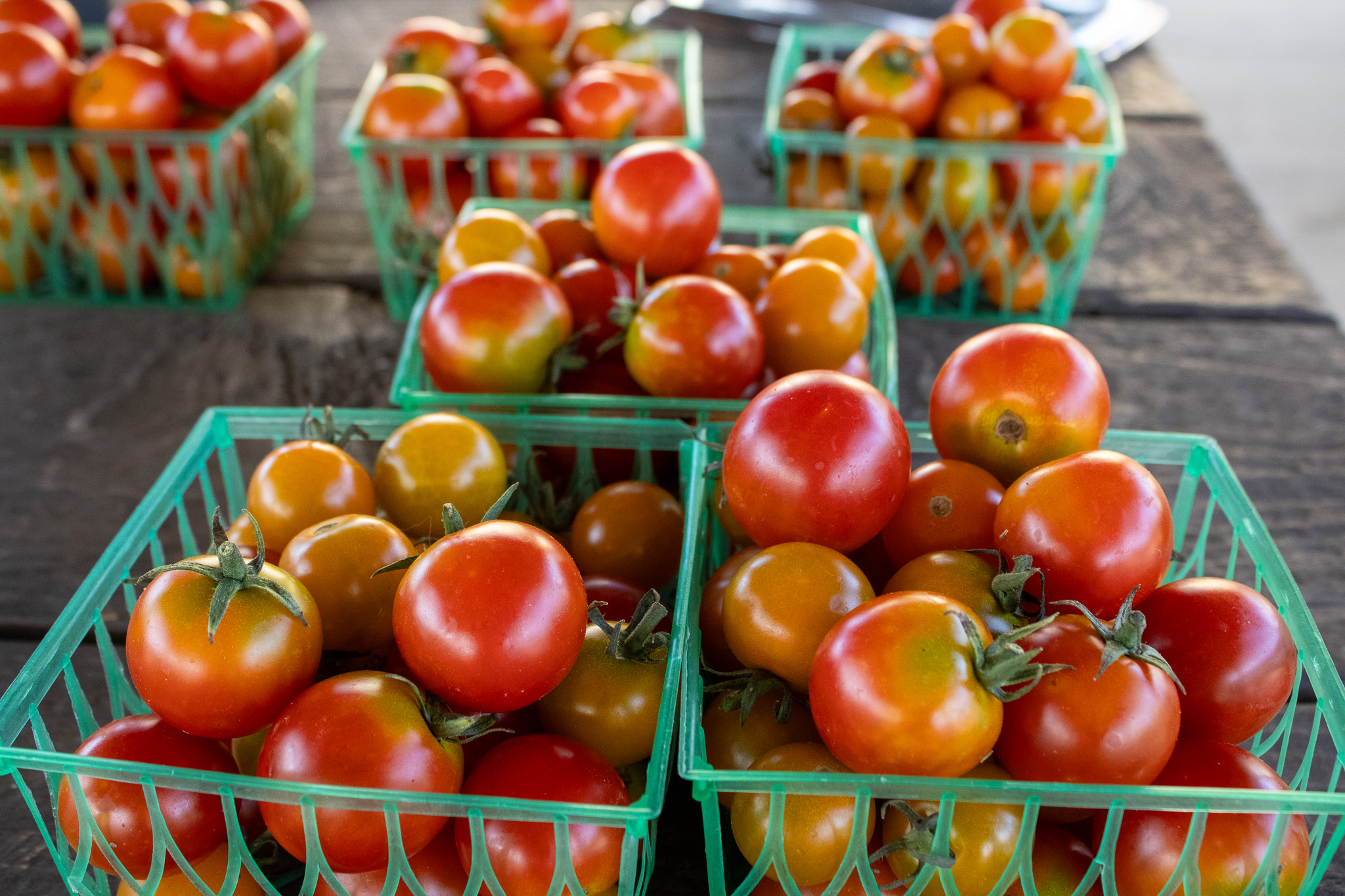
If you’re really looking to take a deep dive into improving your tomato or any other crop, reach out to the UGA Extension Agency. They’re here to help growers like you!
P.S. Did you know all of these great tomato benefits?
- Nutrient-rich: They are packed with vitamins C, K, potassium, and folate.
- Antioxidants: Tomatoes contain lycopene, a powerful antioxidant linked to various health benefits, including reduced risk of heart disease and cancer.
- Heart health: The potassium and folate in tomatoes are beneficial for heart health.
- Skin health: The beta-carotene in tomatoes contributes to skin health.
- Digestive health: The fiber content supports digestive health.
- Eye health: Rich in vitamins and antioxidants that promote eye health. Incorporating tomatoes into your diet can contribute to overall well-being and support various aspects of health.
Nobie Muhl
Farm Manager
Good Samaritan Health Center
Last week, we were excited to welcome back the Love Atlanta team to our campus. This group from Passion City Church exists to “inspire and mobilize people towards a lifestyle of service.” We had a total of 6 groups come through the doors of Good Sam to serve our patients and improve our facility. Despite the heat that was felt outside and inside of Good Sam, our volunteers were all smiles. These volunteers showed grace, hospitality, and generosity through their kind words and actions. If you are interested in learning more about the projects that took place during Love Atlanta's week of volunteering at Good Sam, read on!
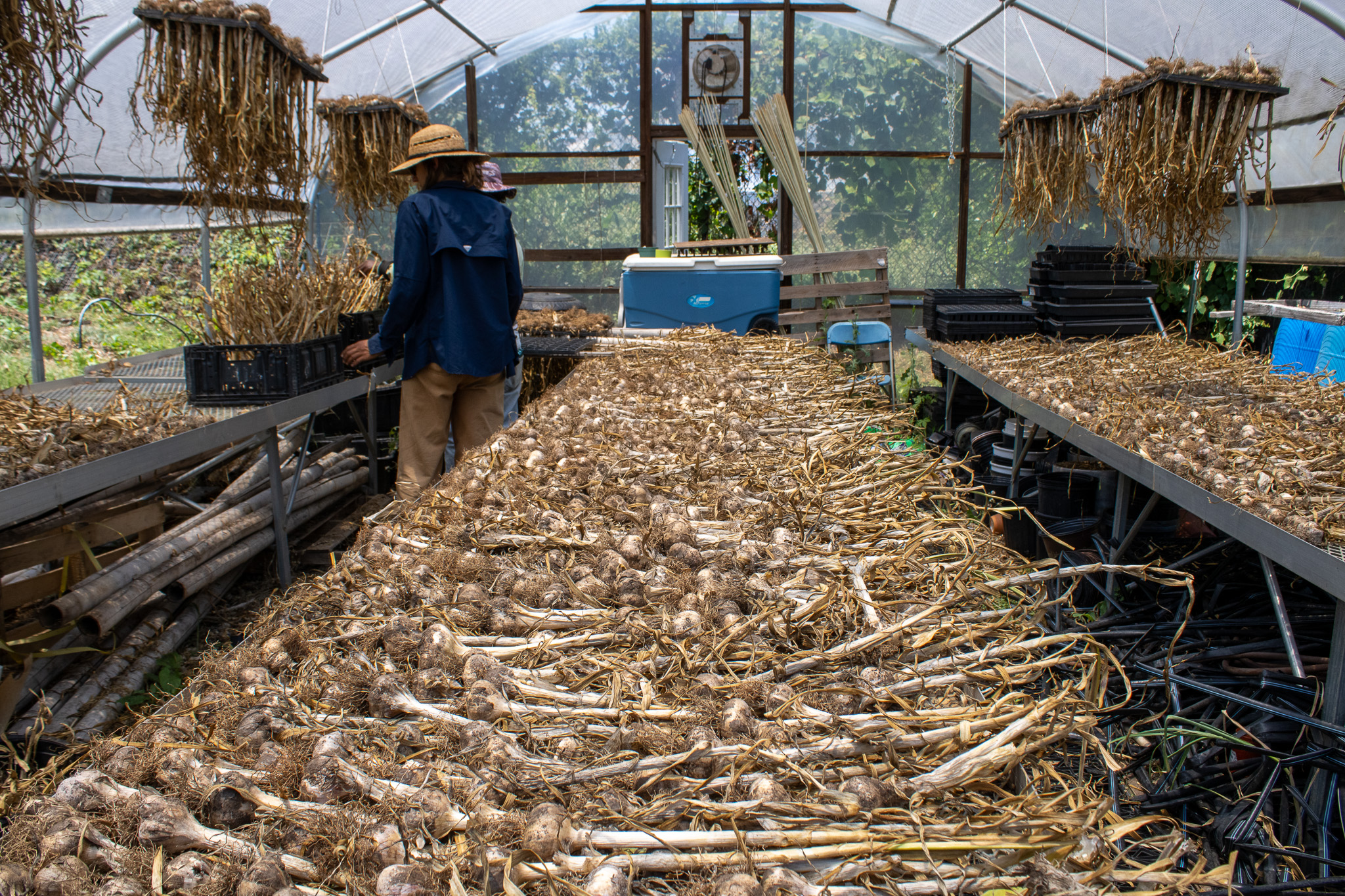 On day 1, a small but mighty team of volunteers came in and pulled an abundance of bulbs of garlic from the farm. While the heat was unwavering, so were these volunteers as they pushed through three rows of garlic in desperate need of being pulled. These bulbs of naturally grown garlic were pulled from our one-acre farm, which farmers Nobie and Alexis manage year-round. Having the help of this group saved our farmers valuable time and provided them with the opportunity to work on other crops and projects on the farm. With the summer heating up as rapidly as it has, it has been a mission to beat the heat and plant new crops, while stopping other crops from bolting or suffering severely from the weather change. This garlic is currently curing before heading out to The Market.
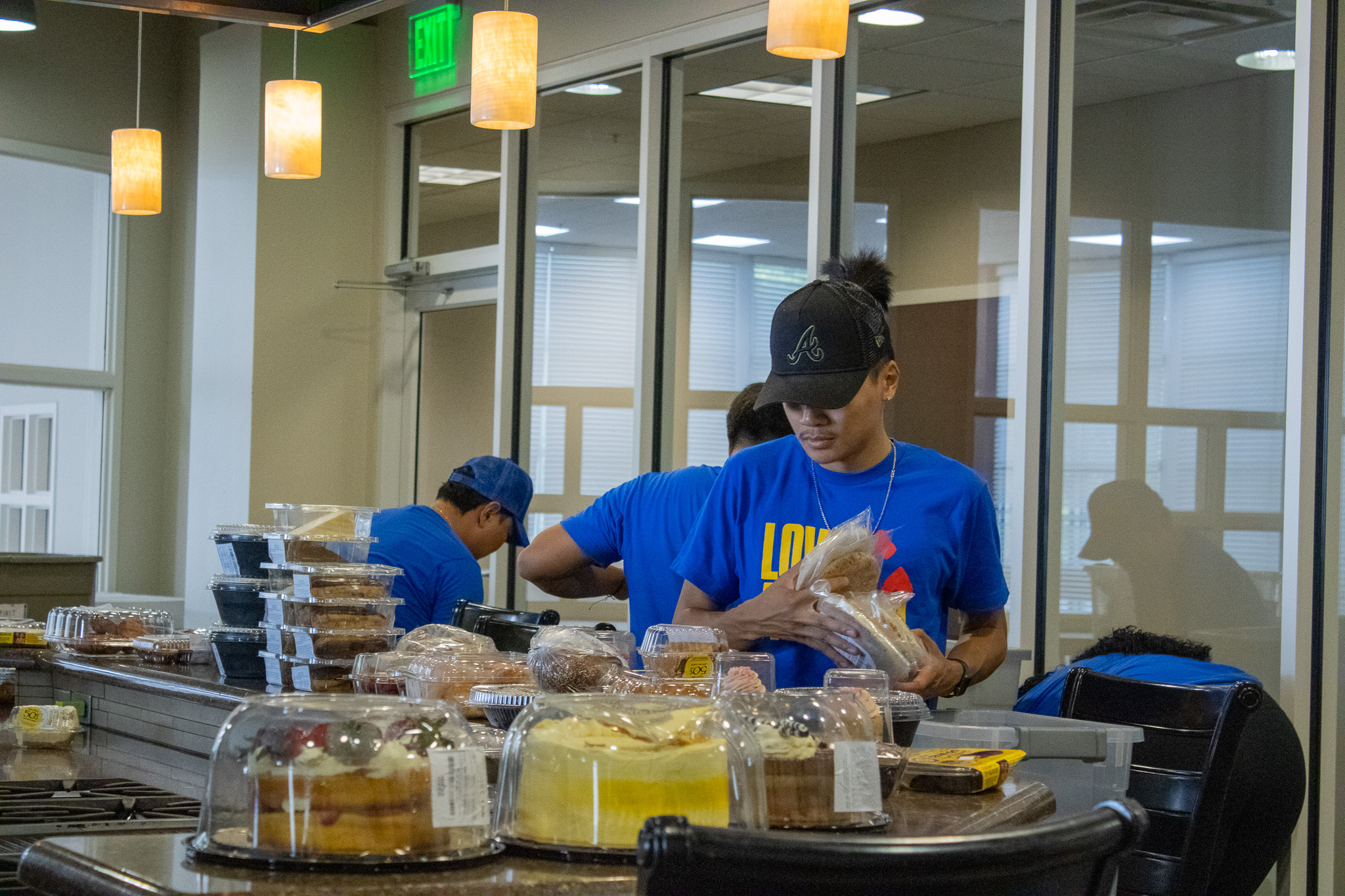
Day 2 saw a larger group come in ready to provide for our patients experiencing homelessness by preparing several hygiene kits which included items such as toothpaste, feminine care products, deodorant, soap, and much more. These kits were later distributed to patients who came in for an appointment at Good Sam for our Friday Clinic. Although this kit may seem small, it can be very impactful in the lives of our patients as it provides them with the opportunity to take care of themselves, despite their limited resources. It’s a form of reassurance that they are still worthy of care and that we are here to support them.
As a sort of bonus task, these volunteers were heading out just as Second Helpings Atlanta was coming in. Seconding Helpings Atlanta is a nonprofit food rescue organization that distributes healthy, nutritious foods to organizations that feed those in need. We receive this donation weekly, allowing us to distribute healthy foods to our Friday clinic patients. Given the timing of everything, the Love Atlanta volunteers who came in on Thursday were able to help us load our carts and bring all of these groceries upstairs to store for the next day. This project which normally takes a team of two about an hour to unpack and organize, took this team just 15 minutes!
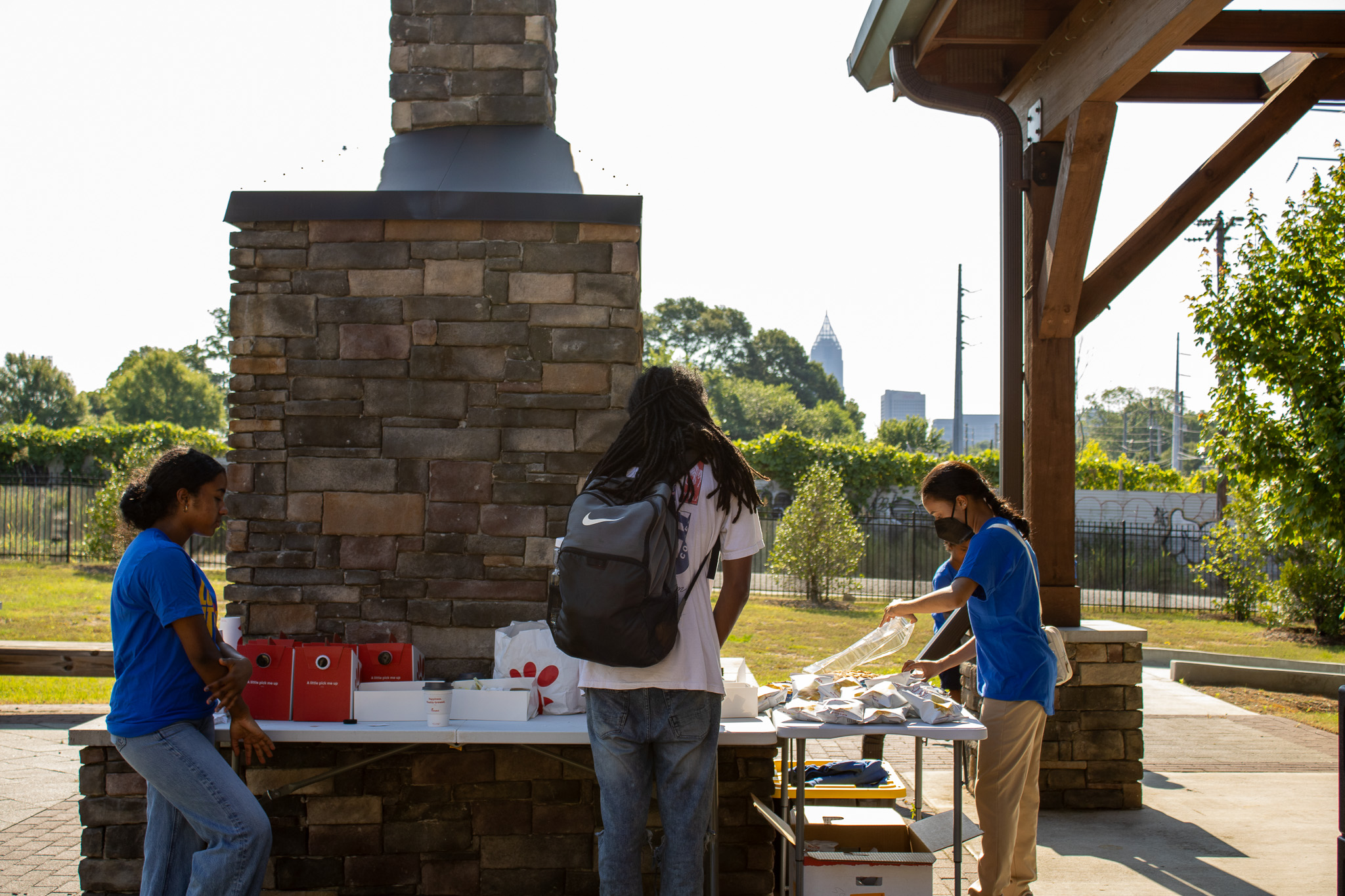 Friday was day three of having the Love Atlanta volunteers on campus. They came in bright and early to provide some worship and words of courage to our patients. They made sure not only to fill their hearts and minds but also their stomachs, as they offered them Chick-fil-A for breakfast. These volunteers were present from 9 am to 12 pm and offered our patients the simple gift of listening and fellowship. Sometimes the simplest gift you can give someone is the gift of open ears and an open heart ready to be present in the moment with them.
That same morning, we welcomed another group of volunteers who helped us prepare the community room and finance suite to be painted. They gathered furniture towards the middle of the room and removed everything from plaques on the wall to the baseboards. Plastic covered the majority of the room and the fans were on full blast as our volunteers worked through the morning to prepare the walls for paint to be applied the next day. When I say the fans were on full blast, I mean it. During that week the A/C on our second floor was out, and the Atlanta heat was as hot as could be. Not once did I hear any one of the volunteers complain about the heat. They just pushed through and even had fun while doing so.
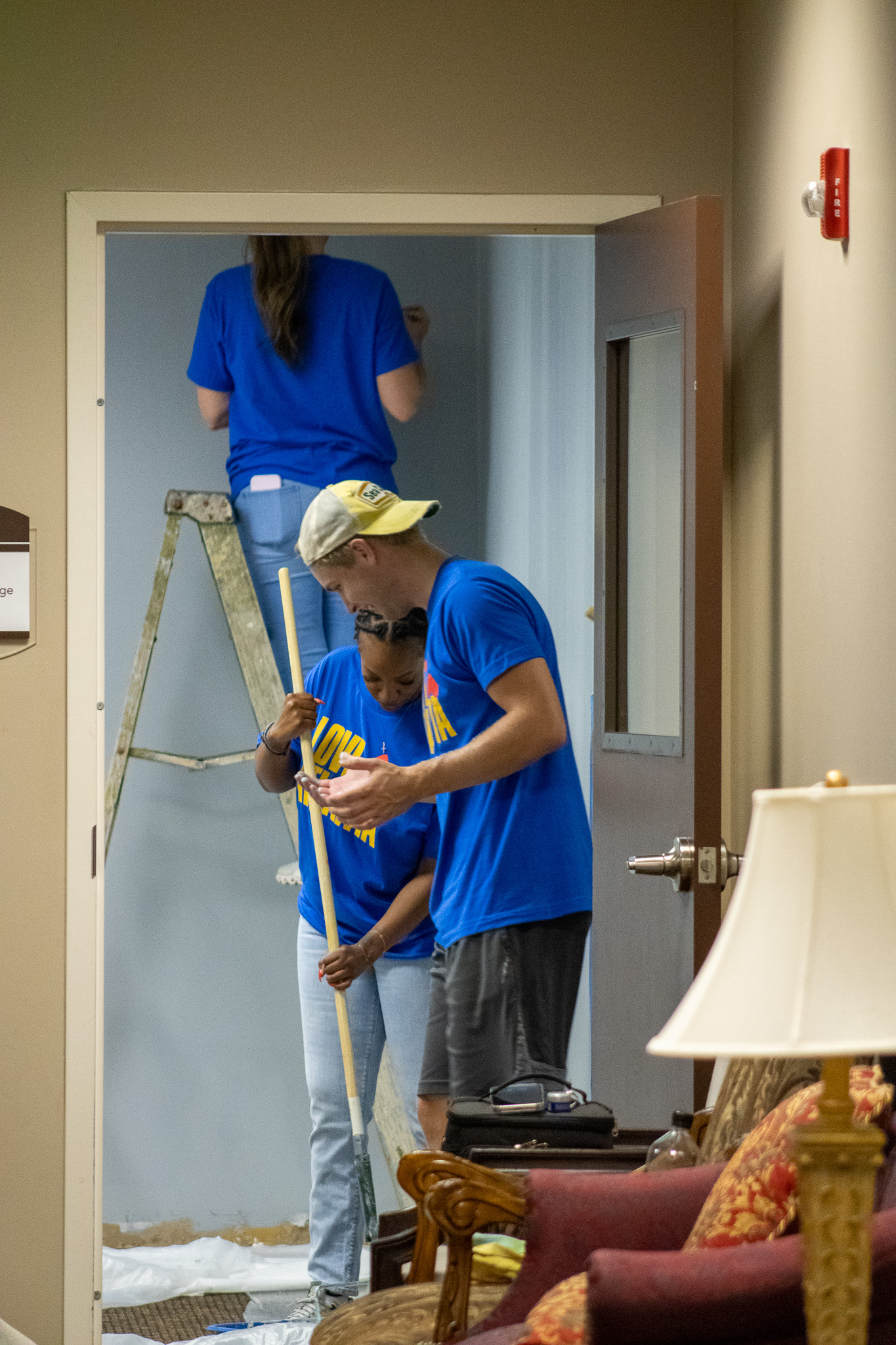
On the fourth and final day of hosting volunteers, we had two groups come in and paint our Community Room and Finance Suite. These two groups worked through the heat and gave Good Sam a new and fresh look. This new coat of paint not only made our space look more beautiful but it was an important step forward in our strategic plans to be Here for Good.
Love Atlanta truly showed us how they care and support their surrounding communities by showing up for us throughout that week. They saved us countless hours of work, provided budget-relieving resources, and brought many smiles to new faces. Their willingness to give of their time and service is greatly appreciated. The impact that they’ve made on the entire Good Sam family is immeasurable. It was a pleasure to welcome in these friends and we hope to see them again next year!
Tiffany Loredo
Marketing and Communications Coordinator
Good Samaritan Health Center
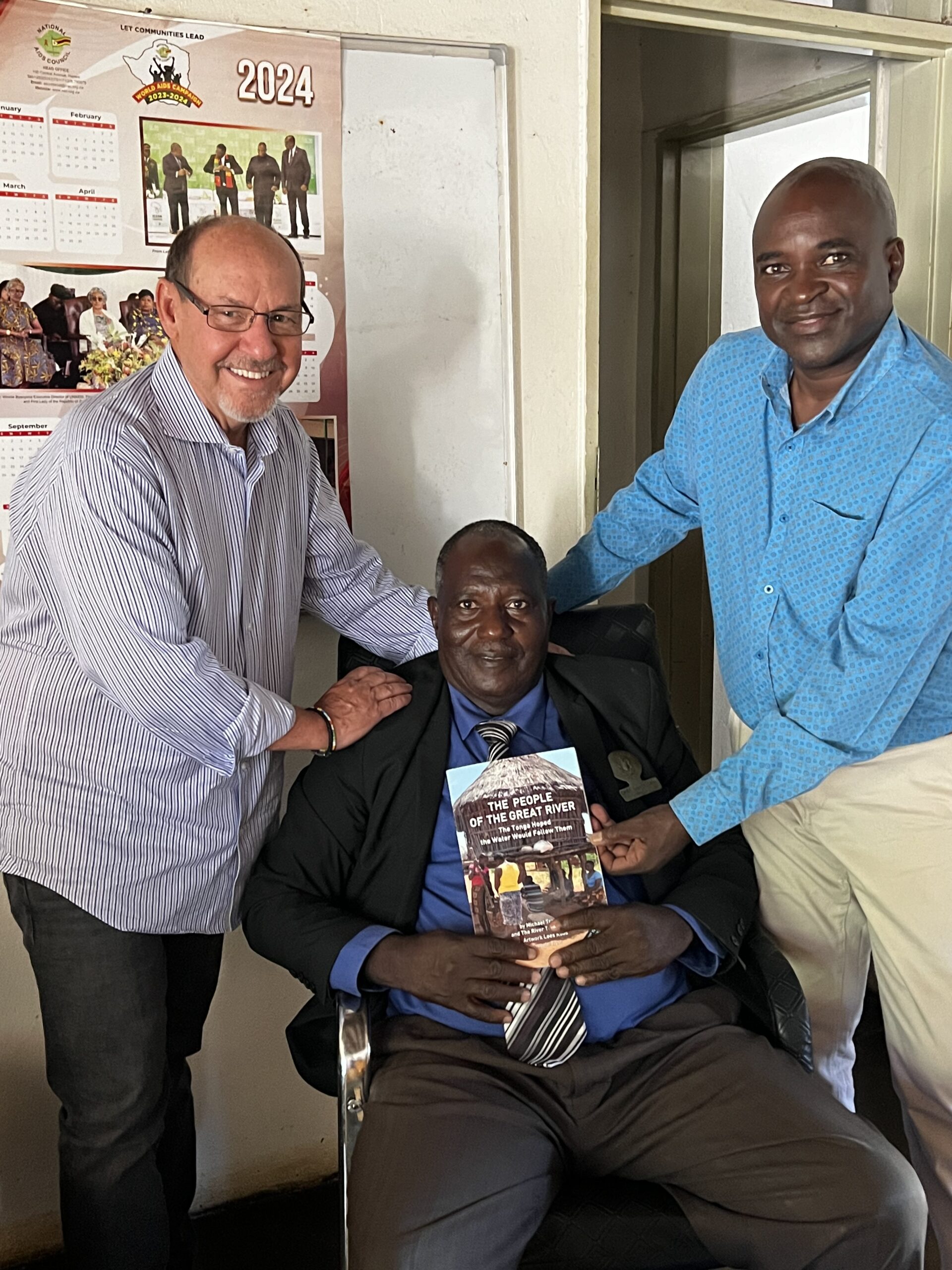
Basilwizi Trust Chief Sinakatenge
This week our blog post is not necessarily an update on Good Sam but on the wonderful work that one of our volunteer providers conducts outside the center. About a week and a half ago, we had the incredible opportunity to sit in on a lecture by Mike Tremmel, as he discussed his book, “The People of the Great River: The Tonga Hoped the Water Would Follow Them”, written in collaboration with The River Tonga People. While Dr. Tremmel was with us for only a brief 60 minutes, he left us with an abundance of knowledge on this tribe from Zimbabwe who is simply hoping to preserve their culture, heritage, language, and more.
Mike Tremmel has been a volunteer provider for our spine clinic for several years and during the pandemic, he was also the volunteer Captain for our HelplineSOS COVID-19 hotline. As a volunteer provider, Dr. Tremmel offers specialty orthopedic care at least once a month, to our patients who most need his assistance. Within the role of volunteer Captain for HelplineSOS, Dr. Tremmel managed a group of students and volunteers, in order, to smoothly answer hundreds of calls per week. This ensured that people calling the helpline received appointments for vaccines, testing, and other resources. His work within the walls of Good Sam is always deeply appreciated by anyone who crosses paths with him.
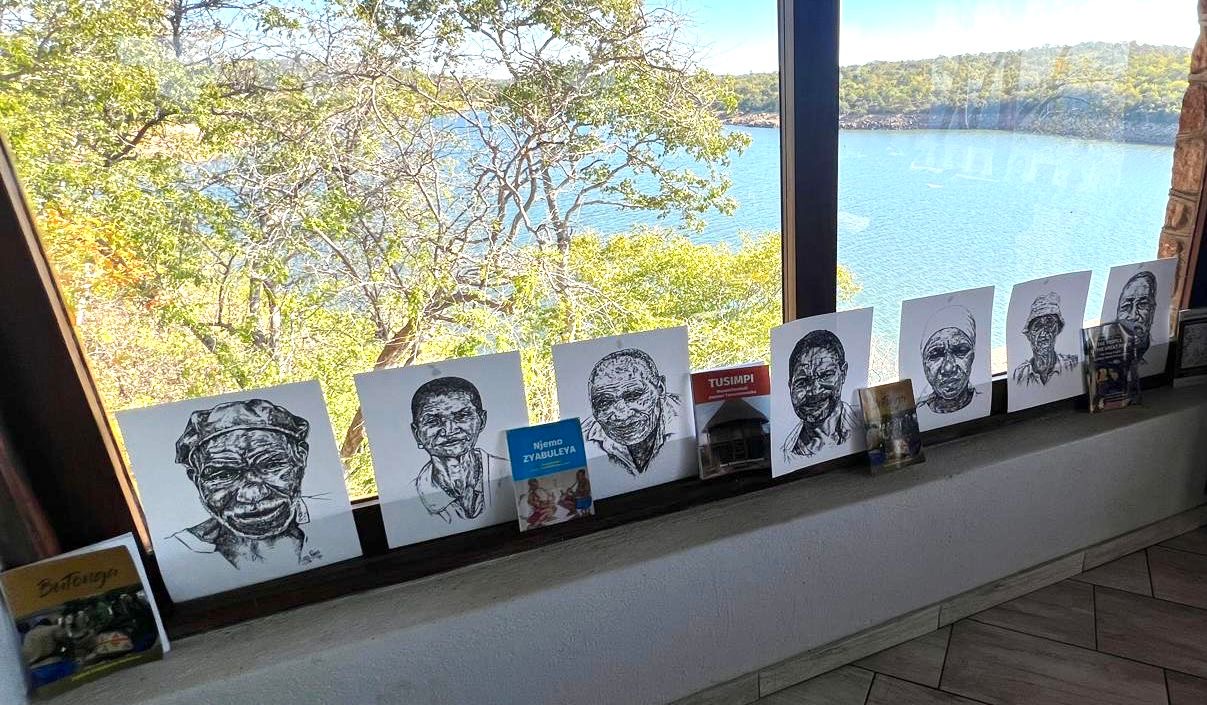
Illustrations from the book, "The People of the Great River: The Tonga Hoped the Water Would Follow Them"
As previously mentioned, his work extends beyond the doors of Good Sam and even past the exam room. Dr. Tremmel learned of the Tonga people about 30 years ago when he went on a “mission of accompaniment” to Binga, Zimbabwe. As a goodbye to the Tonga people, he decided to write a book with the help of the community elders. This book, “The People of the Great River: The Tonga Hoped the Water Would Follow Them”, is an opportunity to provide change and preserve a language at the stake of being lost. This Friday, we encourage you to look at the great work that Dr. Tremmel has been a part of.
Visit the website here to learn more about the Tonga Literacy Project and the rich history of the Tonga People. We all know that our language is important, but have we ever considered what would happen if we lost it? This is the question that the Tonga people ask themselves daily.
Tiffany Loredo
Marketing and Communications Coordinator
Good Samaritan Health Center
As we wave goodbye to Mental Health Awareness Month, we wanted to share the arrival of a new staff member. Earlier this year Charlie A. Davidson, a PhD level psychologist, joined our team as part of our plan to expand mental health access through the Here for Good strategic plan. Along with the amazing counseling team and psychiatrists who currently work at Good Sam, Dr. Charlie joins our mental health team and brings a new set of skills that will shape the future of care for our patients. This addition to the Good Sam family will not only help our patients better understand their mental health needs, but it will pave new roads for care given to them by their primary care provider(s). Here are a couple of things you should know about him.
How would you describe yourself and your professional background in brief?
My main job is Dad. I have a 2-year-old and a 5-year-old and have been together with my wife for 20 years. My free time is spent playing the bass, playing ultimate frisbee, and cooking. Recently, I've started to pick up jogging and swimming. I started my career in psychiatric neuroscience and then attended graduate school in clinical psychology and became more interested in therapy, psychosis, and SMI (serious mental illness). I'm a practitioner in evidence-based practices and psychosocial rehabilitation and recovery. I completed two post-doctoral fellowships and then became licensed in Connecticut. I then moved back to Atlanta, where I am originally from, and became licensed here. I have my own private practice, taught in a graduate program, and have worked in two digital companies. Good Sam is the first job that I’ve had in integrated primary care. It’s very exciting to work here because I have the opportunity to work with really talented people in allied health professions.
What is your current role at Good Sam? What are you hoping to bring to Good Sam?
My current title at Good Sam is Psychologist. Although Good Sam does offer counseling and psychiatric services, no psychological program has been offered that works directly with primary care in evaluation. In this role, I'm hoping to provide more diagnostic evaluations and create group and other therapy options. I'm hoping to work with the clinical team to track behavior health and fully implement the Full Circle of Health model that is offered.
Why did you choose to join Good Sam? What stood out to you about Good Sam?
I was lucky! I had started subletting in a new private practice office and it just so happened that Dr. Boswell and Dr. Mintz, two of Good Sam’s psychiatrists, were also in this suite. They shared the work of Good Sam and told me about the patient population that is served. One detail that really stood out is the fact that Good Sam aims to provide care to those who are uninsured or unhoused. Working at Good Sam means that I get to work with motivated patients who have challenges but are trying to get their lives where they want to be. Being that my role is new to Good Sam, it means that I have the opportunity to shape new services. I like having the ability to shape new things.
How do you think you will make an impact on those we serve here at Good Sam?
I think I will be impacting the lives of our patients similarly to how the current counseling and psychiatric team is doing. I'll be adding skills in a few areas of evaluation, behavioral, and holistic approaches, and I hope to bring new types of services to our team. All of this put together will help people get better faster.
What would you say to someone who needs mental health counseling or help, but is struggling to reach out?
This is hard to answer because the reason for the struggle to reach out is different for everyone. The main reason I’ve noticed why people have stopped themselves from getting help is because they feel that speaking about or accepting treatment means that there is something wrong with them. This is not true. This is not how it works. Most people believe that they should be normal but normal doesn’t exist. Most people throughout their lives will face moments and challenges that they will need help with. They might receive help from their friends or family and some will seek help elsewhere. Seeking help shows that you are healthy. It means that you want to do things in the best way possible. There is no shame at all in seeking help.
This was just a brief introduction to Dr. Charlie and his work. We are happy to have him join us at Good Sam and look forward to seeing our mental health department grow and provide a more well-rounded approach to healthcare. It’s truly a blessing to be able to offer these new specialized services and expanded access to our patients. We look forward to seeing all the great work and outcomes these services will bring to the Good Sam Family.
Tiffany Loredo
Marketing and Communications Coordinator
Good Samaritan Health Center
May is a very important month for many. We celebrate Mother’s Day, Memorial Day, and children, siblings, and grandchildren graduating from kindergarten, high school, or college. At Good Sam, this May we celebrate the very special birthday of our Founder and CEO, Dr. William Warren. While Good Sam celebrated its 25th year in 2023, this God-given dream to provide healthcare to those who need it has been around for a bit longer. Read along as his children Mary Elizabeth, William, and Cole give us their testimony of God’s work through the hands of Dr. Warren.
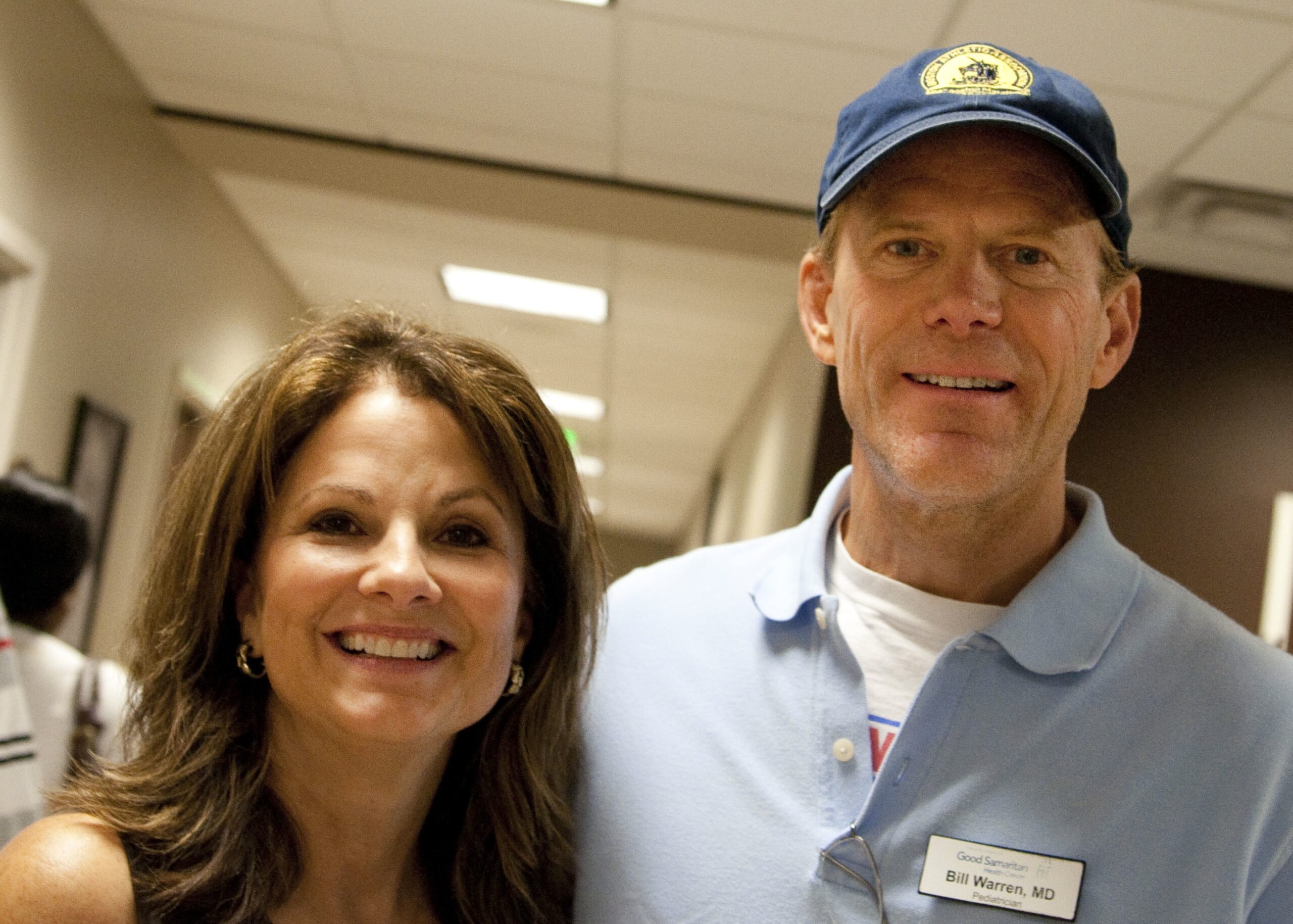
" At the tender age of 12, I remember sitting at our dinner table when my dad, Dr. Bill Warren, told me about his plans to leave his prestigious private practice (which felt like family) to serve as a doctor in the inner city. Most people he informed of his plans thought he had lost his mind, including ME! I loved that my Daddy was a well-respected, kind, and excellent pediatrician. I appreciated the feeling of stability this brought to my life. So many questions popped into my mind as he relayed the news, and he and our wonderful mom patiently answered them all. I was young (and largely clueless) and simply felt fearful not knowing what this monumental change would mean for MY life. However, as my dad pursued this calling from the Lord with the support of my mom, my admiration of my parents only grew. It became increasingly clear what this shift would mean for SO many lives, well beyond my own.
You’ve likely heard the adage from St. Francis, “Preach the Gospel at all times and if necessary, use words.” This is our father to the tee. Both at home, in coaching our sports teams, teaching our Sunday School classes, or giving me a steady stream of Coca-Cola so as not to pass out while fishing under the hot Cumberland sun, and also at the Good Samaritan where he has faithfully brought quality healthcare to the underserved or overlooked for almost 26 years and counting, my Dad has quietly and faithfully lived out the many verses he always impressed upon our ears and hearts: “To whom much is given, much is required” (Luke 12:48), “Whatever you have done unto the least of these, you have done unto me” (Matthew 25:40), and “Seek first His Kingdom and His righteousness, and all these things will be added unto you” (Matt. 6:33). On his 70th birthday, my brothers and I want to say we love you, respect you, and can only hope you’ve rubbed off on us a bit! "
~ Mary Elizabeth Warren Stone
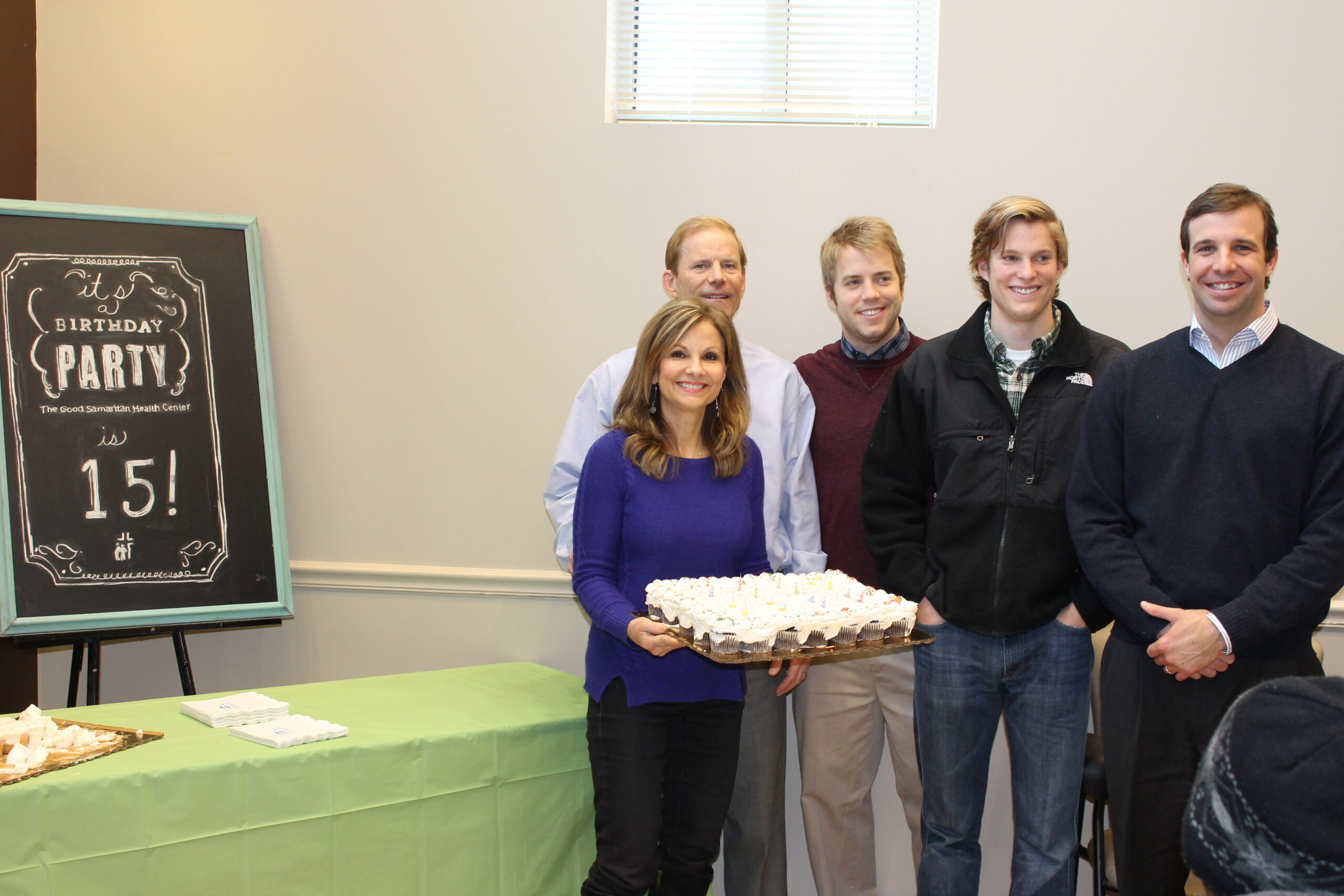 "In first grade, my Bible teacher asked the class if we knew anyone who loved God. I raised my hand and said, “my dad”. The teacher then asked, how do you know he loves God? I simply replied that every morning while eating my breakfast and getting ready for school, I would notice my dad spending time in his office reading his Bible and kneeling at his chair in prayer. While his morning robes were short and tacky, I was shown from an early age how much my dad loved God.
I don’t think anything in these 25+ years at Good Sam would have happened if my Dad, and those employed by Good Sam, didn’t love God first. Joshua 1:9 says, “Study this Book of Instruction continually. Meditate on it day and night so you will be sure to obey everything written in it.” It is not easy to pursue God. And it is not always easy to love Him. But, I think what my Dad’s story has shown me is that sometimes loving God starts with action and joining in his mission.
At an early age, I found it hard at times to trust in God and I remember my parents telling me to “coast on their faith” … and give it time. My dad’s faith has always been one of action and less of words. At 6 years old I remember him selling his sports car and switching to a super cool green minivan. I also remember at a young age watching him talk with care and intentionality to patients in need when he was on call late at night or on the weekends. I also have fond memories of walking the rough-in stage of the new Good Samaritan Center. He explained with excitement and detail that there would be a teaching kitchen, an urban farm, and a beautiful state-of-the-art dental wing all for this local community. This was incredible to watch as a little boy.
A verse in Matthew states - “Wherever your treasure is, there the desires of your heart will also be.” There is no doubt that my Dad’s biggest desire is to love God. But I believe that started with him giving up resources, time, and mental energy towards God’s calling. He developed a love for God by loving God’s mission and God’s people. For that, I am beyond grateful for the example he has shown me, and how as a little boy I could “coast on his faith” and begin to build my relationship and love for God. "
~ Cole Warren
You don’t have to have grown up in the love and instruction of Dr. Warren in order to have beautiful memories like these of him and his service. He demonstrates the love of God in his interactions with all: staff, friends, and patients alike. We are thankful to have had this special opportunity to get an even better glimpse into the life of the Warren family and for Mary Elizabeth, William, and Cole for providing this opportunity.
We, your Good Sam Family, have a celebratory message to share with you: Happy Birthday, Dr. Warren! Good Sam would not be here without you and we would not be stewards of His love in the ways that Good Sam allows us to be. We are blessed to work with and around you and we wish you nothing but the best as you grow another year wiser!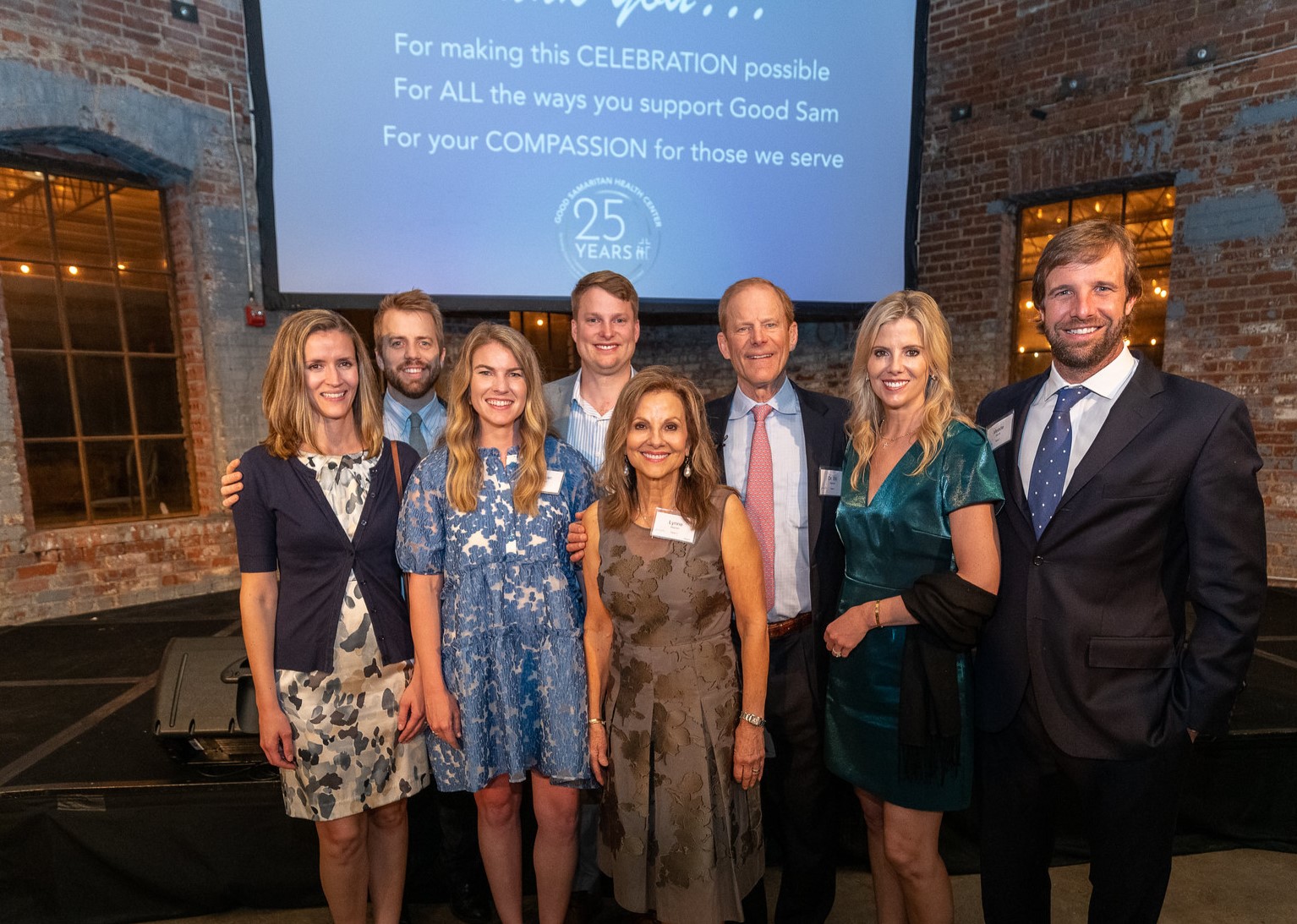
Tiffany Loredo
Marketing and Communications Coordinator
Good Samaritan Health Center
Why Is Mental Health Awareness Important?
Mental Health Awareness Month is one of many opportunities to discuss mental illness and its prevalence, as well as learn how we can support those experiencing mental health challenges.
What is mental illness?
In order to fully appreciate the benefits of mental health, let’s first take a look at aspects of mental illness. According to the American Psychological Association, a mental disorder, or mental illness, is any condition characterized by cognitive and emotional disturbances, abnormal behaviors, impaired functioning, or any combination of these.1
Two of the most widely reported mental illnesses are anxiety and depression.
Anxiety is defined as an intense, persistent, or excessive worry or dread about everyday situations that interfere with daily living, are difficult to control, and are out of proportion to the actual danger.2
Depression is a mood disorder that causes a persistent feeling of sadness and loss of interest, which affects how you feel, think, and behave.3
Many people are suffering in silence largely due to an inability to afford healthcare, as well as the stigma associated with getting therapy. Many turn to the use of substances like drugs and alcohol to cope, and of those, several contemplate suicide or have succeeded in following through.
Here are some sobering statistics on the rates and prevalence of mental illness in our country4:
21% of adults, over 50 million people, are experiencing a mental illness
55% of adults, over 28 million people, receive no treatment
16% of youth, more than 2.7 million, are experiencing severe major depression
60% of youth with major depression do not receive treatment
15% of adults had a substance use disorder in the last year, 93% received no treatment
4.8% of adults, 12.1 million people, reported serious thoughts of suicide
11% of adults with a mental illness, over 5.5 million, are not insured
What is mental health?
The World Health Organization defines mental health as a state of mental well-being that enables people to cope with the stresses of life, realize their abilities, learn well and work well, and contribute to their community.5
The staggering statistics above reveal many of us are living day to day mentally unwell. Mental health awareness becomes crucial then to shine a light on this national problem that affects so many people, robbing them of the ability to feel whole and be effective members of their families, communities, and society. You likely know someone who is struggling with mental illness or may have experienced it firsthand at one point making it a personal cause to uphold. Each one of us has a responsibility to engage in and support the awareness of mental health.
What can you do to help?
Do your research –
- Search trusted sites like the American Psychological Association, CDC, or the National Institute of Mental Health to learn more about mental health disorders and their symptoms so that you may be able to detect the signs in the people around you.
Normalize discussions about mental health to help destigmatize treatment/therapy –
- Take every opportunity, not only in May, to check on the mental well-being of those you care about. Ask your friends and family how they are doing if something about them seems off, take the time to listen without judgment, and seek to understand. Encourage your loved ones to seek treatment if needed.
- Participate in discussions about mental health via forums on social media, at your school, or in community settings.
Vote –
During elections, vote yes pertaining to matters that support mental health awareness and funding to help increase accessibility of treatment.
Novell Blain, LPC
Counselor
Good Samaritan Health Center
1https://dictionary.apa.org/mental-disorder
2www.nimh.nih.gov/health/topics/anxiety-disorders
3https://www.mayoclinic.org/diseases-conditions/depression/symptoms-causes/syc-20356007
4https://mhanational.org/issues/state-mental-health-america
5https://www.who.int/news-room/fact-sheets/detail/mental-health-strengthening-our-response
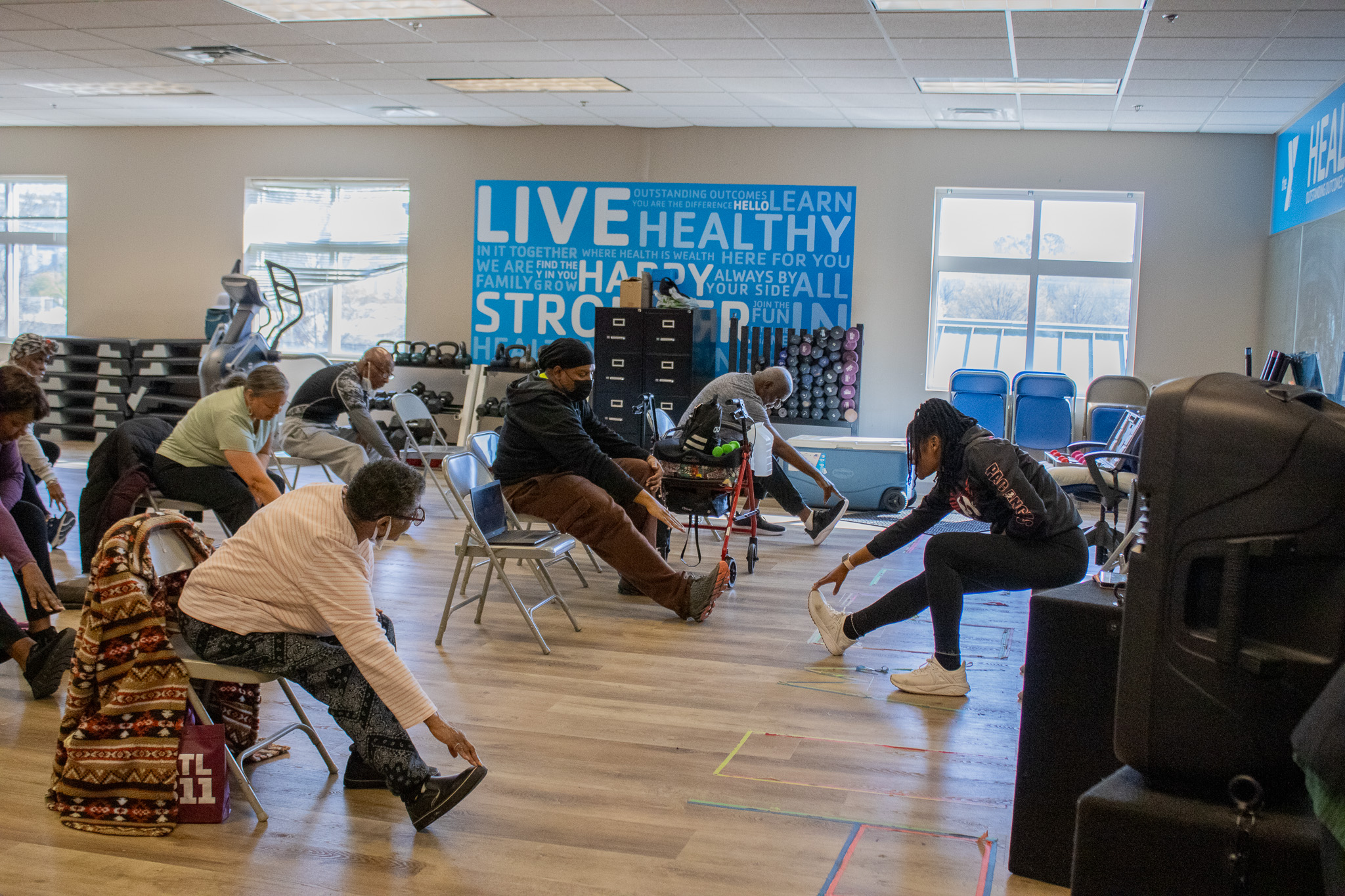 The health and wellness of seniors is a top priority for me, which is why I've developed a program specifically tailored to this demographic. Inspired by my active grandparents in their 80s, I aim to motivate and empower all seniors to stay active and healthy. This comprehensive program focuses on fitness, offering a variety of activities including resistance training, weight training, restorative yoga practices, and breathwork for recovery. In addition, our nutrition component is dedicated to educating seniors on proper dietary habits for their age group, with a focus on introducing budget-friendly plant-based meal alternatives.
The success of this program is measured by its metrics. We conducted weekly weigh-ins and observed positive weight loss results among participants. Surveys provided us with valuable feedback and insights into the program's progress from our participants. We discovered that the program provided valuable social interaction for those unable to leave their senior homes, increased knowledge of budget-friendly healthy meal options, and introduced easy-to-follow at-home workouts. Continue reading for some quick comments from participants of the program on their last day.
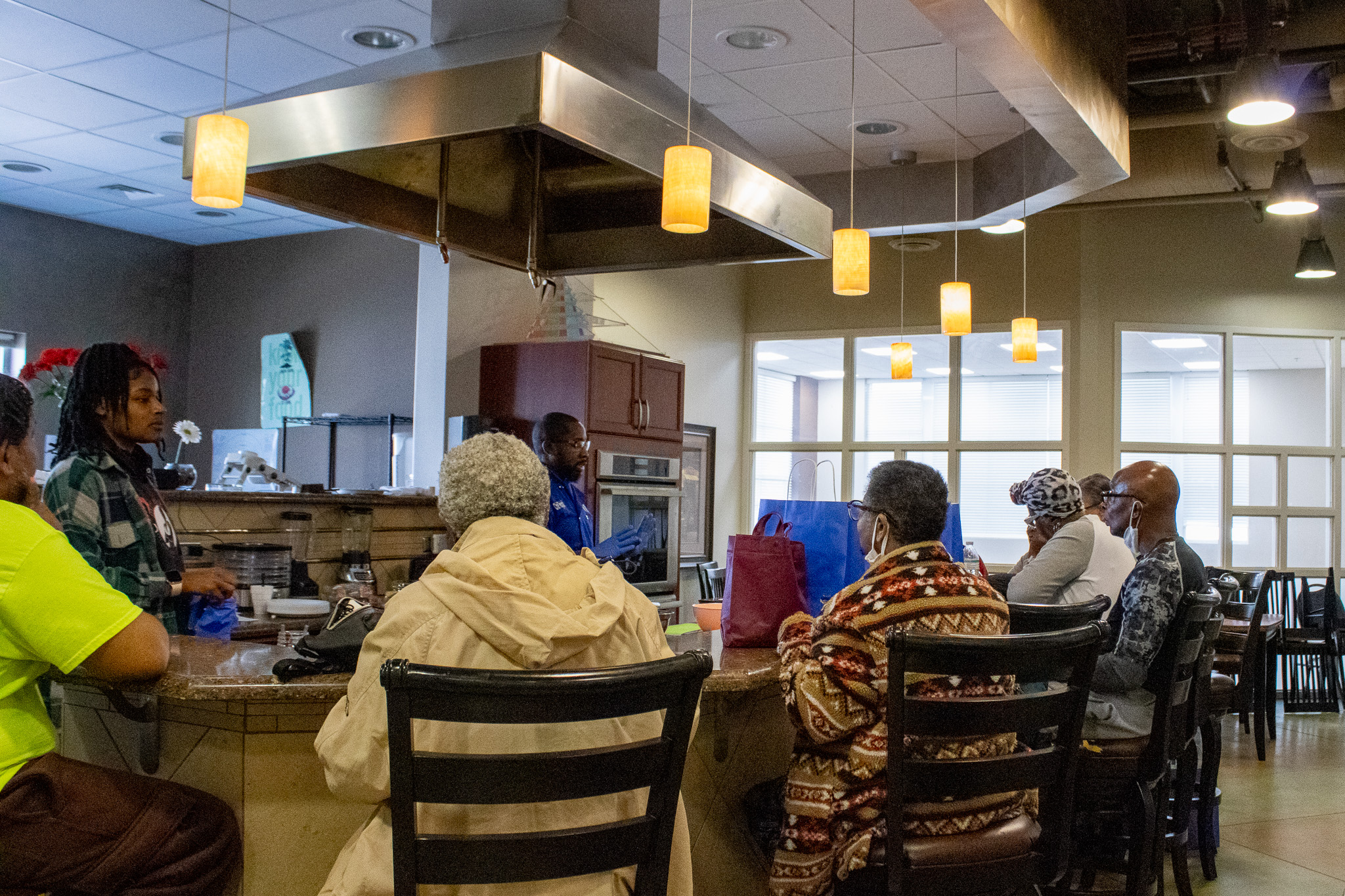 “The program is helping me to get healthier. Teaching me to work out more and we all love it! Don’t stop the program, keep it going! I've been here from the start. It has impacted my life because I've learned to eat healthier, and I’ve lost weight. My favorite part was doing the exercise and meeting new people. I love Coach Carter and Audrey. Throughout this class, I learned how to get up and exercise and how to do it at home.” - Participant 1
“I’ve been in this program for 4 weeks. This class has impacted my life by giving me more energy to get up and exercise. The workouts with music were my favorite part. The nutrition class is also very good. I've learned to incorporate a vegetarian diet into my normal diet and also that you have to put effort into working out, even if it's just for 20 minutes. I appreciate everyone, for pushing us and making us feel better.” - Participant 2
“I'm going to miss them, it's been very nice. I've been here for a while. This class has impacted me for the better. It helped me figure out how to work out because I had stopped working out. I didn’t have a favorite part of the program because I enjoyed it all. Everyone was very nice!” - Participant 3
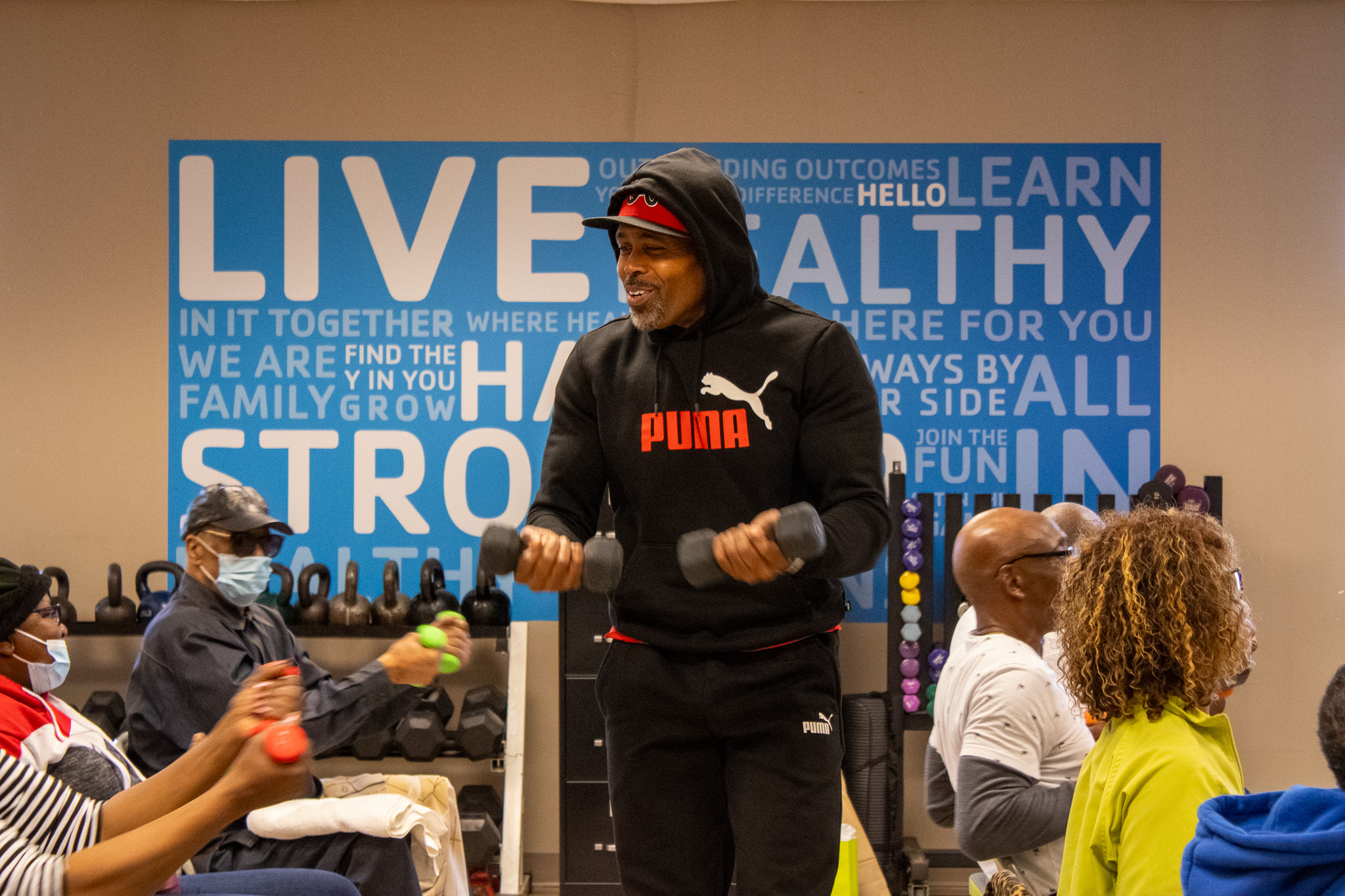
“I’ve been a part of this program for two months now. It's impacted me a lot. It has helped me move better and helped me figure out how to work out. Working out with Audrey and getting information on how to better care for my joints has been my favorite. The nutrition class has helped me learn more new foods, like how avocados can help my joints and mushrooms as a vegetarian option for meatless tacos. I liked the nutritional information they gave. I think the program is good and Coach pushes us a lot more and it’s a good motivational program. I wish they offered the class more days throughout the week like Monday, Wednesday, and Friday.” – Participant 4
Audrey Clark
Community Outreach and Market Manager
Good Samaritan Health Center
 March is National Nutrition Month®! National Nutrition Month® is a yearly movement established in 1973 by the Academy of Nutrition and Dietetics, the world’s largest organization of nutrition and dietetics professionals. Throughout, the month of March, and beyond everyone is invited to learn about making beneficial food choices and developing healthful eating and physical activity habits.
National Nutrition Month Theme
I’m a registered dietitian nutritionist who helps my patients create healthy long-term habits that fit their food preferences and budget. I like this year’s theme, “Beyond the Table,” because it focuses on the farm-to-fork aspect of nutrition, from how our food is produced and distributed, to shopping at grocery stores and farmer's markets. It also points out the different ways we eat including at home, on-the-go, and at restaurants. This theme also includes the sustainability of our food systems. How to decrease food waste from home, at work, school, and elsewhere.
National Nutrition Month Tips
Follow these healthful tips in March and all year long.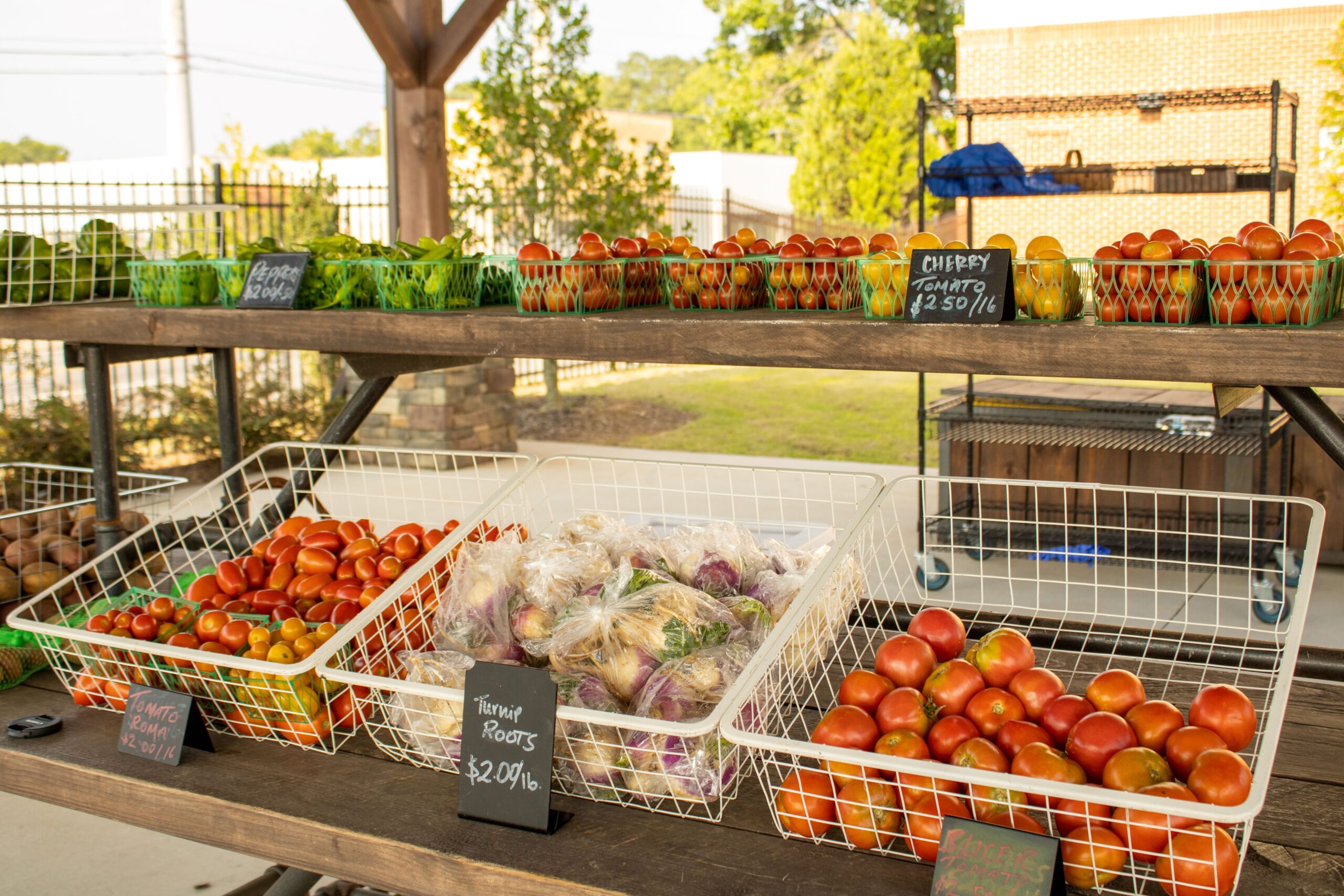
-
- Stay nourished on any budget. Learn to cook a few basic recipes and use a grocery list and shop sales when purchasing food.
- See a Registered Dietitian Nutritionist (RDN). Ask your medical doctor for a referral to see an RDN or find one at eatright.org. An RDN can give you personalized nutrition information to help you with your health intentions.
- Eat a variety of foods from every food group. Enjoy your favorite cultural foods and traditions. Try new foods or global cuisines often. Experiment with recipes using different seasonings and ingredients.
- Eat with the environment in mind. Enjoy more plant-based meals and snacks. Reduce food waste by getting creative with leftovers or freeze leftovers for later. Buy foods in season and from local farmers including Good Samaritan’s Urban Farm when possible or grow your vegetables.
Jerlyn Jones, MS MPA RDN LD CLT
Registered Dietitian
Good Samaritan Health Center
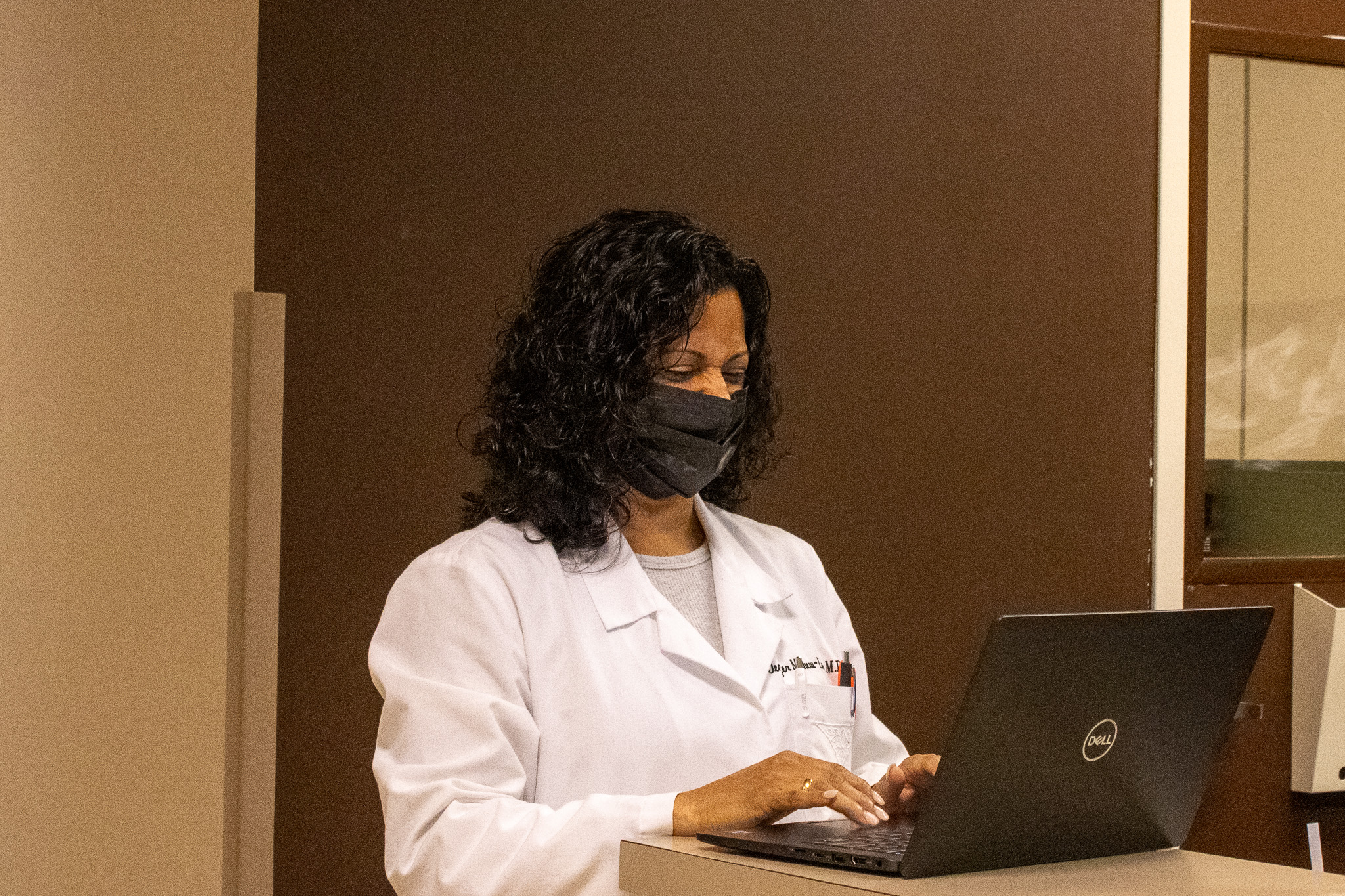 Four mornings a week, the staff starts our day at Good Sam with a time of devotion and prayer. Staff members are each scheduled for mornings throughout the year to share their personal nudgings from the Holy Spirit, a passage of scripture, text from a favorite devotional, an excerpt from a sermon they’d heard recently. A few weeks ago, Dr. Jennifer Mathew, one of our medical providers, shared her thoughts on John 5 and the story of The Healing at the Pool on the Sabbath.
In case you aren’t familiar with the story, here’s a brief history and recap. Jesus has just come to Jerusalem from Galilee. He arrives and visits a pool, called Bethesda (“House of Mercy), that provided water for the temple. This pool and the surrounding area were a haven for many disabled people, both because it was shaded and because the pool was believed to have healing powers! The legend was that an angel would descend into the pool and stir up the water. The first person to enter the pool after the stirring would be healed. You can imagine the number of people in need who gathered there, in hopes of healing and, at the very least, comfort.
“One man was there who had been an invalid for thirty-eight years. When Jesus saw him lying there and knew that he had already been there a long time, he said to him, “Do you want to be healed?” The sick man answered him, “Sir, I have no one to put me into the pool when the water is stirred up, and while I am going another steps down before me.” Jesus said to him, “Get up, take your bed, and walk.” And at once the man was healed, and he took up his bed and walked.” John 5:5-9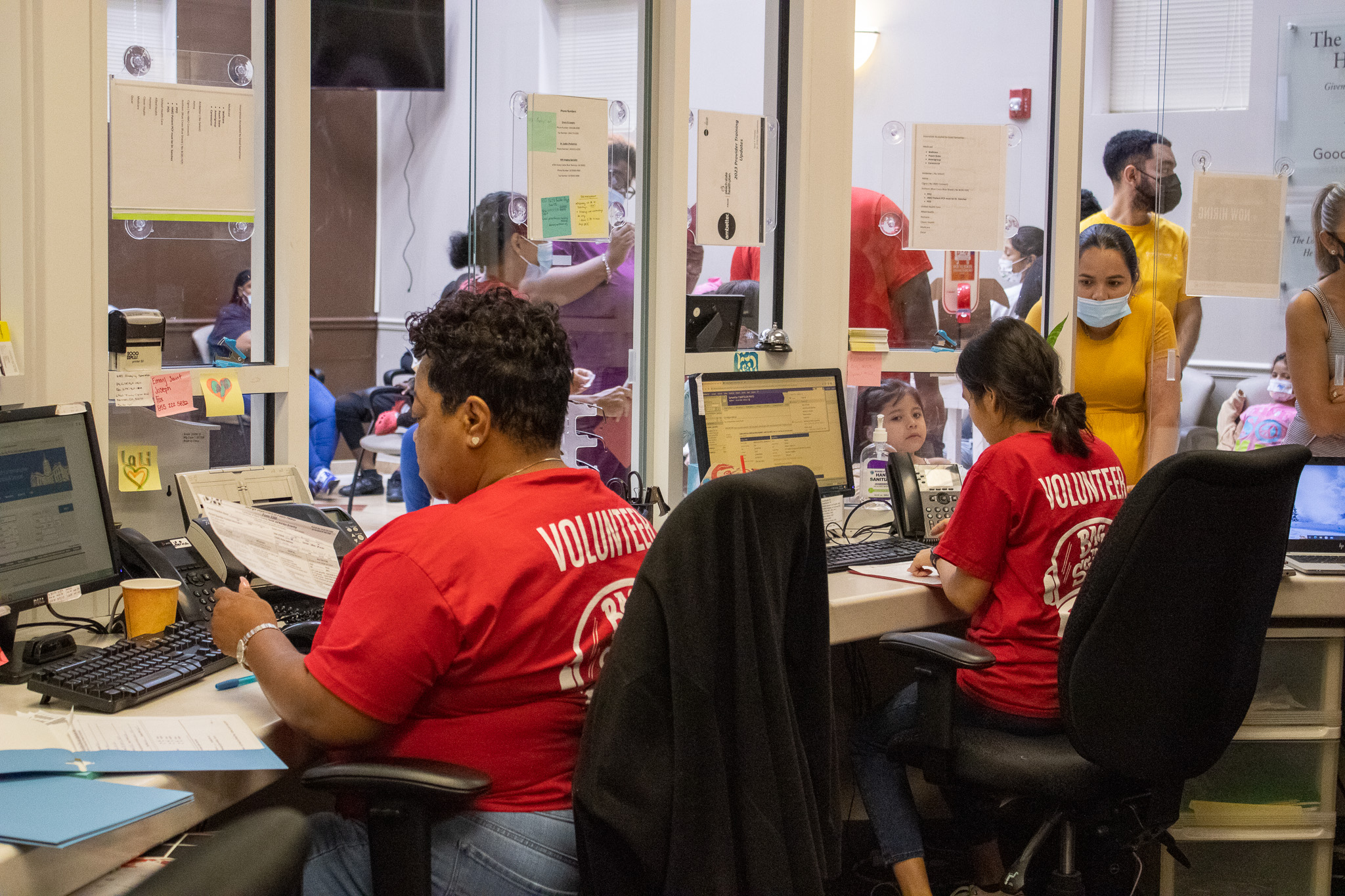
“Do you want to be healed?”
What a fascinating question. This man has been an invalid for thirty-eight years. He’s hanging out at a pool renowned for its power to heal. Jesus knows all of this, yet he asks “Do you want to be healed?” Such a simple question and also such a beautiful picture of how Jesus comes alongside us in our humanity and our need. As we listened to Dr. Mathew’s devotion, we were struck by the fact that this is what we inherently do for our patients at Good Sam. They face so many barriers in trying to access basic human and health services, I’m sure it often feels like they have no choice in these matters. A persistent lack of autonomy affects a person’s quality of life, their motivation to seek health or build meaningful connections, and ultimately their mental and physical health. With one question, “Do you want to be healed?” Jesus provides the power of choice to the man. With our doors open wide, we do the same.
“Sir, I have no one to put me into the pool when the water is stirred up, and while I am going another steps down before me.”
This part of the story also hits close to home. I’m not a provider, but I’ve done this work long enough to know that our patients have a list of reasons, excuses, explanations, and sufferings they bring with them into the exam room. Their hope has waned, even as they’ve managed to get an appointment with a provider that can genuinely put them on a path toward healing. The vulnerability of believing that it could actually happen is too much to bear. It’s easier to remain powerless than to make the trek back toward the pool to just have someone beat you there yet again, to rob you of your miracle.
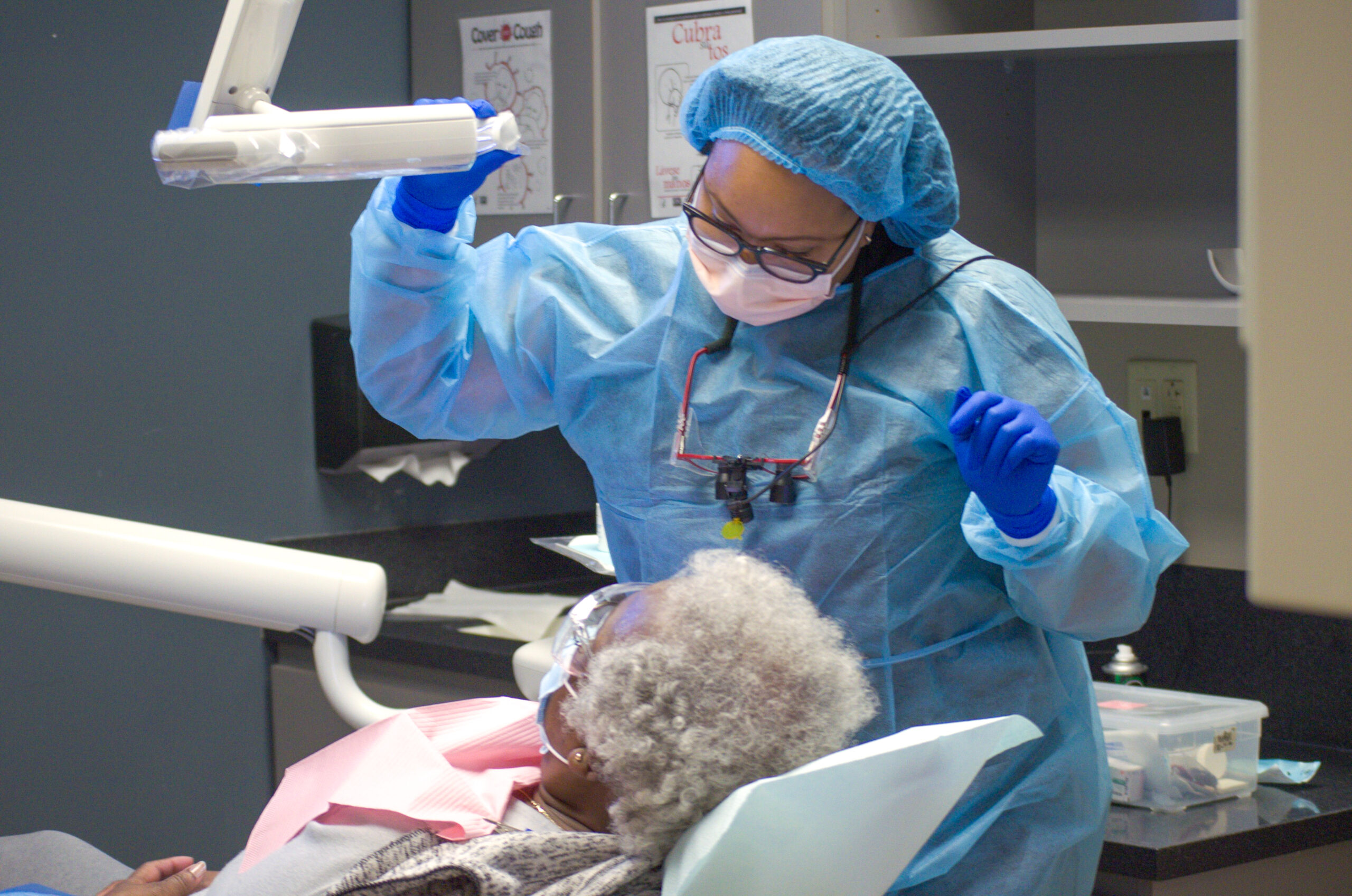 Jesus in his kindness says simply “Get up, take your bed, and walk.” The steps are simple, the prescription is clear. While patient care at Good Sam is not necessarily that straightforward, the message is the same. You can do this. Take action, follow our guidance, health is here.
In what I’m calling the “follow up appointment” of this story, Jesus finds the man again in the temple and says to him (v. 14) “See, you are well! Sin no more, that nothing worse may happen to you.” The healing of the body can happen in an instant. The healing of the human condition takes time and patience. Our work is not complete with one appointment, nor is the patient’s. And that’s okay because generous donors ensure our doors remain open for the next visit and for the one after that. Brave patients come in for their next appointment and hopefully the one after that. Patient providers, counselors, medical assistants and dental assistants show up day after day to offer the dignity of choice and a treatment plan to follow. And most importantly, we serve the God of the universe who does not tire of our need, our excuses, our humanity. He sent His son to be fully human and fully divine, to sympathize with our weaknesses (Hebrews 4:15), so that in him we might become the righteousness of God (2 Corinthians 5:21). In Him, we will all be healed. And because of Him, we can ask our neighbor “Do you want to be healed?”.
Heather Kersey
Chief Development Officer
Good Samaritan Health Center
Did you know that our Senior Leadership Team is composed of mostly women?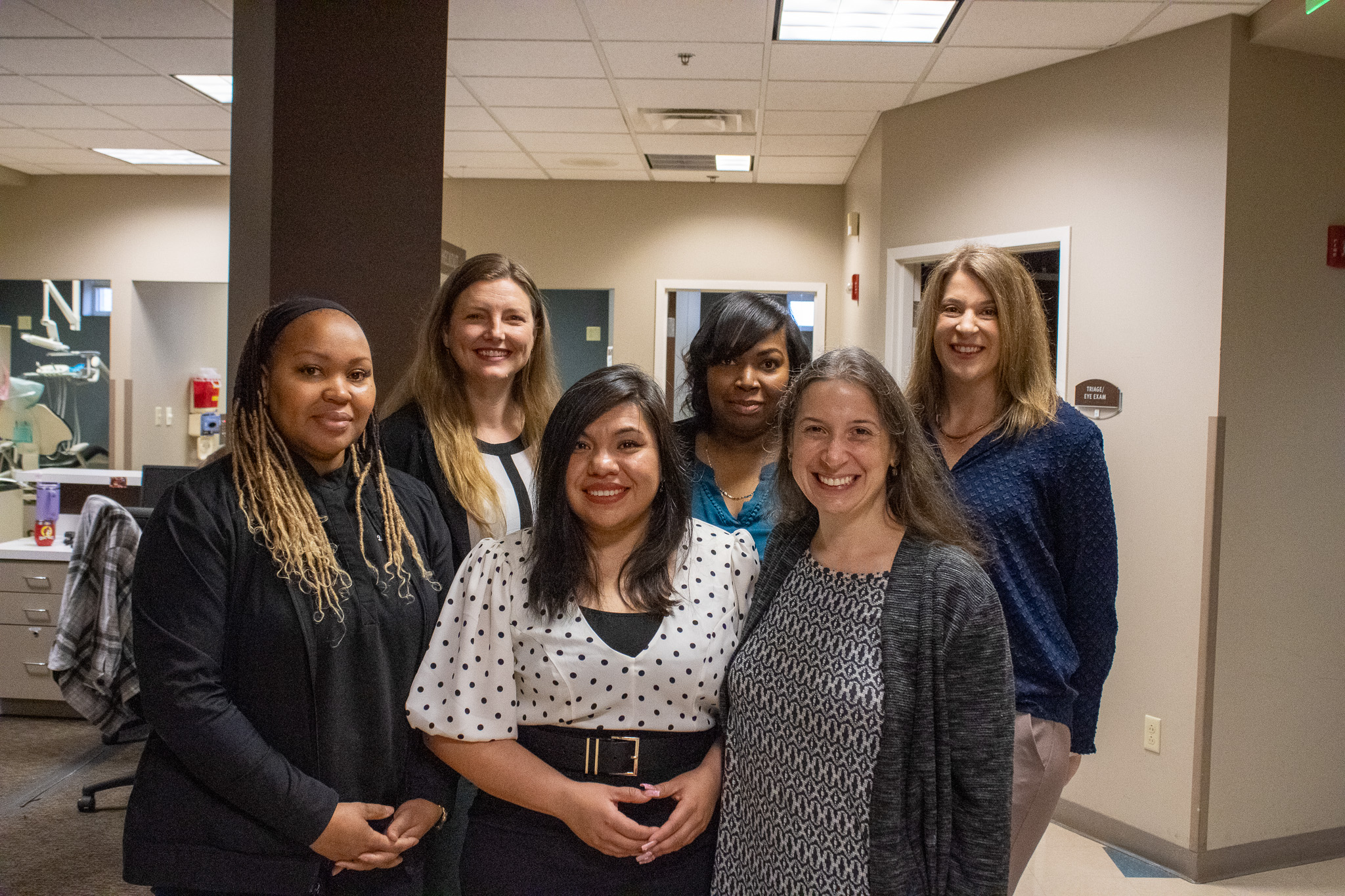
If you didn’t know, now you do. Just take a peek inside Good Sam and you'll quickly see that many of the employees are women. I don’t have a number for you, but take a good look next time you step in and you might just be able to count all of the men of Good Sam on one hand.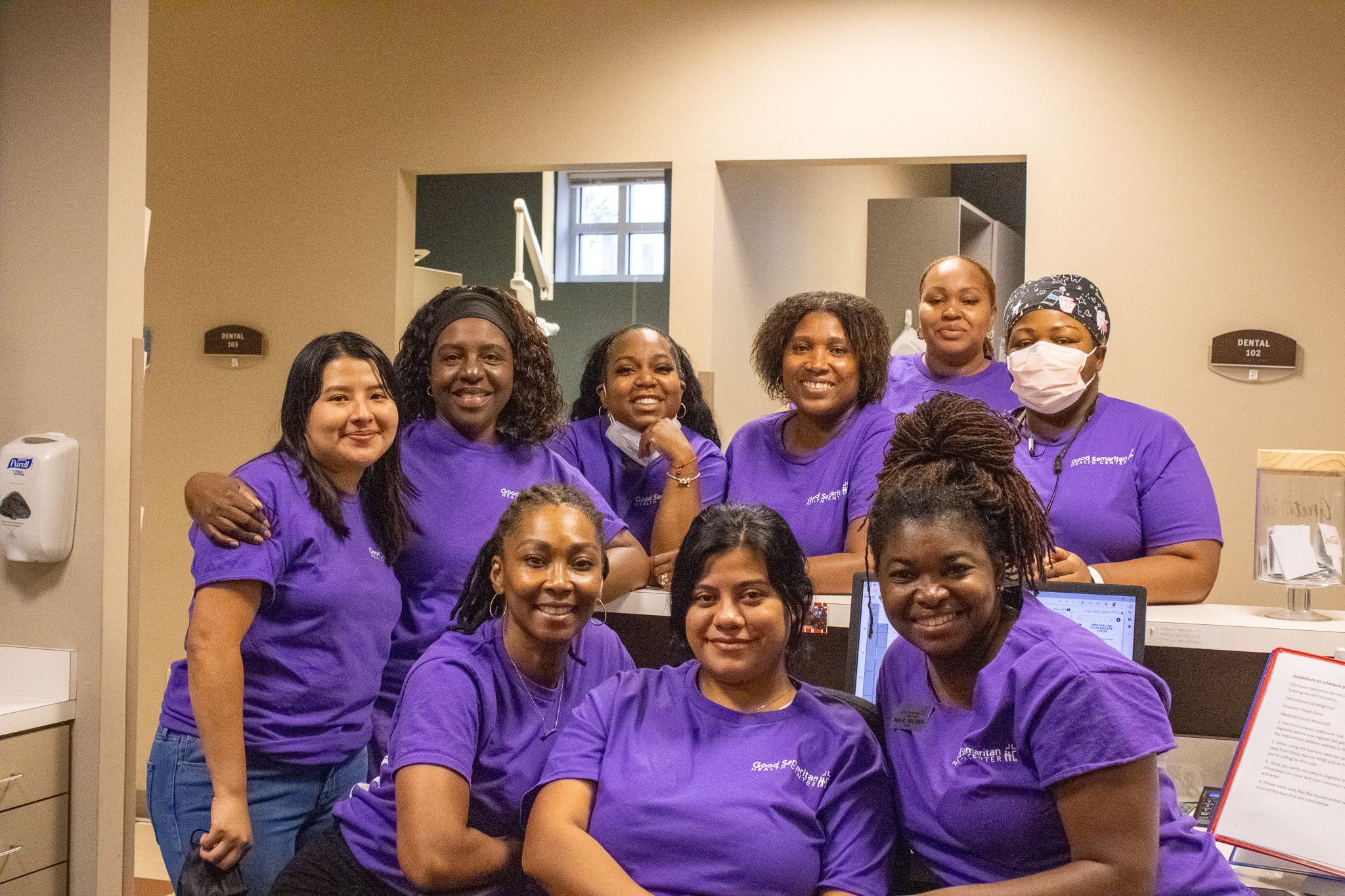
Some might ask why this is important and others might just see it as great news that needs no explanation. But the thing is that to see so many women surround you day in and day out is exciting. Coming from a historically women's college to Good Sam means that it wasn’t too huge of a jump for me, but it was exciting nonetheless. Working next to such talented, powerful, insightful, and kind women is a breath of fresh air from all of the male-dominated spaces that surround us.
Another fun fact is that women makeup 75% of workers in the sectors that make up most nonprofits, think of jobs in education, health care, and social assistance (Broken Ladders: Barriers to Women’s Representation in Nonprofit Leadership, 2018). Given the large number of women in this sector, it’s easy to assume that women would take up a proportional amount of leadership positions. A not-so-fun fact is that only about 35% of Nonprofit CEOs with budgets of $2.5M to $5M are women (Broken Ladders: Barriers to Women’s Representation in Nonprofit Leadership, 2018). This shows that women may make up a large chunk of the workforce but they do not take up the same amount of space in leadership positions.
 Despite this discrepancy across the nonprofit sector, I'm happy to say that we don’t see that here at Good Sam. Seeing so many women holding these positions of leadership at Good Sam is not only empowering and motivational but reflective of the patients that we serve, given that a majority of our patients are women. Internal growth and diversity have always been a key to success at Good Sam and it is something that is seen very often. The entire Senior Leadership Team has grown a lot since they first stepped into Good Sam. Lizeth Rodriguez has gone from Guest Services Associate to Patient Access Director and Breanna Lathrop has gone from Family Nurse Practitioner to Chief Operations Officer. I’m overjoyed to know that I work in a place that sees my gender identity as something that holds value as opposed to being a limitation.
This International Women’s Day, cheer on the women in your life who you see pushing for a better and brighter future. Celebrate those who have paved a way for those who come after them. Create the space for women to hold the leadership positions that they deserve. I’ll leave us all with a quote to remind us of the importance of making our voices heard and leaving the space to hear others.
“No Country Can Ever Truly Flourish If It Stifles The Potential of Its Women And Deprive Itself Of The Contributions Of Half Of Its Citizens. ” – Michell Obama
Tiffany Loredo
Marketing and Communications Coordinator
Good Samaritan Health Center
February is American Heart Month and Black History Month. Two important reasons to celebrate and educate yourselves on what exactly is celebrated in February.
Earlier this week, we shared some tips on how to have a healthy heart through making small changes in your day-to-day life.
Today, we are hoping to share a bit more about the importance of Black history, especially within the medical field.
Before we share some history, ask yourself this question about current numbers in the healthcare field. Do you happen to know just how many physicians in the U.S. identify as Black or African-American?
Take a guess and understand that this question is important because we should always strive for diversity in all fields of work. More diversity in the faces you see in your medical office can sometimes mean that you'll have someone who can relate to your healthcare struggles on a deeper level. Diversity in the healthcare workforce can translate to better policies, better care, and overall better healthcare outcomes.
Based on numbers collected in 2020, the population of Black or African-American people in the U.S. is about 12.1% of the total population (“The Chance That… Increase since 2010”, 2020). A shocking fact to answer our previous question is that 5.7% of physicians in the U.S. are Black or African-American ( “What’s your specialty?”, 2023). Although Black people are such a huge part of the U.S. population, due to systemic barriers they have not been able to be represented within the healthcare system.
The fact that only 5.7% of physicians are Black or African-American, doesn’t change the fact that some Black physicians have made real strides at improving healthcare for all. Here are just two brief examples of Black History within the medical field.
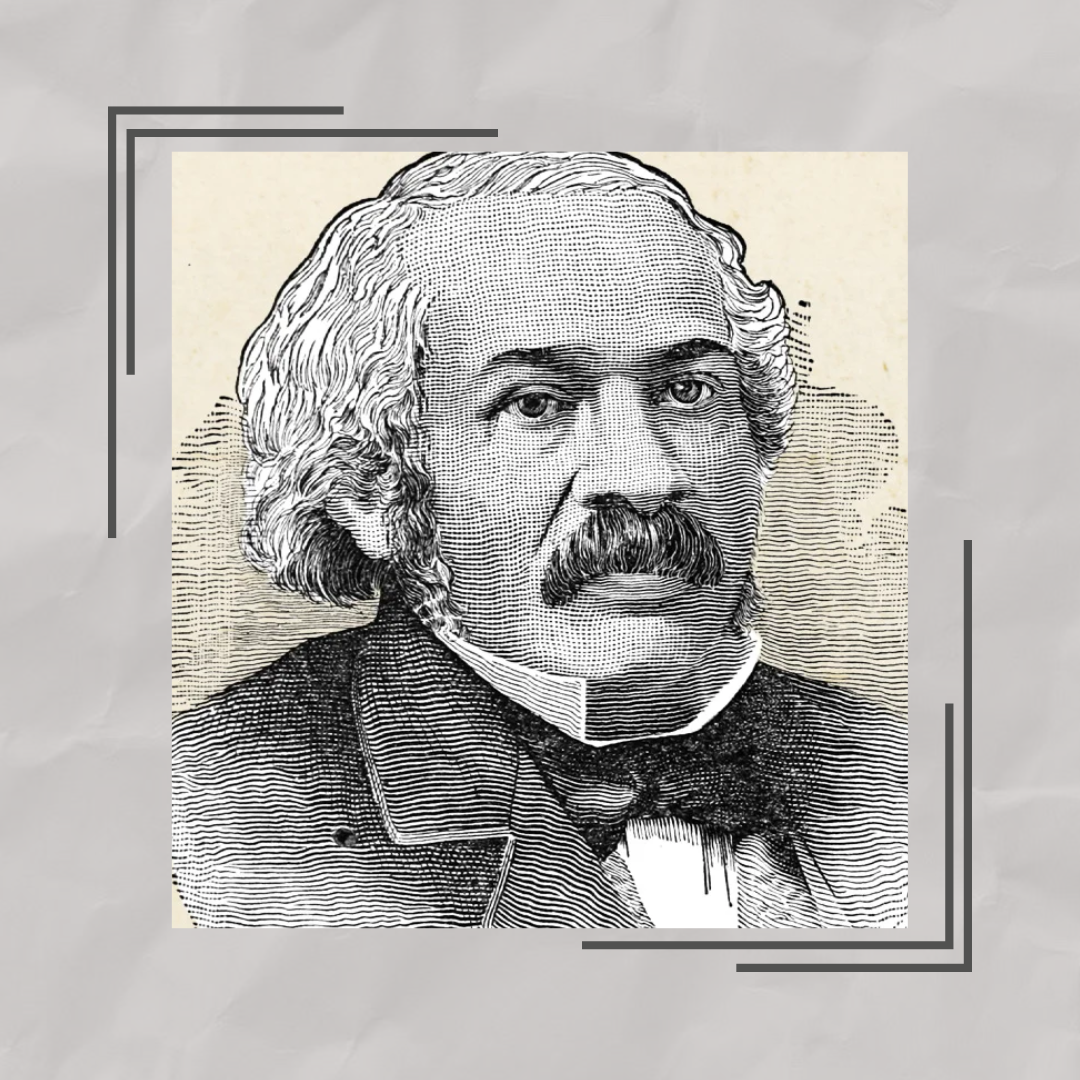
James McCune Smith (April 18, 1813 – November 17, 1865)
-
-
-
-
-
- The first black physician in America, who received his medical degree from the University of Glasgow, Scotland in the 1830s.
- Also known to be a leading abolitionist, author, and apothecary.
- James McCune Smith not only changed how we see healthcare but he helped reform the lives of African American people by challenging pseudoscientific justifications for African-American oppression” (Bryan Greene). https://www.smithsonianmag.com/history/james-mccune-smith-america-first-black-physician-180977110/
-
-
-
-
Daniel Hale Williams (January 18, 1856 – August 4, 1931)
- Williams was one of the very first doctors to perform a successful open-heart surgery, which allowed his patient to live for an additional 20 years after a knife wound to the chest.
- Williams’ also founded the Provident Hospital and Training School for Nurses, intending to provide a safe space for both African American patients and medical professionals within the medical care community.
To learn more about the physicians above make sure to read and click the links above. But for now, make sure you continue to celebrate Black History Month for the wonderful impact Black and African American individuals make in your daily life.
Happy American Heart Month and Black History Month! Make sure to leave a comment on Instagram if you learned something new or felt inspired to do some research of your own.
Tiffany Loredo
Marketing and Communications Coordinator
Good Samaritan Health Center
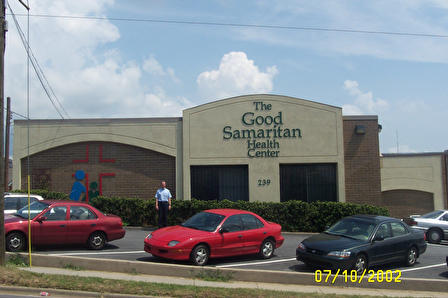
This is my first time contributing to the Life at Good Sam blog. In so doing, I have been tasked with reflecting on 25 years of service to our community. With that in mind and rather than recreating our history, I thought that I would recount our early, formative years. It’s these years that laid the groundwork for everything that has come after and on which I think back so fondly now.
In 1997, after spending time volunteering in four distinct health centers serving the poor (you could conclude that I was doing my homework), God impressed upon me the need to establish The Good Samaritan Health Center. This began the very purposeful and prayerful approach to eventually opening our doors on January 4, 1999. This approach included the recruitment of a board of directors, the crafting of a business plan, becoming incorporated and achieving our 501c3 distinction, the location and purchase of a clinic site, securing a line of credit, raising the needed funds and spending these funds on the remodeling of our building, hiring our initial staff of seven, and finally our opening! I know that this is a very long sentence, and I’m honestly tired just thinking of all we did in that time.
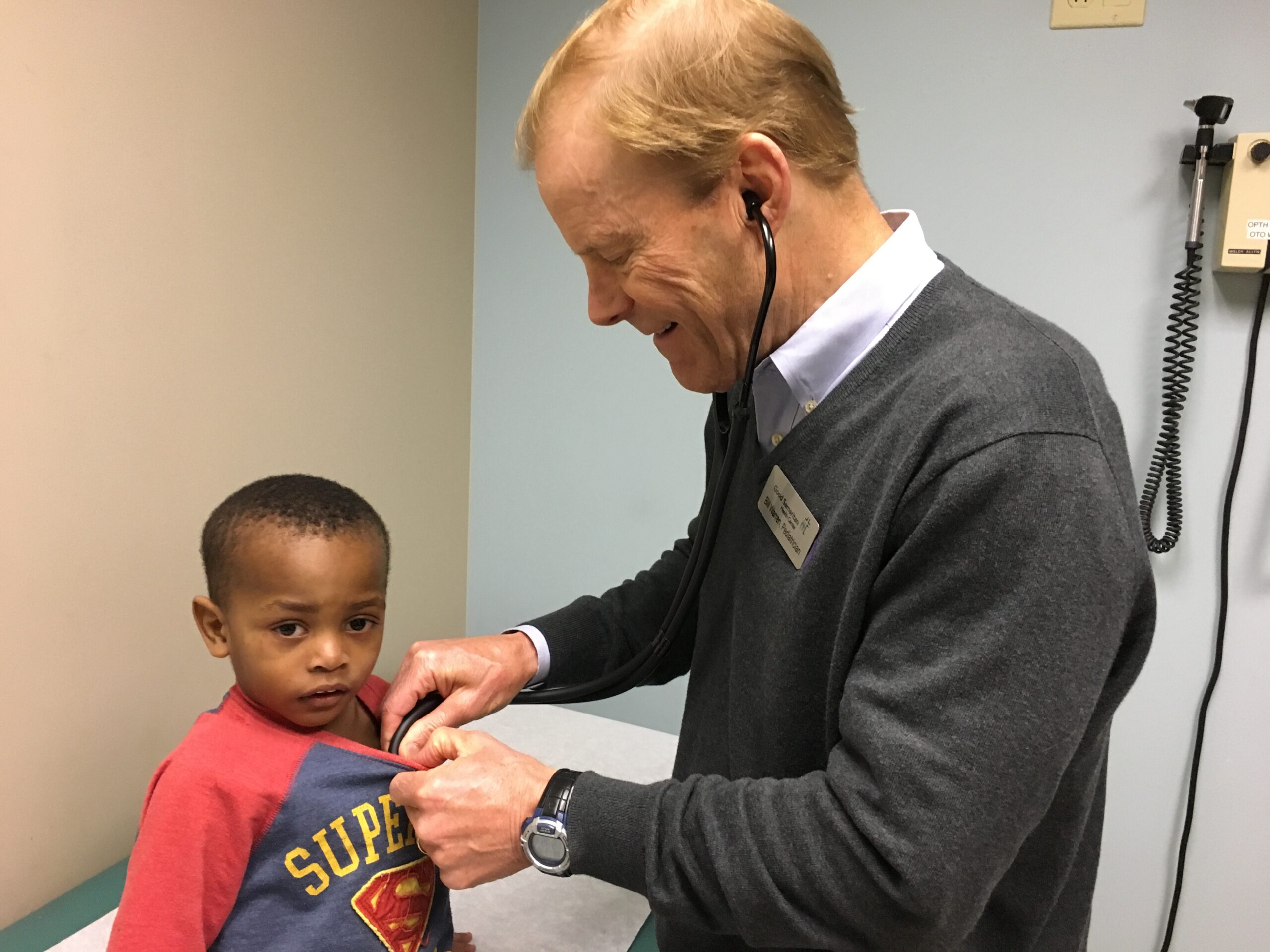 But I also think, “where did all the time go?” This, of course, can be answered in living out our mission of “spreading Christ’s love through quality healthcare to those in need.” The time was spent caring for our neighbors, those who lacked access to healthcare. The time was spent in creating programs which addressed the social drivers of health. This time was spent in investing our resources of time, talents and treasures for God’s Kingdom work. This time was spent in affecting our community for good.
Over the last 25 years, we have incorporated our guiding principles into our work and brought deep meaning to our every day jobs. These principles included offering the same level of excellent care that any full paying patient living in Buckhead would expect to receive. I like to call this “A” level of service, and we do not know how to bring anything else. Our services are not free; rather we charge a small fee allowing the patient to make an investment in his care, creating a sense of ownership and allowing God-given dignity to take root. We encourage collaboration and partnerships with like-minded organizations and friends, allowing us to extend, expand and more effectively deliver our services. We encourage volunteering, mentoring and student learning experiences, because in doing so we develop the next generation of healthcare professionals and leaders. Finally, in considering Jesus’ teaching on the widow’s mite, a contribution of all the money she had, and as an organization which relies heavily upon donor contributions, we place equal value on all donations and not just on the large ones. All of our supporters have played a critical role in the work of Good Sam in the community.
For 25 years, we never did our work alone. With our mission in mind and with the goal of “caring for the least of these,” we worked alongside many valued partners. These included our patients, donors, community leaders, churches, the business community, prayer partners, and our board. Lacking any one of these components would have made us weaker and diminished our success. Bottom line we have spent a quarter of a century being the hands, feet and mouth of Christ representing God’s love to our community. We are excited to keep going!
Dr. Bill Warren, MD
Chief Executive Officer, Founder and Pediatrician
Good Samaritan Health Center
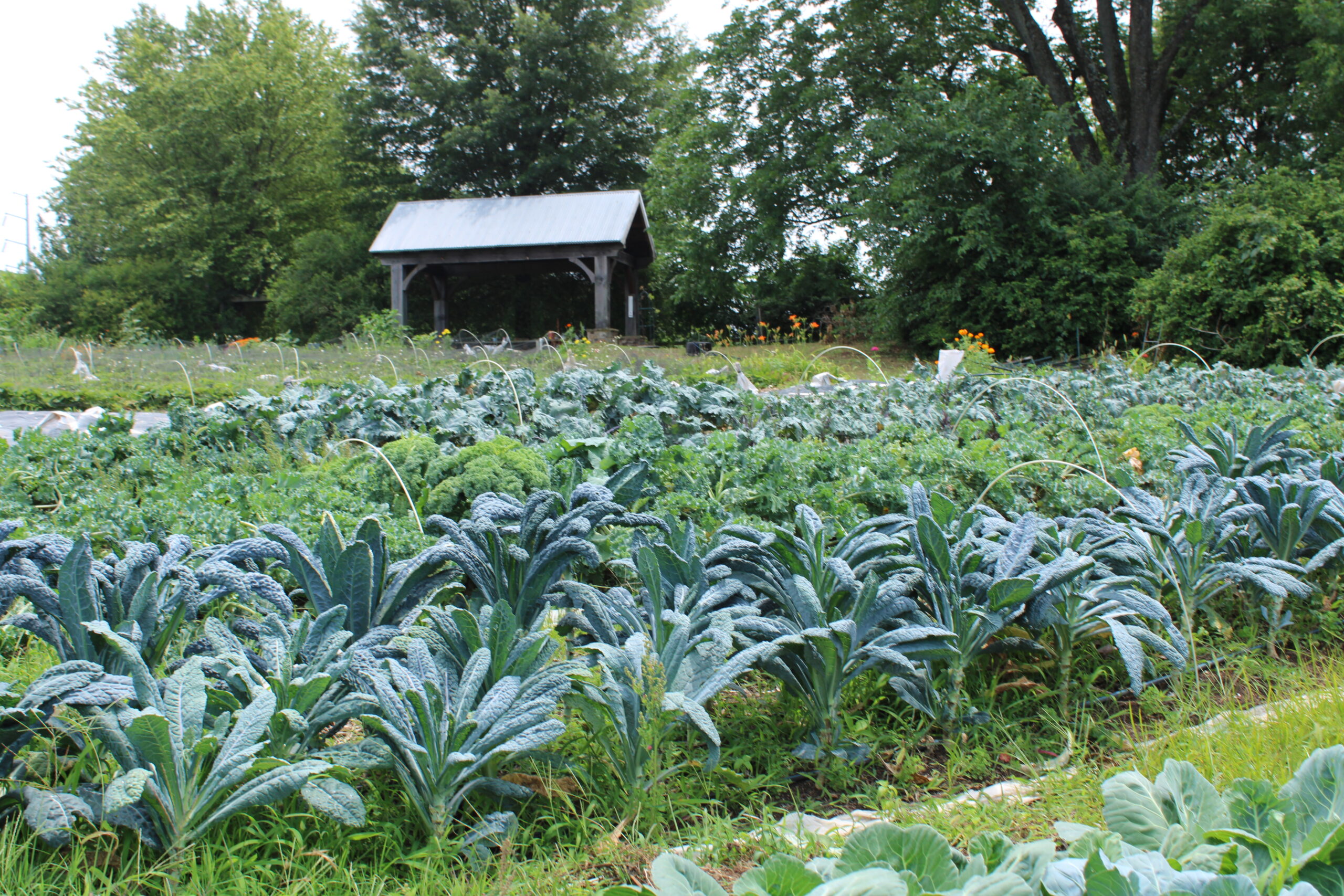
Green juice, who knew it could help you support your local farmers during the colder seasons. Today is National Green Juice Day. Some of you may be having flashbacks to a horrible experience you’ve had of drinking a mysterious green slush, but would knowing the benefits of it make it a sweeter deal?
Green juice doesn't have to consist of just greens, it can also include fun tasty ingredients like apples or ginger. Let's look at some of the greens that may be available locally and are in season this time of year. Thanks to the help of our farmers at Good Sam, we know that greens such as spinach and kale are both in season and good for green juices (keep an eye out for pop-up markets and the opening of The Market at Good Sam closer to springtime). This means that both of these greens should be fairly accessible right now at your local farm, market, or grocery store. Shopping at your local farmers market (like The Market at Good Sam) is a good option because eating fruits and vegetables that are in season can benefit your local economy, and be healthier for the planet.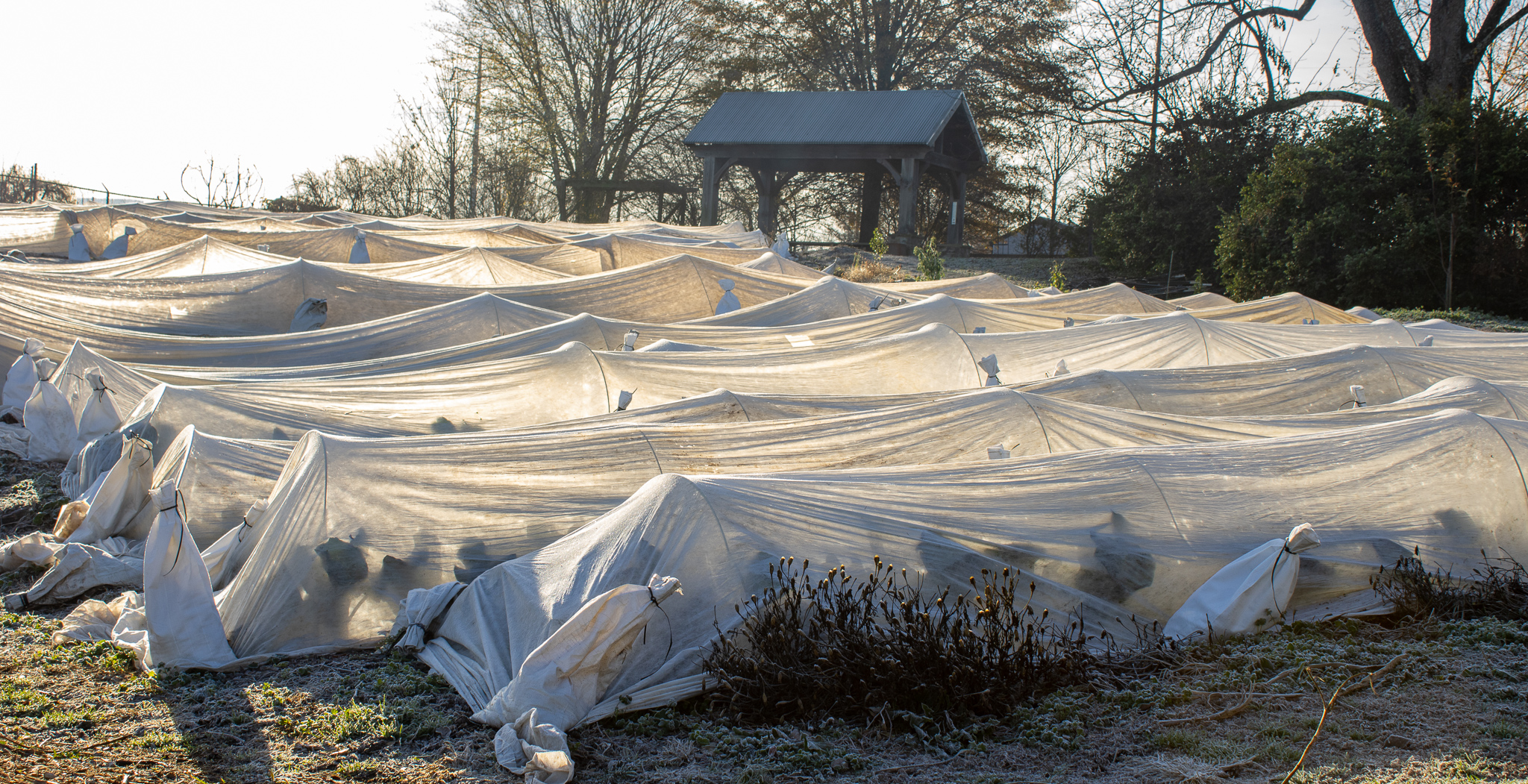
The Recipe: Sweet Kale, Apple, Ginger + Lemon Juice
Ingredients Equipment
- 4 cups of fresh kale - juicer
- ½ lemon
- 1 inch of fresh ginger Time
- 5 apples - 5 minutes
This is a simple recipe to help you increase your intake of some vitamins such as vitamins A and K. Green juices have also been shown to reduce inflammation, heart disease risk, and age-related mental decline. Some elements of fresh juice can function as prebiotics, ultimately helping your gut health, weight maintenance, and improved immune function.
While we are happy to celebrate this day, we must also remember that green juice is not a substitute for meals or whole fruits and vegetables, and it may not be for everyone. Green juices with fruit are not only low in fiber but may also raise your blood sugar because of the sugars in the fresh fruit.
Give this green juice recipe a shot to get some of these amazing health benefits and support your local farmers by buying seasonal produce. Leave a comment on our social media pages if you are really into juices or if you're going to give this recipe a try!
Happy Juicing!
https://www.icanyoucanvegan.com/green-juice/
https://www.healthline.com/nutrition/green-juice-benefits#downsides
Tiffany Loredo
Marketing and Communications Coordinator
Good Samaritan Health Center
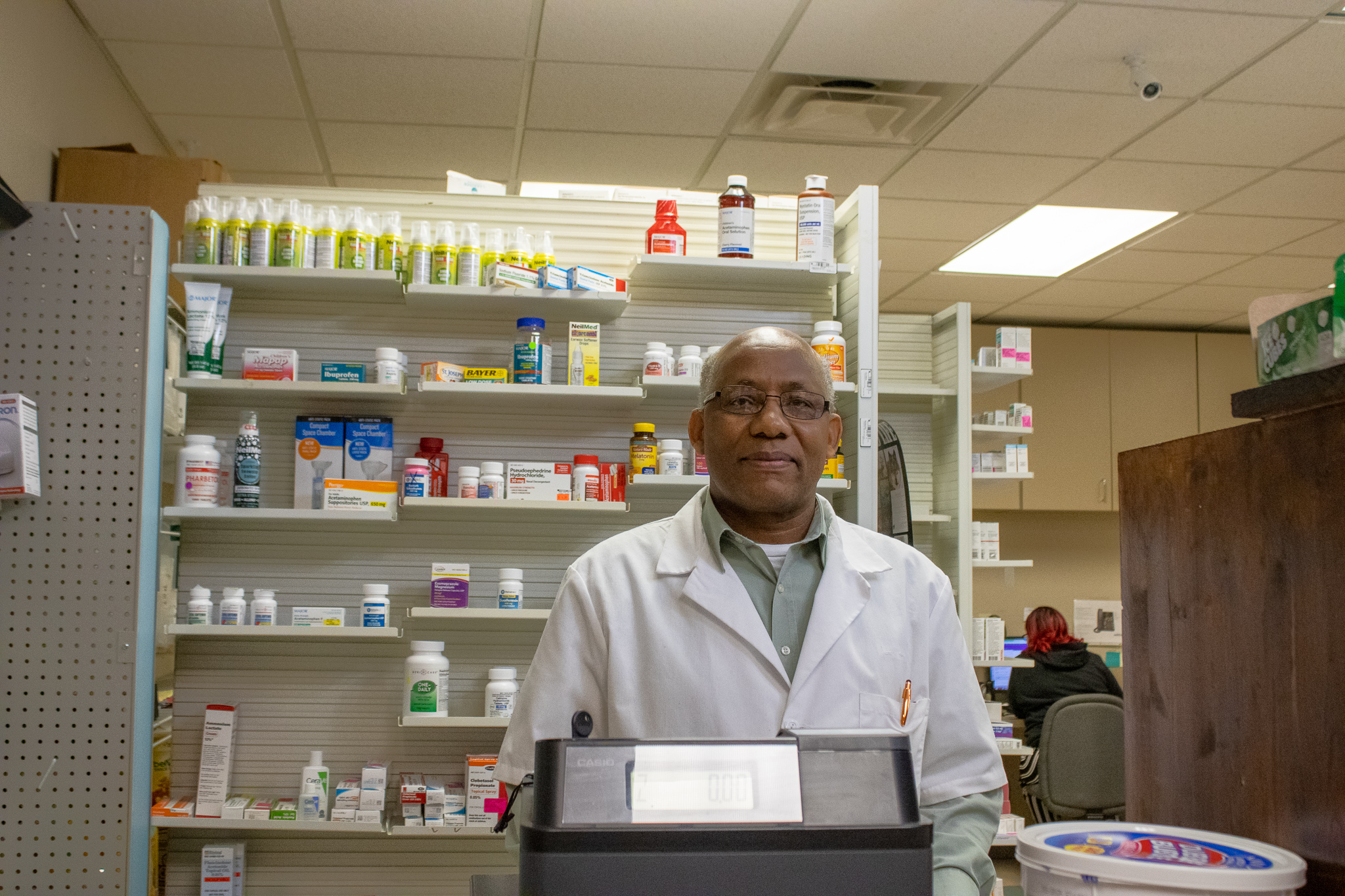
Happy National Pharmacist Day! Did you know that over 4 billion prescriptions are filled annually in the United States? Both pharmacies and pharmacists are very important in one's health care because they provide the necessary medication to improve health outcomes. Today we've taken the time to listen to one of our pharmacists who works here inside of Hope First Pharmacy and just hear what he has to say about working at Good Sam.
Tiffany, Interviewer: How long have you been a pharmacist?
Dr. Francis Nganga: I graduated 1987. That would bring me to thirty-something years now.
Tiffany: Why did you become a pharmacist?
Dr. Francis: The reason I chose pharmacy is simply because of my love of science. Another thing is that I wanted to be a doctor but I feared the sight of blood. I was looking for something in medicine but with no interaction with blood.
Tiffany: How many prescriptions do you fill each day, on average?
Dr. Francis: On average, at Hope First Pharmacy we do about 30 prescriptions. On average 30-35 prescriptions at least.
Tiffany: What impact do you feel Hope First has had on the community or our patients?
Dr. Francis: For the short period of time that we have been here, and we've been open for less than a year, yes, we have some positive stories from a few people, especially those who are able to come in at any time. From the time the pharmacy opens and gets their medicine. Previously they only had one day to come in and get their medicine. These days they can walk in at any time, they don’t have to rush in on a Friday. The pharmacy is open Monday- Thursday and Saturday, so patients can come in whenever they need to. Before, they could only come in on Friday to try to get their medicine. Another thing is that they can speak to a pharmacist live if they have any questions. Patients who have a lot of different medications to take can now ask for clarification and guidance on how to best take their medicine because a pharmacist is always around to help.
Tiffany: Do you have a lot of patients who come in and ask questions?
Dr. Francis: Occasionally. A lot of patients don’t have questions. And then I ask, “Do you have any questions for me?” and at first they say no but then they begin to ask me all of their questions.
Tiffany: How have you been enjoying your time here at Hope First Pharmacy?
Dr. Francis: Yes, definitely! Knowing that I'm doing something positive for people who are in a desert sort of situation, a medical desert, I feel that I'm bringing people a positive impact to those who need it.
Tiffany: Is there anything else you'd like to add?
Dr. Francis: On average, we do fill about 30 prescriptions a day but I can imagine that more prescriptions are sent out to other pharmacies that our patients use. If we stopped those prescriptions from leaving this building, or from being sent to other facilities, we would most definitely be making an even larger impact on the community.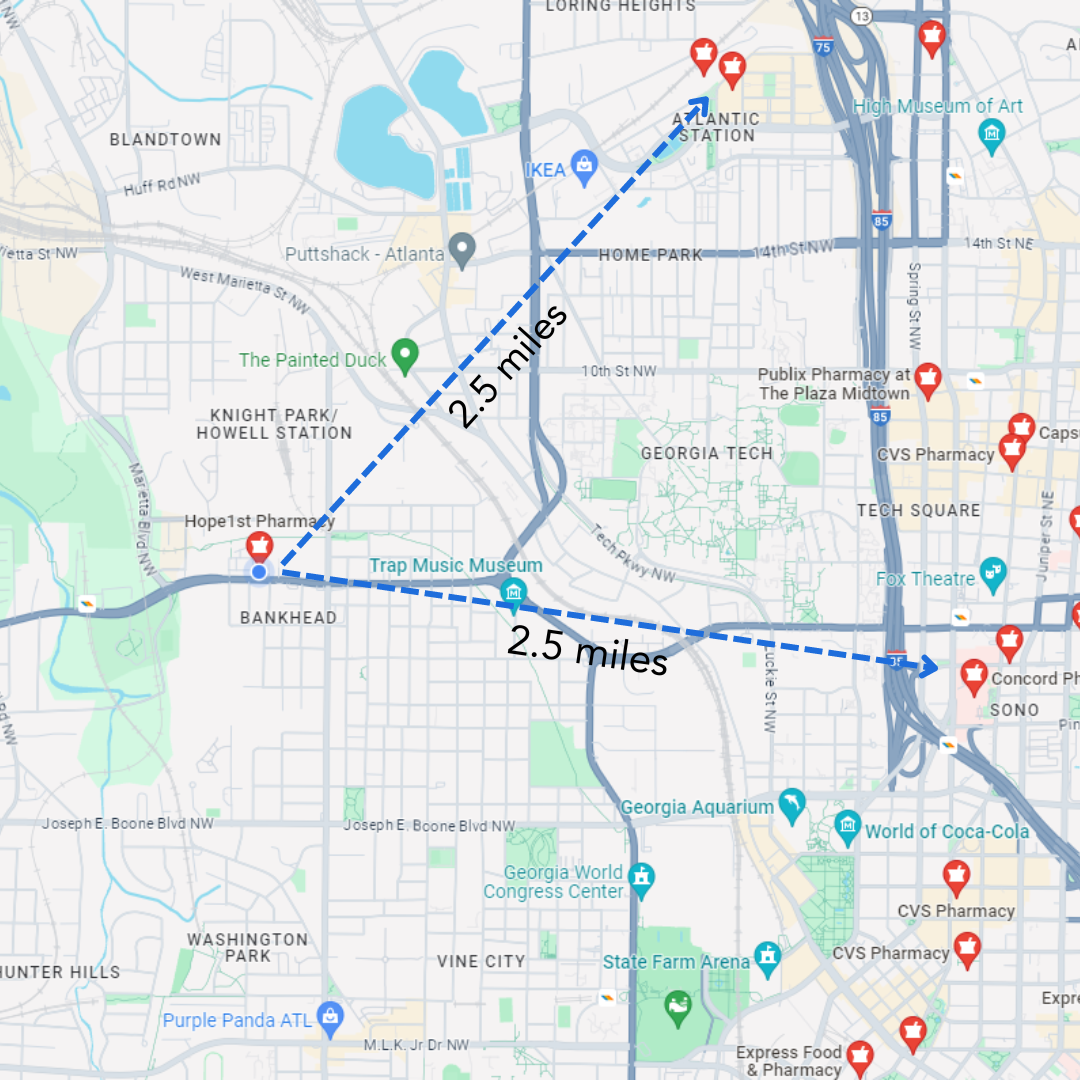
While this interview only involved Dr. Francis, Hope First Pharmacy has two other pharmacists who come in throughout the week. Whenever you stop by Good Sam, make sure to stop and thank them for all that they do. Without them, some of our neighbors would have a very hard time receiving life-changing medication due to the pharmacy desert that exists on the west side of Atlanta. In the image to the left, you can see all of the nearby pharmacies, the closest one to Good Sam is about 2 miles away. Which is manageable for some, but if you lack transportation, it can be challenging.
We are happy to have opened Hope First Pharmacy and to have such amazing pharmacists who listen and care for our patients. They make health care more accessible and equitable. Pharmacists change lives.
Tiffany Loredo
Marketing and Communications Coordinator
Good Samaritan Health Center
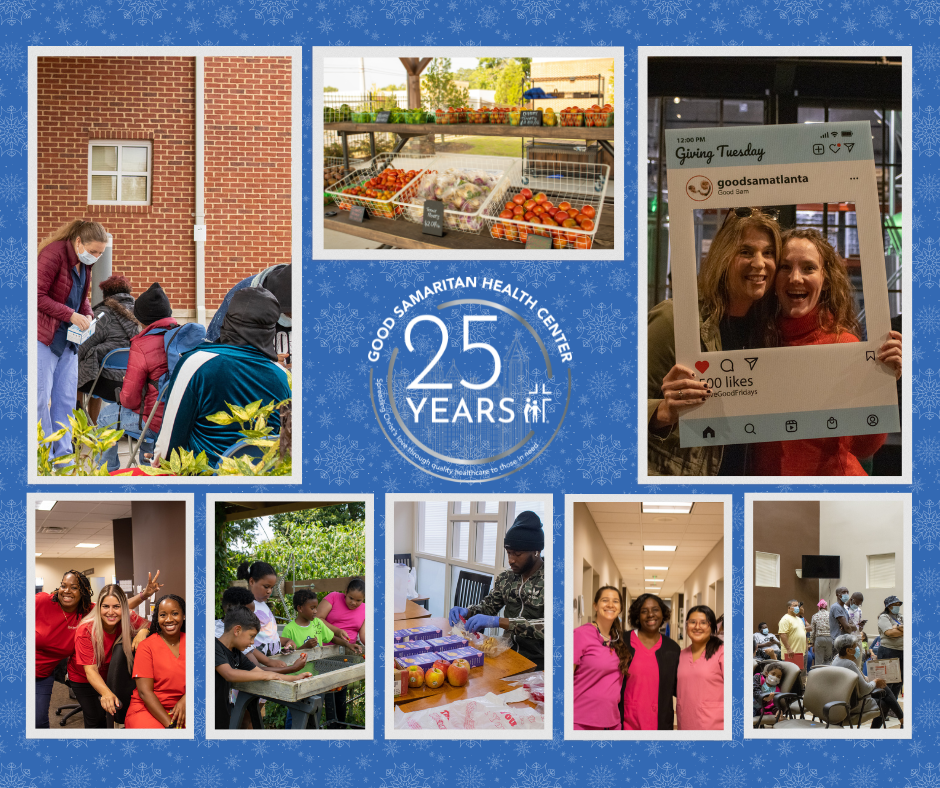 When I first came to Good Sam, of course it was because its mission of spreading Christ’s love through quality healthcare to those in need aligned with the calling I’d felt on my life for as long as I could remember. However, it’s the tagline, “Moved by Compassion” that propels me forward on my busiest or most difficult days. In a world that moves at a seemingly relentless pace, our humanity can be renewed through our compassion.
2023 was insanely busy around here. There’s no other way to describe it. We celebrated 25 years of service to the community and hosted a sold-out anniversary gala. The gala marked the launch of a new, 5-year strategic plan and $10 million fundraising campaign. We hired new providers to help expand our services and we embarked on the design and construction planning for a major renovation and new community wellness building. These additions will ensure we can serve more neighbors in a way that is efficient, safe, accessible, and state-of-the-art. Exam rooms and offices bustled with 40,000 patient encounters, including more children through our new, comprehensive pediatric dentistry program. Friends, new and old, visited the Center for field trips, volunteer service projects, tours, and health education.
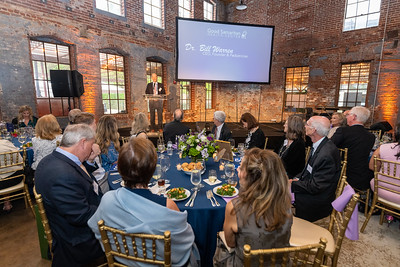
Compassion can be defined as the noticing of and the desire to alleviate suffering. Good Sam exists because twenty-five years ago, Dr. Warren noticed suffering and was moved by compassion to do something to help. We are taught that the expression of compassion can be both tender and fierce. And I think that’s exactly how I would describe this year: tender and fierce. The hearts of our staff, volunteers, supporters, and friends were open and kind to the needs of those on the margins of our community. And we fiercely showed up for them day after day, through our work, through our plans to grow, our donated dollars and time, our prayers.
As we eagerly step into the future, Good Sam remains committed to serving the underserved in the name of Jesus, with compassion and with renewed strength. The lessons learned in 2023 will guide our path, inspiring us to continually innovate and extend the reach of healthcare to those who need it most. Together, we're building a healthier and more equitable community, one where healthcare access knows no bounds. The journey continues, and we invite you to be a part of the story as we write the next chapter in 2024.
Heather Kersey
Chief Development Officer
Good Samaritan Health Center
Giving Tuesday was a blast! It was a day full of energy, passion, and community. This Giving Tuesday we were on a journey to raise money to support our Friday Clinic.
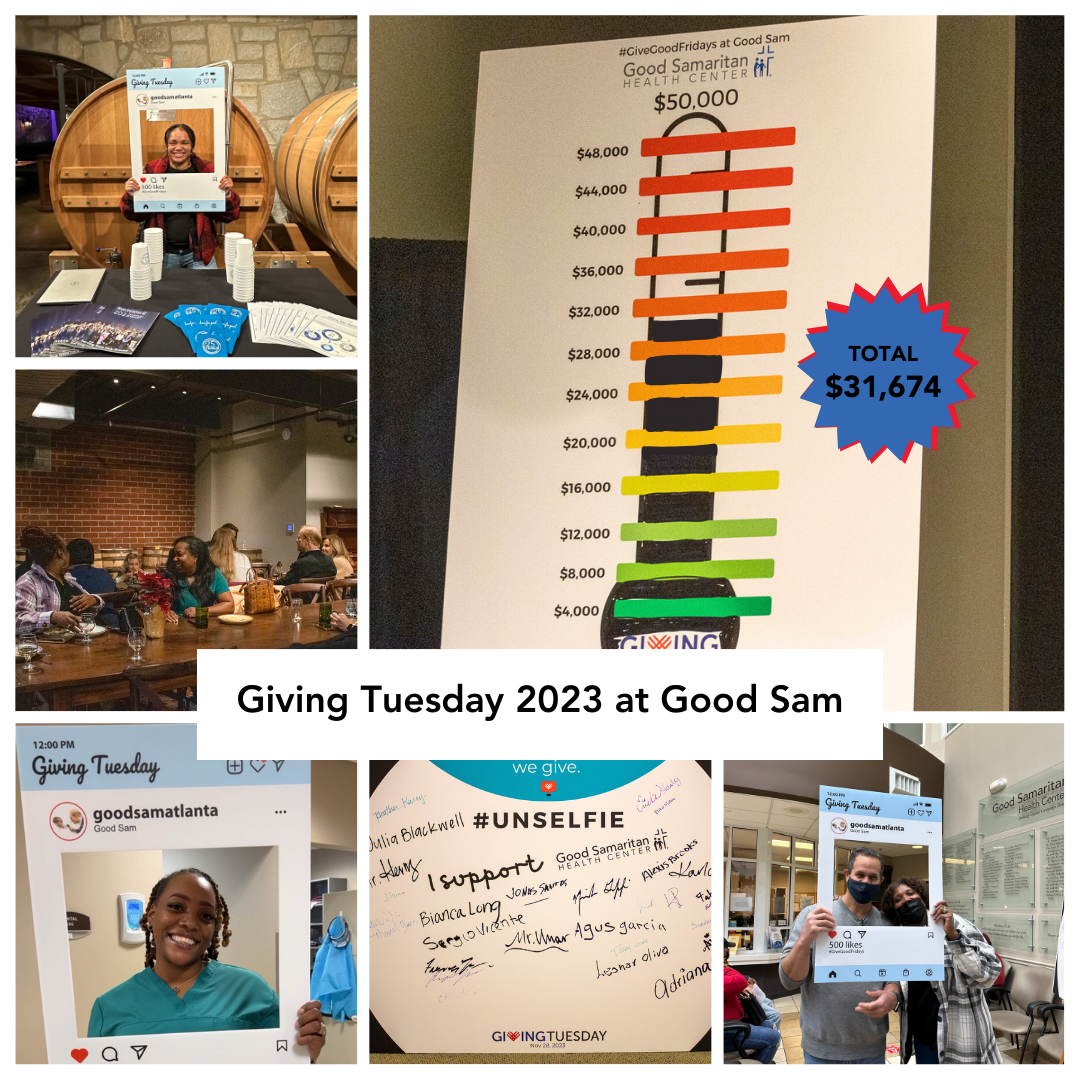 At this point, you may be tired of me mentioning Friday Clinic or trying to explain the true glory of the program. I’ll ask you to bear with me for just one more blog post and then I’ll leave you alone, until our next post (hahaha).
Friday Clinic is a program that many know of but very few understand its true impact and depth. Most friends of Good Sam know that we offer all of our services free of charge to our friends and neighbors who are experiencing homelessness. This, however, is just the tip of the iceberg. Once you learn what Friday Clinic means, you fall in love with it. In Matthew 25:35, God says, “For I was hungry and you gave me food, I was thirsty and you gave me drink, I was a stranger and you welcomed me”. Our doors and hearts are open to this work every Friday because we know that providing these services is much larger than the act of helping one person. This program is about following God’s plan and carrying out his mission for each and every one of us. It's about fostering community and loving one another as He has loved us.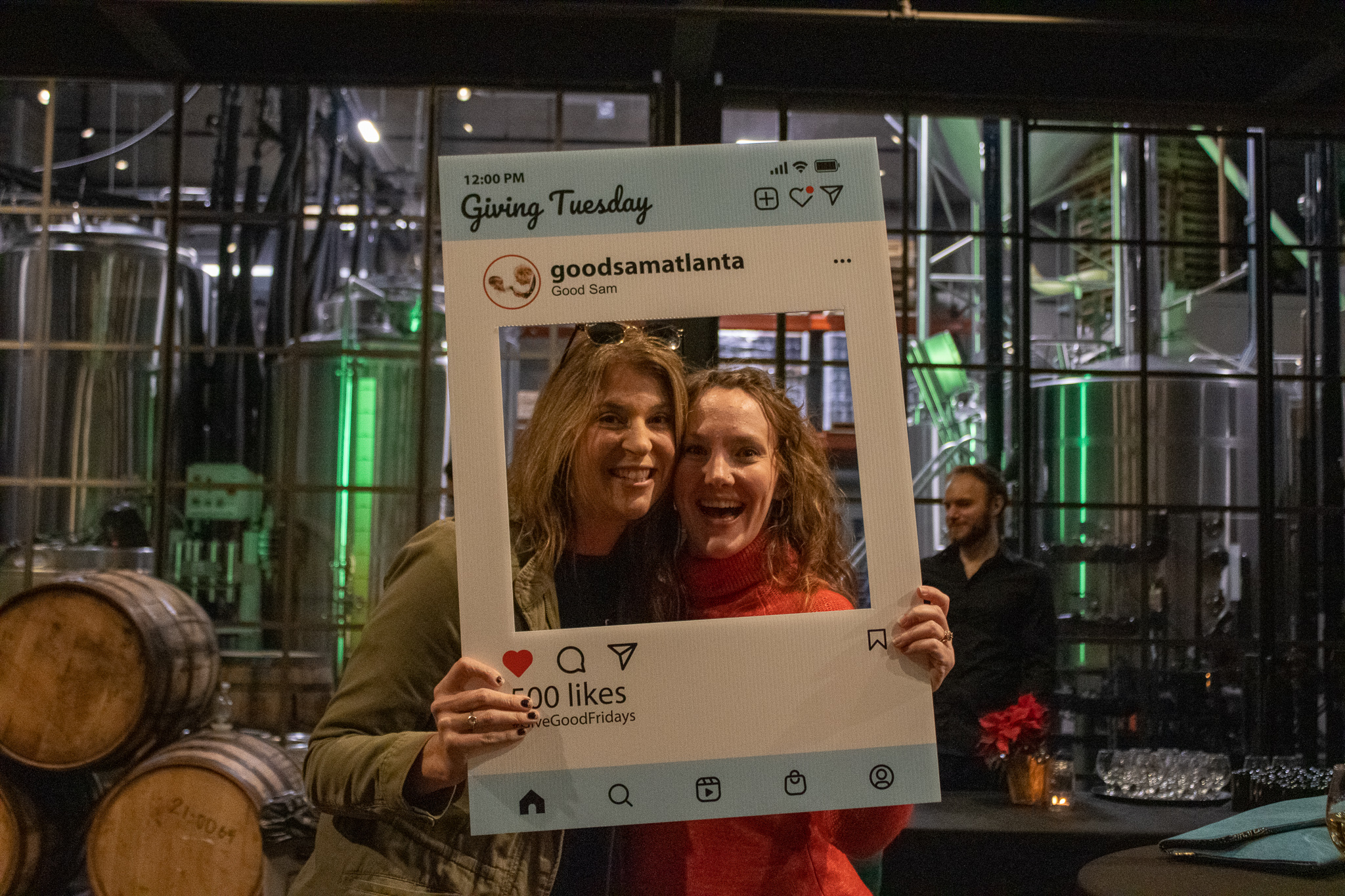
This year we raised $31,674 to go towards our Friday Clinic! Your incredible support in a single day will be used to provide more than 200 appointments for medical, dental, mental health counseling, and so much more. If we learned anything from last week's blog post, it's that Friday Clinic is much more than just being able to see a doctor. Friday Clinic is about building a community and providing a comforting hug to those who feel left out by society. It's about being a friend and listening to those who are often ignored and misunderstood.
One day can seem so small and insignificant, yet so many showed up for us on November 28th so we could show up one day each week for our most vulnerable patients. We were shown the power that one day can have because small actions multiplied by many can make a huge difference. Giving Tuesday may be over but if you feel the urge to be part of this movement to provide healthcare access to all, feel free to volunteer your time or host a supply drive for the hygiene kits which are given out every Friday. If you’d like to learn more about this opportunity, send us an email at info@goodsamatlanta.org.
Tiffany Loredo
Marketing and Communications Coordinator
Good Samaritan Health Center
Friday is my favorite day of the week at Good Samaritan. Each Friday, we devote all of our services to people experiencing homelessness. I pull in the parking lot a little before 7am and usually a few patients are already waiting outside. Our early patients help me set up rows of chairs under the front awning so people have a place to wait comfortably until we open the doors. Pierre arrives shortly after to drive the Good Sam van, making loops through downtown Atlanta transporting patients from several shelters and parks to the clinic for care. The Guest Services team opens the doors at 7:40am welcoming patients to the walk-in clinic. By 8am, the clinic is a blur of activity. Staff medical providers are joined by a team of dedicated volunteers ready to address complex medical needs complicated by social challenges and trauma. Medical assistants and a team of volunteer interns offer humor, friendship and comfort while performing their clinical tasks. The counselors and psychiatrists work in tandem with primary care providers to address trauma and mental health illness. Case management collaborates with our housing partners to facilitate housing referrals and address a variety of social needs. The pharmacy team rapidly fills prescriptions all morning so that patients leave with all of their medication free of cost. The dental team works in patients with acute infections between restorative care visits, moving people from diseased mouths to new teeth and confident smiles. Ericka and Ian run mission control, making sure patients move through all of the services they need. Loren, along with volunteers and administrative staff, distribute meals and care packages to everyone seeking care. 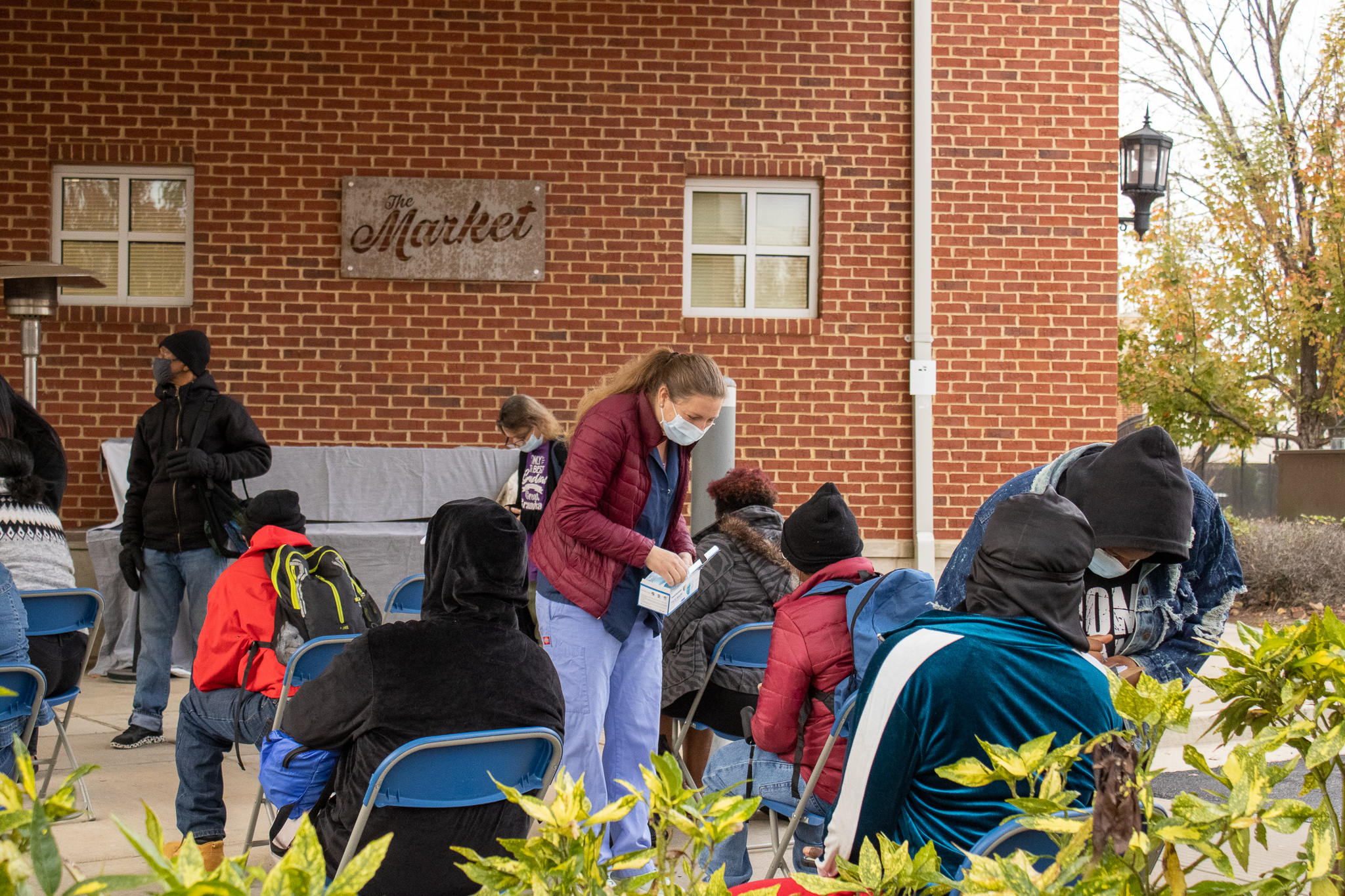
It is chaotic, and busy, and messy, and beautiful. In the midst of severe disability and disease, broken systems allowing poverty and homelessness to persist, and stories of trauma, imprisonment, and loss, each Friday is filled with reminders that God is always working. For me, Friday vividly illuminates the passion and love of our staff and volunteers, the sacred trust and resiliency of our patients, and the power of partnership and collaboration.
We started Friday clinic in 2015, having noticed a decline the number of people experiencing homelessness we were serving since moving to our current location. A small group of staff and volunteers started asking “what do people experiencing homelessness need from a clinic and is there a need we can meet?” Community members and organizations responded requesting trauma-sensitive care, flexible scheduling, dental care, and integrated psychiatric care. We piloted with one Friday a month in August of 2015, moving to every Friday by early 2016. Our first patients offered feedback and we grew our program based on their needs and ideas. We are continuing to learn from our patients, rethinking how we deliver health care and address health inequities. Friday clinic has not only changed the lives of people trusting us with their care, but transformed us as a clinic as well.
Having been at the clinic almost every Friday since 2015, I have seen transformations in the lives of patients. During our very first Friday, Jaqueline* left screaming at us, determined she would never return. She did and is now in stable housing and working part-time. Lydia* reconciled with her family after years of therapy and was able to move back home. After years of working with Stephanie* as she struggled with sobriety, we facilitated her entry into a rehabilitation program two hours outside of Atlanta. She called me most weekends for her first year there and I attended her graduation. Daniel* received a pacemaker, allowing him to remain a single father for his son. His son went to college this year. Michael* only spoke three words during his first appointment in 2016. He now communicates readily, receives disability, and has his own apartment. However, Friday clinic is not all stories of healing and rehabilitation. We have also lost patients to disease we couldn’t cure, violence, or imprisonment. Other times we work with people for a short time and we don’t know what happened next. We continue to focus on doing our best in the time we have with each person.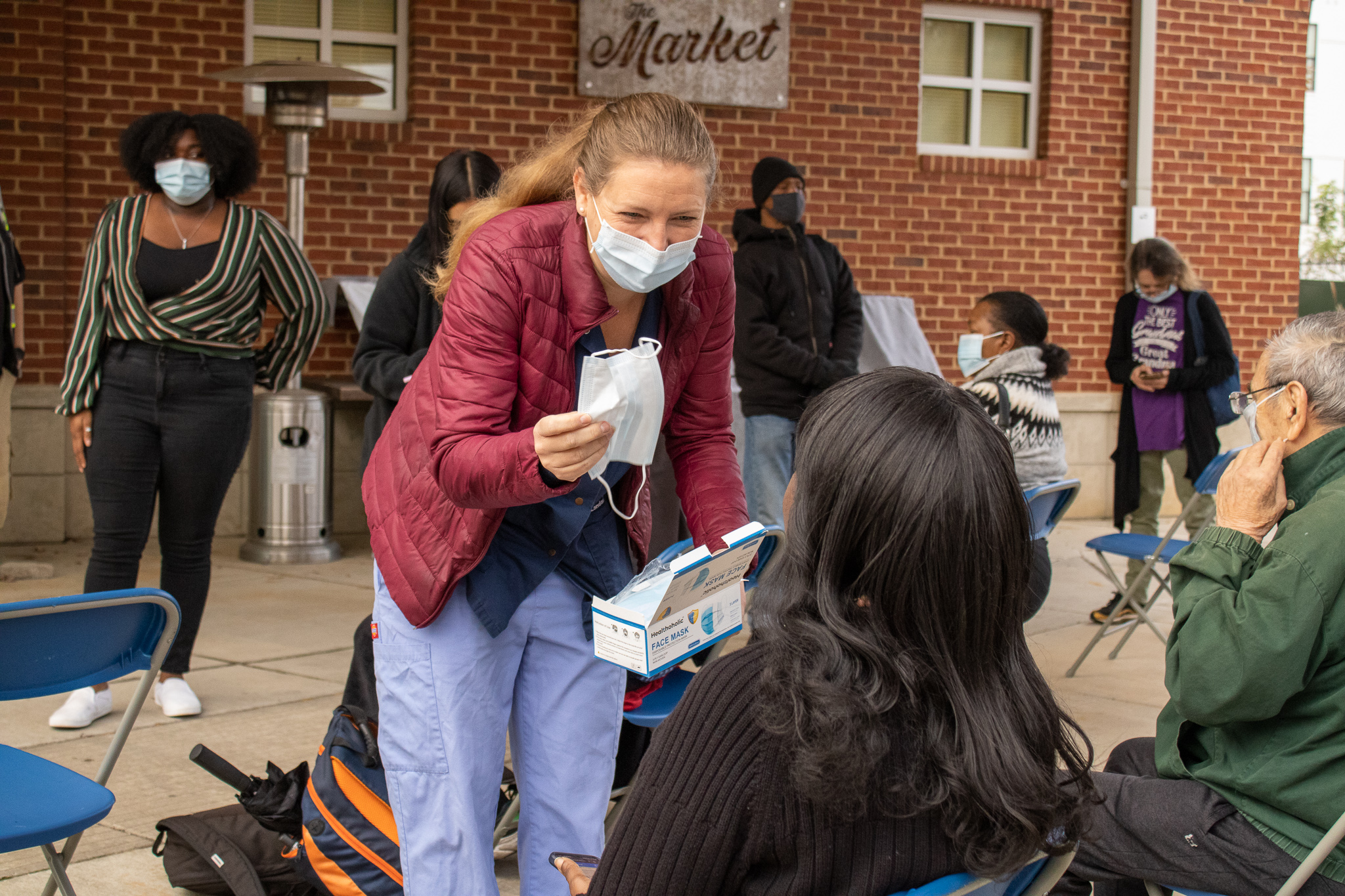
A few years ago, with the support of a graduate student, we interviewed Friday patients to better understand what they valued about the program and why they returned. Surprisingly, it was not the free medication or dentures, accessible medical care and psychiatry, or even the meals, but rather that people felt seen and known. As I read each interview transcript, I realized that often our most effective way of healing is to see people not as their problem list but as a person with a unique and powerful story; to hold their trauma and our own inability to make it right; to prioritize their needs even when they seem beyond our scope; to welcome them without conditions or judgement because they are deserving of all we have to offer. The beauty of Friday clinic is best captured by our patients’ own words from these interviews:
“I love the staff. This is the best clinic I’ve ever been to. Not only the support, but I can consider them as my friends. You can just speak and have a little conversation, and feel like these people really care about me. Feeling that you matter to somebody, no matter what your circumstances or where you’re coming from.”
“I found myself coming back to familiar faces and people that didn’t point fingers or discriminate… For someone to treat you as equally important means a lot.”
“I was able to sit down with my doctor, who has become a friend. Who has looked at me not as a broken man, not as a homeless man, but as a human being.”
*Names have been changed.
Breanna Lathrop
Chief Operating Officer
Good Samaritan Health Center
When was the last time you visited the doctor's office? Maybe you felt a sore throat and a cough coming on or you remembered that it was time for your checkup. Perhaps you just felt the sudden need to get checked out or you developed a random rash on your arm. For some, seeing the doctor is within reach. We can schedule an appointment, call off work, and head over to the doctor’s office. This can seem burdensome at times because we have to take the time out of our day, organize childcare, or miss work. While we might see doctor’s appointments as a disruption in life, we forget that, for some, seeking healthcare is a luxury. Healthcare is a basic human right and need, and yet so many people go without regular checkups due to an array of barriers that impede their ability to take care of their health. For 7,905 people in the state of Georgia, a lack of stable housing is their greatest barrier. Our neighbors experiencing homelessness don’t have the resources necessary to seek out, afford, or maintain proper healthcare. While some of us are left to wonder, “How long will this appointment take me away from my work?” Others are thinking, “How will I get the medication I need if I can't afford it?”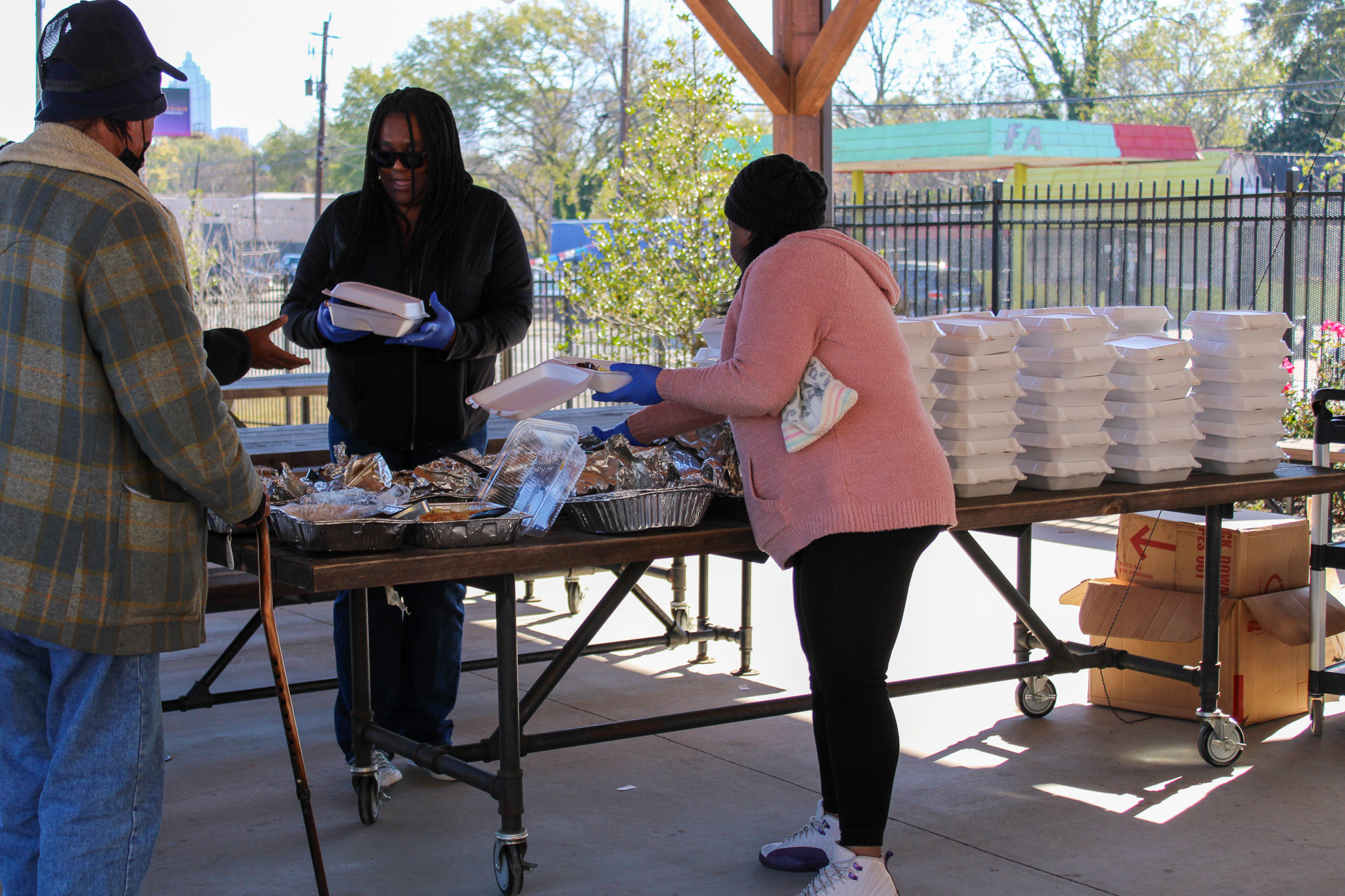
The lack of access to care is one of the many reasons why people who are homeless die on average 12 years sooner than the rest of the U.S. population (Lee, 2021). They are left to seek out care when absolutely necessary and, in many cases, this turns into a visit to the E.R. These visits often provide one answer, but leave many others still up in the air. Barriers to access such as lack of insurance, lack of transportation, and high costs can therefore make one bad situation even worse (Lee, 2021).
Although we may not have all the answers or provide a direct, long-term solution for lack of housing, at Good Sam we at least try to eliminate some of these barriers and provide full comprehensive health care to patients who are homeless. Our mission at Good Sam extends to those experiencing homelessness because we know that the heart of God is for those on the very margins of society. While we may not be providing a bed for our patients to sleep on, we consistently open our doors every Friday from 7:45 a.m.-12:00 p.m. and welcome in patients to be seen by medical, dental, and mental health counselors on a walk-in basis. At the end of their visit, they can pick up necessary medications from our dispensary, take a hot lunch and hygiene kit, and get a ride on our van to take them back to the shelter or community where they are staying. We keep our minds and hearts open and accept everyone who is trying to be seen. On Friday we see a lot of patients coming back for their regular checkups, but we also see new faces just about every week. Many of the staff will quickly tell you that Friday is the best day of the week, and no it's not because the weekend is right around the corner.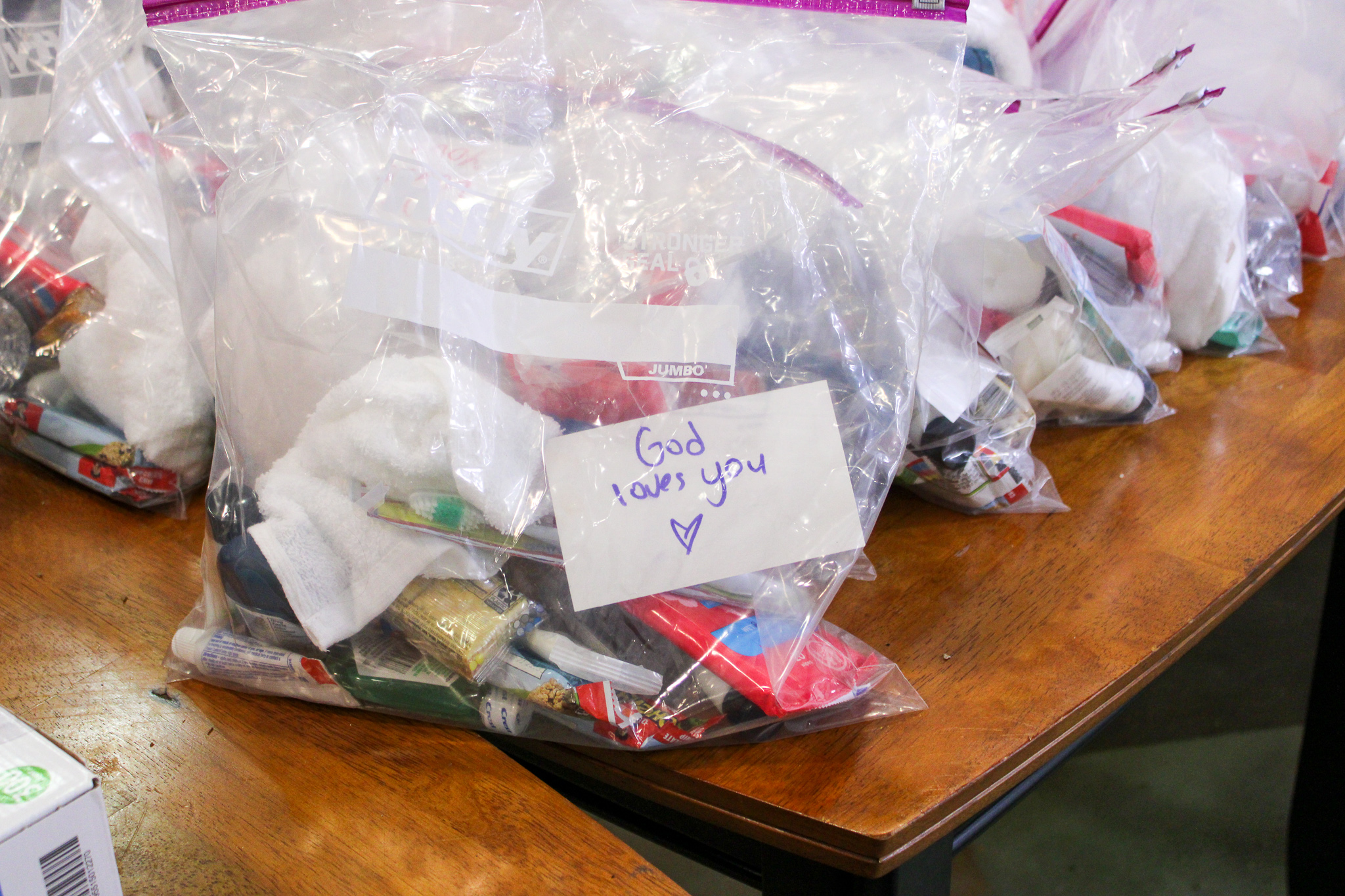 Friday is the best day of the week because we see the direct, immediate impact that health care can have on our patients. Sometimes we will see a patient excited to eat their hot lunch because they just got a new set of teeth and can chew solid food. On other days, you’ll see patients walk in completely torn down emotionally, in a state of fear, panic, or immense sadness. After talking to one of the providers and receiving the care they need, these same patients walk out looking like a whole new version of themselves, a healthier version. Every Friday comes with challenges, but one thing is for sure: we will try to help out as many patients as we can, even if it means staying a bit later or coming together as a group to find the best solution. Perhaps the best part about our Friday Clinic is that our patients don’t have to pay for a single service they receive. Through the vision of the staff who first started this program, and the endless support from our board and faithful donors, we continue to provide these amazing services to those who often have nowhere else to turn.
With Giving Tuesday just around the corner, we will once again focus on raising funds to support our Friday Clinic in 2024. What once was simply a dream to help our homeless neighbors, is now a beautiful reality going strong for nearly 8 years and counting. If you feel inspired to join us in this movement to provide quality health care to those who need it, help us share our story, set up a supply drive to provide for our hygiene kits, or donate at https://www.gagives.org/organization/Good-Samaritan-Health-Center.
Homelessness & Health - National Health Care for the Homeless Council, nhchc.org/wp-content/uploads/2019/08/homelessness-and-health.pdf. Accessed 2 Nov. 2023.
Lee, Alexandria. “Disparities in Health Care for the Homeless.” Institute for Health Policy Leadership, 11 Mar. 2021, ihpl.llu.edu/blog/disparities-health-care-homeless.
TheGeorgiaVirtue. “Georgia’s Homeless Population Has Increased since 2020 • the Georgia Virtue.” The Georgia Virtue, 15 Mar. 2023, www.thegeorgiavirtue.com/georgia-news/georgias-homeless-population-has-increased-since-2020/#:~:text=Contributing%20factors%2C%20as%20in%20all,and%20479%20unaccompanied%20homeless%20youth.
Tiffany Loredo
Marketing and Communications Coordinator
Good Samaritan Health Center
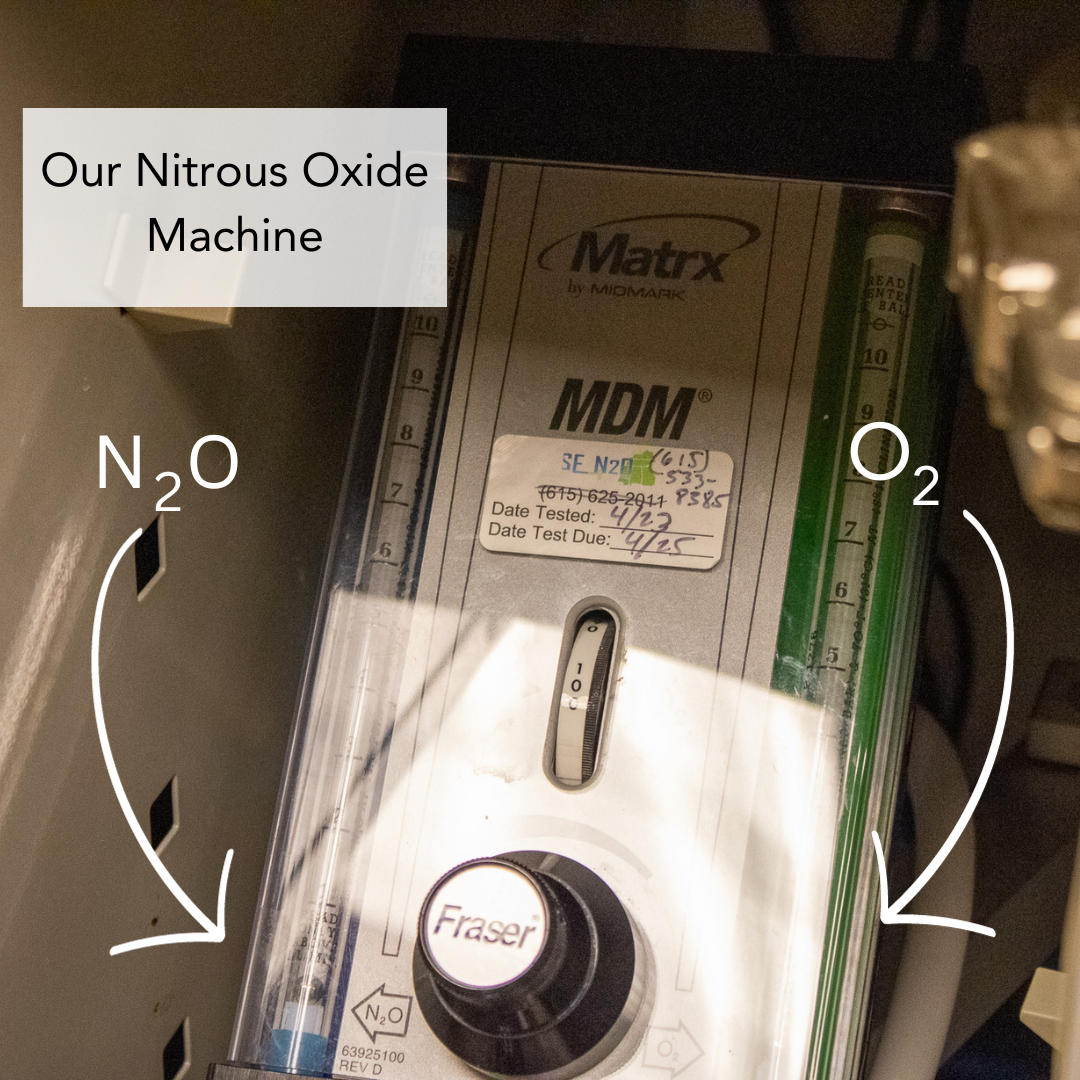 Did you know that about half of all American children do not receive the regular dental care that they need due to certain Social Determinants of Health such as social, economic, and geographic obstacles? This means that about half of all children in America experience dental cavities because of obstacles that are out of their control. These cavities that they have in early childhood can then lead to a multitude of problems such as pain, delayed development, poor self-image, and socialization. Access to dental care does not just affect a child's oral health, it can snowball and affect many aspects of a young child’s life (Casamassimo, 2022).
You may be wondering how young is too young, or at what age children should start going to the dentist. Ideally, children should see the dentist for the first time at 12 months or whenever their first tooth starts to come in (“A Child’s First Dental Visit Fact Sheet”). While this may seem young, it not only allows for their teeth to be seen by a profe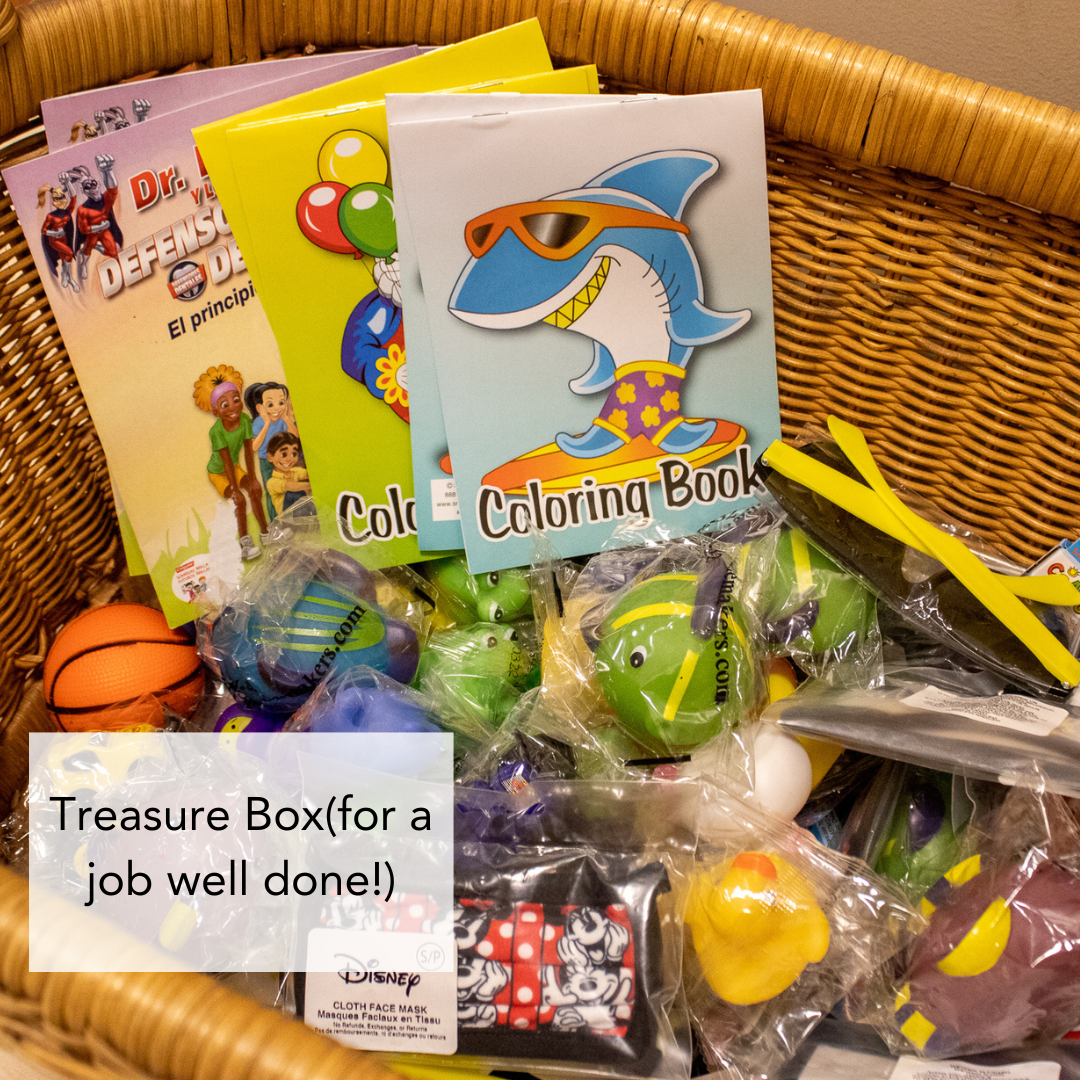 ssional but it also allows time for both the parents and the child to learn proper cleaning techniques and also grow comfortable with the process of a dental appointment. As you may have read in our newsletter, we now accept Medicaid and offer nitrous oxide in order to provide our pediatric patients with the opportunity to be seen at a younger age by our dental team. With a recent uptick in state-administered health insurance, access to dental care has increased for 4 million children from low-income households (Casamassimo, 2022). Good Sam being a health center that accepts Medicaid opens our doors for low-income children to receive preventative care instead of restorative care, to ensure that their lives aren’t derailed by a small and simple disease such as dental caries. With the addition of nitrous oxide to our dental space, we are now able to offer a more comfortable, inviting space for children to come in and receive any and all of the dental care that they need.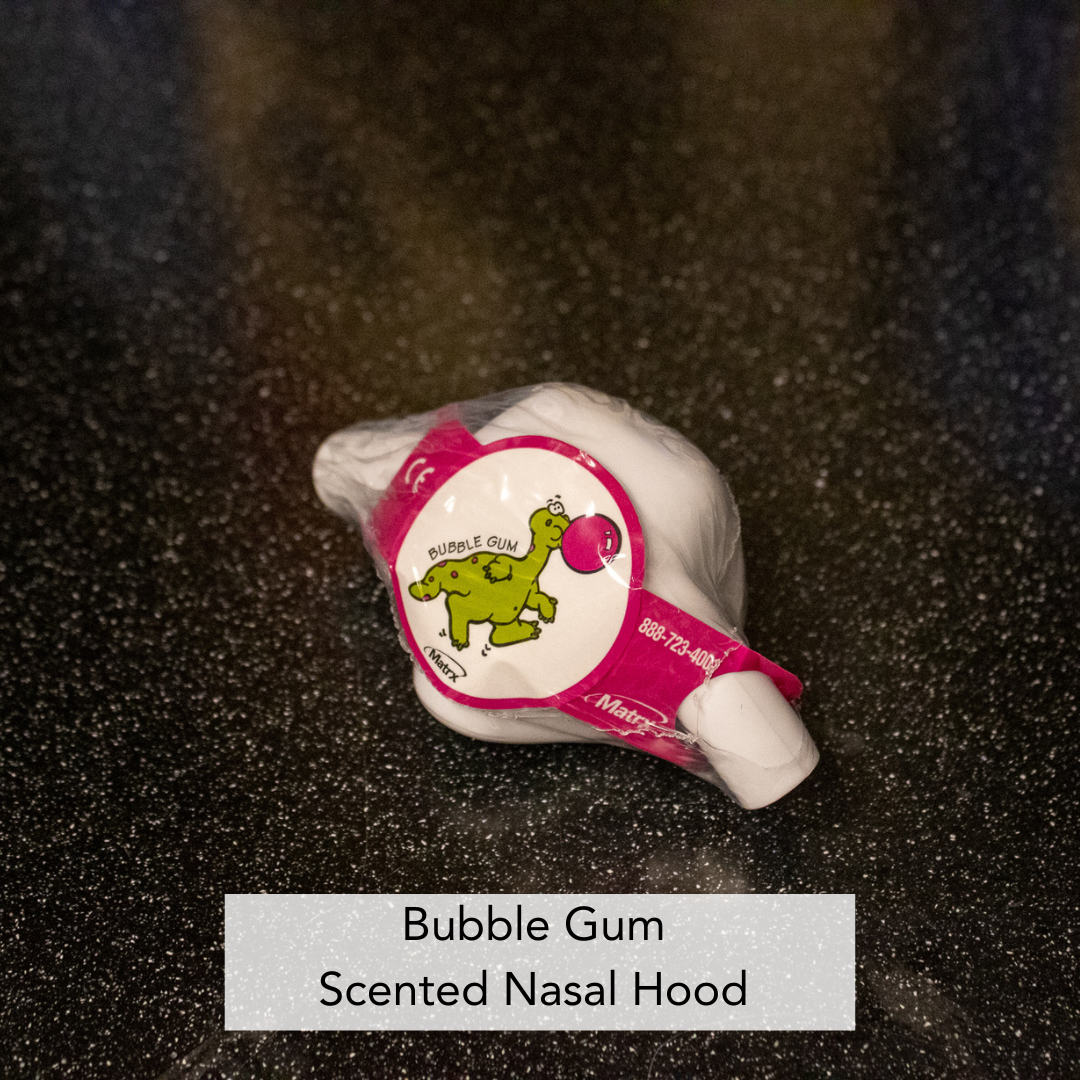
We try to create a welcoming environment, so as to not make our pediatric patients have “earthquake-magnitude tremors” as Dr. Warren noted in the newsletter, because we want to provide a pleasant experience. An experience that doesn’t make them fear their dental appointments and equips them with the right mindset and techniques for a healthy future.
Click the link below if you’d like to donate to our Here for Good campaign and join us in opening doors for our community members to receive the highest quality of care at an affordable price!
Casamassimo, Paul. “Oral Health in America - February 2022 Bulletin.” National Institute of Dental and Craniofacial Research, U.S. Department of Health and Human Services, Feb. 2022, www.nidcr.nih.gov/research/oralhealthinamerica/section-2-summary.
“Stanford Medicine Children’s Health.” Stanford Medicine Children’s Health - Lucile Packard Children’s Hospital Stanford, www.stanfordchildrens.org/en/topic/default?id=a-childs-first-dental-visit-fact-sheet-1-1509#:~:text=Your%20child’s%20first%20dental%20visit,the%20first%20tooth%20coming%20in. Accessed 19 Oct. 2023.
Tiffany Loredo
Marketing and Communications Coordinator
Good Samaritan Health Center
Did you know that 66% of Good Sam patients are women? Meaning that, at some point in their lives, mammograms and other routine screenings will not only be a want, but a need. When that time comes, we are prepared to help them move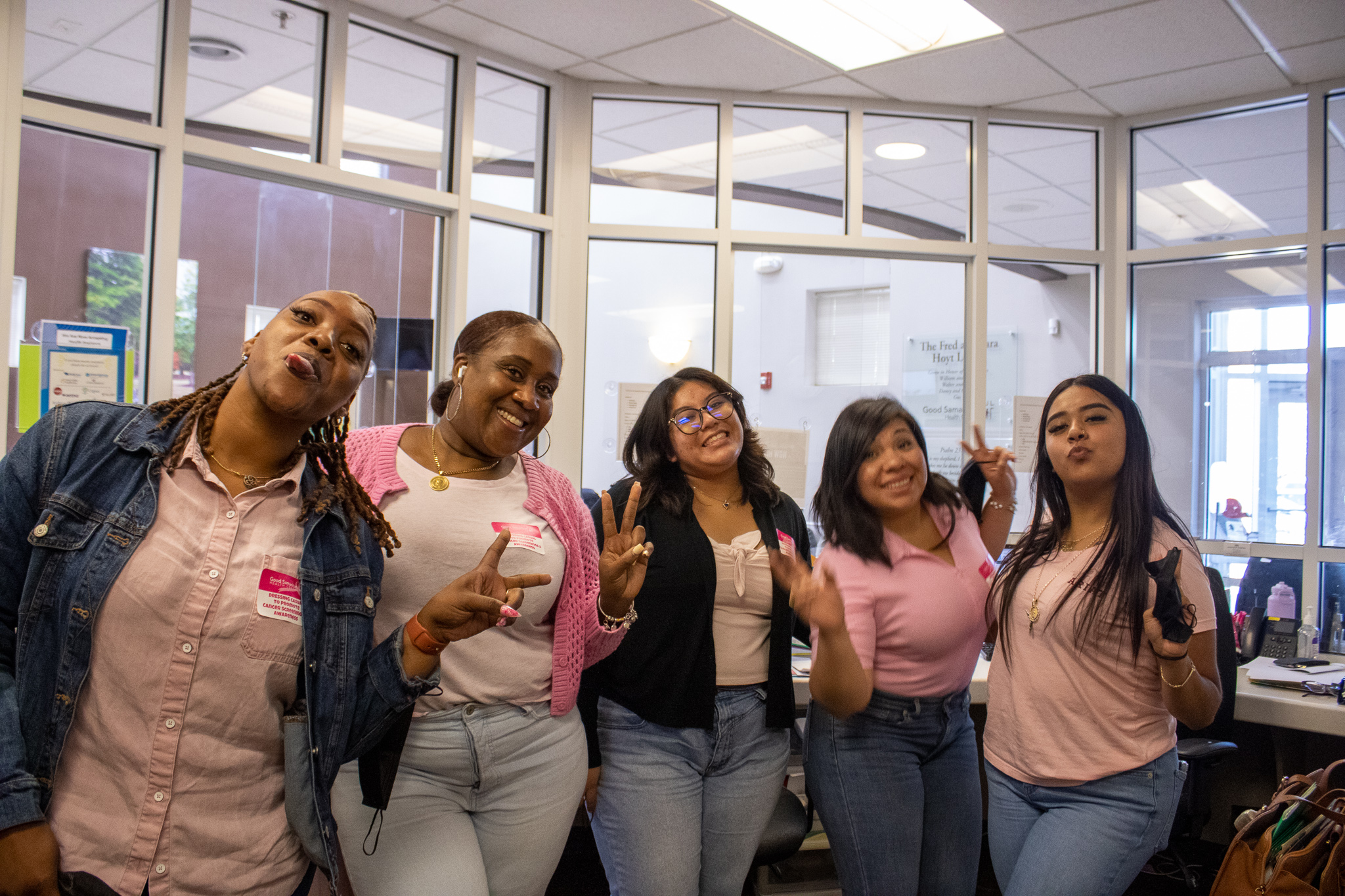 through every life stage and receive necessary care because routine and preventative screenings are another important factor in Full Circle healthcare access.
It’s Breast Cancer Awareness Month, a month which is used to highlight all things breast health, from preventative care and information to new research, treatment, and survivorship. Here at Good Sam, we are very thankful for Its the Journey (ITJ), a local nonprofit that uses funds raised from their annual events like the Georgia 2-day Walk for Breast Cancer to support organizations like ours serving women in need. Over the last 17 years, ITJ has provided $597,100 of this crucial funding to Good Sam. This past Wednesday, we celebrated Breast Cancer Awareness Month and the generous funding we receive from partners like Its the Journey by having a Pink Out Day at the Center. Staff decked out in their best pinks, donated to It’s the Journey for a “jeans pass”, and welcomed the Northside Mobile Mammogram unit to our campus for patients to receive onsite screenings (be sure to check out our social media channels for the highlights). Our staff alone raised $250 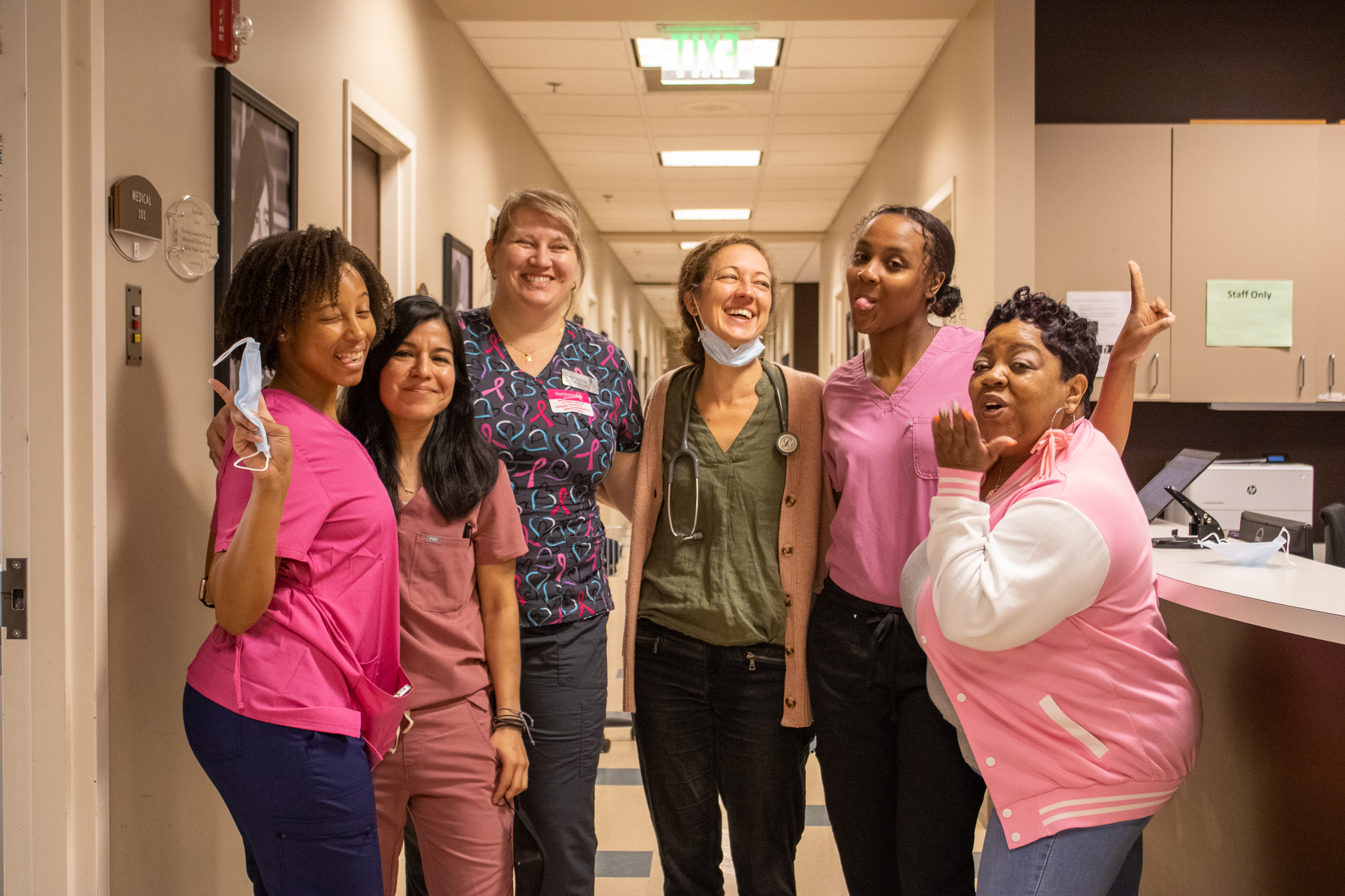 dollars in support of the 2-Day Walk. Today we will host a table at the Georgia 2-Day Walk for Breast Cancer Expo, kicking off the 30-mile walk event and sharing all of our amazing resources to offer with the walk participants. We will use this opportunity to strengthen our relationship with survivors, supporters, and fighters of Breast Cancer in hopes of continuing to grow our outreach and spread the word on the importance of routine checkups, not just for breast cancer, but for one's general health. Having a primary care physician and receiving consistent, quality, and affordable care is a human right and one that leads to better health outcomes and longer life expectancy. These rights are championed by both It’s the Journey and Good Sam through the missional and life-changing work they do.
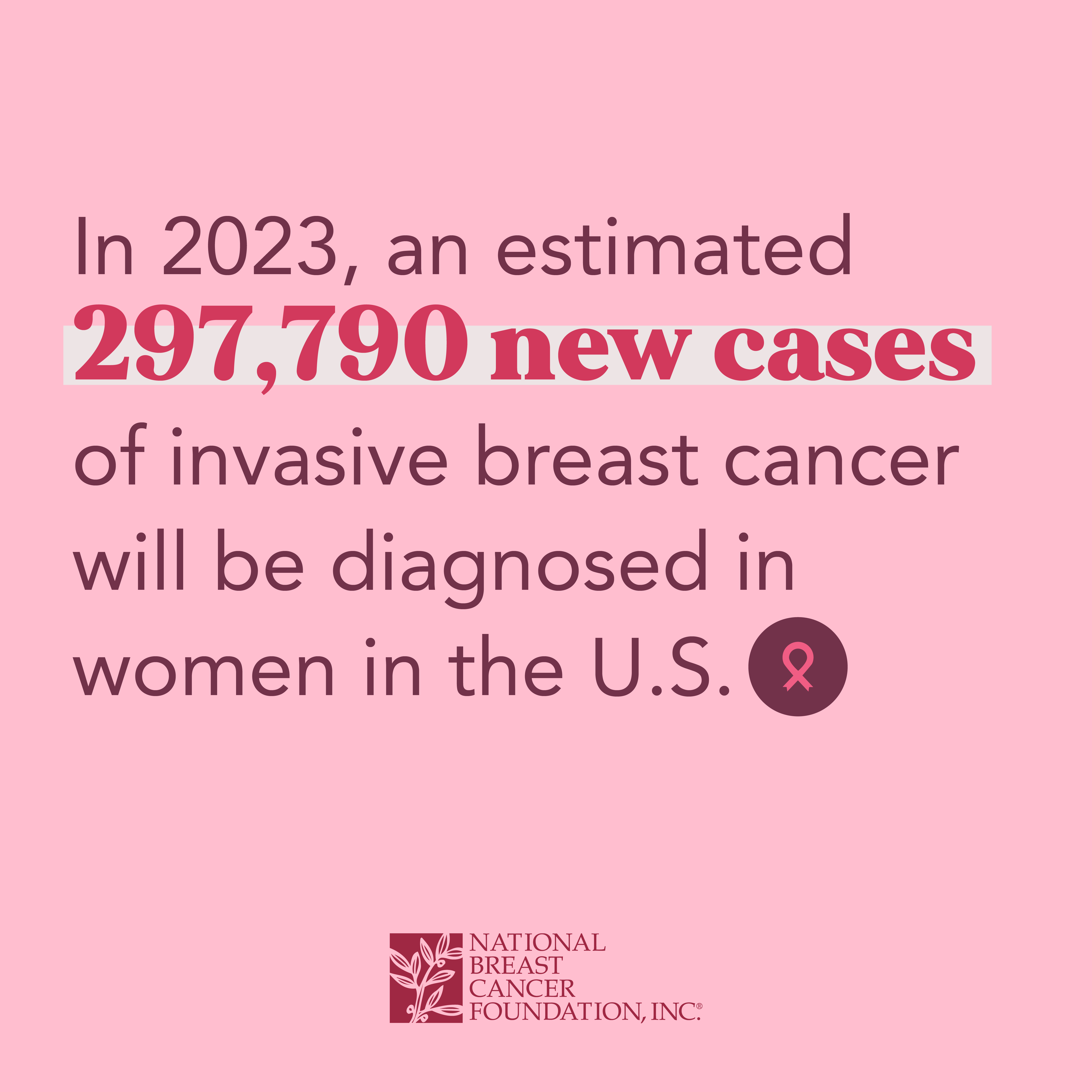
In case you didn’t know, here are a few reasons why checkups and routine mammograms are important:
1. 1 in 8 women will have breast cancer in her lifetime
2. 64% of breast cancer cases are diagnosed at a localized stage – when it's easiest to treat because it hasn’t spread outside of the breast
3. Women who receive regular screenings for breast cancer have a 26% lower breast cancer death rate than women who do not receive screenings.
For more information on Breast Cancer, statistics, and general knowledge make sure to read this article by the National Breast Cancer Foundation, Inc. https://www.nationalbreastcancer.org/breast-cancer-facts/
If you’d like to make a difference and contribute to such important preventative care, make sure to support our team who will be walking 30 miles over the next two days! Click here and make a donation now. Thank you.
Tiffany Loredo
Marketing and Communications Coordinator
Good Samaritan Health Center
Happy Hispanic Heritage Month! This month-long celebration of Hispanic history and culture kicked off on September 15th. To celebrate, we’ve asked members of our staff how they feel their Hispanic Heritage influences their work or how the Hispanic cultures that surround them has affected them personally and professionally. This is especially important to us because a large percentage of our staff and patients identify as Hispanic/Latino. Here are some of our favorite answers:
“Coming from a Mexican-American household has largely influenced the way I see myself and others at work. It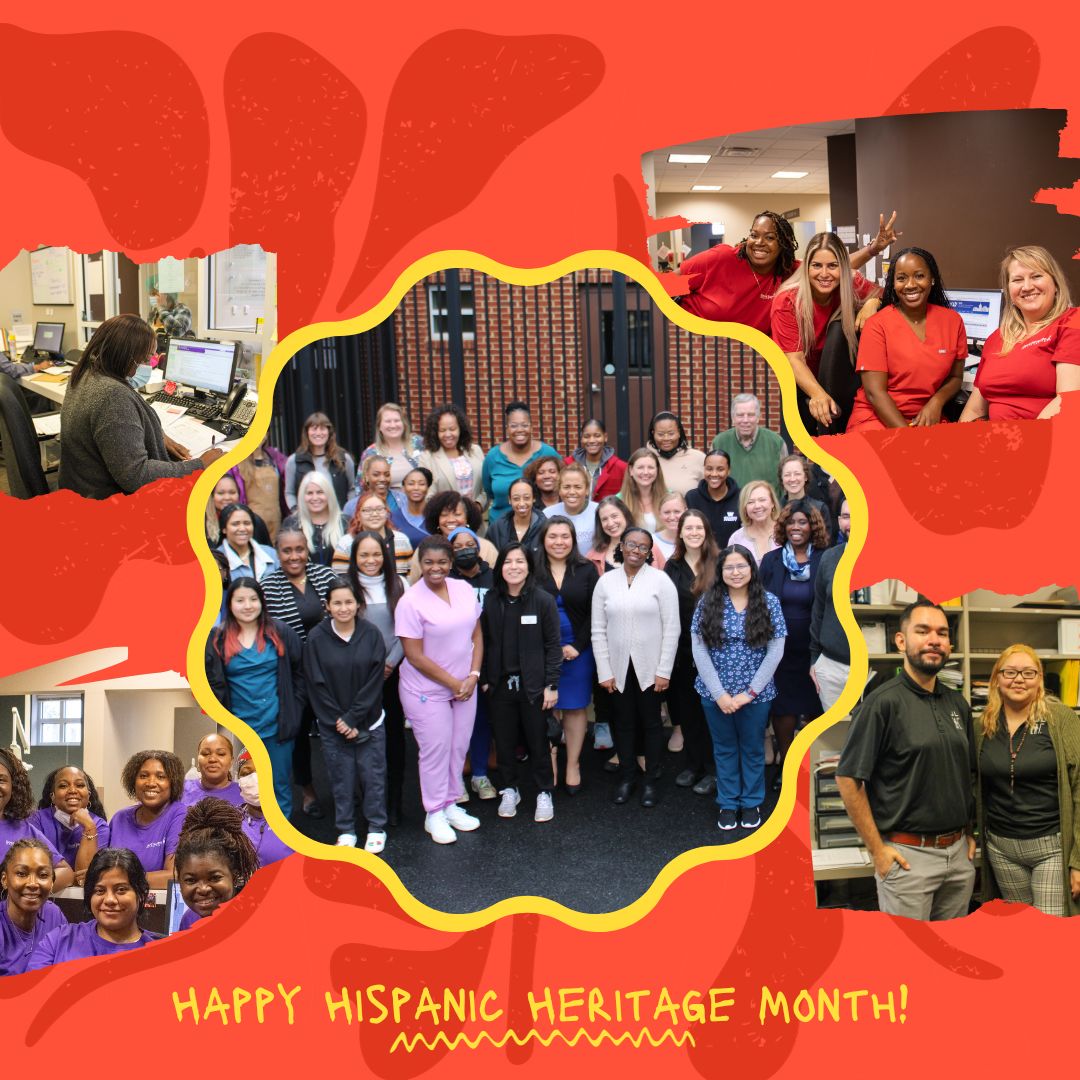 has influenced the way I speak to patients and treat them, the sense of community that is felt, and my work ethic. I say this not to imply that I treat others differently but rather, I understand that certain groups of people are marginalized and do receive horrible treatment because of their race or ethnicity. Good Sam tries to minimize those outside barriers and creates a welcoming environment for all. My heritage serves as a reminder to always treat others with kindness because it's very possible that outside these four walls, they are mistreated due to the color of their skin, their accent, or their lack of English.”
“Being around different Hispanic cultures has allowed me to experience so many different people who all have different stories. This has allowed me to be less judgmental and more open-minded towards people that I encounter. I am able to both empathize and sympathize better. ”
“I love being able to interact with patients in their own language. I am able to help my coworkers who do not speak Spanish so that they can share medical information.”
“Celebrating my Heritage gives me a sense of inclusion. It also gives me a chance to teach others and invite others to learn about my culture. Patients feel represented and familiar. ”
“It has made me more curious to learn more about my coworkers and their heritage by learning Spanish to interact better with them and hopefully be invited to a Quinceañera”
“I am so thankful for the way in which my co-workers and patients have shared their culture and language with me. I am inspired by their community, resilience, and love for the work we do.”
“There are many patients who are Hispanic/Latino in our facility. Helping them translate brings comfort and ease to them and their health. It feels great knowing that we are there to help as we know our parents struggled back in their days. ”
“Hispanic Heritage Month is special because it makes it known that no matter your background, you deserve a good life.”
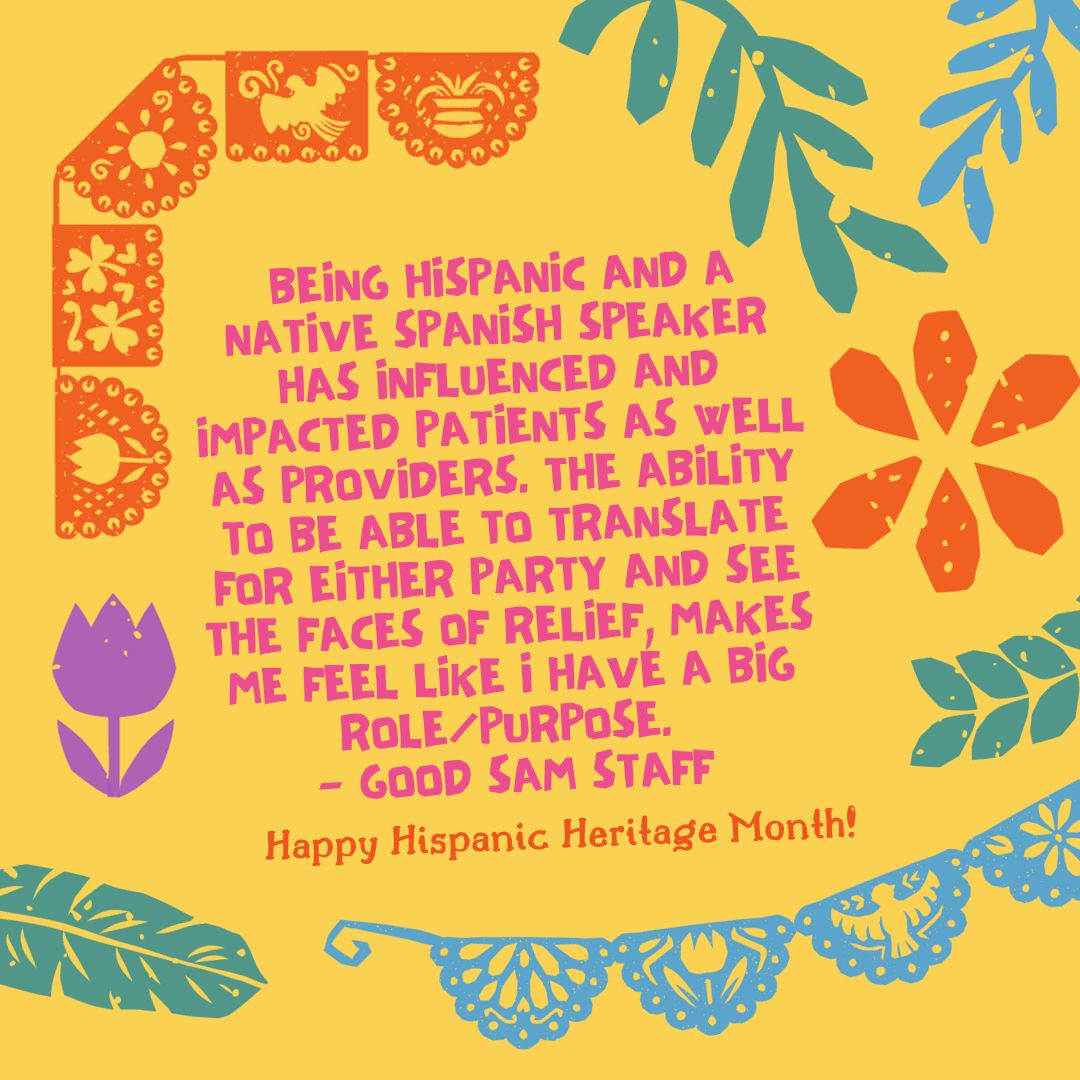 As you can see, being of or being surrounded by people of Hispanic Heritage has largely influenced the way we see our small little world here at Good Sam. It has impacted and influenced the way in which we treat others, inspired us to learn more languages, and to always remain mindful of situations outside of Good Sam. It is through our presence here at Good Sam, that we create an environment that is welcoming for people of all backgrounds. Bringing our various stories and backgrounds is exactly what helps us create an inclusive and safe space for all of our patients and visitors to receive the treatment they need. While this may seem small to some, it really makes a difference in the lives of our patients.
I’d like to close us off by sharing some inspirational quotes for us all to carry each and every day.
“Preservation of one’s own culture does not require contempt or disrespect for other cultures.” – Cesar Chavez
“Don’t let anyone call you a minority if you’re black or Hispanic or belong to some other ethnic group. You’re not less than anybody else.” – Gwendolyn Brooks
“It is important for all of us to appreciate where we come from and how that history has really shaped us in ways that we might not understand” – Sonia Sotomayor
Tiffany Loredo
Marketing and Communications Coordinator
Good Samaritan Health Center
 This week we are coming at you with nothing but words. No pictures of kids smiling, honey, bees, or the great accomplishments of the hardworking people of Good Sam. This week the attention is fully on you!
You may be asking yourself, why are we looking for your feedback, it’s not like you work here. And it’s true, you most likely don’t work here at Good Sam, but you do find the time to visit our website and read the latest blog posts. That’s exactly why we believe that your opinion matters. As some may say, “It’s about valuing perspectives, needs … of stakeholders who play a vital role in driving impactful change” (Baari, 2023). Your perspective matters and we want to listen to it in order to create stories that may lead to change. A change in how you view Good Sam, a change in your viewpoint on life, a change for the better.
We’ve been posting blogs for nearly 2 years and feel the need to not only make new content every other week but produce solid content that is entertaining, informative, or in some way necessary.
This week we would like to receive some feedback from you and learn what it is that interests you about our blog post. It could be that you come for the pictures, or maybe to keep up with Good Sam, or just to check if your local development team is still alive! For all we know, you may be coming for the always short and sometimes funny titles. Either way, we’d be so appreciative if you'd fill out this quick survey and let us know how we're doing.
We hope to come back with new and improved blog posts in about two weeks. We are only as good as the information we have, or at least that’s what Harvard Business School says, and they say it for good reason (Wreden, 2002). If we know what our readers or followers are truly interested in, we spend less time curating posts that aren’t of interest and push out content that is actually enjoyable. Feedback would be so appreciated and will show our commitment to making you a part of our community here at Good Sam.
To fill out the survey please click here! Thank you
Baari, Tumpeyo. “The Art of Listening to Stakeholder Perspectives.” LinkedIn, 25 May 2023, www.linkedin.com/pulse/art-listening-stakeholder-perspectives-tumpeyo baari/.
Wreden, Nick. “Using Surveys to Get the Information Your Business Needs - Survey Says? Identify Your Objectives.” HBS Working Knowledge, hbswk.hbs.edu/archive/using-surveys-to-get-the-information-your-business-needs-survey-says-identify-your-objectives. Accessed 8 Sept. 2023.
Tiffany Loredo
Marketing and Communications Coordinator
Good Samaritan Health Center
Here at The Farm at Good Sam, we are very excited to be harvesting honey from our apiary for the second year now! The volume of honey we are seeing this year is the result of a year’s long effort to keep the bees that call Good Sam home happy and healthy.
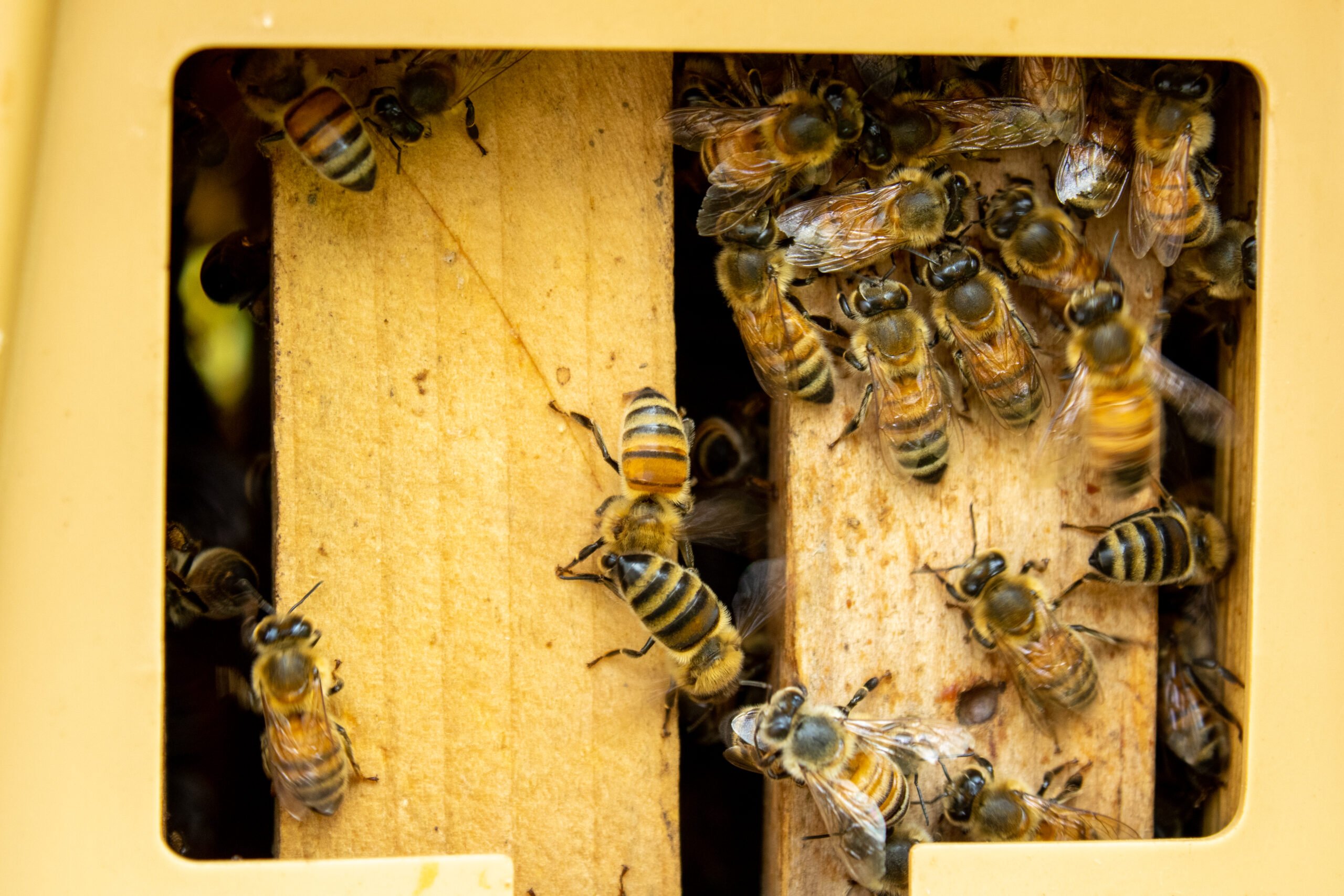 Keeping hives in good condition involves much more work than one might think. Being a beekeeper involves bi-weekly inspections to check for pests, assessing if a honey super should be added to or removed from the hive, providing the bees with food during periods when there isn’t a nectar flow in nature, and so much more. As a new beekeeper, it is also important to keep asking questions to peers with more experience, and continue doing research. There is so much that can be learned about the bee’s activity in each season, and the more we understand, the more honey we can help them produce.
With everything we have learned, a generous donation from the Club Estates Gardening Club, and our friend Mr. Lattimore, we were able to add and care for four new hives on our land this spring. This increase allowed us to double the number of honey jars we are bringing to market this year, and this number is only expected to keep growing! Once the newer hives make it through the winter, they will have a head start on production for next year.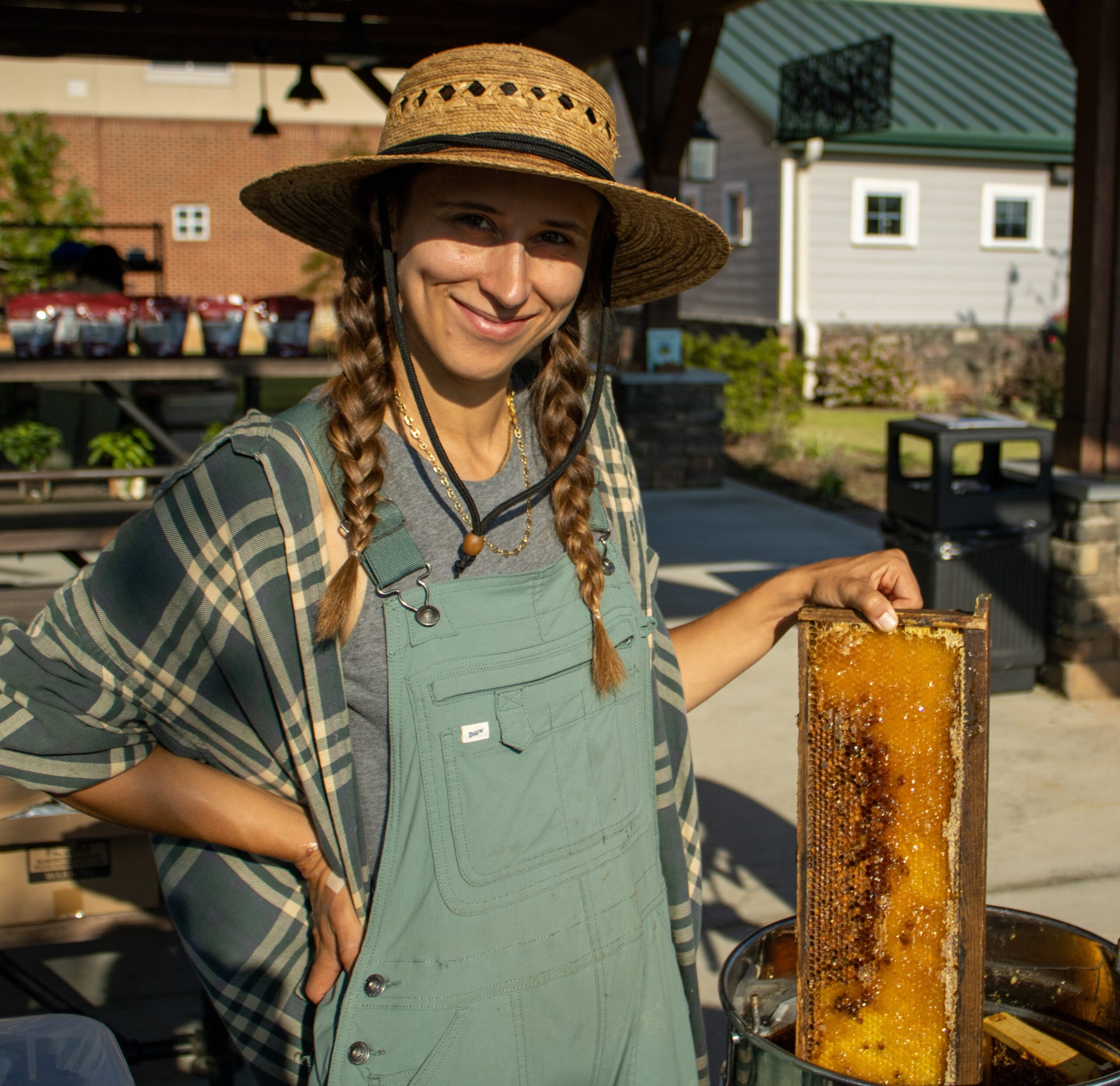
To determine how much honey we want to take from the hives, we first determine how much the bees will need to eat for themselves through the winter, when flowers are no longer in bloom. Once the surplus is decided, we remove the frames full of wax-capped honey from the hives, and it goes into a piece of equipment called an extractor. We turn a crank, which spins the frames so fast that the honey flies out of the cells and drips to the bottom of the tank to a collection bucket. After a straining process, to separate small pieces of wax from the honey, it gets poured straight into jars, labeled, and is ready to sell. The resulting wildflower honey is 100% raw, and unfiltered, straight from the property of the Good Samaritan Health Center. The health benefits of this locally produced honey are numerous, especially during allergy season, and we encourage our patients and shoppers to give it a try and see for themselves!
We are already looking forward to another cycle of tending to the bees, and seeing what of their abundance we will have to share with our community.
Alexis Haggerty
Assistant Farm Manager
Good Samaritan Health Center
10 years. That’s the difference in life expectancy between women in the top 1% and women in the bottom 1% in America. 10 years, which could have been filled with laughter, love, and lasting moments with the family such as weddings, meeting the new grandbaby, or just celebrating small daily wins. 10 years, the difference that can be made when someone is provided all of the opportunities to improve and monitor their health as opposed to just scraping by and using the ER as their primary care provider.
If you haven’t been keeping up on our social media posts this week, we’ve been sharing alarming yet very true statistics on the state of health we see day in and day out. We’ve been sharing these statistics in order to highlight the real importance of Health Centers not only in here in Atlanta but all throughout the country, in observance of #NationalHealthCenterWeek. Did you know that Americans below 100% of the poverty line are more likely and susceptible to have physical limitations and develop illnesses such as coronary heart disease, hypertension, diabetes and stroke?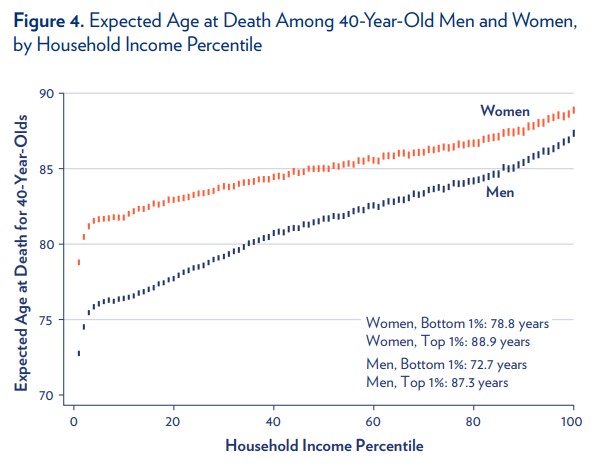
Good Sam is a place that is here for our community. We don’t plan on leaving anyone behind because of their lack of economic stability, education, or any other social determinant. We strive to make our services accessible and of great quality which is why we provide same day appointments, Uber rides at a reduced price, fresh organic produce at our market, health education classes, and much more in order to provide OUR community with opportunities that many others wouldn’t seek to provide them. We have been around for 25 years with exactly the purpose of, “Spreading Christ’s love through quality health care to those in need”, and we hope to stick around to continue to follow our mission and further expand our services.
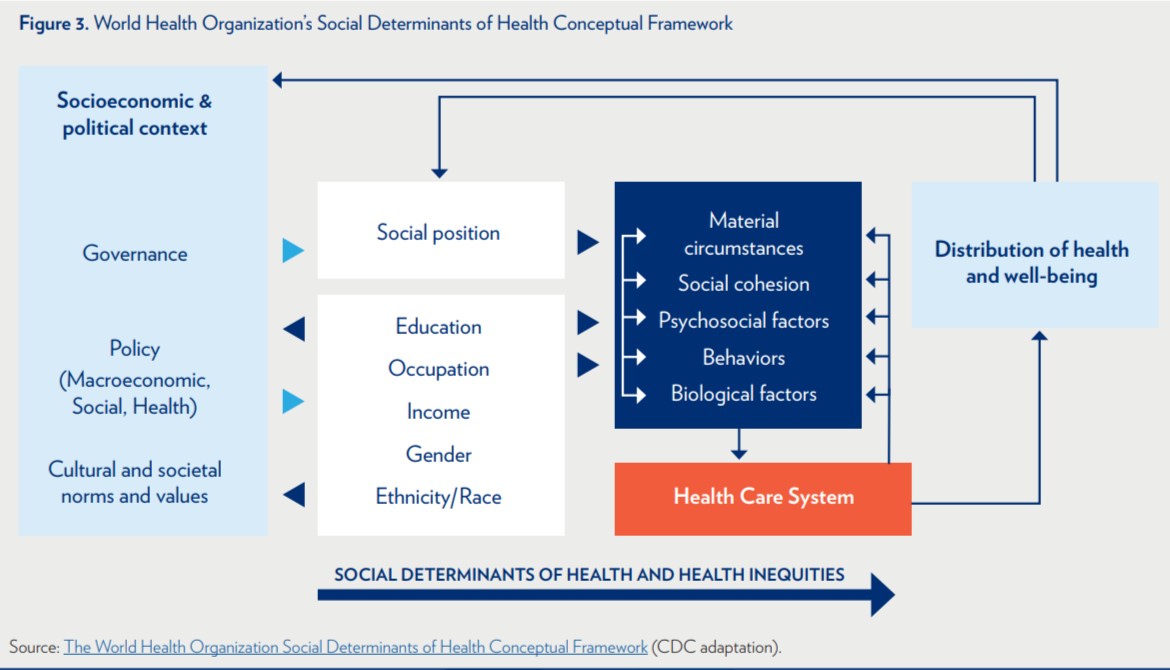
Other alarming facts we’ve learned over the course of the week:
- Individuals with only high school degrees are less likely to be in excellent or very good health and have a shorter life expectancy. (Source: Health Inequity in the Unites States by Jose J. Escarce)
- In 2021, 64.4% of non-elderly uninsured workers worked for an employer that did not offer them health benefits. (Source: Key Facts about the Uninsured Population by Jennifer Tolbert, et al. )
- 40% of Americans reported symptoms of anxiety and depression in 2020 compared to just 11% in 2019 (Source: The State of Mental Health in America 2023: Adult Prevalence and Access to Care by Darice Warren )
- Access to mental health care can be unaffordable as reported by 42% of respondents of a Mental Health America survey. (Source: The State of Mental Health in America 2023: Adult Prevalence and Access to Care by Darice Warren )
If you feel moved by this blog post, make sure to support our efforts to grow and expand our services for our neighbors. Click this link if you’d like to be a part of the change!
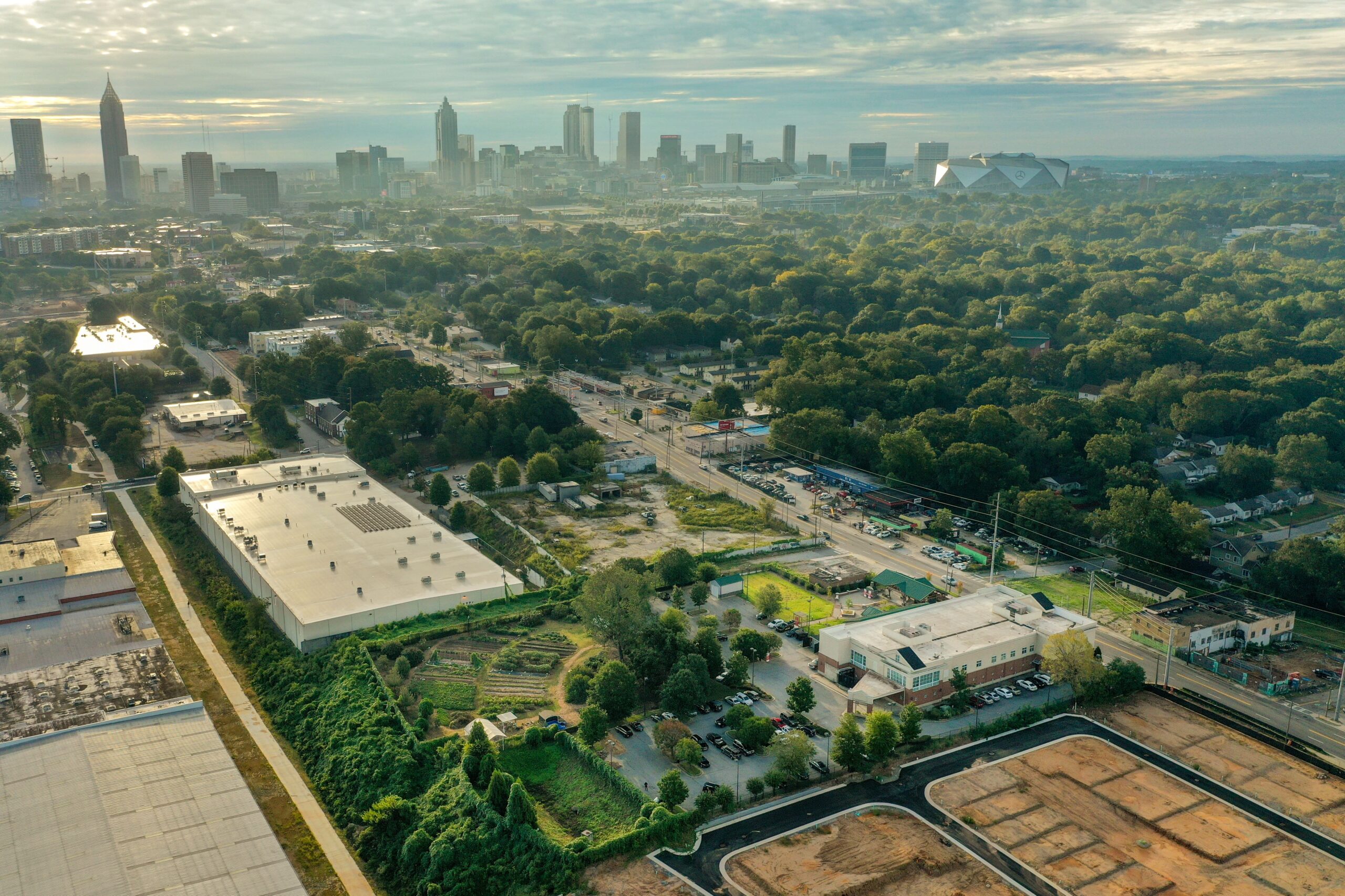
And if you’d like to read more about Health Equity you can check out the resources below:
Tiffany Loredo
Marketing and Communications Coordinator
Good Samaritan Health Center
“Good morning, are you coming in for a medical or dental appointment today? Do you need to take a COVID-19 test for work or for travel? Have you had any coughing, sore throat, vomiting, or body aches? Oh, and one more thing, don’t forget to pull your mask up before you step in.”
Don’t worry, you don’t have to answer any of those questions, but you may have heard me asking you any or all of those questions before. My name is Tiffany Loredo and I’m the newest Marketing and Communications Coordinator here at Good Sam. Before I joined the Development team, I worked Triage and asked all of those amazing, not so stressful or time-consuming questions. But before becoming Triage personnel, I was a volunteer for one of the healthy cooking classes hosted in the teaching kitchen. While, I’ll try to stick to speaking about my first thirty days, the truth is that my journey with Good Sam is three years in the making, and there's a lot to unpack.
Believe it or not, I’m not the first one to have moved from one place to another within Good Sam. If you take a good look at the medical and dental teams, you’ll realize that some of those faces are very familiar because they once sat at the receptionist desk or checked your temperature at the front door.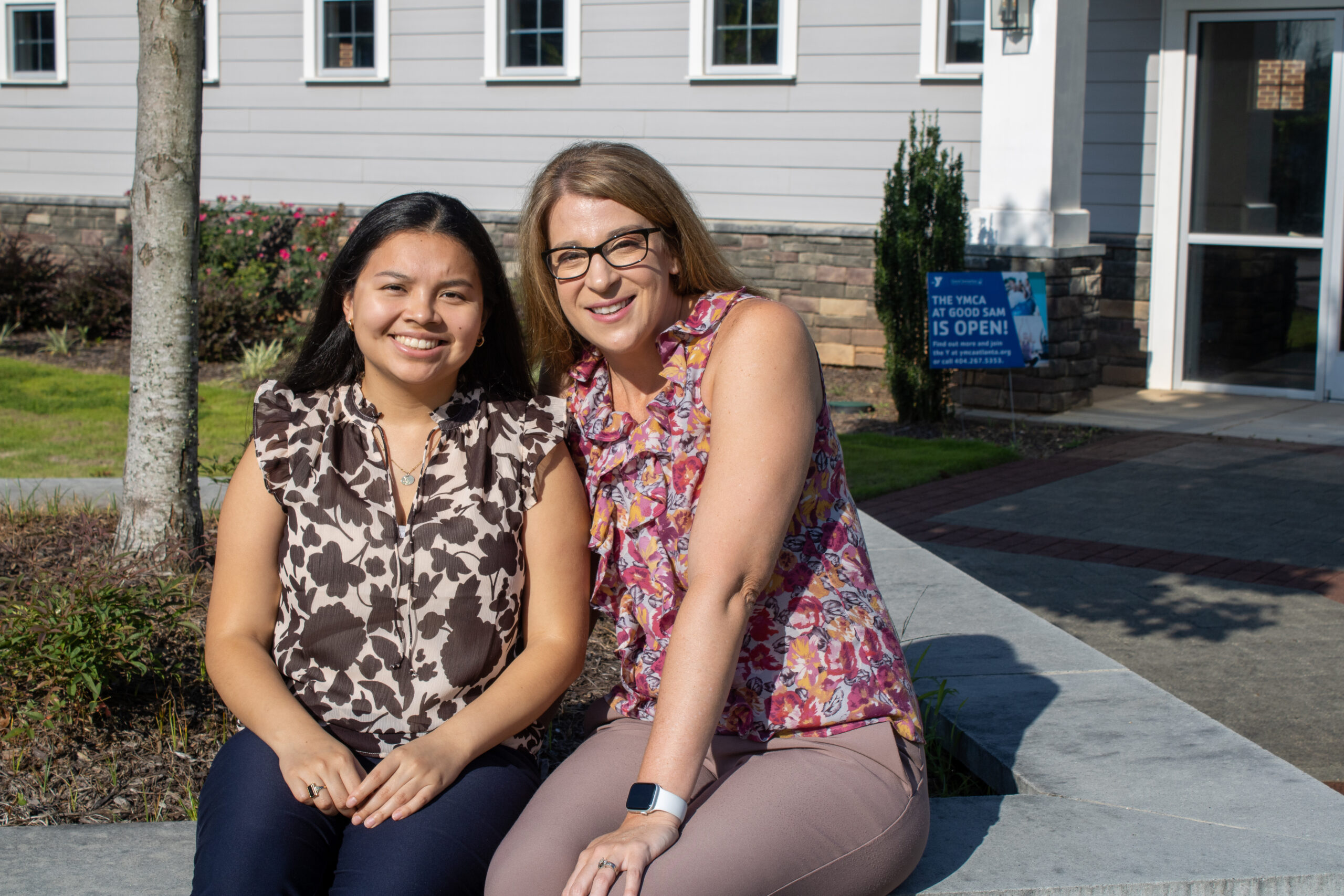
That’s the kind of place that cares for not only their patients and donors, but also for the betterment of their staff through opportunities for growth. That’s just the place that we have here at Good Sam.
I now find myself becoming more and more involved with the team here at Good Sam from going to my first luncheon as fulltime staff, attending a Braves game for the family, and even leading Devotion for the first time.
All in all, in these past thirty days I’ve been learning as much as possible about our current marketing and communications tactics in order to prepare for our busy season. I’ve had countless meetings with both Heather and Bianca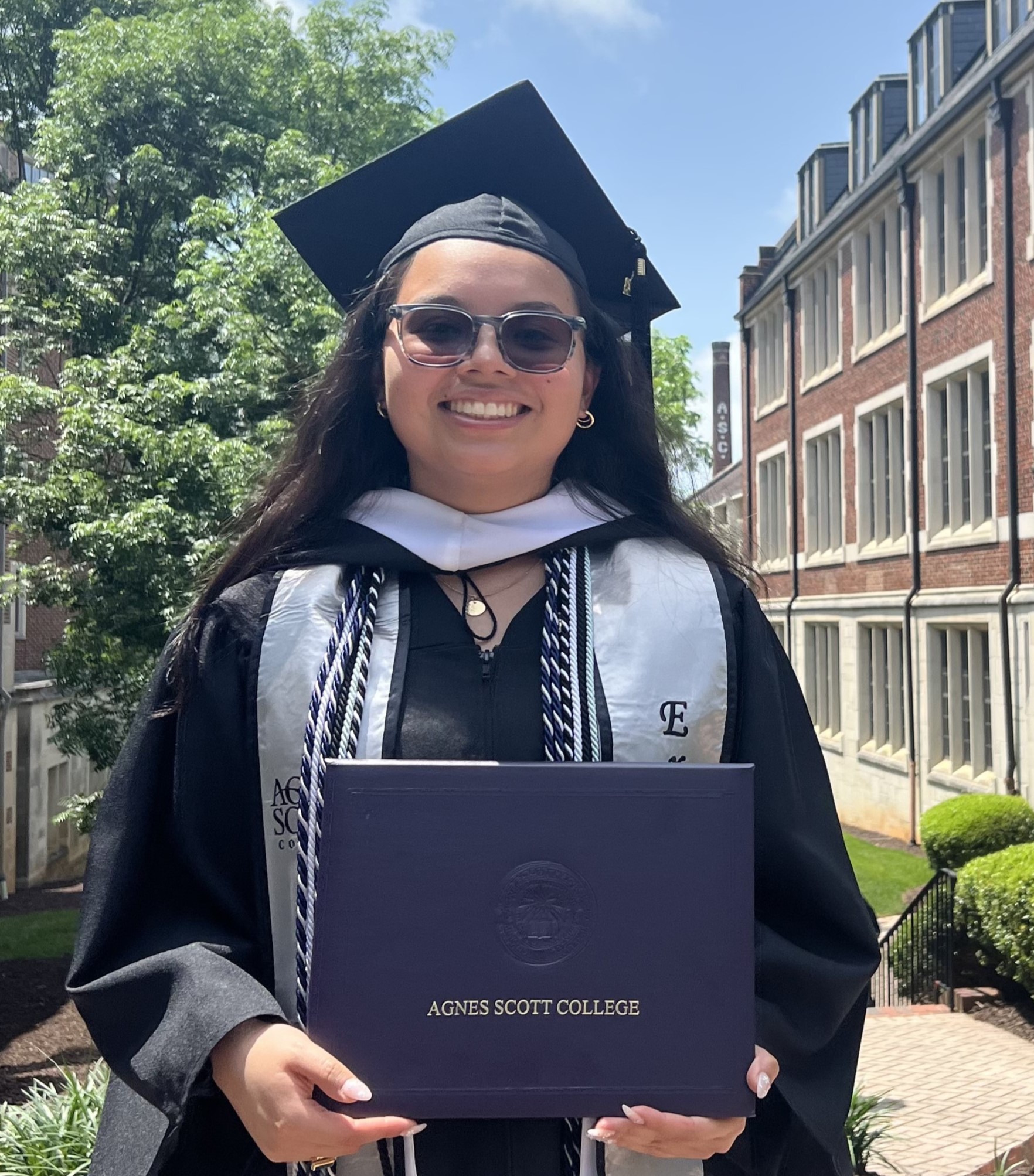 and contributed a number of ideas for the newsletter, blog posts, and social media posts. I’ve also been able to practice my photography skills in order to prepare for our Back to School Bash, which will be at the end of this month. My days have been filled with watching informational YouTube videos, reading up on current marketing trends, and really getting to immerse myself in Good Sam in order to better communicate who we are and what we stand for to current and future donors and our entire community.
To close this off, I’d like to share a snippet from my devotion the other day and offer up a little bit of encouragement for anyone entering a new stage in their life right now. As we can read in Isaiah 40:31, “But those who trust in the Lord will find new strength … They will walk and not faint”. As difficult as the job-hunting process was, I would always come back into a place of peace, hope, and mediation, and remember that the Lord has his plans set for us and whether we figure that out now, or later, in prayer we will be led to the him and we will find not only him but also ourselves. With each new beginning we can be reminded of God’s grace, mercy, and forgiveness. My first thirty days here at Good Sam as the Marketing and Communications Coordinator have been nothing short of great, inspiring, and memorable. I look forward to continuing to grow with Good Sam and am endlessly grateful for everyone who has been on this journey of growth with me.
Tiffany Loredo
Marketing and Communications Coordinator
Good Samaritan Health Center
I walked into Ms. M’s room a little apprehensively because I’d checked the schedule that morning and saw that she was a patient I’d never seen before and hadn’t been to Good Sam in quite a while. I was worried that the visit wouldn’t go smoothly because patients usually see their regular provider, particularly those with multiple chronic health conditions. Fortunately, I couldn’t have been more wrong about Ms. M.’s visit. Half way through, she stopped me and said, “You’re just like all the other people here. You’re why I keep coming back to this clinic. This is the ONLY clinic I will ever go to. I went and got insurance, really good insurance, so I co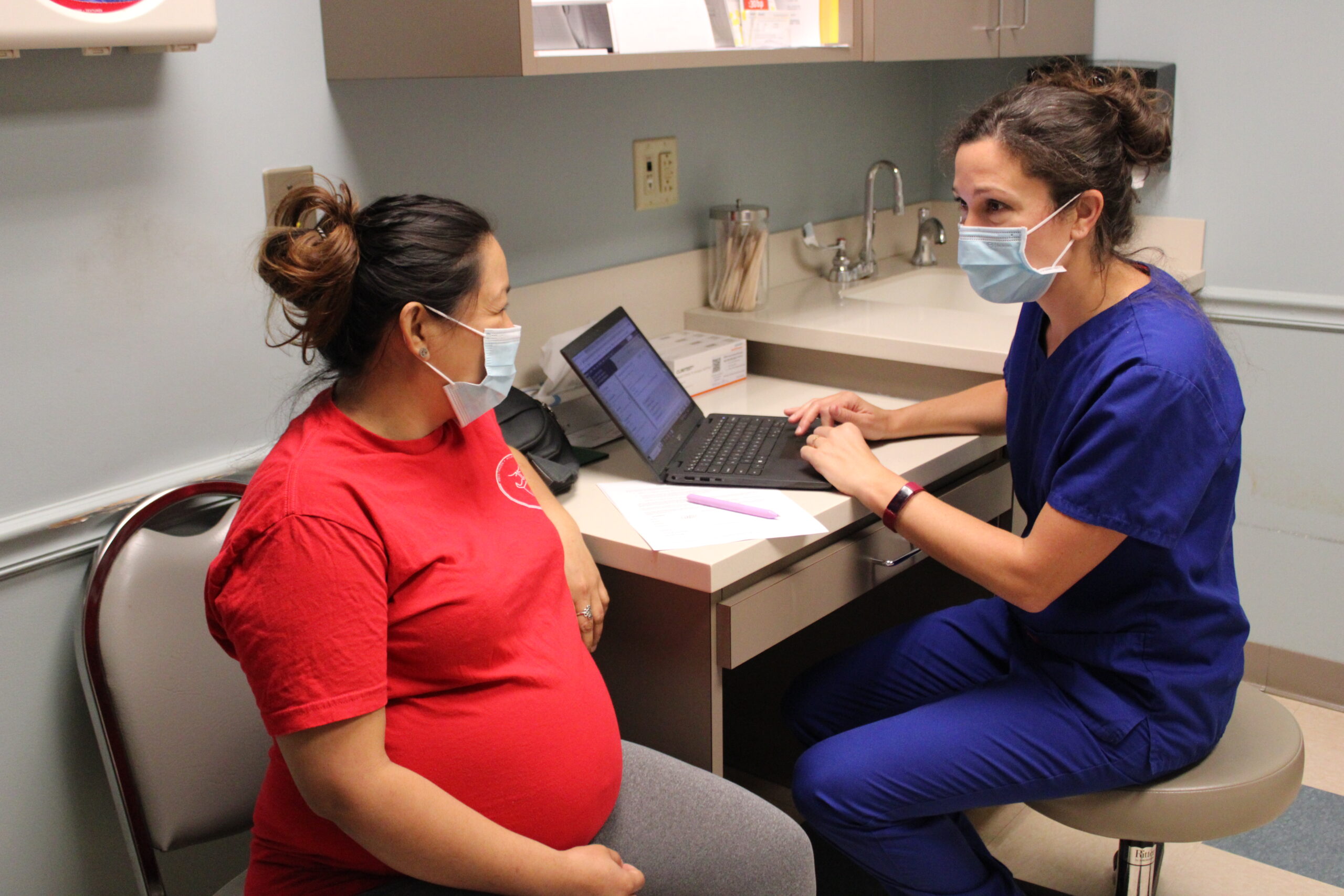 uld go anywhere, but I tried, and I came right back here. Here, everybody cares and I know I’m going to be taken care of.” Ms. M informed me she has been a patient at Good Sam almost since its inception, “back when you were over by the aquarium.”
I started working for Good Sam, thinking it would be a temporary job while I helped my sister, who lived near, a little over 11 years ago. I assumed once I helped out both my sister and the clinic a bit, I would return to global mission nursing. God certainly had different plans! My sister is fine now, and I am still here, loving my job with Good Sam. Working for Good Sam means that I spend the majority of my days in a place where all the staff believe in and support the mission “spreading Christ’s love through quality healthcare to those in need”. I hear comments like Ms. M’s all the time. Patients keep coming back because they feel loved and cared for and receive some of the best medical care available regardless of whether or not they have insurance. I have had patients tell me that they received health insurance, but came back to Good Sam because they now want to support our clinic and mission. Others have told me that they are moving to another state, and some even another country, but that they wish to continue their care with Good Sam and will make the trip back as often as necessary. There have been multiple patients who no longer needed Good Sam and have come back to volunteer once they were not patients. Patients often comment how wonderful it is to be in a place that really sees them and doesn’t treat them like another number or task to rush through. They love the time and care they receive here. Every day at Good Sam, I feel the Holy Spirit’s presence. I see God in our patients, the staff and in the visitors. I am proud to work for a clinic that truly puts its mission and its patients first.
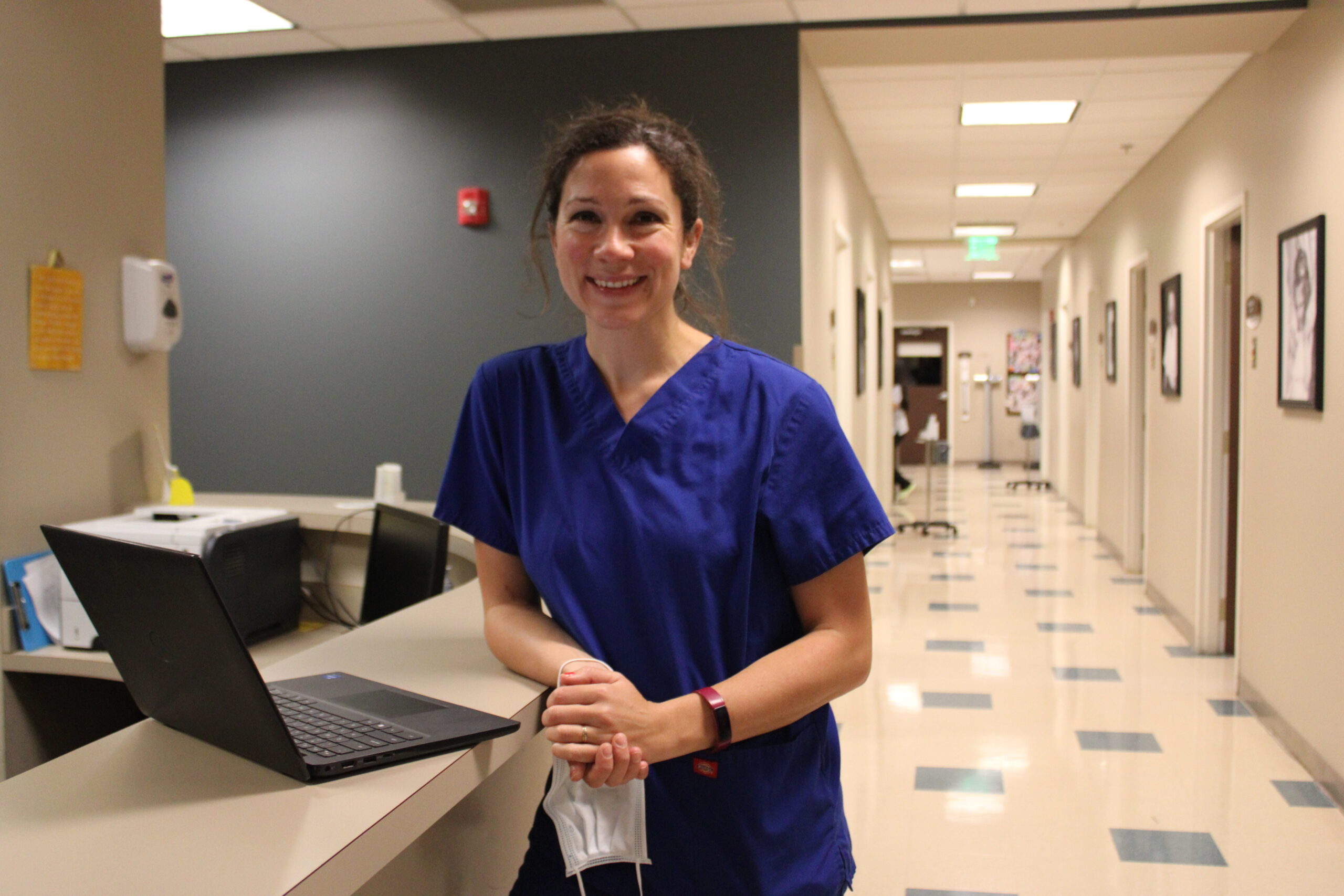 Sometimes, the work at Good Sam can be hard and heavy. The stories people share hurt. The pain, limits, inequity and inequality that people share are too much. It’s easy to doubt what difference can really be made. But then a patient, or another provider, or an MA, or clinic leader says something like what Ms. M said, and I realize that every encounter matters and, through each of these small encounters, I’d like to think, a very big difference can be made. I am grateful that Good Sam allows me and many others to be a light in this world.
Katie Stump
Family Nurse Practitioner
Good Samaritan Health Center
We have all heard the expression “He was something in his prime! “or “She was something in her prime!” And as far as I could tell, Joan’s prime just kept right on going, but I am here to talk about the last 12 years of her life. I am going to share the impact she had on the staff and patients at the Good Samaritan Health Center.
Over the years, Joan became such a faithful volunteer on the prayer team with me and a handful of other volunteers. She began to have such an impact on the staff members and especially the patients, as she always had a smile to give or a word to share. 
Typically, the prayer room volunteers come into the health center and collect prayer request cards from our patients and staff which are held in locked boxes, and then we take the cards to our small prayer room and we pray over each request. But Joan would go above and beyond.
Each week she would make an announcement in the lobby-full of patients. She would introduce herself in her great southern accent and encourage the patients to fill out a prayer request with any specific needs or health concern. 0053he would explain that she would be taking their cards back to their prayer room where she would pray for each prayer need. And then she would always say, “and if you don’t fill out a card, I’m still going to pray for you! Because here at Good Sam, we care about you and God cares about you.”
The patients who were regulars knew her by name—especially the ones who were a part of our Friday Clinic.
I remember one patient named Billy. He would always ask if she was not there, “Where is Ms. Joan? Where is Ms. Joan?” He knew he was loved by Ms. Joan and he would look for her. Joan had a heart for the sick, the poor, the lonely and it showed.
Joan came to the prayer room at least once a week. She didn’t take the summer off or the holidays. She only missed when she was sick or out of town and even that was rare. She was so faithful even up until late last fall when she became ill. A conservative guess is that Joan prayed for over 15,000 patients and staff over the years.
After a few years of volunteering together, I began to be inspired by the way Joan was living out this last quarter of her life. She just had a lot of joy, she was so funny, she was energetic, stylish and I could tell her faith in the Lord was strong.
What I witnessed is how Joan chose to live out her life those last 12 years. She really cared about the poor, the sick, the unloved, the ones that Jesus meant by “the last of these.” And her actions showed it.
Joan didn’t shift the gears down as she aged, she shifted into a higher gear. She was doing kingdom work. As Paul speaks of in 2 Timothy 4:7-8, Joan finished the race strong and kept the faith.
To close, here is a verse that reflects how Joan lived her life: 1 Corinthians 15:58 “Therefore, my beloved, be steadfast, immoveable always abounding in the work of the Lord, knowing that in the Lord, your labor is not in vain.”
Lynne Warren
As I write this, I’ve had about a week to process what took place at Good Sam’s 25th Anniversary Gala. The last 4 months at Good Sam have been a whirlwind, but nevertheless, I am grateful to have been a part of it all. While I didn’t take the lead planning this event, I had the pleasure of working alongside Heather Kersey, our Chief Development Officer, as she put her all into making sure that our Gala was a success. 
The Gala was an incredible opportunity for me to grow professionally, and served as a chance for me to learn some of the ins and outs of what makes an event a success. Throughout the planning process, I realized just how important the details were. From table placements, to nametags, from linen colors, to programming, you name it--- it all matters.
Over the past 25 years, Good Sam has served thousands and thousands of patients and our mission “spreading Christ’s love through quality healthcare to those in need” has remained unchanged and just as relevant as ever. Our goal of this Gala was to introduce our new five- year strategic plan that states our goals to better serve our community, and remind everyone that we are indeed Here for Good, both in the work that we do, and in our longevity.
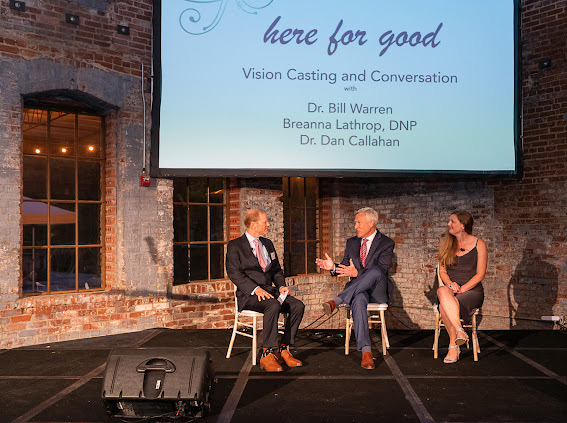
For many, the night started at Good Sam where our guests could see firsthand the spaces where our service to our community begins. The staff-led tours were a great opportunity to see Good Sam and hear about some of our programs and the work that we do. For others, the night started at Guardian Works, a beautiful event space a little over a mile away.
The night was full of great food, choir selections from David Walker and High Praise, and even a 360-photo booth. However, my favorite portion of the night was when we formally launched our Here for Good capital campaign. It was very eye-opening for our community, donors, and even myself. It was during this conversation that I realized how blessed I am to be a part of something much greater than myself. 
All in all, I’d say that the event was a huge success. We have heard a lot of positive feedback, as well as ways we can make the next event even better. I am confident that our community is excited to see how the future of Good Sam unfolds, as am I. Although the Gala is over, it was just the launching point for what is to come. It’s time to continue the good work we set out to do 25 years ago.
Interested in learning more about our capital campaign? Visit https://goodsamatlanta.org/hereforgood/.
Bianca Long
Development Coordinator
Good Samaritan Health Center
Does your clinic provide a full circle of health? The Good Samaritan implements a full circle of health model that goes above and beyond a regular clinic to improve the overall health of those with limited healthcare access. I am proud of working at Good Sam for the great services we provide to our patients.
First, let me talk to you a little bit about what Good Sam’s full circle of health is all about. The Full Circle of Health was developed to address social determinants of health, and thus decrease the devastating life expectancy gap between the westside and the wealthiest parts of Atlanta. The Full Circle of Health includes medical care, dental care, behavioral health services, health education, and healthy living tools. Medical care includes comprehensive primary care along with prenatal care, pediatrics, diagnostic labs, case management, and specialty services. The dental program offers hygiene, restorative care, prosthetics, and specialty care. The behavioral health department offers same day assessment and well as scheduled counseling sessions and psychiatric consultation. Health education programing compliments medical services and includes diabetic education, nutritional consults, cooking classes, kidney health classes, and prenatal classes. Good Sam further enhances patients’ ability to engage in healthy lifestyles through the Good Sam farm, farmer’s market, and the YMCA gym. These services provide patients with opportunities for affordable fresh produce and a safe place for exercise.
I joined Good Samaritan about 2 and a half years ago right in the middle of the harshest part of the pandemic. Starting off, I was screening every single patient walking through the doors for covid. At the slightest hint that they had symptoms for Covid, I would have to find a solution for them to improve their health and protect other patients from exposure to Covid. I would add them to the schedule to get tested or to be seen for their covid like symptoms. Looking back now at this role, I reflect that the role was created during the pandemic to sustain and preserve the full circle of health model that Good Sam embraces at its core, because without it we would have missed a spot to provide care for our patients. While this position has changed to accommodate our ever-increasing number of patients, we are still one of a few clinics that physically check and protect their patients from covid at the door. Although, COVID was tough I am proud to have been here for the most difficult part.
Jimmy Padilla
Guest Services Associate
Good Samaritan Health Center
Over the last 25 years, Good Sam has transformed tremendously from our first day of service. We’ve moved locations, served more patients, gained new staff members, expanded our outreach, opened new spaces, the list goes on. Despite all of our transformations, one thing remains constant: God is at the center of everything that we do. It is because of Him that we are able to be of service to those who need it.
When I read and study the life of Jesus, I note three big things which stand out (not to diminish His all-encompassing, sacrificial death and resurrection to redeem sinners): His teaching, His healing, and His chastisement of hypocrites. It will therefore come as no surprise why the name “The Good Samaritan Health Center” was chosen for our ministry and mission 25 years ago.
Upon reading the parable of the Good Samaritan, found in chapter 10 of The Gospel of Luke, Jesus uses a traumatic, medical emergency to teach us who is our neighbor. As physicians, dentists, nurse practitioners, mental health professionals, and more, we strive to live out the gospel among the poor by being their neighbor, meeting them in their crisis at their moment of greatest need. Over the years, I have realized that we cannot heal people exactly like Jesus did, but we can be the Good Samaritan who did not take the easy, unengaged way out when he came upon a need. He responded by acting to save a life.
I also believe that this parable teaches an even more important lesson: the lesson of redemption, which Jesus provides for those who are called by Him. For Jesus is The Good Samaritan and we are the beaten, broken, and left for dead man who wasn’t ignored. Jesus took our concerns, failures, spiritual poverty, and brokenness and without being judgmental, rescued us when we were helpless! That is truly the greatest story for all mankind.
As Jesus’ twenty-first century servants, we act on His behalf by caring for our neighbors, those who trust their healthcare needs to our team at Good Sam. We understand, of course, that we are not Jesus, rather, we are merely His agents exercising neighborly love and compassion. We are not perfect in our work, yet God continues to redeem us as well and teach us how to be a neighbor. Thusly, we are blessed to continue our service in this 25th year and prayerfully, many more to come.
Bill Warren
Founder and Pediatrician
Good Samaritan Health Center
How can it already be time to reflect on 2022? Didn’t this year just begin? They say “time flies when you’re having fun” and there has surely been a great deal of fun, laughter, and shenanigans in these hallowed halls this year. However, I would amend that stateme nt to include the rapid passing of time when you’re working really hard to address critical needs around you. There never seems to be enough time.
If you had asked me at the beginning of this year, “What new programs or projects do you think Good Sam will embark upon in 2022?” I probably would have laughed and said “Nothing new, we’re going to work hard to maintain all the good we’re doing now.” That answer was part my own risk aversion, part my core belief that Good Sam was already doing so, so much good, and part the hope to protect a staff I love from burning out after a really difficult two years. That answer was also wrong.
I genuinely don’t know how we keep doing more. But we do. Weekly vaccine clinics, outreach events, Uber Health rides, opening new spaces, expanding the offerings of our Market, same day services, satellite clinics, the list from this year is long. And it’s invigorating. It’s not scary, as my mind would have me believe when we’re in the planning stages. It’s so exciting and full of hope. I listen to new ideas almost weekly. Some are urged by thoughtful philanthropists who have funding and a belief that we’re just the organization to use it for good. Many are brought up by the faithful staff members, boots on the ground that see this work and know a new service offering could address a need they keep hearing from our neighbors. I crunch numbers: finances, hours in the day, sustainability, outcomes; and I worry we just can’t make it work right now. Then someone, usually Breanna or Dr. Bill or a board member, reminds me that we can certainly try. If it doesn’t work out, we’ll walk it back and try the next thing. And then we try. And then it usually works out.
 As I look back over 2022, I’m incredibly grateful that Good Sam had the faith and fortitude to do more and try new things. I am grateful that I got to be a part of that and that I was able to bear witness to the blessing that comes from that kind of faith. Not just blessings on Good Sam, but blessings for our neighbors. Increased access to quality healthcare, a chance for a healthier life, welcoming arms when needed most, these are not “crunchable numbers”. But it is our mission and our calling. Whether driven by faith or the urgency of the needs around us, this organization and this year have taught me that there is always space for more and new when you’re walking in Love. That to “seek justice, love mercy, and walk humbly with God” means to be courageous, bold, and willing to give it a try.
I hope to carry this faith with me into 2023. To say “let’s give it a try” more and worry less. I pray that our stories of victory, hope, and healing from the last year have been a blessing to you through this blog and that you will join us in the new year with increased faith because of what you’ve witnessed God doing here. Until then, Merry Christmas! See you soon.
Heather Kersey
Chief Development Officer
Good Samaritan Health Center
During a clinic day, I go in and out of exam rooms interacting with my patients in 15–30-minute intervals (maybe a little longer), hoping I can make an impact on each person’s health. Even in these short bursts of time, I can often become a confidant to the person in front of me, a shoulder to cry on during difficult times, a friendly face with which to share a hard-won victory. All these pieces of the patients’ life affect their health; our clinic embraces the circle of health model that includes every aspect of our lives, including mental health, spiritual health, nutrition, exercise, and m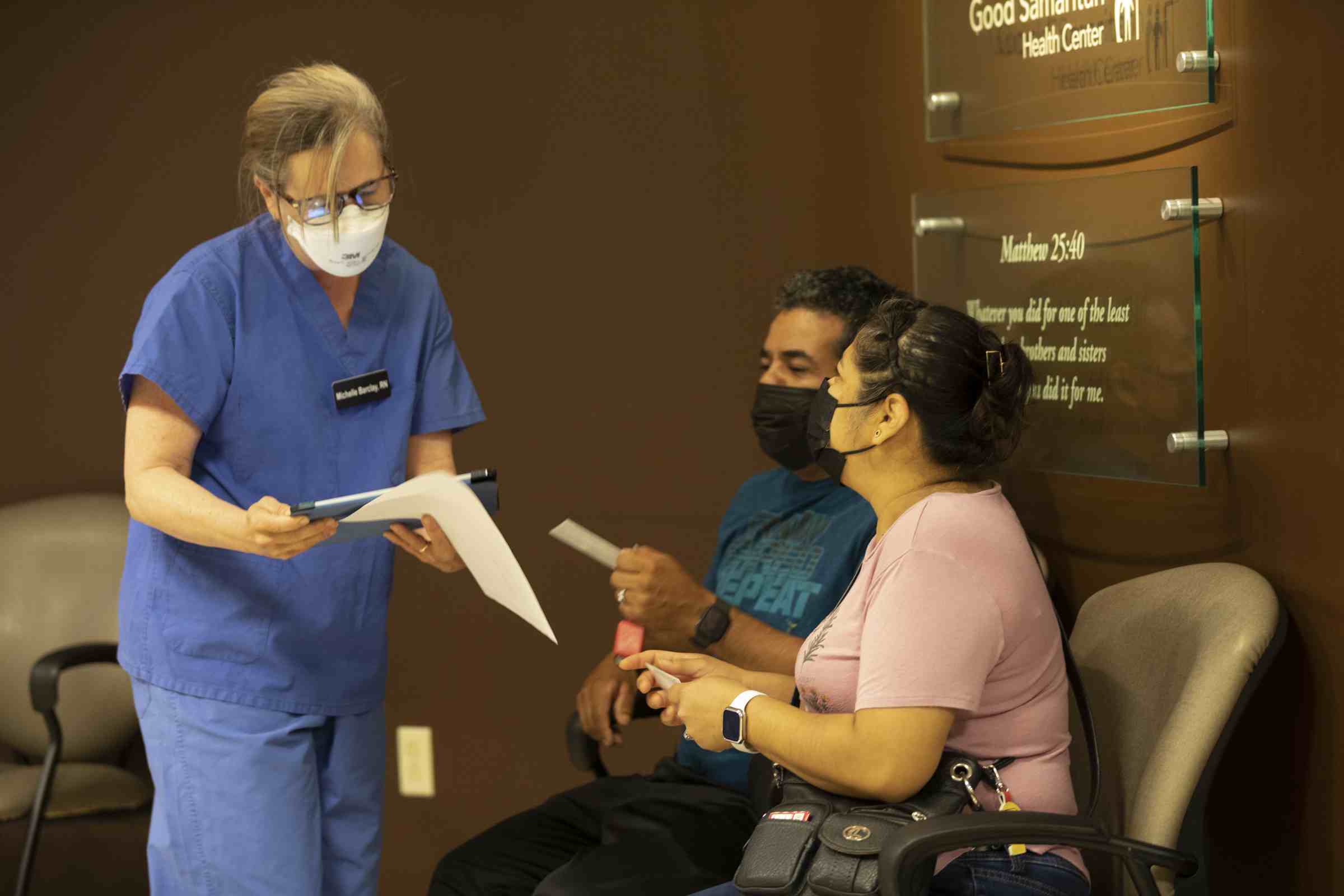 edicine. However, during that small window of opportunity I have to make a difference, I often uncover obstacles that may get in the way of patient achieving his or her health goal. The problem may be that the patient is uninsured and needs the services of a specialist or that he or she has suffered a loss and needs to find a local support group. The patient may live alone but not be able to prepare his or her food and needs a food delivery service. Unfortunately, my medical expertise can only go so far in these situations, but now I have access to a relatively new service in our clinic that has been very helpful. I can message our case managers to contact the patient or have them come in for a consult to obtain financial assistance for specialist appointments or find local resources that meet his or her need. Our patients have been able to benefit from an extra advocate who is working on their behalf to open the door to a better health outcome, a wider space to be sure than the small window I have access to during our short office encounters.
Dr. Melissa Sanchez
Medical Director
Good Samaritan Health Center
Growing up I always knew I wanted to help others. I grew up helping my family in numerous ways and it became a passion to help others in every way possible. No matter where I was, or what I was doing, if there was any way I could help, I would. As I got older, I remember telling myself that when I got older I wanted to continue helping people. Being bilingual has definitely been a great advantage for me. I am able to help those that are struggling with language barriers. When I was younger, I would witness how much of an issue it was to not speak English. I’d see family and friends not be able to thoroughly inform their doctors about their problems. It was then that I tried my hardest to be available to those who needed that help.
After graduating high school, I remember taking one of my family members to an optometrist and translating for him. Little did I know that the simple act of helping someone whose first language isn’t English was going to help me get a job here at Good Sam. I would love when patients would thank me. To see the joy in their eyes when they felt heard was what kept me looking forward to work in an environment where I could do that and more. 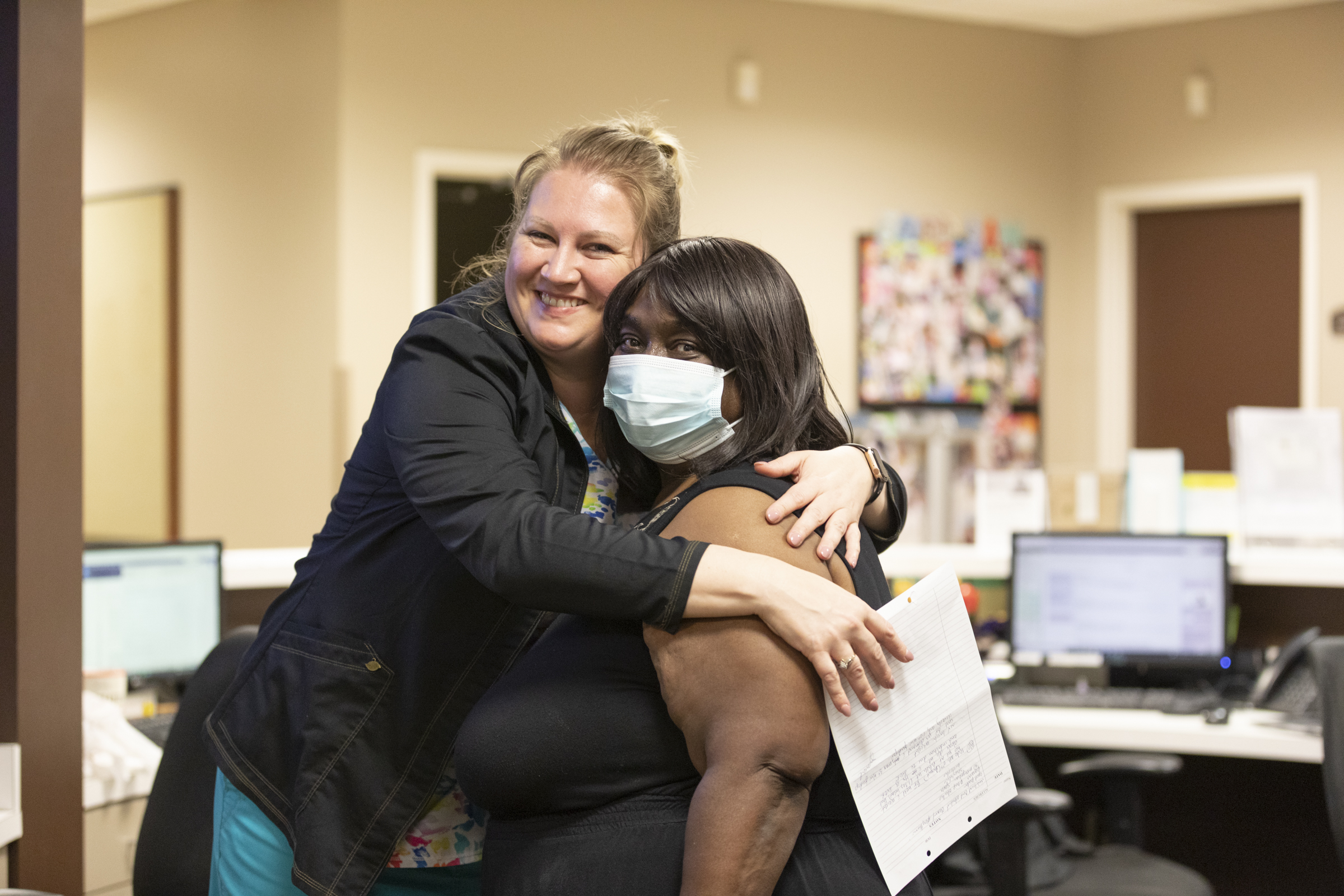
Fast forward to 2019, I was given the opportunity to work at Good Samaritan Health Center. I initially started in Guest Services and worked with an amazing team alongside an amazing role model, Lizeth. I am thankful for being allowed to interact with patients and help them with their needs. I would answer the phone and speak with our patients regarding their upcoming appointments or any outstanding order. I would call our patients that were on the waitlist to see specialists that would improve their overall health. I was also given the opportunity to translate for those that had a language barrier and were unable to communicate with their provider or counselor. There have been numerous times where our patients have expressed how grateful they are when a clinic has a translator that allows them to fully express through us what they are experiencing and also being able to understand everything they are being told.
I was fortunate enough to be able to bond with our patients and community to the point where everyone felt like family. Patients deserve to feel heard and seen and that has been one of my top priorities. My favorite third grade teacher would always say “Treat others how you’d want to be treated. Think about others the way you want to be thought of. Feel about others the way you would want others to feel about you. Speak to others the way you want to be spoken to.” It was then that I realized that I was finally in a place where I could do everything that I wanted to do and more.
I am now working as a Medical Assistant and I also do Case Management. It is truly a dream come true being able to help our patients, both English and Spanish speaking patients. The ability to sit with a patient and discuss what their needs are and how they have had so many obstacles in their path up until they received this help is truly an eye opener and only makes me enjoy what I do at the clinic even more.
I enjoy being able to call our patients with good news, especially if it’s me telling them they have been approved for a specific assistance that we had applied for, such as housing, legal assistance, Food Stamps, Georgia Medicaid, Northside Approval, and the list goes on.
I would love to continue making a difference and helping support the purpose of Good Sam. It is truly an honor to be serving my purpose in a place so full of positivity and where we are truly spreading Christ’s love through quality healthcare to those in need.
Erika Malone
Medical Assistant
Good Samaritan Health Center
My name is Treanda Smith and I am an Atlanta native. As I like to say, born and raised in Atlanta. I have lived here all my life and never thought about leaving. When people ask questions about Atlanta, it’s always a delight to share the knowledge that I have and the history. In 1976, my family moved to Techwood Homes, which was a public housing project, located on the Northwest side of downtown Atlanta. Techwood Homes was adjacent to Bankhead Hwy, now known as Donald Lee Hollowell Pkwy.
In 1980, I entered high school and it was also located on Bankhead Hwy. After leaving high school, I had no idea of what my purpose was, and no Idea of what was to become of my life. Fast forward to April 18, 2011, I started working for The Good Samaritan Health Center on Donald Lee Hollowell Pkwy. This year makes 11 years of working at Good Sam. Working at Good Sam has given me the opportunity to give bac k and to live out the mission of “spreading Christ’s love through quality healthcare to those in need.” I never thought that I would be working in my old neighborhood, but I know for sure God led me to the Good Sam. I remember leaving my interview and having an epiphany, knowing at that moment, this is my place, my job, my opportunity, my purpose.
Part of my day-to-day at Good Sam consists of helping patients navigate appointments for different screenings, such as mammograms and colonoscopies to rule out cancer. I try to instill in patients that screenings can help find problems early on, and if detected early, may be easier to treat. Getting recommended screenings is one of the most important things you can do for your health.
On May 5th of 2016 I turned 50 years old. I remember going for a health check and being sent home with a fecal immunochemical test (FIT). This test uses antibodies to detect blood in the stool to screen for colon cancer. Guess what, I never sent the specimen in, and after that I continued to do a health check every year but never sent in the FIT. This year I took a hard look at myself and decided to go ahead and get the colonoscopy, like JUST DO IT. How can I spend my day trying to encourage people to get their screenings done but can’t encourage myself? After speaking with Dr. Sanchez and hearing her say, “you have to get this done,” I decided to just do it.
I started my adventure by making the initial appointment for the consultation and education. I met with the doctor who was going to perform the procedure and reviewed the diet plan and prep. On October 14th, I started a light residue diet and then on the 16th nothing but clear liquids for 24hrs. I also had to start the Polyethylene Glycol jug mixed with water. The whole jug had to be completed by 2:00am. The drink was ok. I kept drinking it with water, Jell-O and Gatorade. Around 1:50am I struggled to finish the last two cups.
That morning, I checked into Dekalb Gastroenterology. The team placed the IV, I spoke with the doctor again, they administered the anesthesia. I woke up to normal results. Going forward I will always be an advocate for my health. I would rather be a little uncomfortable for a screening than miss an opportunity to take care of myself.
Treanda Smith
Medical Services Coordinator
Good Samaritan Health Center
I grew up in a low-income household with limited access to health care. I only remember visiting the doctor when we were severely sick. The options for medical care were the emergency room or the neighborhood non-profit medical clinic with Dr. Reynolds. Dr. Reynolds offered a variety of healthcare services. He saw newborns to seniors, common cold to chronic disease management. I vaguely remember the waiting room. It was full of plants and was always crowded with sick patients. There were rarely ever any parking spaces available. The best part was that you never needed to have a scheduled appointment. It was so simple to walk in and receive help. Yes, the wait times were long, but Dr. Reynolds never turned anyone away. We struggled with transportation; therefore, my mother always had to call a taxi cab. She always said getting there was more expensive than seeing the doctor. 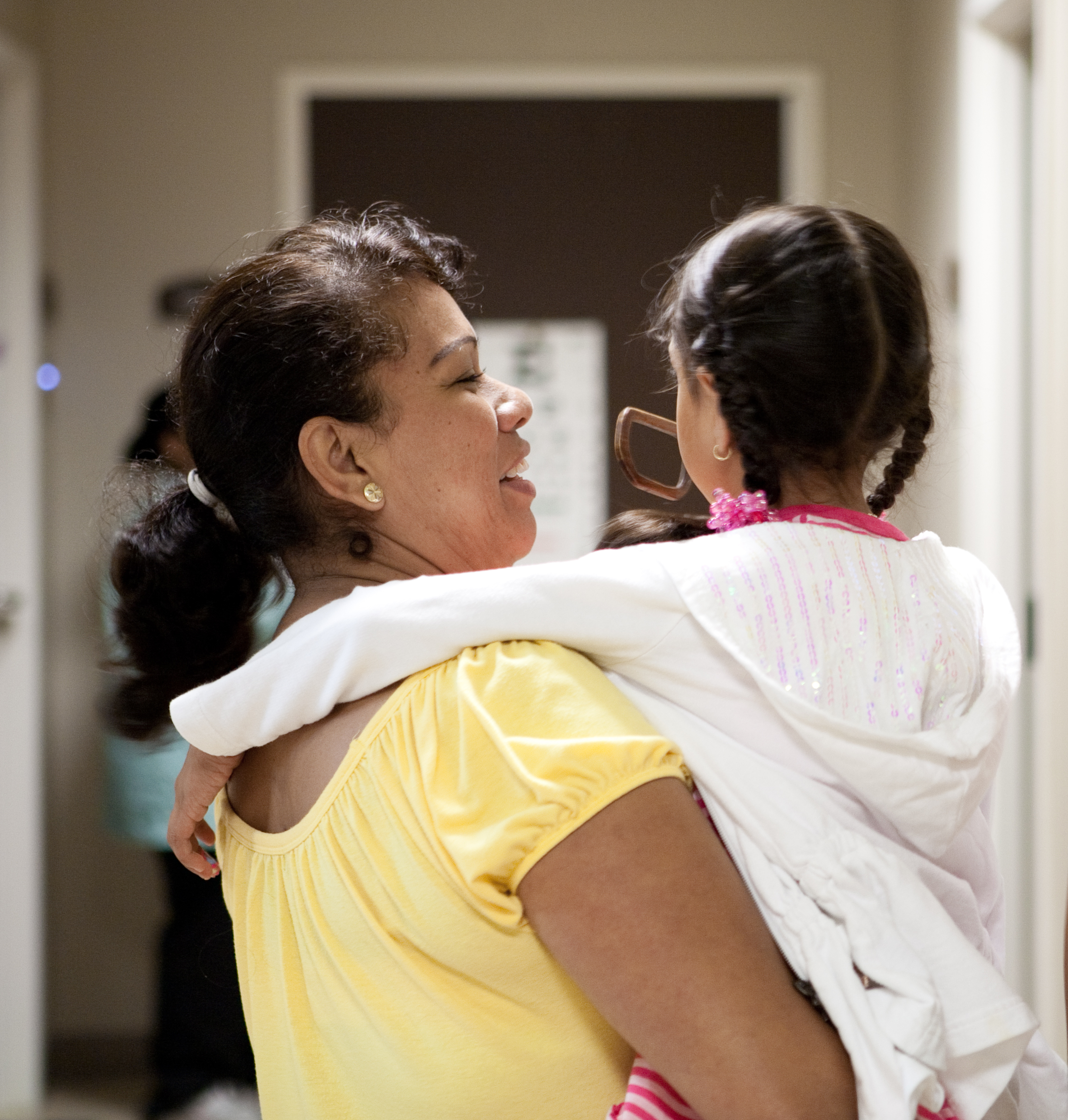
When I first became an adult and had health insurance, I believed I could walk in into the clinic of my choice. It turns out it is not that simple. Medical practices have rules and policies and walk-in appointments for new patients are rarely available or non-existent. Because I work in the healthcare environment, I now understand the healthcare system better. As the Patient Access Director, I am responsible for implementing the policies and procedures to manage a medical practice. When we execute policies and procedures, we always consider the struggles, barriers, and sacrifices our community faces when seeking medical attention—understanding that our community finds it hard to navigate the health system for various reasons which leads to a lack of access to a medical home for them.
I know I have one chance to gain patient trust by offering the immediate medical assistance they are searching for. Luckily, we are now offering same-day medical appointments for new patients from our neighborhood. These same-day appointments have changed our presence in the community. We are now more accessible. Receiving a walk-in appointment is an opportunity to become someone's medical home. A medical home where we not only heal bodies and minds, but also assist our patients as they learn to navigate the healthcare system. Same-day appointments grant easy access to quality healthcare to the most vulnerable population of Atlanta, regardless of social and economic background or health insurance status. By offering same-day appointments, we also contribute to eliminating crowded emergency rooms. This benefits the entire community!
Transportation is another barrier our community faces. But with the help of CVS, Sostento, and Uber Health, we can eliminate roadblocks caused by lack of transportation. All existing and new patients can now receive free or drastically discounted Uber rides to their Good Sam medical appointments. In the last six months, we have granted over 20,0000 Uber rides. Because of the Uber rides, our patients can now schedule and keep all additional key appointments to complete a treatment plan or get chronic diseases under control. I'm happy to see our patients take full advantage of our Full Circle of Health model without the burden of wondering "how will I get to my appointment?" Our focus continues to be on eliminating as many barriers as possible when it comes to access to care. Let's celebrate another important victory in healthcare access!
Lizeth Rodriguez
Patient Access Director
Good Samaritan Health Center
I moved from Northern Virginia to Atlanta specifically for a job at The Good Samaritan Health Center. I had not imagined working at a non-profit before, let alone a faith-based organization. I was excited to continue my career in Public Health, but more so, after my initial interviews, and a bit of firsthand observation, I was heavily moved by the mission. Serving the underserved and low-income community is exactly that, an act of service. I truly believe without being rooted in some kind of faith, the required energy and sustainability to provide acts of service is very low. It has not been easy by any stretch, and that is just a testament to the passion behind the work; striving to do “good” and do better for the people we serve. Patients aren’t numbers, they are people. I am glad I answered God’s call because working at the clinical Community level has made me a more empathetic person and a better Public Health professional.
Upon assuming my position as Health Programs Manager, I learned, of the varying programs for which I would have purview, the Breast Care Program would take the majority of my time. Because of the nature of its funding sources, necessity for patient recruitment and retention, procedural data tracking and reporting, and bill pay processes, it requires constant management from top to bottom. While I did not have much prior knowledge about the technical and medical jargon of breast health, I figured my education and prior work experience would get me through. After all, there is a common intersectionality between health programs, whether chronic illness management, harm reduction, or disease prevention. There is a standard line of thought: provide people the tools and access, remove barriers, educate and make aware, reduce risky behaviors and promote healthy habits… then change and/or compliance will happen. It reads out simple enough, but I now know better. I often say, “If we could bottle behavior change, we would be rich or in a different line of work.” But we’re not here to “make” people do anything. Encourage, not force. We are here to empower them to take agency of their health with a little help from us. I remember in October 2016, I tasked the staff to select a specific day to wear pink for Breast Cancer Awareness Month. Even though I was still kind of new to the role, everyone went along with it. Though it can be minimized into such a small gesture, it was an amazing feeling to see I had the staff’s support. I think back to that and every year since, and that’s how I know my peers have my back, and Good Sam has the back of every patient seeking any kind of Breast Care.
While overseeing the Breast Care Program, I have definitely learned timely annual screening and diagnostic services are the name of the game. Yes, high timely completion rates make my job easier, but they truly are so crucial in catching any abnormality and preventing patients’ deaths. Patients’ wellness will always matter insurmountably more to me than satisfactory reporting numbers. Breast Cancer is the 2nd leading cause of cancer death in Georgia women, claiming approximately 1,100 women’s lives yearly. Incidence of breast cancer death disproportionately affects women of color. I have my own connection as my aunt was diagnosed 2years ago, and she had a twin sister who passed at a very young age from it almost 3 decades ago. I am so grateful to report she was able to get the care and treatment she needed, and she is now in full remission. Because of its high incidence rate, no matter what statistics you look at, chances are you are not very far removed from your own personal connection to breast cancer. The good news is early detection services such as routine screening mammograms, diagnostic mammograms, and breast ultrasounds can decrease the rate of breast cancer mortality by as much as 41%. Diagnosis and beginning treatment before it spreads throughout the body is paramount. In the 7years I have been here, patients of Good Sam who have been diagnosed have had an 89% survivorship; 100% in those who were diagnosed at the screening phase. Knowing that I have been part of a direct impact in their lives by helping so many get breast cancer prevention and treatment services to which they may otherwise not have had access gives me a level of fulfillment I hadn’t experienced before. Also, it doesn’t always take a doctor. Self-breast exams on a monthly basis are beneficial as well. It is important to know what is going on with your body; listen to it and feel when something isn’t right. Don’t ignore pain or new lumps. All in all, do not wait until October to take advantage of the many resources available for breast cancer screening and diagnosis; early detection saves lives!
Ian Fennell
Health Programs Manager
Good Samaritan Health Center
Ma Pascuala Avelar is a migrant woman from Mexico and she arrived in the United States in 1993. Avelar sacrificed family bonding to achieve her dreams and goals. She left her parents, Alisdasdo Loredo and Gavina Loredo on the other side of the border and knew deep in her heart she would probably never be able to hug them or even see them again. She left everything she owned: her culture and beliefs. The only things she could pack were he r dreams and goals and the hope to safely and successfully arrive in America. Avelar's dream was for her daughter to one day be bilingual, equipping her with the ability to sufficiently navigate the new reality and pressures of a foreign land and culture. Because of this sacrifice, I am Lizeth Rodriguez, Patient Access Director at Good Samaritan Health and a simultaneous interpreter. However, the biggest title I own is La hija de Dona Ma (daughter of Mrs. Ma). My beautiful mother's sacrifice did not go in vain. Although I grew up with struggles and barriers to accessing basic needs, it made me the woman I am today.
One of the most significant barriers I overcame was living life knowing I was undocumented; my status changed my childhood. I was now living with uncertainties and burdens—feelings and worries a child should never have. Many times, I felt excluded from the American way of life. When I got to high school, these feelings increased when I realized there were many activities I could not participate in because of my status as a citizen. At the same time my peers were getting ready to obtain their driver’s permits. I had no way of obtaining one. In high school, I was the vice president of the French club. The club's main goal was to raise funds for a trip to Paris, France, yet there was no way I could take this trip. When everyone was planning and applying to college, I knew my undocumented status would prohibit me from attending college. With all these barriers, I could only ask myself: where will I work? Where will I live? Will I always live in poverty? Will I ever be able to drive? Will I ever own my home? And the burden continued.
I was determined not to let my mother's sacrifice go in vain. In my mind, I was planning a road map with detours. One that would allow me to obtain all my needs and dreams. Deep down inside, I knew it was possible. I understood it would take time, hard work and creativity. Remember I mentioned that my struggles made me the woman I am today? Much to my surprise, all this planning gave me a skill I proudly possess: problem-solving. This skill has helped me get to places I never knew I could. My status was finally legalized at the age of 17, and it was life-changing.
At 11 years old, I witnessed childbirth for the very first time. I was proud to be the principal interpreter between my cousin and South Fulton's Hospital. After that incident, I realized there was a need that could be met. I realized I could turn my interpreting skills into a career. But most importantly, a job that will allow me to help people genuinely and there is no better way to do so than in Healthcare. Due to 16 years of experience fostered by meaningful and impactful interactions with medical professionals of all devotions and specialties, I have become a professional administrative offering diverse skillset with a wealth of knowledge and a passion for our patients' equitable access. And just like my dear mother, I am now a leader with the goal of stimulating minds and creating more leaders.
I live with the idea that I reside in the land of opportunity and I have a choice. I also acknowledge that life is tricky and throws curve balls and unexpected changes, but I find beauty in all the change and chaos. When chaos comes, we realize the flaws in our streamlined work plan, granting us with a new opportunity to get creative and re-invent the wheel. Another lesson leads us to gain experience and knowledge with the ultimate goal of being successful and becoming better humans. You determine the definition of success.
Lizeth Rodriguez
Patient Access Director
Good Samaritan Health Center
After a much-needed relaxed summer break from an intense kindergarten year, I cringed at the thought of a new school year. Don’t get me wrong my kids love school. We love to see them grow and learn new things, but each school year brings a new set of challenges. In our household we try to make summer laid back and full of fun, all while reinforcing what they learned the previous year and preparing them for the next grade level. My girls spend their summer in camp, and participate in many activities like gymnastics and swim lessons. However, when school begins, the transition is rather difficult because they are used to spending their days filled with fun and excitement.
Some of the biggest challenges we face when starting a new school year include: waking up earlier, getting acquainted with new teachers and how they manage their classroom, going to bed slightly earlier, and overall balancing our full schedules as a family. In all honesty, I was one of those moms that felt my children needed to be in every activity to thrive. I have quickly realized that they really don’t. When school starts back, we usually stop all extracurricular activities for the month of August. Towards the end of August, we will talk with the kids about what activity they want to continue and then resume participating in September. This has been helpful for our girls because it allows them time to get acquainted with their new teacher and schedule and focus on school.
After talking to a close friend about how we were struggling with our morning routine, I decided to adopt something she was doing with her children. I created a morning and evening routine chart for each of my children. The chart gives them simple instructions on what to do each morning once they wake up an d before they go to bed at night. This has actually made my girls feel empowered and independent. Since starting this new routine our mornings have gone smoother. I noticed the small adjustments work the best with my children. Some of the small things include: doing morning affirmations, putting encouraging quotes in their lunch boxes, incorporating different ways to do homework, doing homework in different settings and also allowing them to unwind before starting homework. We have now reached the second month of school and we are pretty acquainted with our new schedule and are in the groove of things.
Finding a schedule that works for you and your family is a very important detail for a successful school year. As parents, our schedules are hectic and most of us struggle with managing everything. I will leave you with a few tips that have helped my family tremendously and I hope you will find them useful as well:
- Encourage your kids.
- Create a balanced schedule.
- Learn your children’s learning style.
- Prepare for each day the night before.
- Don’t overload your children’s schedule.
- Remember your kids are still learning so show them grace.
- Allow your children to take a break before starting homework.
- Complete homework in different settings (outside, library, or using objects).
Adjusting to a new school year or any other significant change in your life can be challenging for anyone. If you feel like you or a family member is struggling beyond your ability to cope, we strongly recommend you talk with a therapist, your primary care provider, or your child’s pediatrician and receive the support you need to thrive. If you are uninsured or underinsured and need help accessing these resources, please contact us.
Ericka Stanley-Henderson
Wellness Director
Good Samaritan Health Center
Trust me when I say that it is highly unusual for funders to ask “if you could get funding for a dream project, what would you do and why?” And that makes sense, right? We’re a nonprofit. We live hand to mouth most of the time, relying on the generosity of others so we can continue to care for our neighbors. Our work needs to be measurable, evidence-based, and consistent. Our donors need to know that we are a good and safe place to invest their resources. And this suits my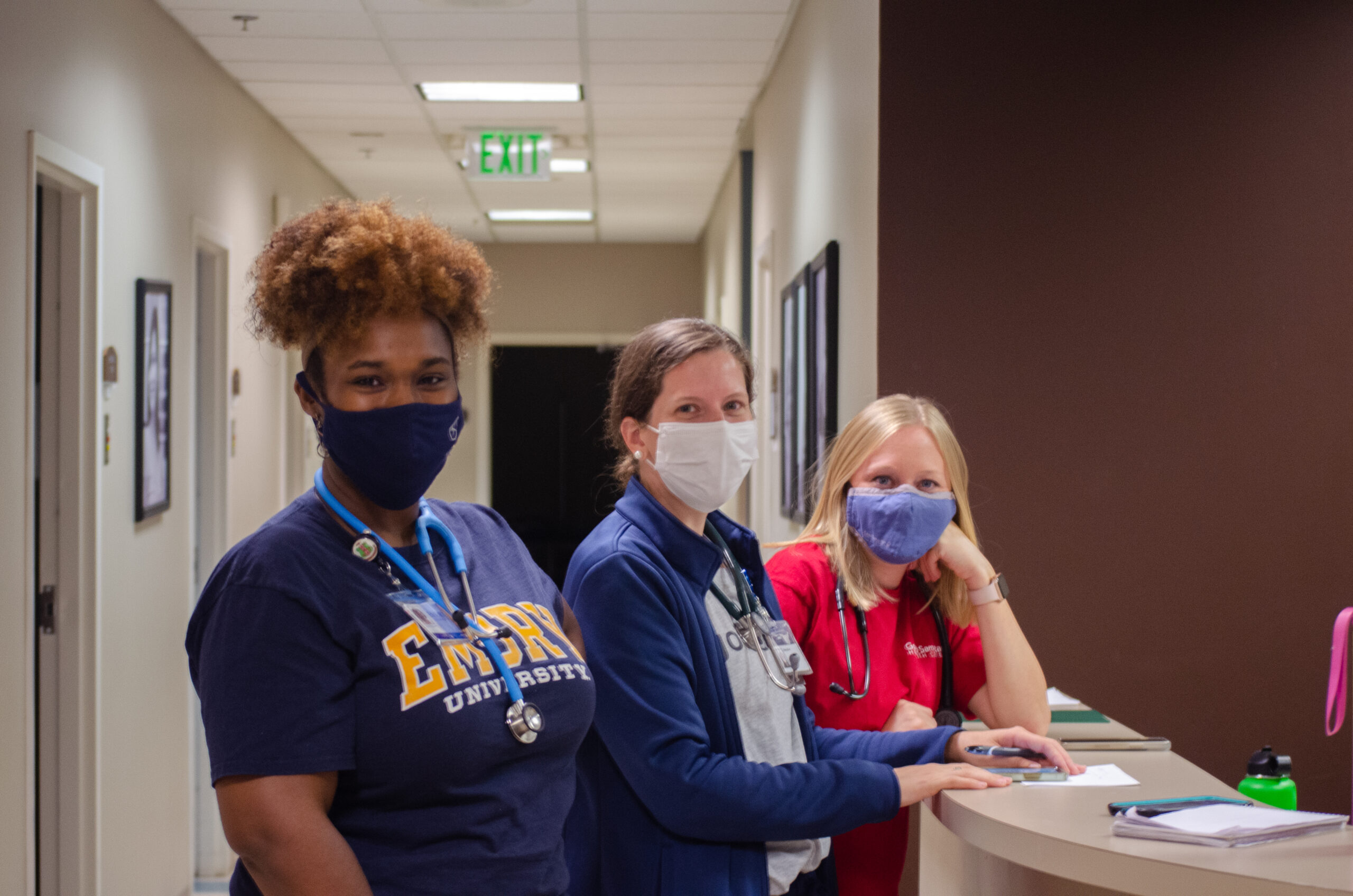 personality just fine. I like the stability and steadiness of keeping things moving along, with excellence and good data.
So, when Direct Relief approached us in late spring 2021 and asked “what innovative ideas do you have for addressing the inequities that further health disparities?” and “what if we gave you the money to try?”, I was dumbfounded. Breanna wasn’t though. This chance to dream and problem solve suits her well. We make a good team.
Direct Relief is a staple in the humanitarian and free and charitable care communities both in the U.S. and abroad. Their more than 70-year history is rich with respectful emergency response, aiding refugees, and providing medical resources and supplies to organizations like Good Sam, free of charge. Therefore, it comes as no surprise that in the midst of the COVID-19 pandemic, Direct Relief not only devoted themselves to meeting immediate needs like testing, PPE and oxygen supplies, emergency funding, and vaccine access, but also creating opportunities for service organizations to respond to the social determinants of health for populations who would once again be disproportionately affected by the pandemic for years to come. The Fund for Health Equity was established at Direct Relief with the help of the AbbVie Foundation and philanthropist MacKenzie Scott. This fund supports community health centers and other community-based organizations as they address health disparities through programs designed to diversify the health care workforce, overcome health outcome barriers, and support digital health as an access point.
We went all in with our application to the fund last year, addressing as many of their focus areas as possible in hopes they would like one of the programs we suggested. Imagine our surprise and gratitude when they decided to make it possible for us to pursue all of them! Beginning in August 2021, the Fund for Health Equity allowed us to expand access to case managers for our patients, expand our Market offerings and provide food vouchers for patients and neighbors to shop free of charge, and expand our coveted internship programs to marginalized individuals through intentional recruitment and by being able to offer generous stipends for the first time in our history.
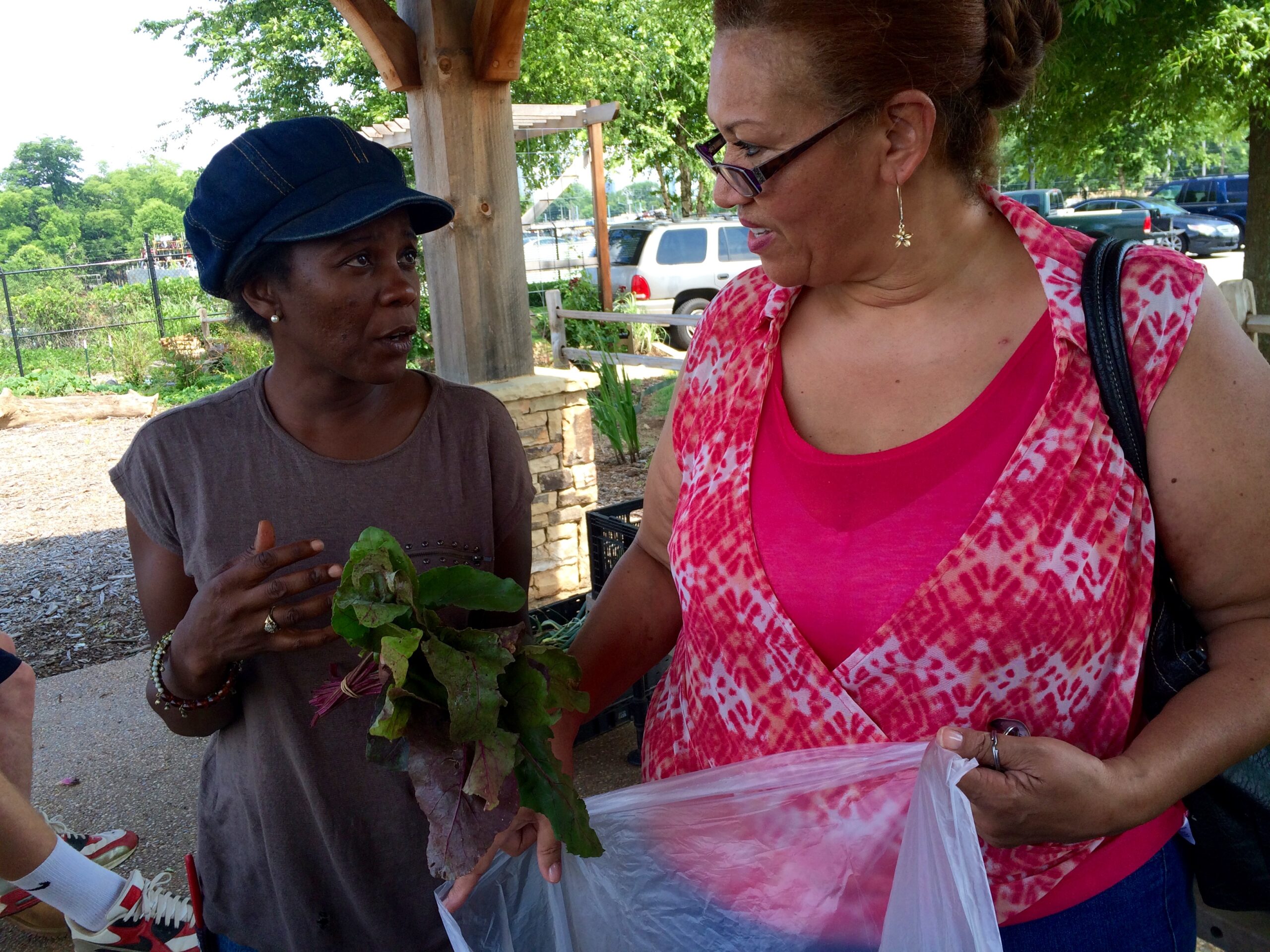
As our funding year with Direct Relief draws to a close, we are incredibly grateful for everything they made possible over the last 365 days. We dreamed big, with the hope we could do more to help, and we did! We’ve handed out nearly 6,000 vouchers for neighbors to shop at our Market. We’ve added peanut butter, brown rice, sunflower oil, and more to our already great selection of certified-naturally grown produce. Our Community Outreach Manager, Market Manager, and Wellness Director, all of whom you’ve heard from in previous blog posts, received salary support in their efforts to go into the community and provide knowledge about and access to the work that happens on our campus. Our case managers, Erika and Monica, were able to meet with hundreds of patients in need of additional services and connect them to community resources that will help stabilize their daily lives and give them a better chance at health. We got to spend time with interns, like Anusha, Ashanti, Justice, and Ayanna, who taught us as much, if not more, than we taught them.
This experience with Direct Relief has been educational and encouraging. And the next time someone asks to fund our dreams, I’ll be ready!
Heather Kersey
Chief Development Officer
Good Samaritan Health Center
There are approximately 1,400 free and charitable clinics scattered throughout the U.S. The number of Federally Qualified Health Centers also hovers right around 1,400. These clinics, along with their satellites and multiple service locations, create the nation’s health care safety net. The term safety net is used to describe health care for people without insurance, those with Medicaid, or those experiencing poverty. It conjures up an image of people falling through the gaps in a nation where access to health care is tied to insurance, income, and employment. While this is true, the safety net is also described as a last resort or a lower tier of health care. The longer I work at Good Sam and the more I connect with colleagues working in health centers like us across the U.S., the more I am convinced that these neighborhood health centers represent the very best of health care.
We deliver quality, evidence-based care, and are willing to do the case management, partnership-building, and fundraising it requires to do what is best for every single person. We also recognize that health care is only one part of building healthy lives. Whether it’s fresh produce, exercise classes, Uber rides to visits, the prayer line, free medication, or care packages for new moms, our goal is to surround our community with what they need to live a healthy life. Yet, what is most unique and powerful about the work we do is the way we know our patients beyond the numbers and symptoms listed in their charts. We know their stories and families. We know their favorite foods at The Market, their prayer requests, and what kind of toothbrush they use. We know where they work, where their grandchild is going to college, the addictions they left behind, the ones they are still fighting, their celebrations and their pain. Everyone at Good Samaritan works to create a space in which people are seen and loved.
At Good Samaritan, our mission is, “spreading Christ’s love through quality health care to those in need.” We start our morning with a time of devotion and prior to COVID, when hanging out indoors with large groups of people was safe, we would invite patients to join us in this time. One of my colleagues would remove her shoes and stand barefoot in the lobby each time she gave devotion. “This is holy ground,” she told me.
I am reminded of her words almost daily at the clinic. When a team member stays late to wait with a patient for her ride to come, it’s holy ground. When a dental assistant calls a patient’s daughter because she is worried he seems a bit more confused than usual, it’s holy ground. When a farmer invites a patient to sit under the pecan trees and rest, it’s holy ground. When a provider skips lunch because a patient is crying and isn’t ready to leave, it’s holy ground. I have never felt closer to God than when I am at the clinic, working alongside my colleagues as they do this work in beautiful ways each day.
In the words of one of our patients, “I love the staff. This is the best clinic I’ve ever been to. Not only the support, but I can consider them as my friends. You can just speak and have a little conversation, and feel like these people really care about me. Feeling that you matter to somebody, no matter what your circumstances or where you’re coming from.” Our patients matter to God and they matter to us.
This National Health Center Week is a good reminder to all of the holy work happening across our country. An encouragement that, though there is a lot of darkness in the world right now, 1,400 fellow Centers are committed to bringing light and hope and safety.
Breanna Lathrop Chief Operations Officer
Good Samaritan Health Center
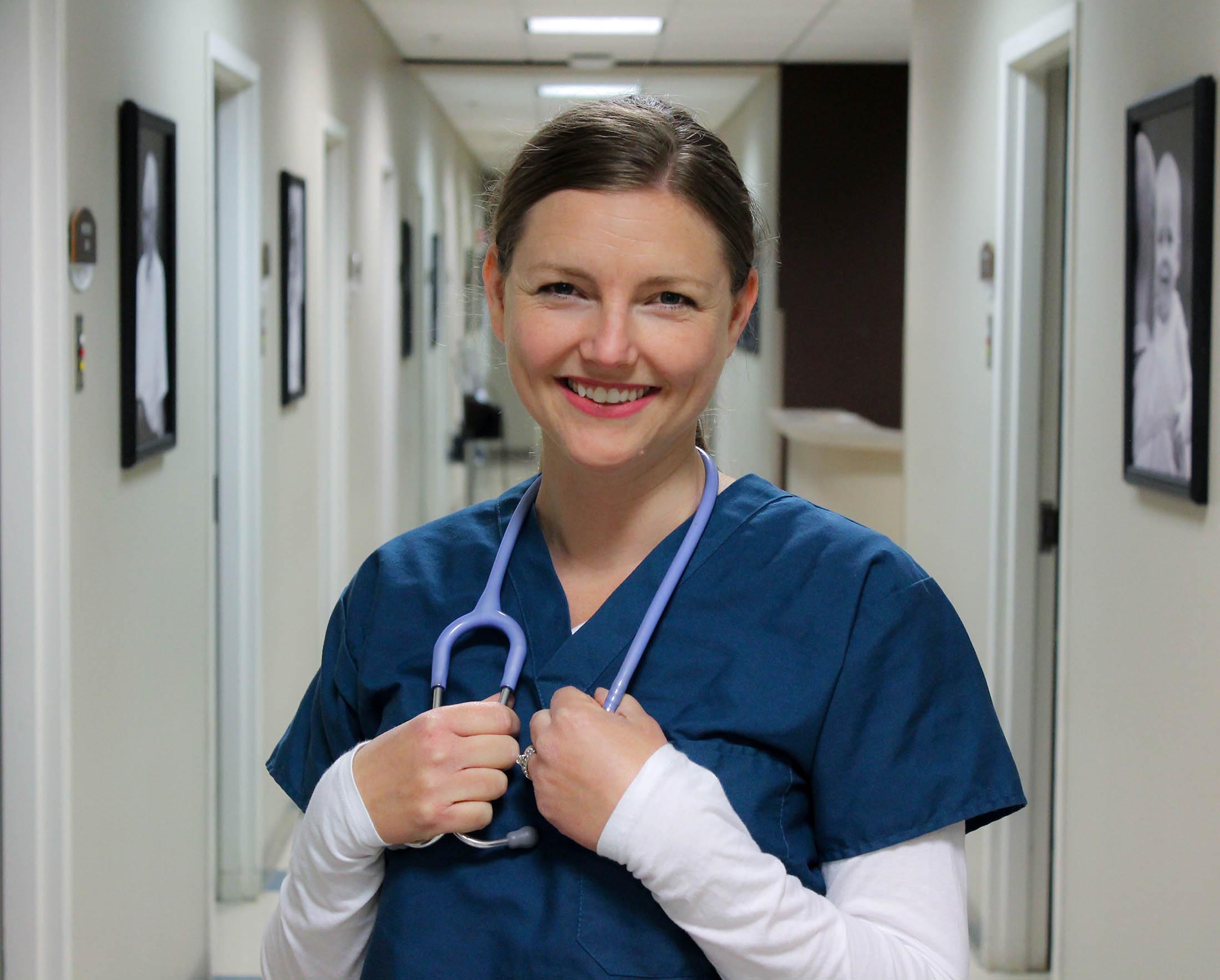
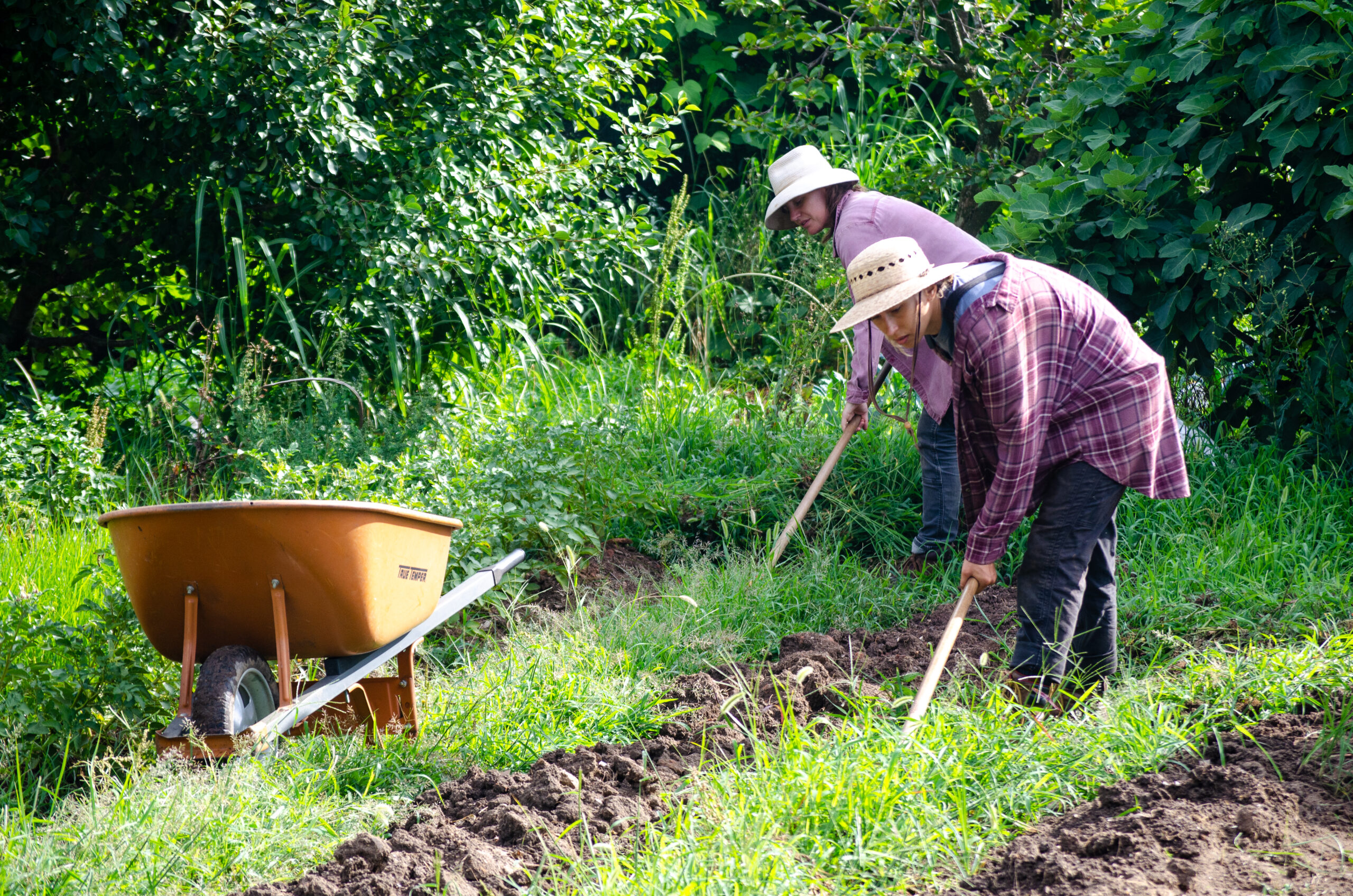 The start of the Second Quarter is always an exciting time on the farm. It’s time to harvest the first fruits of the year’s harvest as it’s the start of The Market season. The first morning of The Market feels inspiring and motivating, especially this year being able to operate out of the new pavilion space. We arrive at an early hour, get out all of the harvesting equipment that hasn’t been seen since the cold days of December, put on some music, and get to harvesting. Harvesting is a lot of work, but there is something gratifying about pulling 10 pounds of carrots out of the ground, washing all the dirt off, and revealing their vibrant orange roots and floppy lush greens.
The tricky thing about this time of year is the way it begins with ideal weather but abruptly turns cruel. In April, it’s cool enough to have low pest & weed pressure, most of the danger of frost is gone, and all your crops look like they were grown in Eden. However, that illusion is rudely disrupted by the time the heat of June rolls around. This June came with an unusual two weeks stretch of near 100-degree days, with no rain. Regardless of our 6:00 am start times and access to irrigation, the heat still took a toll on some of our crops and farm staff, causing wilt to both plant and person. Thankfully, most of our crops bounced back, as did all of our farm team.
As for the farm team, we have been fortunate to be joined by two seasonal farm hands this year. Hannah Burton will be with us through the fall and Katherine McWhirter will be with us during her summer break from college. This powerhouse team of women has started off the farm season strong, and we are incredibly thankful for these extra sets of capable hands.
The other ladies of the farm are our bees. There is a lot we know about them, but they still throw mysterious curveballs our way. One April morning, our center hive decided it was time to swarm, making a mass Exodus beyond the kudzu-lined walls of the farm. They were a strong and active hive, so their departure left us and our advisors scratching our heads. When May rolled around, one of our remaining hives mysteriously was without a queen. Attempts were made to give it a new one, but the ladies failed to follow through with a coronation and the hive succumbed to hive beetles. Cleaning the hive of the beetles, there were a few thousand bees left and in need of a home. Alexis successfully experimented with combining these stranded ladies into the neighboring hive. Since then, the hive has been thriving and making gobs of honey. We will give them more time to build their supply before trying to harvest and will return the other two hives at the beginning of next year.
This is an entertaining and busy time of the year. It is a revolving door of out with the old, in with the new. There’s a clear shift from spring into summer crops, creating a gratifying transition of change. The farm is fully staffed, the bees keep us on our toes, and the market is bustling with customers. The excitement of the farm really begins in April and tends to quiet to more a steady pace in mid to late fall. At which point we start looking to the slower days of winter when we begin to rest more and plan for the next year when it all starts back up again.
Nobie Muhl
Farm Manager
Good Samaritan Health Center
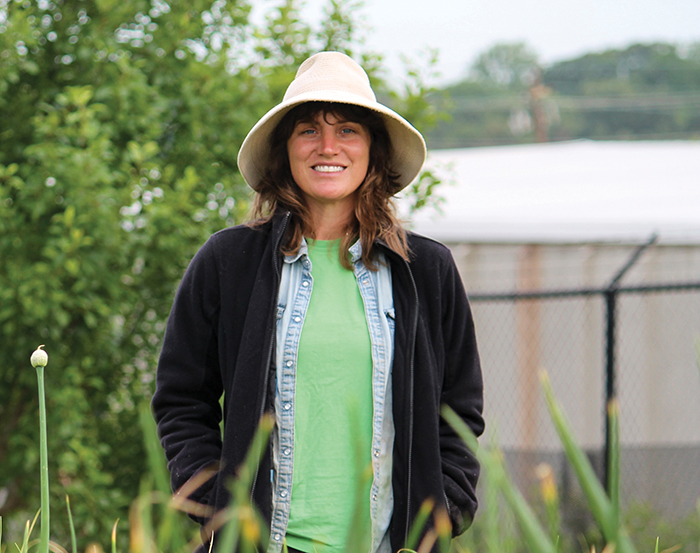
To help the Farm and Market grow, follow the link to donate to Good Sam Today!
When Good Samaritan Health Center moved to its current location on Donald Lee Hollowell Parkway, our goal was to not only address accessible healthcare within the community but also to address other social determinants that might affect one’s health, such as access to healthy food. Good Sam is located right in the middle of a federally identified food desert, meaning that our neighbors have to travel more than 1 mile to access a food store that sells healthy produce and nutritional products, so they rely primarily on Dollar General, convenience stores, or fast food in the area. As you can imagine, this creates more chronic diseases within the population, further perpetuating the circle of inequality for our priority zip codes 30318 & 30314.
In an effort to address this social determinant of health, our 1-acre of land behind Good Sam was purchased, and the Urban Farm was conceived in 2013. A year later, we launched the first CSA membership program and added the foodRx prescription program, which at the time, 10 of our patients were able to receive a weekly share. Since its inception, the Market has steadily seen an increase in encounters each year.
In 2017, as part of a capital campaign, Good Sam purchased the building that loosely stood next door, demolished it, and began building a wellness center that would host the YMCA of Metro Atlanta. In addition, we also began constructing a larger pavilion that would become a permanent farmer’s market space for the expanding farm and food access efforts. Construction started in 2017 and was finished in 2020. However, due to COVID-19, the spaces weren’t officially open until April 30th of this year.

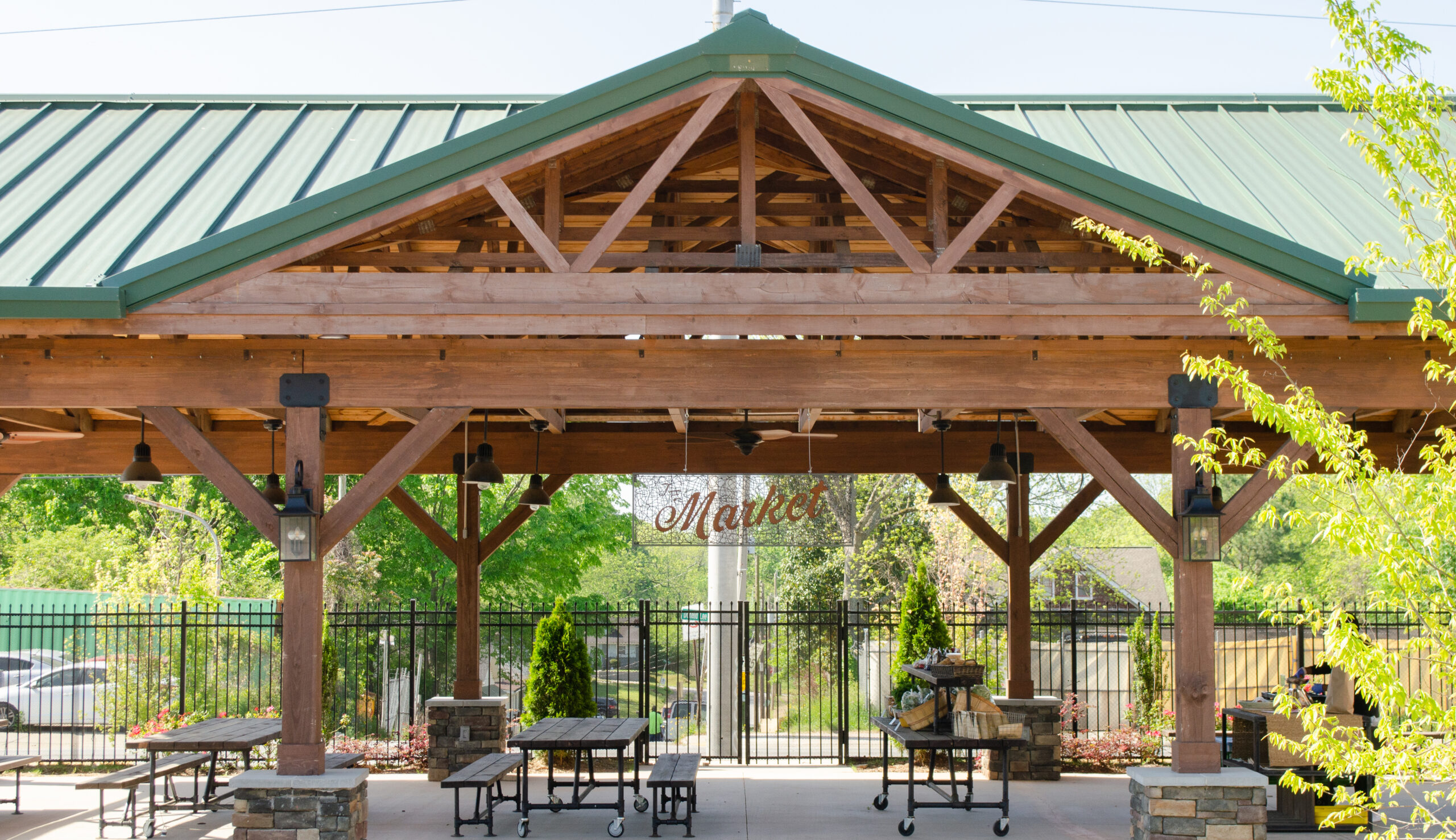
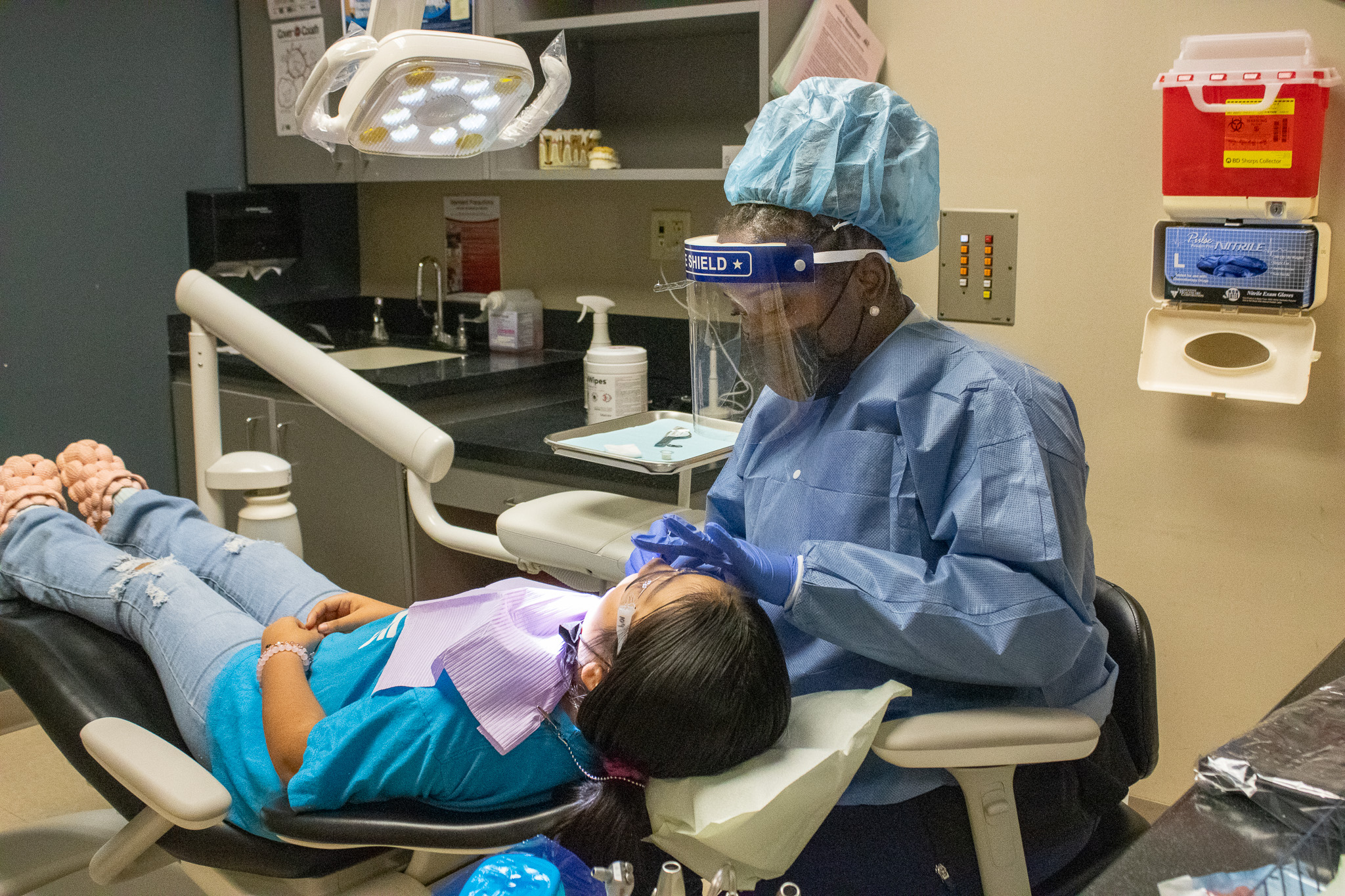
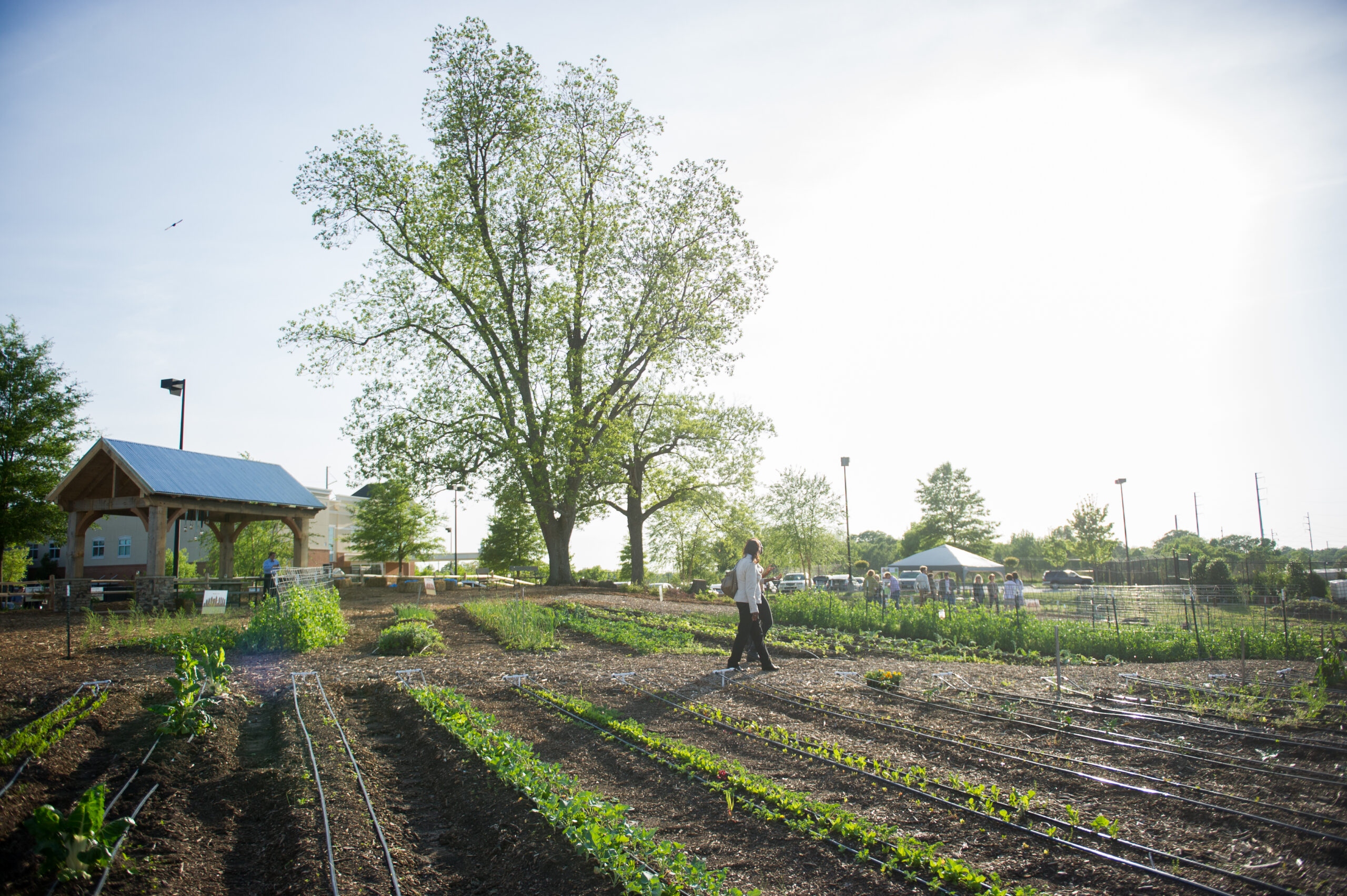
Since the Grand Opening of The Market Pavilion, we have not only received a lot of positive feedback about our new space, but we have also been able to partner with multiple farm vendors, expanding our selection of certified naturally grown produce. We now sell our own variety of produce as well as some pantry staple items from these farmers, such as peanut butter from Koinonia Farms, red and black beans, and brown rice from 1,000 Spring Mill. We are currently looking for more partners to work with and welcome any connections.

A loyal customer, Ms. Mattie Howard, told me she loves the new Market space for several reasons: our additional seated areas, new vendors, and new gates created at the Market. We now have an educational book area, where books range from DIY gardening techniques to the evolution of butterflies. I am excited that more children have taken an interest in our books.
The most important and rewarding addition to our Market this season has been the opening of our community gates, which has allowed us to interact with more of our neighbors and community residents, often allowing for ministry opportunities to pray over those who need it.
The opening of the gates has also led to an increase in new faces. With each day, we are seeing more and more from the community stop by and shop. Another tremendous help to the Market has been our increased engagement on social media platforms. Our Instagram page has brought us customers from different areas of metro Atlanta. We have received positive feedback, genuine curiosity, and an influx of questions ranging from farming to gardening. The vision for the Market is to connect with our community and provide them with nutritious food at an affordable price, and we are sticking to that. I am excited for the next phase of our growth.
Audrey Clark
Community Outreach and Market Manager
Good Samaritan Health Center

To help the Farm and Market grow, follow the link to donate to Good Sam Today!
Trigger and Content Warning: this post contains references to pregnancy and child loss.
Good Samaritan Health Center's Prenatal Program is one of the most important parts of the clinic's ministries and has served thousands of patients since its inception in 2000. I have been honored to work with many strong mamas as a nurse practitioner in this program. In days filled with chronic disease, sick visits, and pain, it's lovely to work with moms who are generally healthy, happy, and excited. The commitment and drive that moms have to do everything they can to help their baby never fails to amaze and motivate me. No matter the circumstance, whether the mom has been trying to get pregnant for years or if the pregnancy is a less-than-welcomed surprise, the mothers I've worked with express joy at the prospect of the new life growing in her belly. I love being a part of this journey!
Kelly Hudson, a nurse practitioner, and midwife, started the prenatal program in response to needs that Dr. Warren saw in the moms of his pediatric patients. Kelly still works at Good Sam today and has passed on her vast knowledge in this area and of this program to me! The program has grown and evolved over the years, but the general structure is: patients pay an affordable, one-time fee, which is waived for unhoused patients, and the mom will complete all of her prenatal care at Good Sam. Then from 36 weeks to birth, our wonderful collaborating physician, Dr. Lathan Overstreet, takes over care. Once the baby is born, mom and her new little joy return for two postpartum visits, which are included in the original payment. Our program is for low-risk pregnancies only. Should a woman become high risk, Dr. Overstreet may help guide us in mom's continued care, take over care entirely, or refer the mom to another physician. Dr. Overstreet always makes himself available for any questions we have, no matter how basic or complex, and we are very blessed by his service!
Unfortunately, we don't offer ultrasounds on-site because that would require a specialist to read them. Patients are currently paying out of pocket for ultrasounds that can run anywhere from $150 to $450. We are looking for other more affordable options or an ultrasound partner that will honor our fee scale; please join us in prayer over this need!
 The majority of my experiences in the Good Sam Prenatal Program have been a delight. However, one of my worst fears became a reality for one of our prenatal patients. At 38 weeks gestation, her baby died in utero. A healthy, problem-free pregnancy, which was already at term and completely viable, ended. This mom had to endure labor only to say goodbye. I still cry when I think about it, but this terrible experience also highlights why Good Sam's prenatal program is so vital to the community. This baby was completely healthy, and there was nothing that the mom or any medical provider could have done to prevent the loss. The umbilical cord wrapped around the fetus's neck, and she passed. An awful experience that could have been worse without a supportive care environment. Imagine losing a term pregnancy with no medical support to make you understand that there was nothing you or anyone else could have done to prevent this loss. Imagine not being connected to counseling and a grief support group and going through this all alone. I was with this patient from her first trimester all the way through the birth of her next child, a healthy baby boy. When mom lost her first baby, I was grateful to be in a place where I could pray with her, talk with her, connect her to mental health resources, and follow up on her. I never want any mom to have to go through this awful experience ever again, but when pregnancy does develop problems, I am grateful to be there for that mother and connect her to the resources Good Sam affords.
I've seen moms do amazing things once they've learned that their baby needs something. For instance, giving up ice cream and all sweets once they learn they have gestational diabetes – if you've been pregnant, you know what a feat this is! I've seen a mom who was living in a tent with her partner reconnect with her estranged mother to provide care for her new baby. There was one mother who couldn't seem to gain weight. Eventually, she told me that she simply doesn't have enough to eat and that any food the family gets goes to her children. This mother, who didn't speak English, had suddenly become a solo parent when her partner was deported. She had no idea how she would support her growing family. When the Good Sam Farm team was notified, they had a bag of fresh produce and other donations every time this patient came to visit, whether or not she had an appointment. When this same mother couldn't produce enough milk to breastfeed, we were able to start the medication to increase her supply, and the baby thrived. I've heard many stories from my midwife friends of new moms showing up at the hospital in the middle of labor, having had no prenatal care. The problems that could have been prevented are numerous, such as poor prenatal nutrition, rapid drops in the baby's blood glucose due to untreated, gestational diabetes, birth defects from simply not using a prenatal vitamin, or unsafe domestic/living situations because a patient doesn't know her resources. It hurts to know that so many pregnant women forego prenatal care because of price, fear of documentation status, fear of judgment, or simply not being able to make prenatal visits. Good Sam tries to remove these barriers and welcome expectant mothers in need with open arms. There's even a free uber health service to get mom to her appointments if she doesn't have access to transportation.
It has been a tremendous gift to be part of Good Sam's prenatal program, where uninsured, under-insured, and underserved women can access prenatal care. Everyone on the team does their best to create the healthiest pregnancies, mothers, babies, and postpartum periods as possible. It's not a perfect program; we need increased financial support, ultrasound access, and a social worker to better address the complex needs of our patients. There's always room to grow, and I pray that we can continue to do just that.
Catherine Stump FNP-BC
Family Nurse Practitioner
Good Samaritan Health Center
To help our program grow, follow the link to donate to Good Sam's prenatal program today!

An at-home garden has many benefits: plenty of fresh fruits and vegetables, health benefits, not to mention instant access to fresh produce. It's always exciting to see a fruit or vegetable you grew yourself end up on your kitchen table. Growing your food gives you a unique perspective of nature that you wouldn't have otherwise.
If you are nervous about being a first-time grower, remember that every farmer or grower has to start somewhere! If you are a seasoned grower, there is no time like the present to try something new! Whether you have a yard, balcony, or a small green space, there is always something you can grow. Not sure where to start? Check out these recommendations from our farmers here at Good Sam!
Growing Space
- Look for the sun. Most plants prefer 6-8 hours of light. However, if this isn't realistic for your plants, we suggest growing vegetables that need more shade, such as greens.
- Build a raised bed. Use clean soil, landscape fabric, and strong wood like cedar, or cinder blocks, to create your border. Avoid pressure-treated lumber to eliminate concerns of contamination. If you're planting directly into your yard rather than a raised bed, we suggest conducting a soil test which you can do yourself with the help of information from the UGA extension agency.
- Try a container garden. Many of your favorite veggies can grow happily in pots given the right size and support. Terracotta pots or anything that's well-draining is the way to go. Avoid the plastic pots that come from a garden center. They tend to drain quickly, causing your soil to dry out.
What to Grow
Summer is a great time to start a garden! Get familiar with crops that grow well this time of year and in your area. Determine which agricultural zone you are located in to determine which plants to grow. If you're in the Atlanta area, you will be either 8a or 7b. Crops like tomatoes, peppers, and eggplant are great options to begin with and will grow well in either container or the ground. There's also a fantastic app called "Seed to Spoon" which shows growing guides, what to plant during what time of the year, the health benefits of eating those crops, and even what kinds of pests to look out for in your plants and how to treat it.
How to Grow:
- Get planting! If you are starting plants from seed, pay close attention to the directions on the seed packet. If you are planting transplants bought from a garden center or local grower, look up each plant's spacing and planting directions.
- Cover the soil. Using a mulch such as leaves or wood chips will help keep your plants cool in the heat because it allows water to stay retained in the soil.
- Keep your watering consistent and avoid overwatering, which can create root rot. However, in the summer, you will have to water your garden more to account for the heat. A simple tip for determining the watering needs for in-ground plants is to put your finger into the soil about to your knuckle. If it's dry, it's time for some watering. It's better to underwater than overwater your plants. You can always add more. Water in the morning or the evening to help the plants retain the most water. For more tips and tricks check out Gardening Know How for helpful articles.
If you keep up with these key gardening elements, you will soon be enjoying your first harvest! You are also welcome to stop by The Farm at Good Sam and chat with us about what we do to keep our crops happy and healthy this time of year.
Nobie Muhl and Alexis Haggerty
Farm Manager and Assistant Farm Manager
Good Samaritan Health Center
Looking to contribute to our farm? Please contact Bianca Long at bianca.long@goodsamatlanta.org for volunteer opportunities or make a donation here.
 While the summer can be a time of recharge, reconnection, and relaxation for some, for others, the summer months can be quite the opposite. Longer days, increased humidity and heat, as well as body image issues, can all trigger poor health and feelings of anxiety and depression, even when the expectation is to be carefree. Although summer can bring about new experiences, it is important to use this time to take care of both your physical and mental health.
Looking to avoid that summertime funk? Check out these 9 tips below!
- Stay physically active. There’s nothing wrong with occasionally binge-watching your favorite television series, but it’s also imperative that you participate in physical activity as well. Whether it’s going to the gym or taking a walk outside, be sure to get 20-30 minutes a day of exercise.
- Drink plenty of water. Water significantly affects energy levels and how your brain functions.
- Write down everything that has you feeling stressed or uneasy. You’d be surprised that writing down your worries is not only therapeutic, but it gives you a chance to visualize and set goals accordingly.
- Make a summer music playlist. Not only does music have the power to both calm and excite you, but it has also been proven effective for stress management and relaxation. There’s nothing better than driving with the windows down and listening to your favorite song!
- Try something new. There’s no time like the present! Now is the perfect time to get out of your comfort zone and learn a new skill or pick up a new hobby.
- Reconnect with others. Whether it’s catching up with an old friend over lunch or spending the day at the park, spend time with the ones you love.
- Maintain a healthy sleep schedule. While it seems easier to go into hibernation mode during the winter months, sleep is just as important during the summertime. Be sure you are getting your proper rest and avoid staying up late. It is recommended that we get 8-10 hours of uninterrupted sleep.
- Take time for prayer, reflection, or meditation. You’d be surprised at how powerful spending 10 minutes in reflection is!
- Make time for the things you love to do. Whether it’s painting, cooking, riding a bike, or even volunteering be sure to incorporate a least one activity that makes you smile.
Looking to get involved in the community? You can give or volunteer at Good Sam! Contact Bianca Long at bianca.long@goodsamatlanta.org for more information.
As I began my senior year of college, I remember feeling lost and overwhelmed as I needed direction on how to pursue a career in medicine amid a global pandemic. I heard through the grapevine that a friend of mine had been accepted into a Physician Assistant program, so I decided to give her a call hoping she could offer me some much-needed advice. She told me about an internship she had at a clinic down the road from our school. This was the first time I heard the name “Good Sam.” At the time, I only considered it something to look into, but I now recognize it as one of my greatest gifts from God.
COVID-19 allowed me to serve my local community in a way I could have never imagined. I first joined Good Sam’s Helpline SOS team to help others defend themselves and their families from the virus, but after witnessing the dedicated compassion of the team, I deeply desired to do more for Good Sam. I was then given the opportunity to get involved in their medical internship program, where I began to foster relationships with the staff. Specifically, Good Sam’s Medical Service Coordinator, Treanda "Tre" Smith. She has played a crucial role in not only my medical training, but she has become one of my dearest friends. She embodies the mission of Good Sam: spreading Christ’s love through quality healthcare to those in need. She loves every patient that steps through our door with her infectious personality. Tre, along with all my other coworkers, have shown me what high-quality, holistic medical care looks like. Now working there full-time as a medical assistant, I have engaged with families from all walks of life, including a portion of Atlanta’s homeless population, who have forever changed my outlook on healthcare.
Graham Bryant (left) and Treanda Smith (right)
In my nearly one year of employment at the Center, I have learned so much about the hardships many of our patients face in acquiring their human right to quality healthcare. For example, the challenges of a language barrier hit me like a freight train. Before working at Good Sam, I had never realized the hindrance it can cause for individuals seeking specialist care. To combat this at Good Sam, we personally communicate with the specialty care clinics to schedule our patients’ appointments and confirm a translator will be available for them. Another obstacle for our patients is navigating financial assistance programs. My coworkers and I break down the complicated applications with our patients to ensure they have what they need to provide as documentation. Finally, I am beyond grateful for our case managers, Monica and Erika, who work tirelessly to assist patients with specific needs such as stable housing or applying for government assistance. Compassionate acts of this caliber are why I love working at Good Sam. We are a family that is dedicated to serving our patients to the best of our ability, and we all bring unique gifts to the table to provide them with the medical care they deserve.
My journey thus far has allowed me to cultivate relationships with people that are passionate about making a change in their community. I have the privilege of working among some of the most fearless leaders at Good Sam, who have instilled in me the desire to fight for the underserved. My experience at Good Sam has provided me with a solid foundation for my education in the medical field and has shed light on communities suffering from a lack of healthcare. Good Sam continues to prepare me to serve marginalized groups in an effort to bridge the health disparity gap, and I promise to dedicate my future career to providing quality healthcare to those that need it most.
Graham Bryant
Medical Assistant
Good Samaritan Health Center

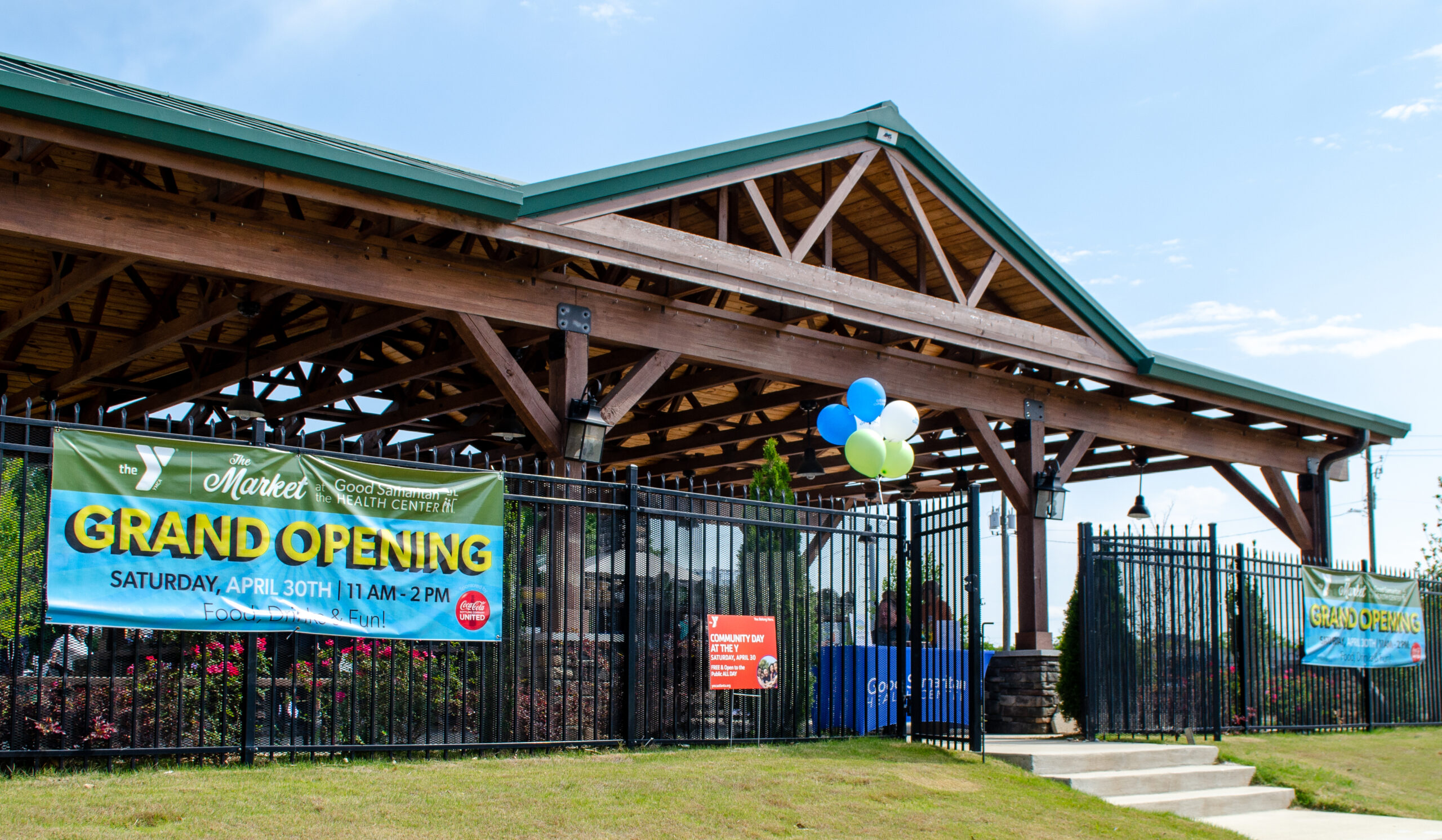 An event nearly two years in the making, the Grand Opening of the Market Pavilion and Wellness Center was one for the books! This past Saturday, we officially opened these two new spaces with one goal in mind: to better serve our patient population and to remind our community that we are not only there for them in service but there for them in friendship. The day’s festivities included a ribbon-cutting ceremony, COVID vaccinations, memory screens, interactive experiences, food, and fun!
As the day began, community members were greeted by our staff and volunteer with a smile and information on all things Good Sam. Upon arrival, participants were able to venture outside of the Center, where they received general information about our Guest Services, dental hygiene, as well as information on COVID-19 vaccines and memory screens.
Our newly expanded market was also a huge staple of the day as community members were able to shop for Certified Naturally Grown produce from our 1-acre urban farm.
“In the Good Samaritan Health Center’s endeavor to address the social determinants of health, we created The Full Circle of Health model. A key component of The Circle is healthy nutrition which is where our Market comes in. Local growers will be able to set up their fresh produce daily for sale to our neighbors. In so doing, our neighbors will have a large variety of accessible, inexpensive food. Think of food going directly from your own backyard, right to your table for consumption. It can’t be any fresher!” says Dr. Bill Warren, Founder, CEO & Pediatrician.
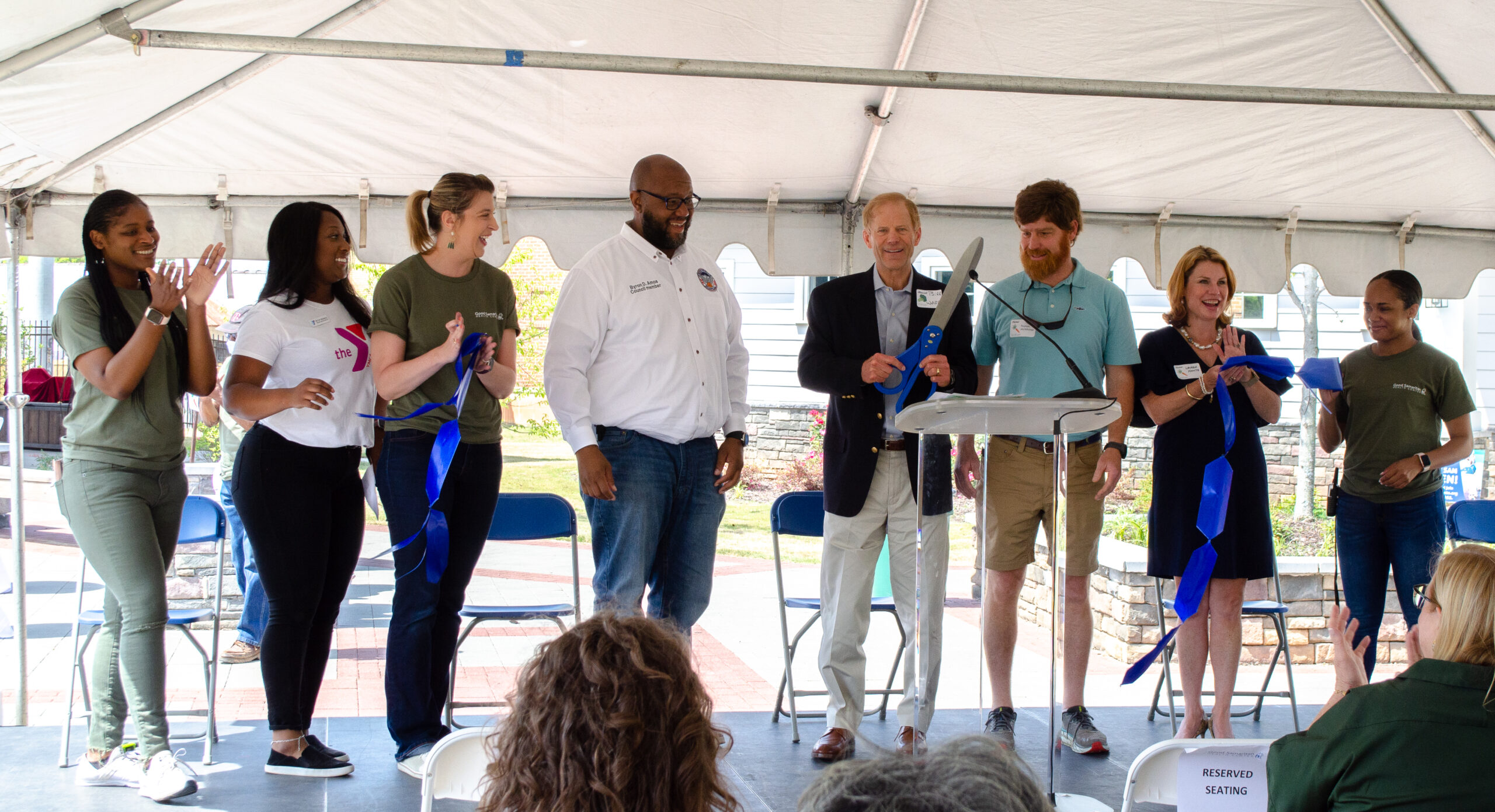
(left to right): Audrey Clark – Good Samaritan Market Manager, Brittney Greenwood - YMCA Regional wellness Director, Heather Kersey – Good Samaritan Chief Development Officer, Councilman Byron Amos, Dr. Bill Warren - Founder of Good Samaritan & Pediatrician, Peyton McWhirter - Good Samaritan Board Chair, Lauren Koontz - President & CEO of YMCA Metro Atlanta, Bianca Long - Good Samaritan Development Coordinator
During the ribbon-cutting ceremony, Dr. Bill reminded us that both spaces represent a commitment to health, and it is a part of our mission to use these spaces to provide quality healthcare to those in need. He also went on to thank donors, volunteers, and participants and expressed that the new spaces would not have been possible without community support. The ceremony also included remarks from Lauren Koontz, the President & CEO, YMCA of Metro Atlanta, and Brittney Greenwood, Regional Wellness Director, YMCA, and Audrey Clark, Good Sam’s Market Manager, all expressing their gratitude and excitement for what’s to come in these new spaces.
After the ribbon-cutting ceremony, the interactive tours began with our staff and volunteers leading the way to share Good Sam’s origin, amenities, and services. Not only was it a chance to learn a little history about Good Sam, but it was a chance to see first-hand how the Market Pavilion, Y at Good Sam, The Farm, and The Center all operate.
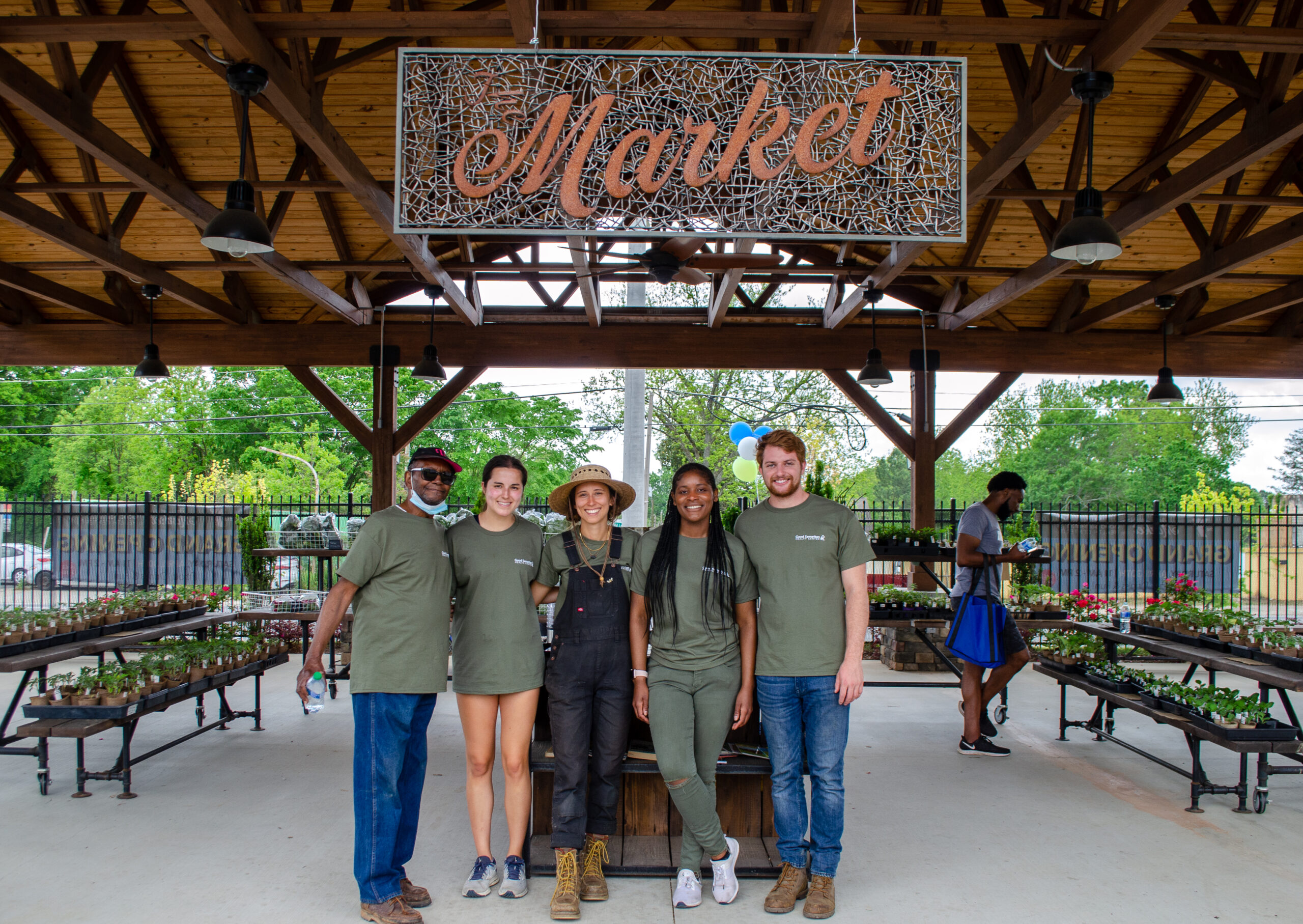
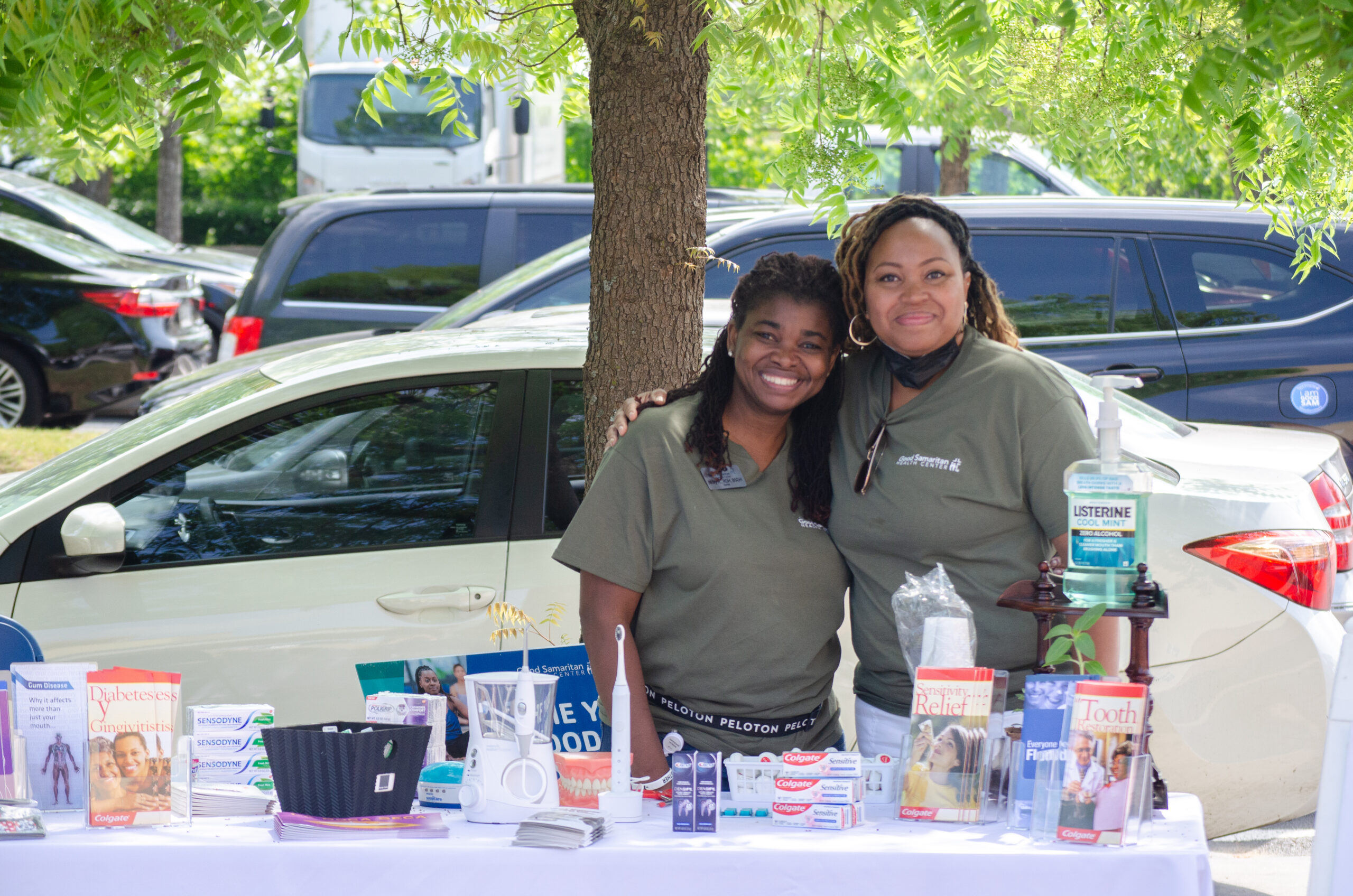
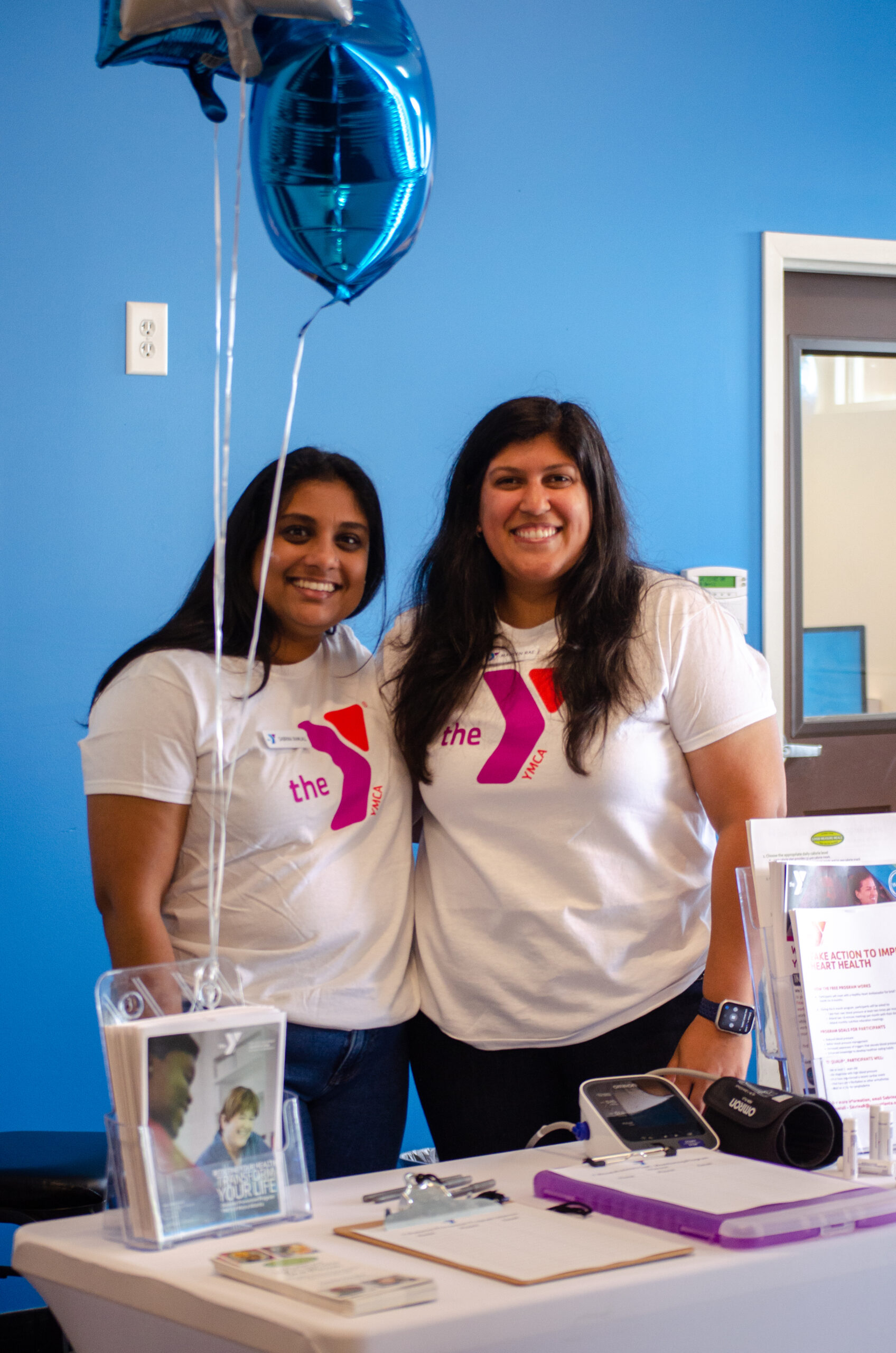
Overall, the Grand Opening was a huge success, and we want to extend a special thank you to all those who were a part of the special day, including donors, residents, community members, and volunteers. We cannot wait to see how these two new spaces are put to use to help better serve our community.
Be sure to check our social media for the next big event. See you soon!
2021 was a traumatic year for my family when both my grandparents suddenly became ill. Fortunately, my grandmother has been a patient of the Good Samaritan Health Center since 2016, so in February when my aunt called me with the concern that my grandmother’s feet had swollen up tremendously, I scheduled her the first appointment I could find. Checking her in, she looked well; she looked like my sweet loving grandma, so I was not very worried about her visit with the provider. I had just transitioned to the Guest Services team and continued to work my second Saturday as a Guest Services Associate, trying not to dwell on my Grandmother’s visit.
At the end of the workday, I went to my car and waited for my grandma to finish her appointment. I called my aunt, who brought her to her appointment, and she answered the phone crying. She said my grandma was not well. I ran back inside Good Sam where Breanna and her medical assistant were reopening the doors that I had just closed for the day. Breanna knew I was new to the guest services team so she said “Hi Jimmy, we are done for the day, you are free to go home. We are just opening the doors for a patient that needs to go to the hospital.” I responded back, “I believe that is for my grandma.”
I ran back to my grandma’s room where her medical provider, Kelly, was about to close the door when I said, “That’s my grandmother in there”. Kelly’s face quickly changed learning that her patient was my grandma. I saw my Abuela, and she looked nervous and scared, and my aunt was trying her best to hold back her tears. Kelly informed us that my grandma was at high risk for a stroke and needed to go to the hospital. My grandma was terrified of going to the hospital. She believed she would not come out alive because she had heard stories of different friends and family members tragically passing away at the hospital. Kelly prayed over and with my grandma. She prayed that my grandma would seek emergency care, and not head home instead. Kelly’s life-saving prayer and attention convinced my grandma to seek emergency treatment where she received a pacemaker and is feeling much better thanks to the level of attention and care she was provided at Good Sam.
A few months passed by, and the Delta variant was spreading like a deadly wildfire. My grandpa got sick with the variant and unfortunately passed away from COVID in August of 2021 in Mexico. I wish he could have traveled during the pandemic to Atlanta because I am confident that Good Sam would have had him in good health to face the pandemic, and treat him once he contracted COVID.
This was a big blow to my entire family and although I wish he could have been cared for by Good Sam. I understand now that my grandpa worked his entire life, and God wanted him, in His holy glory, to rest eternally. I know one thing for sure is that my Abuela would not be here if it was not for the Good Samaritan Health Center and our Christ-loving employees who helped her in time.
Patients come to my window all day, and my daily mission is to give back that same compassion and love my Abuela was given. Whenever I face patients who want to be treated, tested, and protected from COVID, I pray and help as if they were my own family. Whenever a patient is requesting an appointment, I seek to give them the first available one, just as my Abuela was given. Whenever I am at Good Sam I look to love patients with all my heart, all my being, all my strength, and all my mind, as if it were myself. I am proud to work for the Good Samaritan Health Center because I see our care transform lives every day.

Jimmy Padilla
Guest Services Associate
Good Samaritan Health Center

My journey to Good Sam begins almost exactly 10 years ago in Columbus, Georgia. I was working as a high school science teacher and feeling a deep calling toward the medical field and serving my neighbors through healthcare access. At the time, it made the most sense to pursue medical school. I had completed the admission prerequisites and my basic science knowledge was fresh from my years of teaching. As I let the school system know I would not be renewing my contract and explained the desires of my heart to disappointed administrators, parents, and students, a thoughtful family shared with me that there just happened to be a new ministry opening in downtown Columbus with a mission of “proclaiming Jesus Christ as Lord and demonstrating His love through quality, affordable healthcare for those in need.” Perhaps I could volunteer with them and gain firsthand healthcare experience while I went through the year long medical school application process…
Two weeks later, I began volunteering full-time at MercyMed of Columbus. And in that one decision, the trajectory of my life changed forever.
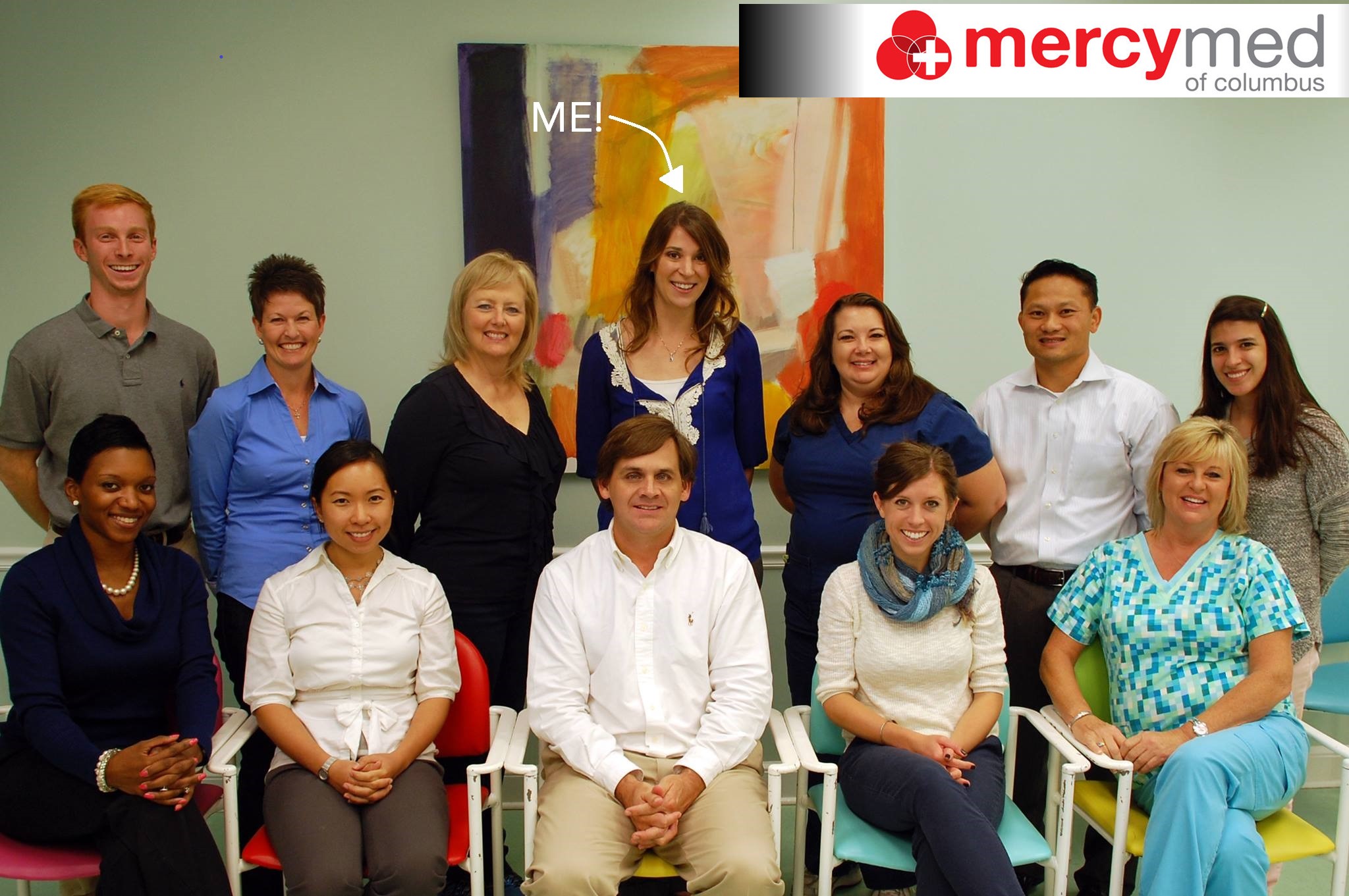 I loved everything about working in the clinic. Because we were a skeleton staff addressing a massive need in our city, I was able to serve in every capacity within the organization. I worked the front desk. I scheduled appointments. I scanned in lab results to our EMR. I badgered specialists in the area to see our patient referrals. I applied for prescription assistance to get our patients yearly supplies of the expensive medications they needed. I drained wounds and injected knees. I fell in love with the people we were serving and learned more every day about the social determinants of health that made ministries like this necessary.
Fast forward a few months and I really needed to earn some income! The clinic only had three paid staff at that time and I knew there was not a paying role for me there, but I was committed to continuing to volunteer anyway. I was looking for a part-time job when the founder of MercyMed, Dr. Grant Scarborough, said they really wanted to find something within the clinic that I could do, but the only salary line they could justify at that time was for a development person. “Sure!” I said, “Also, what is a development person?” Dr. Scarborough explained all the ins and outs of how nonprofit organizations survive on various streams of philanthropy and that the role of development is to spread the word, far and wide, of the good work happening within the organization so that donors, volunteers, businesses, churches, and government entities are impassioned to join us! Are you kidding me? I could get paid for doing that!? Dr. Scarborough began to set up meetings for me to meet and learn from leaders within local family foundations, corporate giving arms of area businesses, and local government representatives.
Then he said “And what you really need to do is go up to Atlanta and visit The Good Samaritan Health Center. Learn about everything they do and bring those skills back here.”
So I did. Good Sam had just moved into their new space on the Westside of Atlanta. The farm land had been cleared, the building smelled and looked brand new. I was in awe of everything I saw. I sat in on a diabetes education class. I met with the development team and received advice and copies of their collateral to take back to Columbus with me. Seeing what MercyMed could grow into with the right leadership, the right plan, and the right resources invigorated me even more for the work of development. I vowed right then and there that I would do everything in my power to make MercyMed the “Good Sam of Columbus”.
I settled into my role quickly. Looking back, I realize I also settled into my calling. Time marched on. I was waitlisted for medical school. And I was very at peace with that. I had found how I was meant to serve people in need through healthcare. Isn’t it just like God to take our dreams and bring them about in a way that we never would have imagined? My husband graduated from architecture school and we were moving “home” to Atlanta. I was heartbroken to leave MercyMed. Of course, Good Sam wasn’t hiring at the time. What was I going to do with this skillset and this calling?
I spent the next five years working in Advancement for Emory University. I gained skills and education in every area of development work, from marketing to event planning to major donor relationship building. I learned more about healthcare and public health, as I raised funds for the School of Medicine and the incredible research happening there. I became a mom. And every day I drove from my home on the Westside to Emory, down Donald Lee Hollowell Parkway, past Good Samaritan Health Center, and asked the Lord for another opportunity to do what I loved most.
And then in April 2021, I got a voicemail that would once again change my life and remind me that God is mysterious and good and always working. Dr. Bill Warren called me and said, “I can’t tell you how I know or what I know, but if you’re interested in making a change and joining us at Good Sam, I would really like to talk to you.”
 And here I am. Serving as the Chief Development Officer for the last year has been a literal dream come true. Leading our development efforts and guiding this team to even greater work in the community has been fulfilling in ways I never thought possible. I’m so grateful for the adventure the Lord led me on over the last decade that brought me here. I laughed to myself as I reviewed the marketing collateral for the Center in my early days here. The Full Circle of Health is a commitment Good Sam made to this community from its founding. There is an understanding that it’s all connected and important in the quality of life of our patients. My full circle story with Good Sam shows me the same thing. There were certainly times that I felt lost, like I had missed a turn or an opportunity. However, as I look back I see the intentionality in every season, the lessons I needed to learn to prepare me for this time.
Heather Kersey
Chief Development Officer
Good Samaritan Health Center
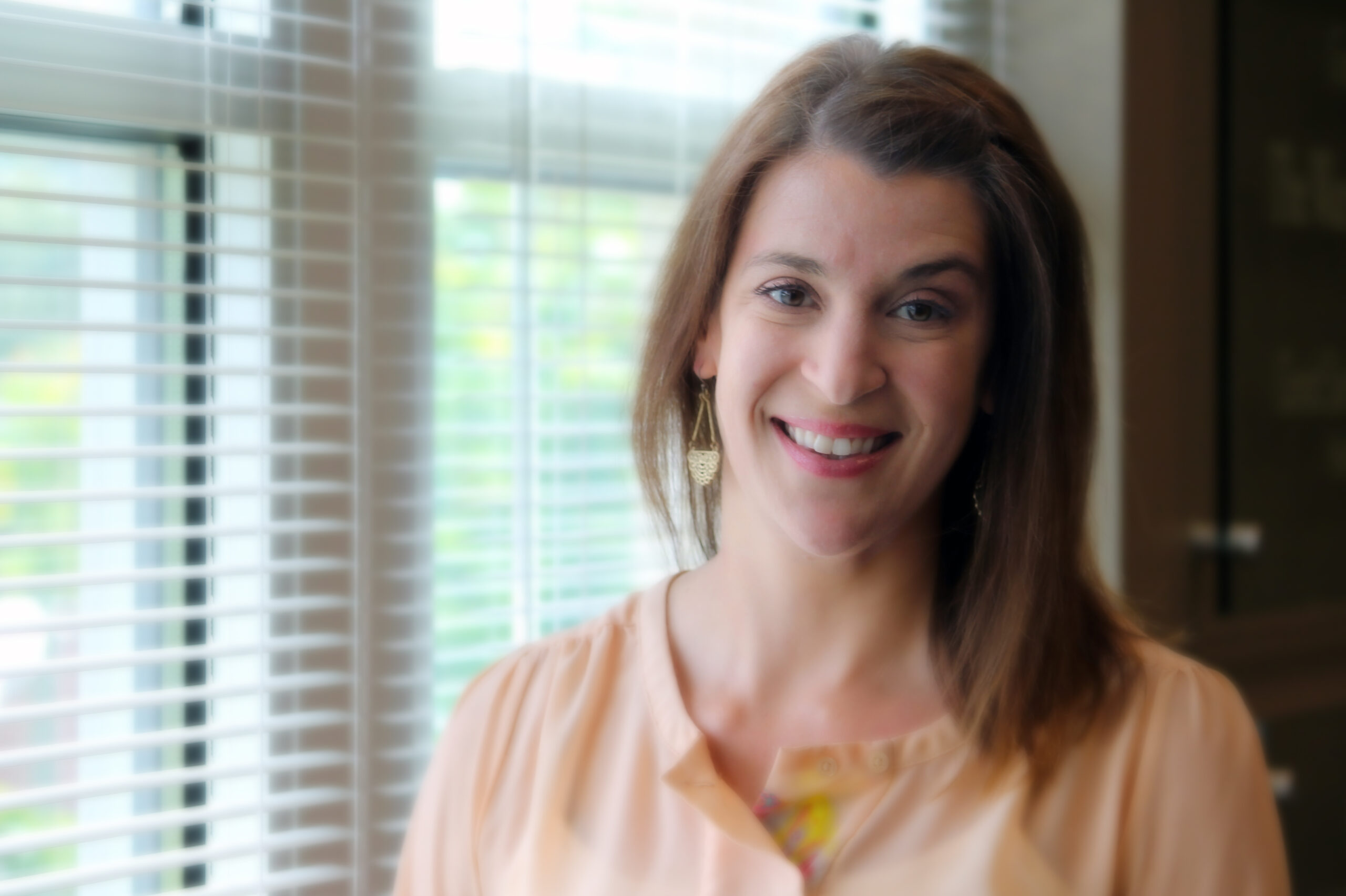
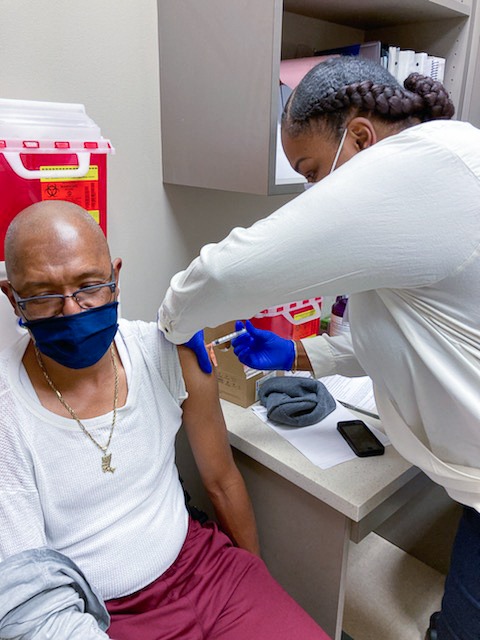 I remember when the fear and uncertainty of COVID-19 first struck in March 2020. I would come to work and go home with a sense of hopelessness and defeat because, at the time, I was uncertain what I could contribute to make things better for my family, community, and Good Sam. It bothered me because even though I was on the frontline, I felt that I should have been doing more to help fight this COVID battle. Honestly, I didn’t know what that looked like for me, so I prayed about it and asked God to show me, and waited for him to do so.
When news of the COVID-19 vaccine first came out, my initial thought was, “How did they develop this so fast?” I had so many questions, but like others, I was reluctant to ask. I was convinced that my family was not getting the vaccine. I can recall being in a setting where people would talk about it, and I would become quiet and timid. I didn’t want to deal with the judgment about not wanting to get the vaccine, and I didn’t want to be convinced to get it either. I remember getting an email from our COO, Breanna Lathrop, about Good Sam applying to become a Pandemic Vaccine Provider. Even throughout the application process and completing the required training, my mind was still made up. Of course, we were approved.
January 11, 2021:
The day Good Sam received our first shipment of
COVID-19 vaccines, 100 doses of Moderna.
I remember the rush of excitement I felt opening that box. I also recall feeling convicted because I was preparing to give patients a vaccination that I was not sure I believed in. I went home and prayed. The next day Breanna announced a staff training designed to help us educate and answer patient questions about the COVID-19 vaccine. After that session, I felt relieved. I felt a sense of clarity and was much more knowledgeable about the vaccine.
January 13, 2021:
Good Sam administers the first round of COVID-19 vaccines.
We vaccinated a total of 40 staff and volunteers. I remember going into my office for lunch and praying for God for direction and peace. That day, I received my 1st dose. I felt a sense of peace. The next day we vaccinated 20 additional staff members and volunteers. I knew that I had done the right thing. I couldn’t let my guard down all the way, but I could breathe a little easier. As I reflected over the months between March 2020 and January 2021, how much anxiety, fear, and uncertainty COVID had caused in my life, I realized that this was the one thing that I could do to protect my family. This drove my compassion toward myself and in educating other hesitant people about the vaccination.
Throughout the last 13 months, I have been able to share my story with many people from diverse backgrounds and educate them on the vaccine. I have been vulnerable with patients and community members and, in doing so, allowed them to feel that their own emotions are valid. Compared to when this pandemic first started, I now know exactly what my part is in this fight. Being a part of the COVID vaccination clinics during the week and pop-up clinics in the community over the last year has been an absolute honor and pleasure.

Ericka Stanley, MHA
Wellness Director
Good Samaritan Health Center
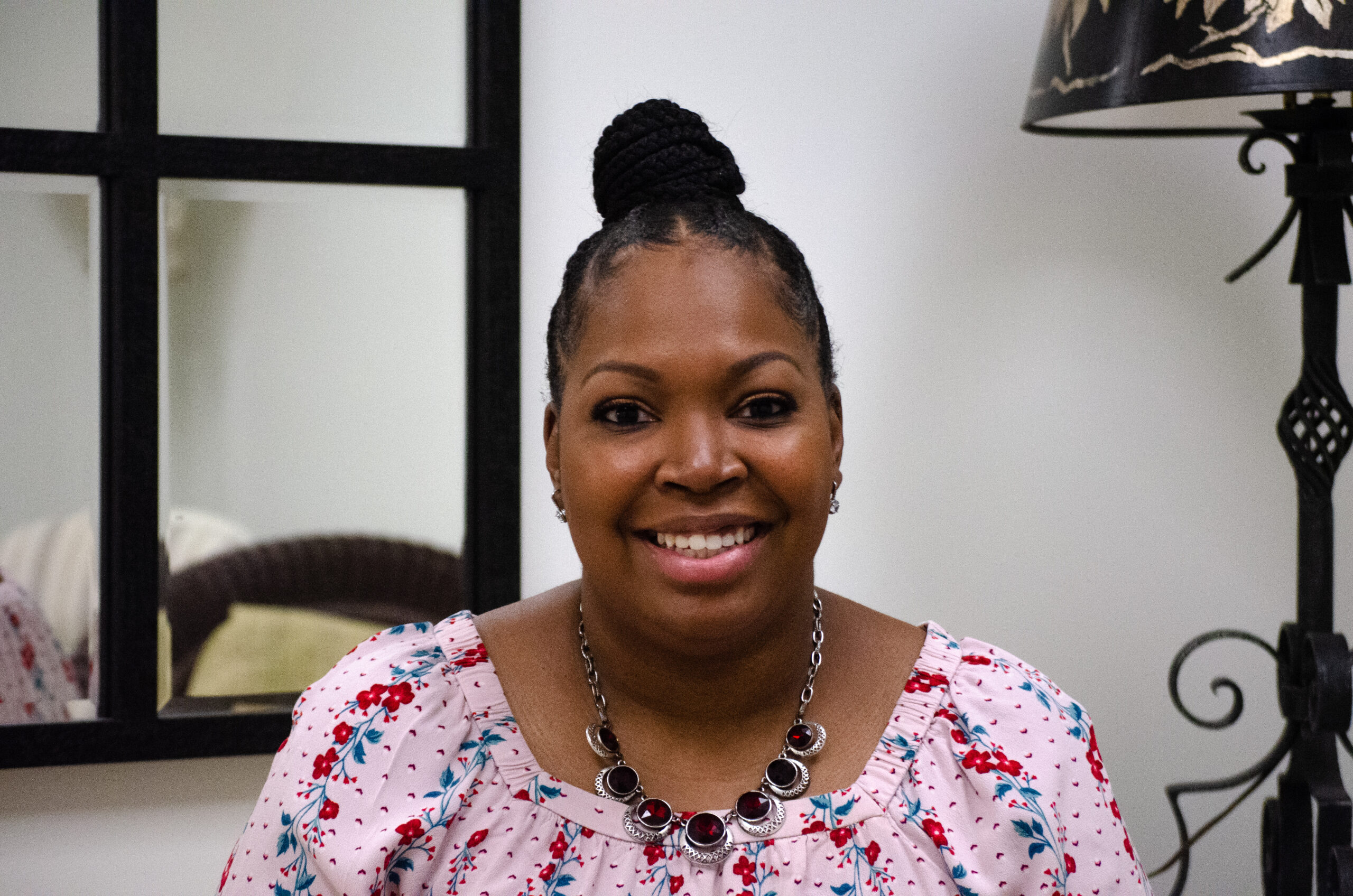
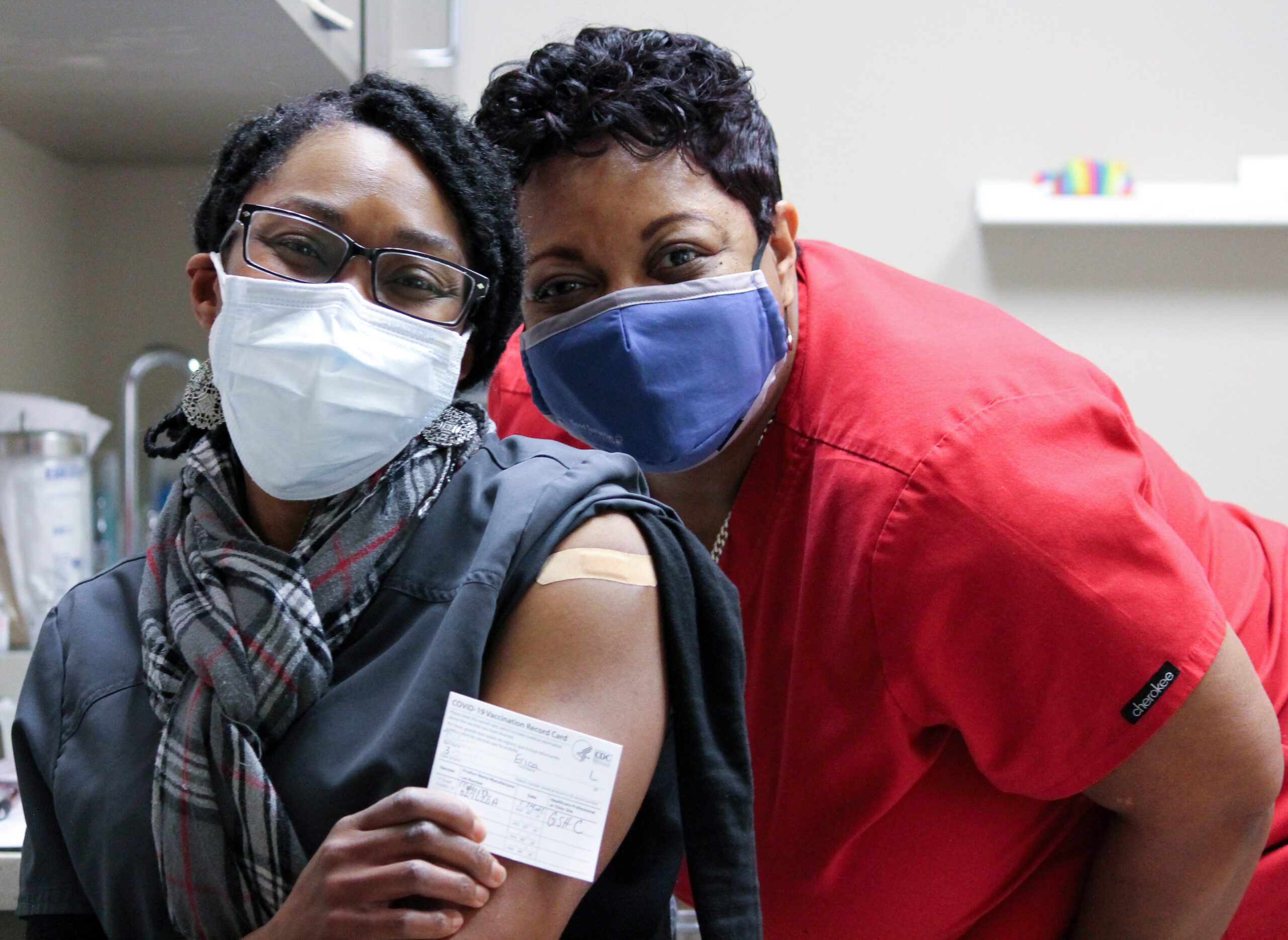 I saw a patient recently who has been coming to the clinic for the past four years. He is in his early twenties and has been in and out of shelters most of the time we have known him. He came in without an appointment, as he usually does, and sat in our lobby for the morning. He charged his phone and talked with team members as they went about their work. They greeted him by name, and someone found him a snack. The medical assistants showed him to an empty exam room where he could rest while he waited for me. When I got to his room after seeing a morning of scheduled patients, we talked for a bit about what he had been doing over the last few weeks and where he would be sleeping this week. After talking for a while, he told me he didn’t really need anything from me. He came because he missed us and really likes it here at the clinic. He told me he feels loved. He feels loved because he is seen and known by our team, who show him compassion each time he walks into the clinic.
2021 was another heavy year for our patients, who already disproportionately experience stress and trauma. They experienced deaths of loved ones, illness and hospitalizations, and the long-lasting impact of COVID-19. Our patients also dealt with greater financial insecurity, employment changes, housing changes, closing bus routes, and social isolation. Now, when patients come to the clinic, we aren’t just treating diabetes or an abscessed tooth, but the pain of this past year. Our staff has also experienced the stress of managing life and work in a pandemic. From exposures and quarantine to childcare and school changes to the loss and illness of family members, the clinic has become a place of both shared suffering and needed encouragement between staff and patients.
We often think of Good Sam's mission as showing compassion to our patients;
but throughout this second year of the pandemic,
we have also been on the receiving end of compassion.
I feel it when I botch a sentence in Spanish, and my patient gently offers a better way to express what I was hoping to convey. I experience compassion when I am behind on calling a patient with their lab results, but they answer the phone and immediately ask if we are all doing okay. I have lost count of the number of patients who have told me they are praying for the safety and health of our team. Our patients bring treats to their office visits; one even brought breakfast for the entire team. Once, a patient brought me a home-cooked dinner to her early morning appointment. She woke up at 4:00 a.m. just so I didn’t have to cook that night when I got home. In spite of the burdens they carry, our patients continue to see us and love on us.
The encouragement from our patients, the support of our donors and volunteers, and our deep commitment to this mission allowed us to continue to meet the challenges of the pandemic head-on in 2021. A team of over 60 volunteers and staff members responded to over 16,500 calls on our COVID-19 Helpline. Since administering our first COVID-19 vaccine on January 13, 2021, we have administered 4,403 vaccines and offered over a dozen community pop-up vaccine clinics and education events. In partnership with CVS, we have offered COVID-19 testing to community members of all ages. There was not a single clinic day in 2021 that a patient with acute COVID-19 symptoms was not able to receive care from a Good Sam provider. We did this because it is what our patients and our community deserve. And we enter 2022 ready to do the same.
Breanna Lathrop, DNP, MPH, FNP-BC
Chief Operations Officer
Good Samaritan Health Center
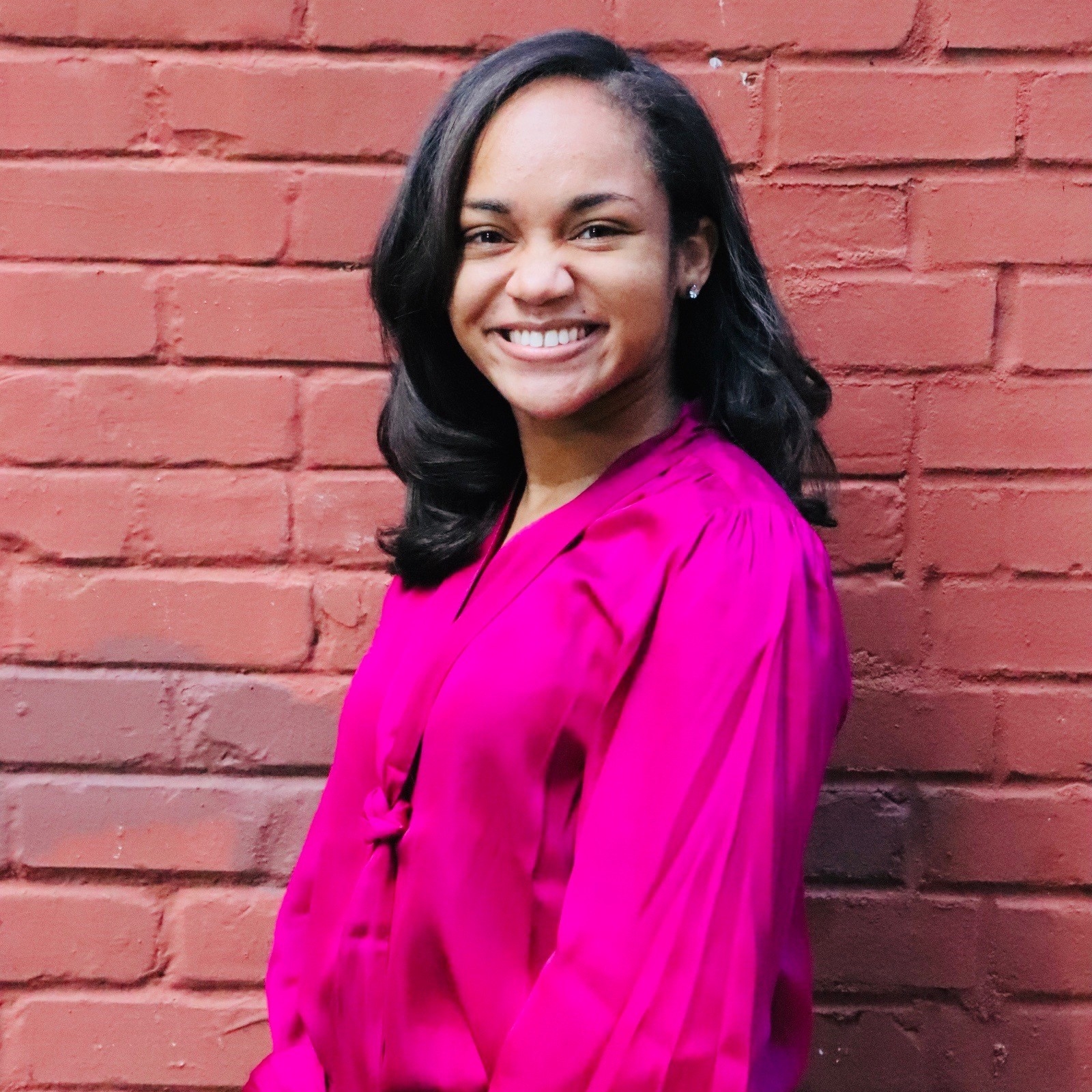
Starting a new job feels like you’re a new character on the ninth season of a TV show: you just feel out of place and it seems like no one really knows what you’re doing there. It brings on new anxieties, challenges, and frustrations. New jobs can cause you to question everything, including God. “Is this where I’m supposed to be?” “What if I don’t fit in?” “Am I even qualified to do this job?” “Did God make some kind of mistake by placing me here?” When I first began my journey at Good Sam, all of these questions and fears came rushing into my head.
Before coming to Good Sam, I was working as a Communications Coordinator in Corporate America and like many others around the world, I had completely onboarded remotely. Working from home was extremely difficult for me. Questions that I would normally be able to ask my desk mate, had we been in the office, often went unanswered leaving me confused and frustrated. I found myself struggling to maintain work/life boundaries and felt completely isolated as I sat at my desk in the corner of my room. Knowing I needed to make a change, I applied to Good Sam.
I started a little over a month ago as Good Sam’s newest Development Coordinator and I could not be happier with my time here so far. Since graduating from college, I have struggled to find a job where I can grow both personally and professionally. Now, I truly believe that I have found a place where not only will I grow in those areas, but I have found a place that I can call home.
Now that I am at Good Sam, my fears have started to subside. I am surrounded by amazing, God-fearing people that are invested in my success just as much as our patients. Being in a Christian-based environment is the biggest blessing I never knew I needed. From the daily morning devotions to seeing how my coworkers care for our patients as well as each other, I am truly inspired and blessed to be around people that motivate me to walk into my purpose.
They say that luck is when an opportunity comes along and you’re prepared for it. And as much as I’d love to tell you all how incredibly lucky I am to be at Good Sam, I can’t. I can’t chalk this incredible place up to luck; I can’t give luck that much credit. Me being at Good Sam has nothing to do with luck and everything to do with God. As I reflect on the things throughout my life that I am most grateful for, I realize that it’s never been provision luck, it’s always God. There’s no amount of luck in the world that’s strong enough to put me in a place as incredible as Good Sam. It has to be God.
Although I’m still finding my bearings, I have no doubt that Good Sam is exactly where I’m supposed to be, and it is not lost on me how blessed I am to be here. My first 30 days have been absolutely wonderful and I am looking forward to how the rest of my future unfolds here.
Bianca Long
Development Coordinator
Good Samaritan Health Center
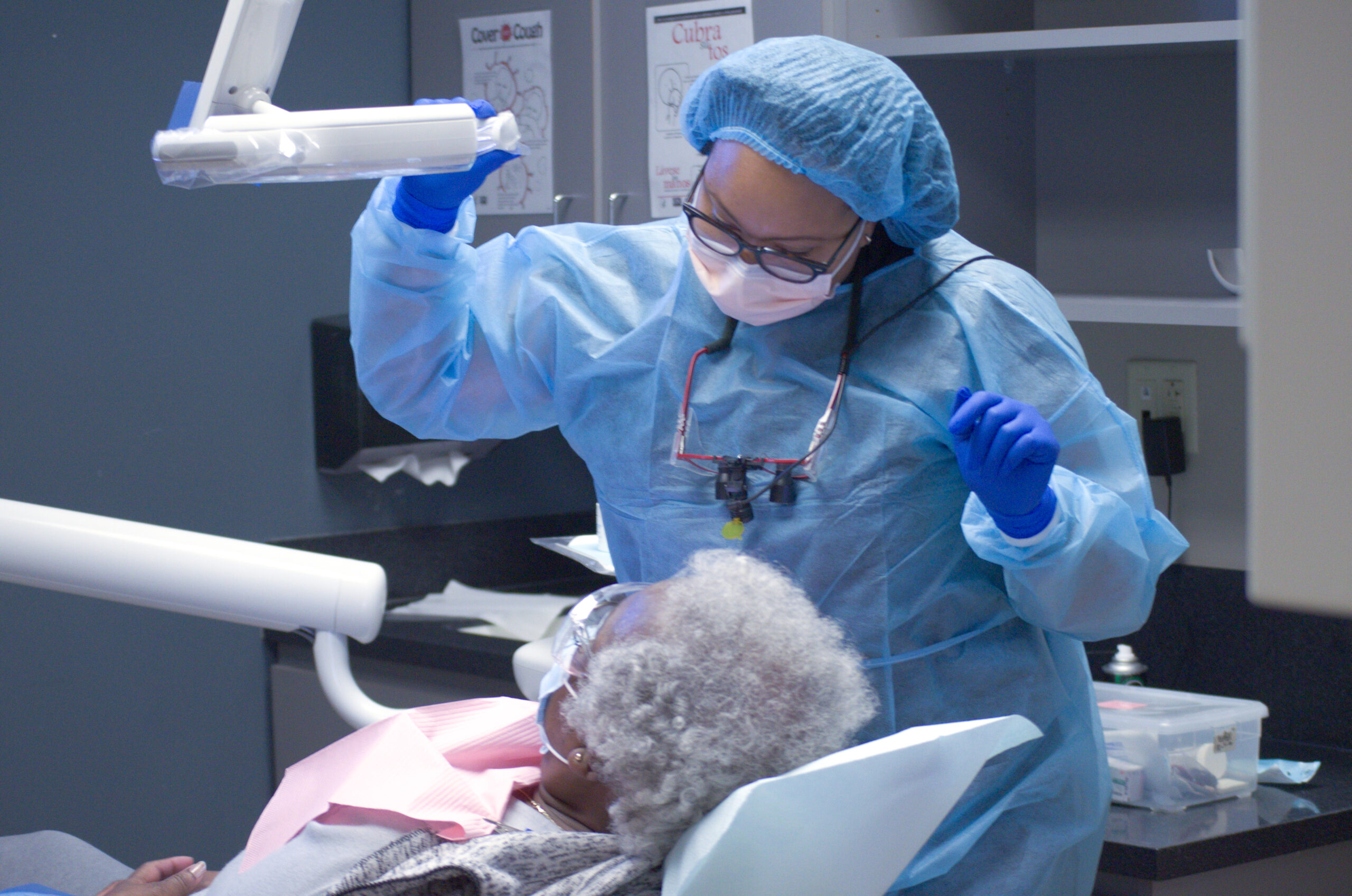
As a general dentist, it is my understanding that my primary job is to prevent oral disease.
The idea that I can make a difference in this community by helping my patients prevent getting cavities and losing their teeth is very rewarding and is one of the main attractions of dentistry for me. Unfortunately, after nearly 15 years of practice, I have found that this has become a secondary priority. And this seems to be true in all communities, not just the underserved populations I see in my chair. My job has become one of "the chasers," an investigator if you will. I am always searching for the cause. Dentistry is truly the "Who did It?" of health professions. Many people come to the dentist only when there is a problem; something is broken, something hurts, or they don't like something about their teeth. The answer is rarely satisfying; the search even less.
Many dentists take the drill/fill approach or, in recent times, the "hide and don't seek" approach. Cosmetic dentistry is all the rage now. Everyone wants "perfect teeth." So, people ask for crowns or veneers. While this is undoubtedly financially rewarding for dentists, I would ask, is it fulfilling our purpose?
As a health care professional, someone who is more than just a dentist, I value treating my patients as a whole. Educating my patients on how oral health is not just about brushing your teeth but also about their overall health.
The link between periodontal disease (gum disease) and heart disease is real. Studies have shown that people with gum disease have two to three times the risk of a heart attack, stroke, or other serious cardiovascular events due to systemic inflammation and the body's immune response. There is also a connection for expectant mothers, as gum disease is linked to preterm labor and low birth weights. The list goes on. See other connections below:
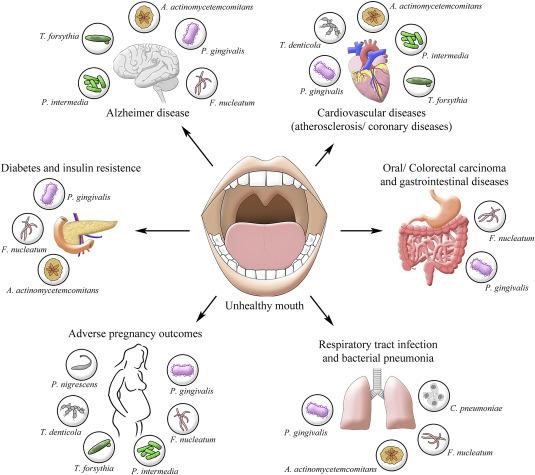
This path to health looks something like this:
- Routine Checkups; Oral exams (every 6 months)
- Dental Teeth Cleanings (every 3, 4, or 6 months)
- Routine Dental X-rays
Reiteration of technique and education happens at all of these visits. These things include:
- Brushing (at least) 2x daily; after every meal is encouraged
- Flossing Daily
- Drinking lots of water
- Limiting Sugar intake (especially snacking)
- Avoid Acidic Foods and Beverages (limiting soda)
- Using caution with hard foods (Not eating ice, hard candies)
- Adding Mouthwash to decrease bacterial loads and help prevent cavities.
- Using other materials, such as additional Fluoride or Mouth Guards, as directed.
This path obviously takes time. It also requires significant resources. I hope that as dentists and healthcare professionals, we can be both ambassadors of dental education and prevention and artists of the mouth and not compromise one for the other. I am really excited to be serving as the new Dental Services Director at Good Sam. I appreciate the Full Circle of Health model that has existed here since the beginning of the Center, a model that has taught that oral health is health. And I am grateful for the generous supporters of our work, who allow us to prioritize good oral health for our deserving patients.

Dr. Kahina King, DMD MS
Dental Services Director
Good Samaritan Health Center
Citations:
Www.health.harvard.edu
Www.ahajournals.org
Association between periodontal pathogens and systemic disease, Fiona Q. Bui, Cassio Luis Coutinho Almeida-da-Silva etc. www.sciencedirect.com Biomedical Journal Volume 42, Issue 1
 I believe that certain people and opportunities come into our lives for a reason. Adam Young describes this perfectly in his podcast The Place We Find Ourselves. Picture your life like an epic story with many different settings, chapters, and characters, each one more interesting than the next. What are the chapters that define the person that you are today? Who are the characters in your life that made an impact on you? What will the following chapters consist of to shape you into the person you want to be?
My name is Ashlynn Landry, and I am Good Sam's newest Marketing and Communications Coordinator. I am over the moon and so honored to be a helping hand in this incredible organization, but with that excitement comes anxiety, and pressure I put on myself to not let people down. My first 30 days at Good Sam was a whirlwind of emotions and I’ll tell you why.
We are our own worst critics.
As little kids, we're often asked, "What do you want to be when you grow up?" Fast forward to high school, and the question becomes, "What are your plans after graduation?" If we attend college, it then turns into "What are you majoring in?" followed by "What are you planning on doing with your major?" These questions come up flippantly, sometimes to fill an awkward silence with small talk around the dinner table and sometimes with serious concern behind them. I always admired those who had a plan for their lives, but these questions were a point of internal stress and anxiety because the only thing I was ever sure of was that I wanted to be a part of something greater than myself. Unaware of how I would make this happen, I was introduced to Good Sam through a close family friend who encouraged me to apply for a job within the organization.
I poured my heart and soul into the interview process, and when I got offered the Marketing and Communications Coordinator role for a Christian-based nonprofit, it felt like a dream I didn't want to wake up from. I felt like I had created a perfect bubble around myself to hide all my flaws and insecurities to be the ideal candidate, but I didn't think that I would live up to the expectations. This is how my irrational, anxious brain talks to itself after a victory—immediately downplaying the determination and hard work it took to achieve that goal. Rationally, I see the value that I bring to the table and would never talk about a friend the way I talk about myself. My brain likes to play these fun little games that make me overthink and doubt every ounce of myself. I know that I was chosen to be a part of furthering the mission of Good Sam for a reason. I know that I am more than deserving and capable of flourishing (in time) within this position and during this next chapter of my epic story. I am working on believing it.
"We're never going to be perfect alone, but we can be perfect together."
In my first 30 days at Good Sam, I believe this to be true not only for myself but for every person that walks through the doors. Good Sam is a safe haven, a place of comfort, a place of restoration and healing, a place for personal and professional growth and encouragement, a place where your cup is always full, and most importantly, a place held preciously by the hands of our Lord. It feels like home, and the people who make it up feel like family. That is what Good Sam has been for me the past 30 days.
Ashlynn Landry
Marketing and Communications Coordinator
Good Samaritan Health Center
Next year marks Good Samaritan Health Center's 25th anniversary, and we could not be more excited to celebrate and reflect on how much we’ve grown while staying focused on what lies ahead. Not only are we dedicated to spreading Christ’s love through quality healthcare to those in need, but we also feel compelled to share what has made Good Sam unique for more than two decades.
The goal for Life at Good Sam is to bring you all along on our journey as we share what moves us by compassion. Whether through staff testimonials, updates from our departments, patient success stories, and lessons learned from hardships—we want YOU to be a part of the Christ-centered work happening at Good Sam through these firsthand accounts.
Our Covid-19 blog will remain active with ongoing updates as we continue to navigate alongside COVID-19. You can find updates and vaccination and booster information under its new home, “Covid-19 Resources,” in the header of our website.
What to Expect
This past year was filled with many new faces within Good Sam, across all departments. We will be introducing these talented and driven new friends over the next couple of months, starting with our Development and Marketing team. Heather Kersey is Good Sam’s newest Chief Development Officer who brings a wealth of nonprofit experience and a love for Good Sam that is infectious. Working alongside her is Development Coordinator Bianca Long and Marketing and Communications Coordinator Ashlynn Landry. As we begin to implement new development and marketing strategies over the next year, we hope to continue inspiring the Atlanta community (and beyond) to join us in providing quality healthcare to those in need.
If you're excited to join us on this journey then be sure to subscribe to our Life at Good Sam newsletter, so you never miss a beat on all things, Good Sam! If you haven't already, be sure to follow us on all our social media platforms for regular updates, as we will be posting a new blog twice a month!
For now, we leave you with this:
“You, my brothers and sisters, were called to be free. But do not use your freedom to indulge the flesh; rather, serve one another humbly in love.” – Galatians 5:1